


What Are Parchment Distress Labels?
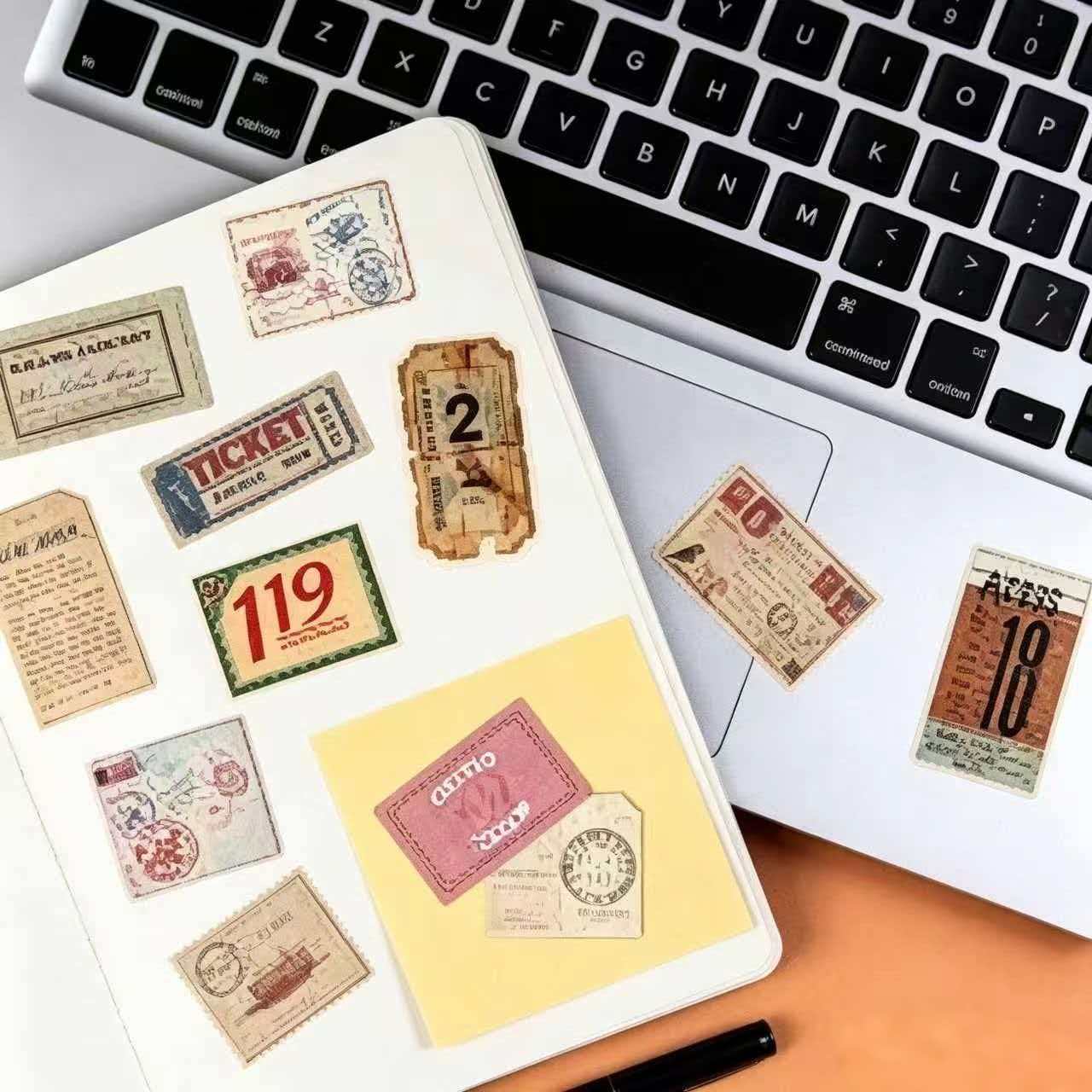
Parchment Distress Labels are specialty tags crafted from vegetable-based parchment paper with a basis weight of approximately 70 gsm, giving them a lightweight yet durable feel. Their most distinguishing feature is the hand-torn, feathered edges that deliberately avoid straight, machine-cut lines—each tag carries subtle variations that make it appear individually crafted. The surface is treated to create a wrinkled, crinkled texture that mimics the natural aging of historical documents, complete with a slightly translucent quality when held to light. Unlike standard paper labels, these tags come with a low-tack removable adhesive backing, allowing them to be repositioned without leaving residue or damaging delicate surfaces. They are engineered to be pH-neutral and acid-free, making them archival-safe for long-term contact with valuable or sensitive products such as heirloom jewelry, limited-edition prints, or antique collectibles. These labels are not about modern perfection; they celebrate the beauty of imperfection, wear, and the passage of time, making them the preferred choice for brands that want their packaging to whisper stories of a bygone era.
Types of Parchment Distress Labels
Based on edge treatment, adhesive configuration, and additional finishes, Parchment Distress Labels come in several distinct varieties. Classic Hand-Torn Tags feature fully feathered edges on all four sides, creating a raw, organic silhouette that pairs beautifully with twine or raffia ties. One-Side Straight Tags have three distressed edges and one straight edge, offering a cleaner option for products where a fully irregular shape might interfere with stacking or display. Fold-Over Collar Labels are designed to wrap around jar necks or box corners, with distress treatment on both visible flaps for a cohesive vintage look. Removable Backing Sheets are individual labels on a liner, ideal for quick application to flat surfaces like jewelry cards or booklets, with the low-tack adhesive ensuring easy removal without surface damage. Wax-Seal Companion Tags feature a pre-printed circular or oval area in the center, specifically left with smoother texture to receive hot wax or embossed seals without cracking. Finally, Multi-Panel Story Tags are folded constructions with two or three panels, allowing for extended text or care instructions while maintaining the distressed edge treatment on all outer perimeters. Each type serves a different packaging function, yet all share the core DNA of aged parchment aesthetic and archival-grade material safety.
Features of Parchment Distress Labels
The enduring appeal of Parchment Distress Labels stems from a combination of visual, tactile, and functional characteristics that no other tag category replicates. The vintage aesthetic is their most obvious asset—the wrinkled surface and feathered edges instantly evoke old maps, antique letters, and historical manuscripts, creating an emotional connection to craftsmanship and heritage before a single word is read. Beyond appearance, these labels boast remarkable print compatibility. The slightly textured surface accepts both laser printing and rubber stamping with equal clarity, making them equally suitable for mass-produced detailed graphics or hand-stamped batch codes. The pH-neutral and acid-free composition is a critical feature for collectors and conservators—unlike acidic papers that yellow and become brittle over time, these tags remain stable and will not damage the products they accompany, whether sterling silver, silk, or vintage photographs. The low-tack removable adhesive offers unprecedented flexibility. Labels can be repositioned multiple times during the packaging process without losing stickiness, and when the end customer decides to remove the tag, it peels away cleanly without leaving sticky residue or tearing the product surface. Furthermore, the lightweight 70 gsm parchment has a subtle translucency that creates a beautiful layering effect when placed over colored backgrounds or patterned boxes. Finally, these labels are inherently compatible with further distress enhancements such as tea-staining, ink splattering, or edge-burning, allowing artisans to add even deeper levels of customization to match their specific era or theme.
Functions of Parchment Distress Labels
Parchment Distress Labels serve both practical and psychological functions that extend far beyond simple identification. Their primary practical function is product authentication and storytelling. For vintage-style jewelry, antique replicas, and steampunk accessories, the label itself becomes part of the product narrative, convincing the buyer that the item might have been discovered in a dusty attic rather than mass-produced in a factory. They function as versatile display tools. The removable backing allows retailers to affix labels to jewelry cards, box interiors, or even directly onto glass display cases without permanent alteration, making them ideal for pop-up shops and rotating exhibitions. For customer engagement, these labels create an interactive unboxing experience—the crinkling texture and aged appearance trigger tactile curiosity, prompting customers to touch and examine the label before even opening the product, extending the anticipation and pleasure of the reveal. They also serve a critical archival function. Because they are acid-free and pH-neutral, museums, galleries, and collectors use these labels for cataloging and identifying pieces, safe in the knowledge that the tag will not damage the artwork or artifact over decades. Additionally, these labels work as directional and instructional tools for intricate products; the parchment texture invites customers to read care instructions, provenance stories, or ingredient origins not as a chore but as a discovery. Finally, they function as brand differentiators in crowded marketplaces, allowing small-batch makers to command premium pricing by wrapping their products in a narrative of authenticity and timelessness that glossy, modern labels simply cannot convey.
Top Parchment Distress Label Designs in the Year 2026
Trend forecasts from boutique packaging fairs and artisan design studios point to five standout styles dominating the parchment label category this year. Tea-Stained Ombre Labels lead the trend, featuring gradients of actual black tea or coffee applied to the parchment, creating a natural ring effect that deepens toward the edges—each batch yields unique patterns, making every label a one-of-a-kind piece. Map-Print Overlay Labels incorporate subtle, faded cartographic elements such as compass roses, contour lines, or latitude markers printed in sepia ink over the distressed parchment, appealing to brands with exploration or travel themes. Hand-Written Calligraphy Editions feature no machine printing whatsoever—each label is individually inscribed with copperplate calligraphy using archival iron-gall ink, commissioned to a network of professional penmen, with orders limited to 250 pieces to maintain exclusivity. Fragrance-Infused Parchment Tags are embedded with micro-encapsulated scent oils (lavender, cedar, or vanilla) that release a subtle aroma when the label is rubbed, adding a sensory layer to the visual experience—particularly popular for heritage skincare and apothecary lines. Torn-Edge Silk Ribbon Combinations pair the parchment tag with a narrow, naturally dyed silk ribbon threaded through a single ragged hole, replacing standard twine with a touch of Victorian elegance. Finally, layered shadow tags feature two sheets of parchment partially fused together, with the lower sheet extending beyond the upper to create a layered, three-dimensional distressed edge effect. All these designs share a common thread: they reject digital perfection in favor of human imperfection, embracing the quirks and variations that make handmade products resonate with today's discerning customers.
How to Select the Right Parchment Distress Labels
Selecting the appropriate parchment distress label involves careful consideration of your product's physical characteristics, usage environment, and brand narrative. First, assess the surface where the label will be applied. For smooth surfaces like jewelry cards, glass, or coated boxes, the standard low-tack removable backing works perfectly. For porous or delicate surfaces such as uncoated paper, raw wood, or vintage fabric, request a lower-tack adhesive variation to prevent fiber pull or discoloration. Second, evaluate the writing or printing method you will use. Laser printing produces crisp, permanent results on parchment, but the toner may flake on heavily wrinkled areas—for intricate designs, choose labels with milder surface texture. Rubber stamping with pigment ink works beautifully on all parchment variations, but oil-based inks may require extra drying time; test a sample first. For hand calligraphy with dip pens, select a smoother parchment finish that won't catch the nib or bleed ink. Third, consider the intended lifespan and handling. For short-term point-of-sale displays, the standard 70 gsm weight is sufficient. For products that will be shipped, handled frequently, or stored long-term, request a thicker 90 gsm parchment or ask for a protective transparent overlay that can be applied over the label. Fourth, think about the rest of your packaging. If your box or card has strong colors or patterns, the parchment's natural translucency will interact with the background—order swatches to test layering effects under your store lighting. Fifth, determine the presentation style: will the label hang freely? For loose tags, ensure the hand-torn edges include a reinforced hole with a metal eyelet to prevent tearing. Will it be attached flat? For flat application, confirm that the removable adhesive is compatible with your substrate and will not fail under temperature or humidity variations. Finally, always request production samples equivalent to your final product—the "distress" effect can vary significantly between paper batches, so what you see in a supplier photo must be verified in hand.
Parchment Distress Labels Size Guide
A comprehensive size guide ensures artisans select dimensions that complement rather than overwhelm their products. For tiny jewelry items like rings, earrings, or brooches, a miniature 35×50 mm tag with gentle distress on all edges provides sufficient space for a logo or brief description without obscuring the product. Small pendants and charm bracelets work well with 45×65 mm tags, allowing room for a short provenance line or care instruction. Vintage-style keychains and watch fobs pair beautifully with 55×75 mm tags that can include a small illustrated element alongside text. For medium-sized products such as leather journals, photo albums, or wooden boxes, a 70×100 mm tag offers a substantial canvas for storytelling paragraphs or product specification details. Gift boxes, hat boxes, and larger decorative containers benefit from a generous 90×120 mm tag that creates a dramatic visual statement while providing ample space for brand narrative and seasonal messaging. For steampunk goggles, mechanical models, or larger art pieces, consider a 120×160 mm tag that can include a miniature "certificate of authenticity" format. Beyond dimensions, consider the hole size and placement. A single 4 mm hole positioned 10 mm from the torn edge works for most twine and ribbon applications. For tags that will carry heavier cords or metal chains, request a reinforced 5 mm eyelet to prevent the paper from tearing out. As a production planning tip, order tags in two sizes—your primary size and one smaller size—to use as hang-tags for sample giveaways or as "found" object labels for in-store displays, creating a cohesive vintage language across all brand touchpoints.
How to Customize Parchment Distress Labels
Customizing Parchment Distress Labels is an artistic collaboration that goes far beyond uploading a logo file—it involves decisions that shape the very texture, age, and soul of the tag. The first and most foundational decision is the level of distress. You can choose from light distress (subtle edge irregularity and gentle wrinkle), medium distress (pronounced feathering and visible creasing), or heavy distress (aggressive tearing, deep folds, and intentional staining). Each level communicates a different era—light suggests a well-preserved 20th-century document, while heavy evokes a 17th-century ship's log recovered from the sea. The second decision involves color calibration. Natural parchment offers a warm cream or ivory tone; you can request additional pigmentation using tea, coffee, walnut ink, or even beet juice to achieve yellow, amber, brown, or pinkish aged hues. Specific stain patterns such as water rings, foxing (brown spots from age), or edge-burnishing can be applied as design features. The third customization layer is the printed content. While these labels are beloved for handwriting, many artisans opt for letterpress printing, which creates a debossed impression that adds tactile depth to the aged surface. For full-color illustrations or photographic elements, digital printing on parchment is possible with specialized toners, though the final output may appear slightly muted compared to bright white papers—this desaturation actually enhances the vintage effect. If you choose hand-stamping, work with your supplier to select rubber or photopolymer stamp materials that produce sharp impressions on textured parchment. Foil stamping in antique gold, copper, or burnished silver offers a striking contrast against the aged background—this is particularly popular for brand crests and monograms. The fourth customization consideration is edge finishing. Beyond the standard hand-tear, ask for additional treatments such as scorched edges (lightly burned with a hot tool for a charred look), gilded edges (thin metallic leaf applied to the edges), or deckled edges (a thicker, more fibrous feathering). Finally, consider the backside of the label; many brands use the reverse for a short brand story, a "with love from" note, or a QR code linking to a video of the product being made. The key to successful customization is balancing visual age with clarity of information—the label should look old but read with ease.
Supplier of Parchment Distress Labels
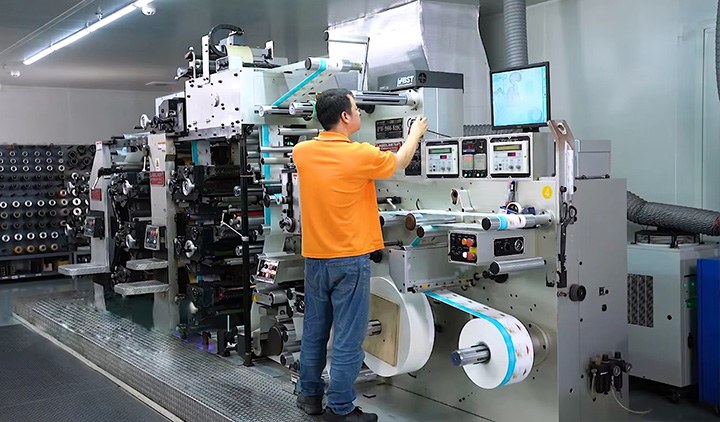
When selecting a supplier for Parchment Distress Labels, prioritize those who demonstrate expertise in specialized paper treatments and flexible customization. The ideal supplier maintains in-house capabilities for edge tearing, staining, and printing, rather than outsourcing these delicate processes to third parties. They should provide a clear material specification including basis weight, pH level, and acid-free certification, ensuring archival safety for your products. Flexible minimum order quantities are critical; artisans and small-batch makers often need as few as 100 or 500 pieces for limited editions or test runs, and a truly artisan-focused supplier will accommodate these volumes without punitive pricing. The supplier must offer physical sampling—digital proofs are insufficient for distressed papers, as the texture and final appearance cannot be judged on screen. Ask for a sample pack that includes all distress levels, staining options, and a range of edge treatments so you can physically test writing, printing, and application. A competent supplier will also offer guidance on adhesive selection for your specific surfaces, as the low-tack removable backing can be adjusted in strength for glass, cardboard, plastic, or fabric. Additionally, evaluate their turnaround time; for seasonal or event-driven products, production and shipping timelines of 5 to 7 business days can be a decisive advantage. Finally, the supplier should demonstrate environmental responsibility by using vegetable-based parchment sources and water-based adhesives, aligning with the eco-conscious values of many vintage-brand consumers.
About Our Company
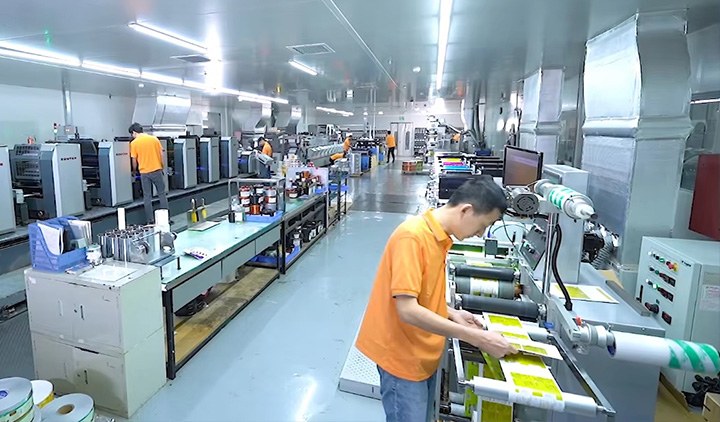
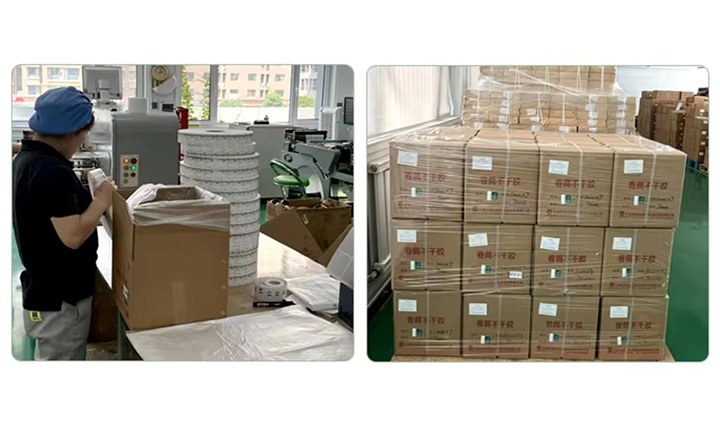
At Custom Panda , we are a leading manufacturer of custom pins, patches, and specialized labels, proudly serving artisans and businesses worldwide since our founding. We understand that labels like Parchment Distress Tags are not mere packaging—they are essential characters in your brand's story. That is why we offer free design assistance, fast production ready in just 1 to 2 days after proof approval, and competitive pricing with no minimum order requirements, empowering creators of every scale to access premium customization. Our commitment to quality is matched only by our dedication to service; we provide free digital proofs within 12 hours, and our reliable worldwide shipping ensures your custom orders arrive in just 5 to 7 days. When you choose Custom Panda, you are not just ordering labels; you are partnering with a team that cares deeply about the authenticity and craftsmanship your products represent. From the first sketch to the final distressed edge, we work alongside you to ensure every tag carries the soul of your brand. Let us help you turn your products into timeless treasures.