

What are Oil-Resistant Jar Labels?
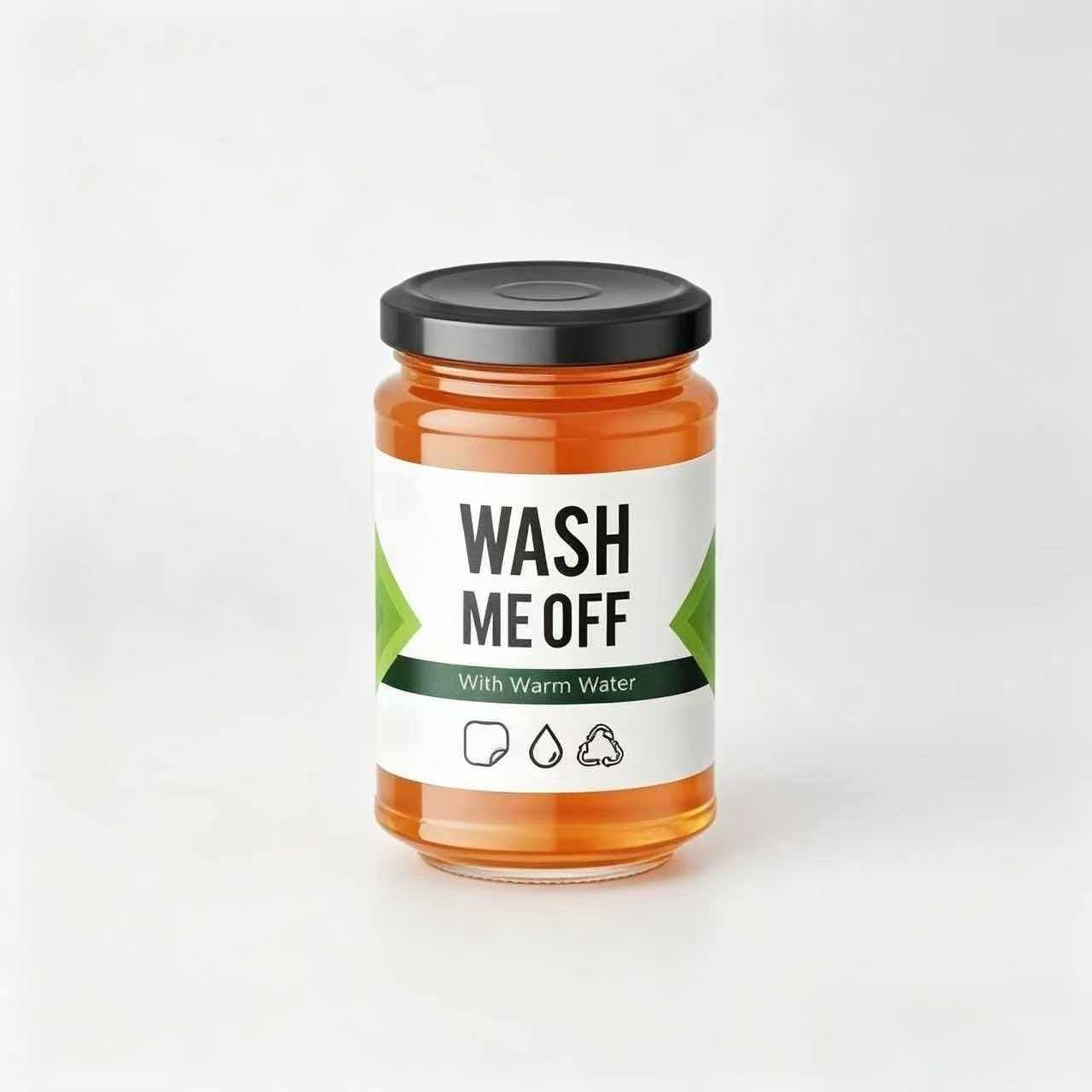
Oil-resistant jar labels are a specialized category of adhesive labels engineered to withstand contact with oils, fats, and greasy substances that are common in many food products. Unlike standard labels that can become stained, discolored, or lose their adhesion when exposed to oil, these labels are constructed from materials and adhesives specifically formulated to resist oil penetration. This ensures the label remains clean, legible, and securely attached to the jar throughout the product's shelf life, even when the product itself is high in oil content.
The challenge of oil is twofold. First, oil can seep through the label material from the jar's surface, causing unsightly stains that make the label look dirty and unprofessional. Second, oil can break down the adhesive bond, causing the label to peel, curl, or fall off entirely. Oil-resistant labels address both issues. They use a barrier material that prevents oil from migrating through the label and a special adhesive that maintains its bond even in the presence of oils. These labels are the critical packaging component for any oily or fatty food product sold in a jar.
Types of Oil-Resistant Jar Labels
Oil-resistant jar labels come in several types, each suited to different levels of oil exposure and aesthetic preferences. One of the most common types is the synthetic paper label, often made from polypropylene (PP) or a similar material. Synthetic paper is inherently resistant to moisture and oils, making it an excellent barrier against grease. It is tear-resistant and durable, providing a reliable label for products like peanut butter and oil-based sauces. It can be printed with vibrant colors and comes in various finishes, including matte and gloss.
Another popular type is the film-based label, typically made from polyester (PET) or vinyl. These labels offer the highest level of oil resistance. The film is impermeable to oils, providing a complete barrier. They are also highly durable and resistant to scuffs and abrasion. Clear film labels are a popular choice for products where the brand wants to showcase the product's color or texture through the label. White film labels offer a clean, opaque background for designs that need to pop.
A third type is the specially coated paper label. This is a more economical option that uses a standard paper stock coated with an oil-resistant barrier layer. This coating prevents oil from soaking into the paper fibers, preventing stains and maintaining the label's appearance. While not as robust as synthetic or film labels, they are a cost-effective solution for products with moderate oil content or for brands that prefer the natural look and feel of paper. They are a good choice for small-batch, artisanal producers.
Features of Oil-Resistant Jar Labels
The primary and most critical feature is their ability to resist oil and grease penetration. The barrier material prevents oils from the jar's surface from being absorbed into the label, which would otherwise cause unsightly, semi-transparent stains. This ensures the label's colors remain vibrant and the printed information, including barcodes, remains clear and scannable. This feature is essential for maintaining a professional, high-quality brand image.
Another key feature is their strong, oil-resistant adhesive. This adhesive is formulated to maintain its bonding strength even when in contact with oils. Standard adhesives can be dissolved or weakened by oil, causing the label to curl at the edges or fall off. An oil-resistant adhesive ensures the label stays securely attached to the jar for the entire life of the product, preventing the frustration of a fallen-off label. This is a critical reliability feature for consumers.
These labels also offer excellent print quality. The surface of an oil-resistant label is designed to accept high-quality printing, producing sharp text and vibrant, detailed images. This allows brands to create attractive, eye-catching labels that stand out on the shelf. The label's surface is also often resistant to smudging, ensuring the print remains clean and legible even after handling. This durability is crucial for products that may be picked up and put down multiple times by shoppers.
Functions of Oil-Resistant Jar Labels
The primary function is to ensure the label remains intact and attractive for the entire shelf life of a high-oil-content product. For products like peanut butter, almond butter, or tahini, the oil can naturally separate and rise to the top of the jar. When a jar is handled, this oil can come into contact with the label. An oil-resistant label prevents this contact from damaging the label's appearance or integrity, ensuring the product always looks its best.
They also serve a critical function in providing reliable product information and traceability. The label is where consumers find vital details like ingredients, nutritional information, allergen warnings, and expiration dates. If a label becomes stained or smudged, this information can become difficult or impossible to read, which is a serious safety and compliance issue. An oil-resistant label ensures this critical information remains clear and legible. This builds consumer trust and ensures regulatory compliance.
Furthermore, oil-resistant jar labels function as a key element of brand consistency. In a competitive market, a clean, undamaged label conveys quality and attention to detail. A stained or peeling label can create a negative perception of the brand, implying carelessness or low quality. By ensuring the label remains pristine, these labels help maintain a brand's premium image, reinforce consumer confidence, and support repeat purchases.
Top 3 Oil-Resistant Jar Labels in the Year 2026
Based on current market trends and technological innovations, the top three types in 2026 are eco-friendly oil-resistant labels, clear oil-resistant film labels, and multi-layer oil-resistant labels. Eco-friendly oil-resistant labels are a major trend driven by consumer demand for sustainability. These labels are made from bio-based polymers or recycled synthetic materials that offer full oil resistance but with a significantly reduced environmental footprint. They appeal to brands that want to align their packaging with their sustainability values.
Clear oil-resistant film labels are a top choice for products like olive oil, nut oils, and fruit preserves. These labels allow the product's natural color and texture to be visible through the label, creating an appetizing, "see-through" effect. The clear film provides a complete oil barrier and is highly durable. These labels are often paired with minimalist, high-end designs that let the product itself be the hero of the packaging.
Multi-layer oil-resistant labels represent an advanced and durable category. These labels are constructed with multiple layers, including an oil-barrier film, a print layer, and a protective overlaminate. This construction offers the highest level of protection against oil, abrasion, and moisture. They are used for premium products and for products in demanding environments where standard labels might fail, such as in commercial kitchens.
How to Select Oil-Resistant Jar Labels
Selecting the right oil-resistant label requires a clear understanding of the product's specific characteristics. The first factor is the level of oil and grease exposure. A product like peanut butter, where oil can separate, poses a different challenge than a product like mustard or pickle relish, which are water-based. For high-oil environments, a film or synthetic paper label is the safest choice. For water-based products, a coated paper label may be sufficient.
The second factor is the adhesive's performance on the specific jar material. Is the jar made of glass, plastic, or metal? The adhesive must form a strong bond to the specific material. Glass is generally easy to bond to, but some plastics, like polypropylene, are low-energy and require a specific, aggressive adhesive. The label manufacturer should be able to recommend an adhesive that is both oil-resistant and optimized for the jar's material.
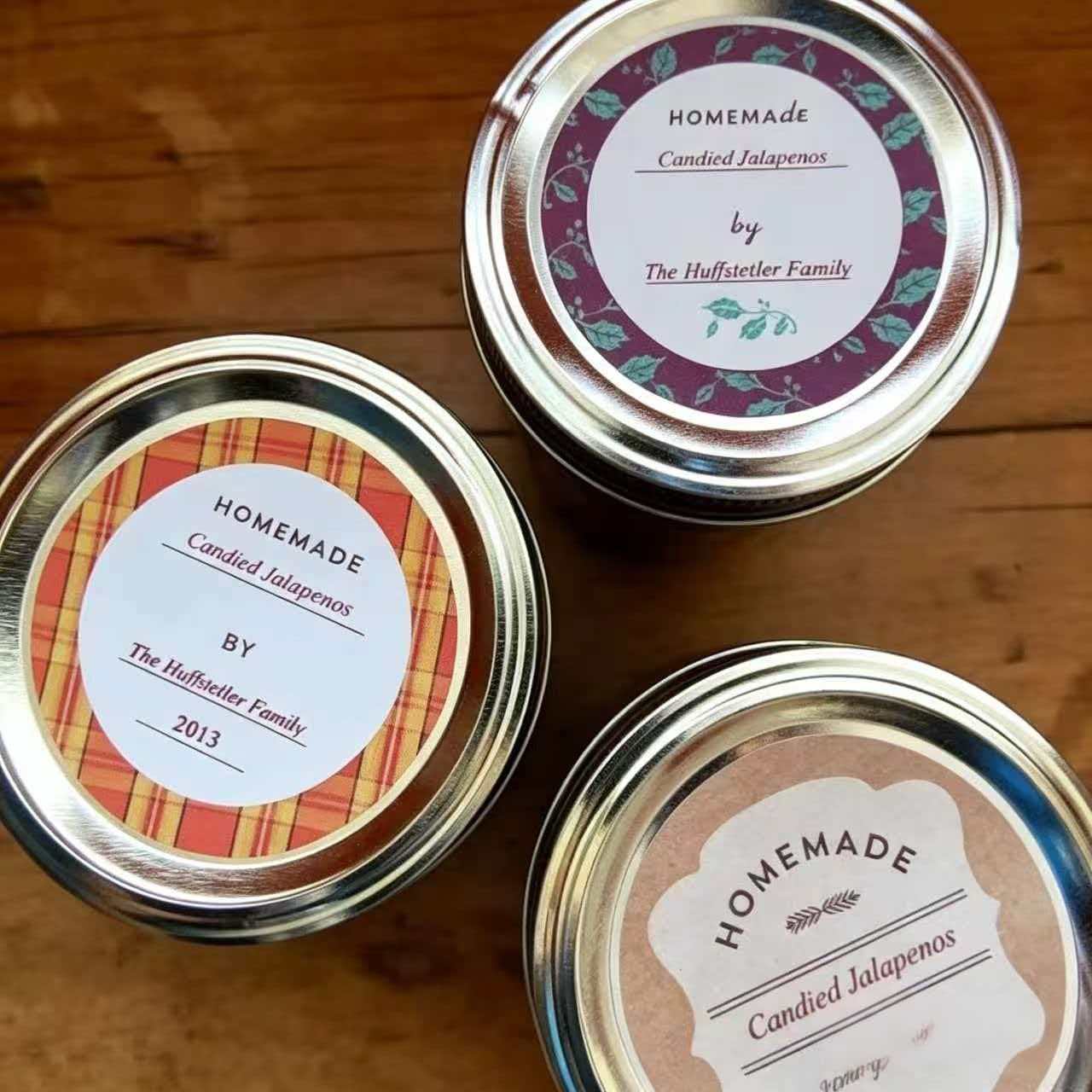
Finally, consider the aesthetics. Does the brand want a natural, paper feel or a sleek, modern film look? Is a clear label or a white label more appropriate? The answer should align with the brand identity. A craft, artisanal nut butter brand might prefer a coated paper label for a rustic feel, while a premium olive oil brand might prefer a clear film label for a minimalist, sophisticated look.
Oil-Resistant Jar Labels Size Guide
The size of the label is determined by the jar's dimensions and the amount of information it must contain. For small jars like spice jars or small sample sizes, labels from 1 inch to 2 inches are common. These labels are small and straightforward, often displaying just the brand name and product type.
For standard jars such as those used for peanut butter, jam, and pasta sauce, medium-sized labels, typically 2 inches to 4 inches, are the norm. This size allows for a brand logo, product name, a description, a barcode, and a full ingredient list. This is the most common size and fits comfortably on the front of a standard glass jar.
For large jars, such as those used for large quantities of oil, pickles, or bulk items, labels over 4 inches are necessary. These large labels often wrap around the jar or cover a significant portion of the front panel. They must be large enough to include comprehensive information and make a strong visual impact on the shelf.
How to Customize Oil-Resistant Jar Labels
Customizing oil-resistant labels is a process that combines design creativity with technical material selection. The first step is to create the artwork. The design must be optimized for the label's material. A design intended for a clear film label will be printed differently than one for a white synthetic paper label. The design should be eye-catching and clearly communicate the brand's message and the product's benefits.
Next, the specific material and adhesive are selected. The customer provides the product and environmental details, and the supplier recommends the most suitable oil-resistant material, adhesive, and finish. A matte finish can reduce glare and give a premium feel, while a gloss finish can make colors pop and is easier to wipe clean. The choice depends on the desired brand image.
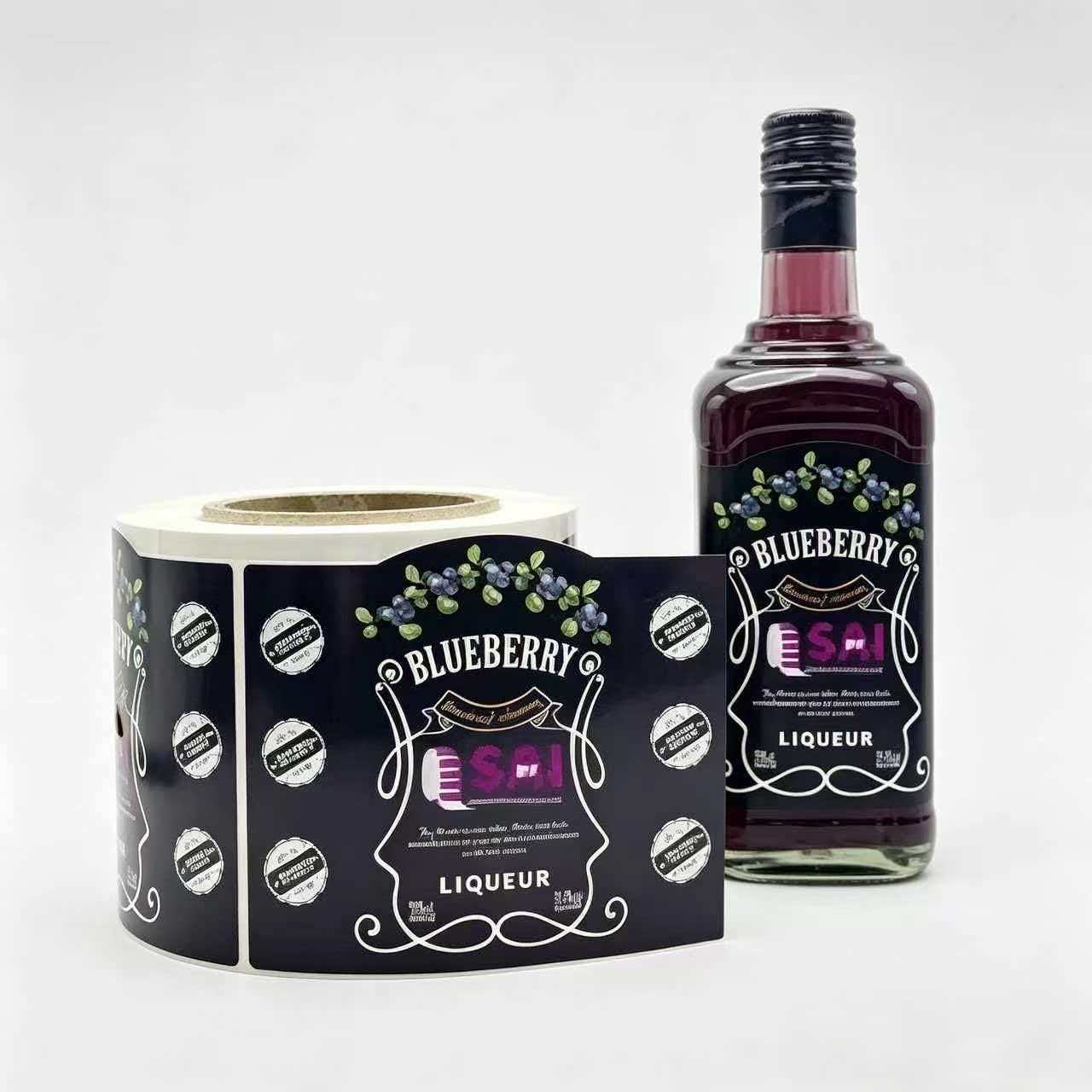
Finally, after the design is approved and a digital proof is reviewed, the labels are produced. The proof allows the customer to check the colors, text, and layout. Additional customizations like custom shapes, foil stamping, or embossing can also be added to create a unique, premium label. The manufacturer's expertise is crucial in guiding the customer through these decisions to ensure the final product is both beautiful and functional.
Supplier of Oil-Resistant Jar Labels
An ideal supplier for oil-resistant jar labels must have in-depth knowledge of materials and adhesives that resist oil. They should offer a range of options, from synthetic paper to film, and guide customers on the best choice for their specific product. They should also provide fast turnaround times, free design assistance, and flexible order quantities.
Custom Panda: Your Partner in Custom Labels
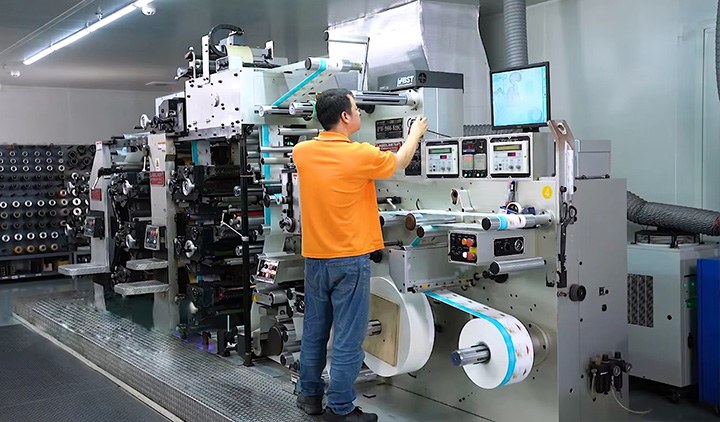
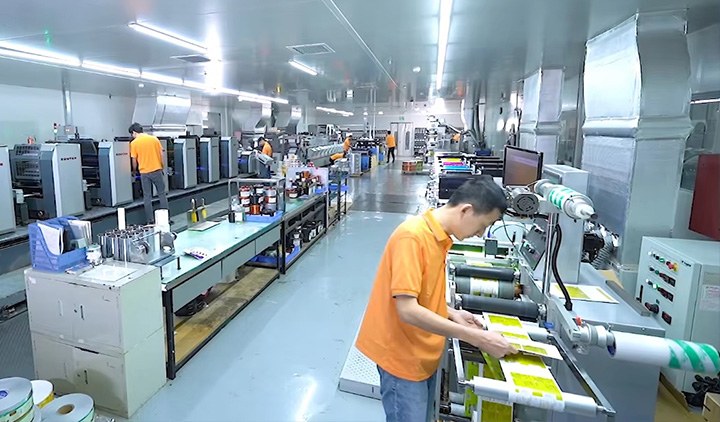
Custom Panda is a premier manufacturer and a trusted partner for high-quality custom label solutions. As a factory-direct supplier, we offer premium products at competitive, cost-effective prices, saving you up to 30% on your orders. Our commitment to exceptional quality, speed, and customer service has made us the preferred choice for businesses of all sizes, from local food artisans to international distributors.
We specialize in a comprehensive range of custom labels, including oil-resistant jar labels, candle jar labels, and various PET labels. Our streamlined process is designed for your convenience and satisfaction. We offer free design assistance to help perfect your artwork, and we provide a free digital proof within 12 hours of receiving your design, ensuring you are completely satisfied before we start production.
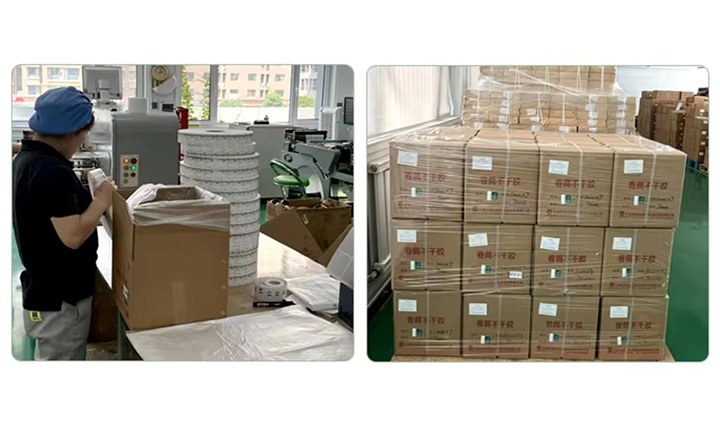
Our production phase is exceptionally fast, with most orders completed in just 2 to 3 days. We then dispatch your labels with free worldwide shipping, ensuring delivery within 5 to 7 business days. We understand that projects come in all sizes, which is why we have no minimum order quantity. Whether you need a small batch for a new product launch or a large order for a major retailer, Custom Panda has the expertise and capacity to deliver outstanding, professional-grade oil-resistant jar labels. Choose Custom Panda to ensure your products stay beautifully labeled, even with the oiliest contents.