What Are Glass Bottle Labels?
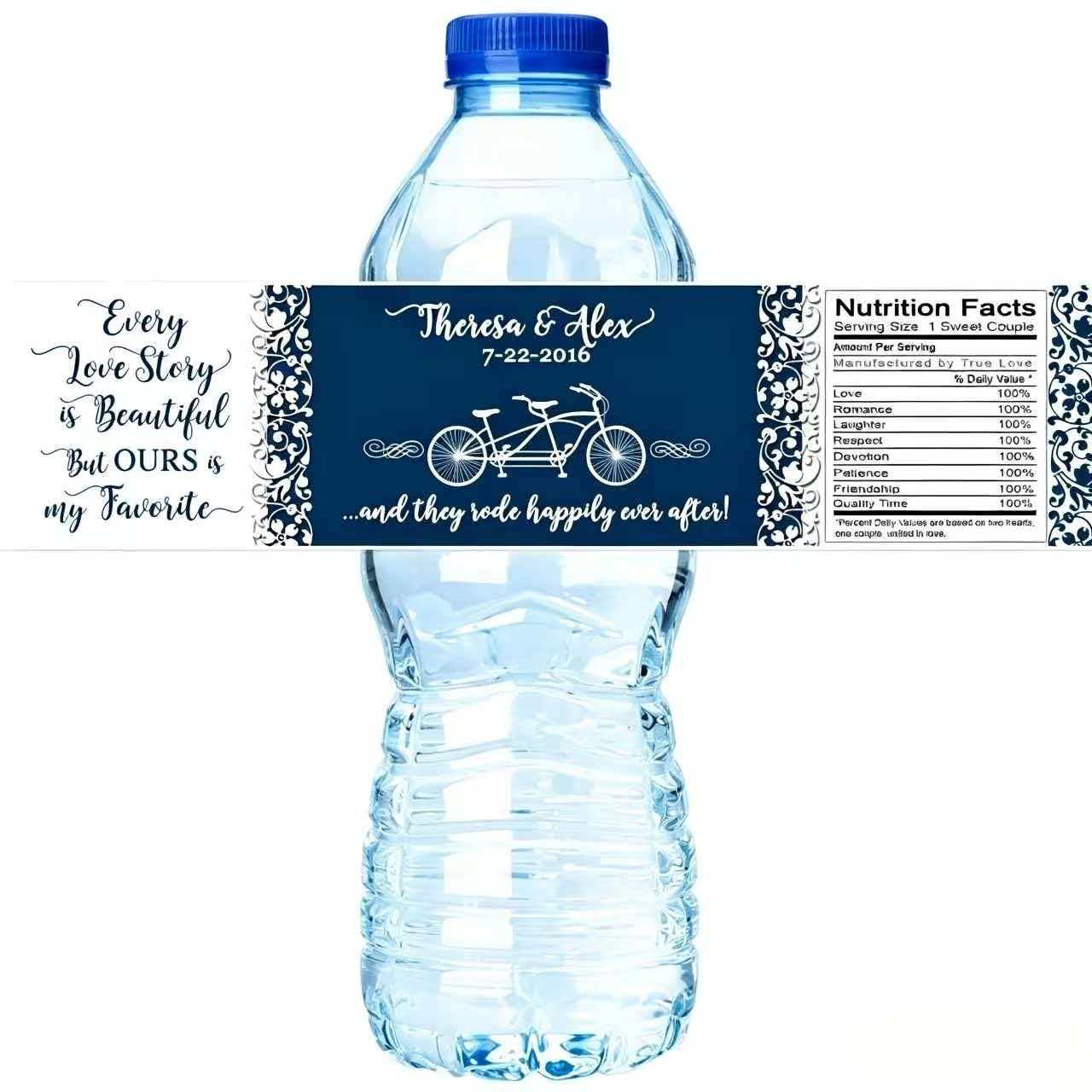
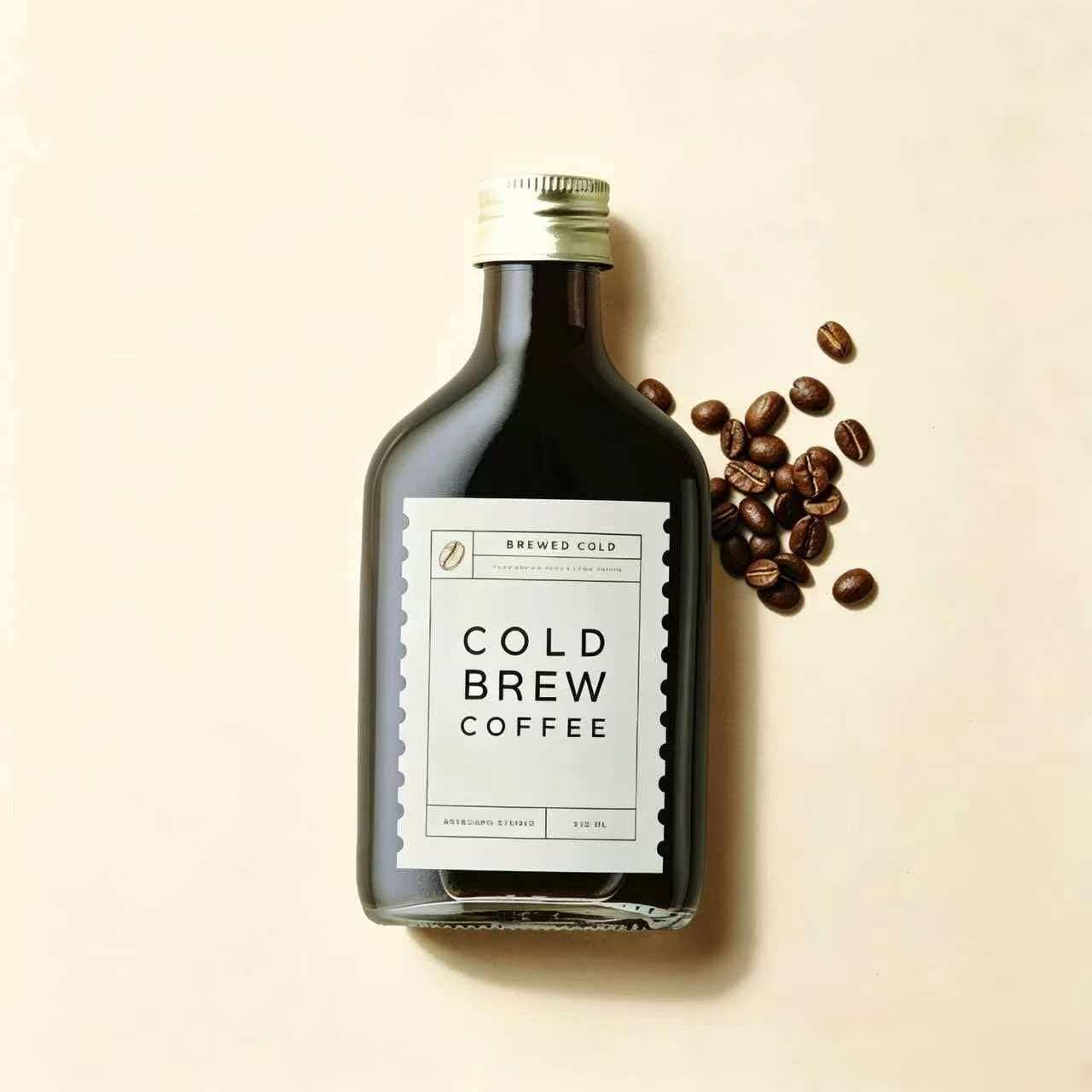
Glass bottle labels are specialized self-adhesive identifiers engineered specifically for application onto glass containers, including wine bottles, olive oil bottles, craft beer bottles, and serum vials. These labels utilize high-transparency or matte face materials that complement the premium aesthetic of glass packaging, while the adhesive systems are formulated to deliver crystal-clear, invisible bonding that does not detract from the product's visual appeal. Unlike labels for plastic or paper substrates, glass bottle labels must perform reliably in challenging environments, including ice buckets, condensation-prone refrigeration, and high-humidity storage conditions. The combination of elegant materials, precise die-cutting, and specialized adhesives makes these labels essential for products where packaging quality directly influences consumer perception of brand value and product premiumness.
Types of Glass Bottle Labels
Glass bottle labels can be categorized by face material, adhesive characteristics, and application method, each offering distinct benefits for specific glass packaging applications. By face material, transparent film labels made from clear PP or PET are the preferred choice for "no-label" look applications, allowing the product color and glass clarity to show through while providing crisp, vibrant graphics. Matte film labels offer a sophisticated, tactile finish that reduces glare and provides a premium, understated aesthetic commonly used for high-end wine and spirits. White opaque film labels deliver maximum color vibrancy and contrast, ideal for products requiring bold brand colors and high visibility on dark or colored glass. Coated paper labels with special varnishes provide a classic, natural feel for traditional wine and olive oil brands, combining printability with a handcrafted aesthetic when paired with textured paper options. By adhesive characteristics, permanent high-tack adhesives ensure reliable bonding to glass surfaces, resisting edge lifting and even wash-off in ice water immersion. Freezer-grade adhesives maintain performance at temperatures as low as -18°C, essential for products stored in frozen or refrigerated environments. Wet-strength adhesives are formulated for high-humidity and condensation conditions, maintaining bond integrity despite the moisture exposure common in ice buckets and refrigeration. By application method, pressure-sensitive labels are the most versatile, applied with automated or manual equipment at room temperature. Pressure-sensitive labels are also applied using simple mechanical pressure and are suitable for both automated high-speed lines and manual application for small-batch or artisanal products. Shrink sleeve labels on glass bottles, while less common, are occasionally used for full-body decoration and tamper evidence.
Features of Glass Bottle Labels
The core features of modern glass bottle labels address the unique challenges and opportunities of glass packaging. The face materials are engineered to provide exceptional clarity and color reproduction, with transparent and clear PP or PET films delivering vivid, high-resolution graphics that appear to float on the glass surface, enhancing product visibility and appeal. Matte finishes reduce light reflection and fingerprints, providing a tactile, premium feel that elevates the perceived quality of wine, spirits, and cosmetics. The adhesive systems are optically clear, ensuring invisible bonding without bubbles or yellowing over time, preserving the pristine appearance of the glass container. These adhesives are formulated to resist moisture, condensation, and ice water immersion, maintaining reliable adhesion throughout the product's journey from cold storage to serving. The adhesives also enable clean removability when required, facilitating label removal for bottle return schemes and ensuring efficient glass recycling without leaving adhesive residue that could contaminate the recycling stream. The print performance supports intricate designs, including metallic foils, embossing, and tactile varnishes, enabling premium decoration techniques that convey craftsmanship and quality. In 2026, sustainable innovations include bio-based films, reduced liner weights, and adhesives optimized for clean wash-off in recycling processes, helping brands meet increasingly stringent environmental regulations and consumer expectations.
Functions of Glass Bottle Labels
Glass bottle labels perform essential functions that are critical to brand success, regulatory compliance, and consumer experience in the beverage, food, and cosmetic sectors. Their primary function is brand storytelling and premium positioning, conveying heritage, craftsmanship, and quality through elegant design, special finishes, and high-quality materials that justify premium pricing and foster brand loyalty. Their second function is providing regulatory and product information, including alcoholic content, nutritional facts, ingredient declarations, allergen warnings, country of origin, batch codes, and barcodes, with the durability required to remain legible despite repeated handling, moisture exposure, and cold environments. Their third function is tamper evidence and authentication, with features such as void-effect materials that show obvious tampering upon removal, holographic foils for brand protection, and unique QR codes or serial numbers for traceability and authentication, helping combat counterfeiting in premium categories. Their fourth function is consumer engagement and digital connectivity, with QR codes, NFC tags, or augmented reality markers linking consumers to immersive content, including vineyard tours, cocktail recipes, brand heritage stories, and sustainability information, creating memorable brand experiences that extend beyond the physical product. Their fifth function is sustainability communication, with labels conveying information about product origins, certifications, and environmental credentials, helping consumers make informed choices and brands demonstrate their commitment to environmental responsibility.
Top Glass Bottle Labels in 2026
Several innovative glass bottle label solutions have achieved market leadership across different application categories in 2026. Avery Dennison's Clear PP with S496 adhesive is the premier choice for clear-label wine and spirit applications, offering exceptional transparency, condensation resistance, and a "no-label" look that showcases the product while providing reliable wet adhesion in refrigerated and ice-bucket conditions. UPM Raflatac's Wine Label range, featuring various textured papers and clear films, remains the benchmark for premium wine and olive oil labeling, offering sophisticated aesthetics with proven performance in challenging cellar and serving conditions. 3M's optically clear adhesive with PET film is the leading solution for high-end cosmetic and serum glass bottles, delivering invisible, bubble-free bonding that does not compromise the luxurious appearance of the packaging. CCL Industries' premium decorated labels, with capabilities including hot stamping, embossing, and tactile varnishes, are widely adopted for ultra-premium spirits and limited-edition products requiring exceptional visual impact. And the growing category of sustainable glass labels, such as the UPM Raflatac with their Forest Sense materials and certified sustainable paper options, represents the 2026 trend toward environmental responsibility without compromising premium aesthetics or performance. These products exemplify the continuous innovation in materials, adhesives, and decoration techniques that define the premium glass labeling sector.
How to Select Glass Bottle Labels
Selecting the right glass bottle label requires a comprehensive evaluation of application conditions, aesthetic requirements, and environmental considerations. The first dimension is surface condition assessment: determine whether your glass bottles have any surface coatings, mold-release agents, or treatments that could affect adhesive bonding. Clean, untreated glass typically provides the best adhesion, while coated or treated surfaces may require specific adhesives to ensure reliable bonding. The second dimension is application environment consideration: evaluate the temperature and humidity conditions during filling, labeling, storage, and retail display. Hot-fill applications require heat-resistant labels, while cold-filled products destined for refrigerated display or ice-bucket service demand freezer-grade adhesives with low-temperature performance. The third dimension is end-use exposure evaluation: assess the moisture, handling, and environmental conditions the labeled bottle will encounter. Olive oil bottles may require oil-resistant labels, while wine bottles destined for ice buckets demand moisture-resistant adhesives that maintain bond integrity in condensation and ice water. The fourth dimension is aesthetic and design requirements: define the desired visual effect, including transparency, matte or gloss finish, special colors, metallic foils, and tactile effects. Material selection and decoration techniques should align with the brand positioning and target market expectations. The fifth dimension is sustainability and recycling considerations: evaluate the label's impact on glass recycling and the availability of eco-friendly materials. Wash-off adhesives that separate cleanly in recycling streams and bio-based or recycled content materials are increasingly important for meeting regulatory and retailer requirements. The sixth dimension is cost optimization: consider total cost of ownership, including material costs, application efficiency, scrap rates, and the value of enhanced shelf appeal and consumer perception that premium label solutions provide.
Glass Bottle Labels Size Guide
Glass bottle label dimensions are determined by the bottle geometry, aesthetic vision, and functional requirements of the application. For standard wine bottles, the front label typically covers 30% to 50% of the visible bottle front area, with dimensions ranging from 80mm × 100mm to 110mm × 150mm, while the back label (or information label) is slightly smaller, typically 60mm × 80mm to 80mm × 120mm. For olive oil bottles, the main label often covers 40% to 60% of the front surface, ranging from 90mm × 120mm to 140mm × 200mm, depending on bottle size and design. For craft beer bottles, the front label typically sizes 40mm × 60mm to 70mm × 100mm, with neck labels providing additional branding or promotional space. For serum and cosmetic glass bottles, label dimensions are highly variable, typically covering 30% to 70% of the bottle surface, with common ranges of 20mm × 40mm to 60mm × 120mm. Across all applications, several design guidelines apply: maintain a minimum clearance of 3mm to 5mm from bottle edges, contours, and any embossing, ensuring smooth, wrinkle-free application without interference from bottle handling or gripping. For curved bottle surfaces, consider using flexible materials and adhesives designed for conformability to prevent lifting at bottle edges. For extremely small-diameter bottles, labels may be designed to wrap around the bottle circumference with a 3mm to 5mm overlap for complete coverage.
How to Customize Glass Bottle Labels
Customizing glass bottle labels involves a collaborative, quality-focused process that ensures both aesthetic excellence and reliable performance. The initial step is design concept development: create or refine your label artwork with consideration for the bottle shape, label dimensions, and desired visual effects, including colors, finishes, and any special effects such as metallic foils or embossing. Provide files in appropriate formats (AI, PDF, CDR) with correct bleed and safety margins. The second step is material and adhesive consultation: work with your supplier to select the optimal face material (clear PP, matte PET, textured paper, or others) and adhesive system (permanent, freezer-grade, wash-off) based on your specific bottle and application requirements. Request material data sheets and samples for evaluation. The third step is prototype production: request application prototypes using your actual bottles to verify visual appearance, adhesion, and performance under simulated use conditions, including moisture resistance, temperature cycling, and handling durability. The fourth step is tooling and production: for pressure-sensitive labels, fabricate die-cutting cylinders and print plates using your approved artwork and material specifications; for premium finishes, prepare the necessary foiling, embossing, or varnishing equipment. The fifth step is quality assurance: establish inspection criteria covering dimensional tolerances, print accuracy, color matching, adhesive coverage, and finish quality, with testing throughout production to ensure consistency and compliance. The sixth step is final verification: upon completion, conduct final random inspections, including accelerated aging and performance tests, to confirm that the labels meet all specifications and requirements before shipping.
Supplier of Glass Bottle Labels
The global glass bottle label supply chain features specialized material manufacturers, converting specialists, and integrated service providers across different market segments. Avery Dennison is the market leader in self-adhesive materials for glass labels, with comprehensive portfolios including clear films for no-label looks, specialty paper for premium wine labels, and advanced adhesives for moisture and low-temperature applications. UPM Raflatac offers extensive material ranges for wine, spirits, and specialty glass applications, with strong emphasis on sustainable material solutions, including FSC-certified papers and bio-based films with reduced environmental impact. CCL Industries is the global leader in premium label converting, with capabilities for complex decoration techniques, fine-line foiling, embossing, and tactile varnishes, serving ultra-premium spirits, wine, and cosmetic brands. 3M provides optically clear adhesives and high-performance materials for demanding applications, including cosmetics, serums, and specialty chemicals requiring invisible bonding and durability. Custom Panda is your dedicated partner for premium glass bottle labels, offering comprehensive services from design consultation and material selection through precision production and global delivery. Our technical expertise in glass labeling, including proprietary adhesive solutions for challenging conditions, combined with our commitment to quality and sustainability, makes us the preferred choice for brands seeking to elevate their glass packaging and connect with consumers through premium labeling.
About Custom Panda
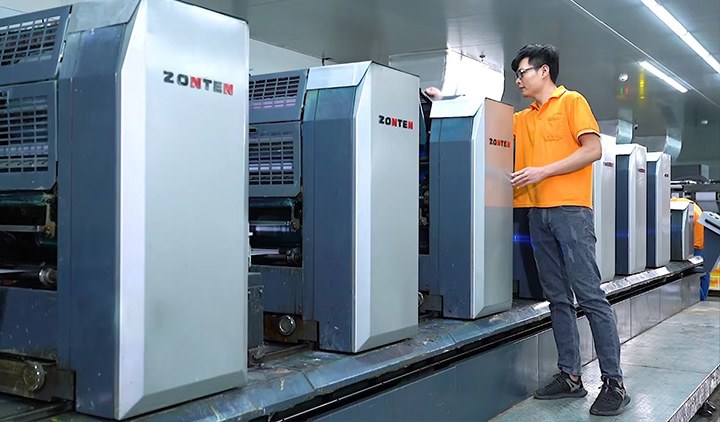
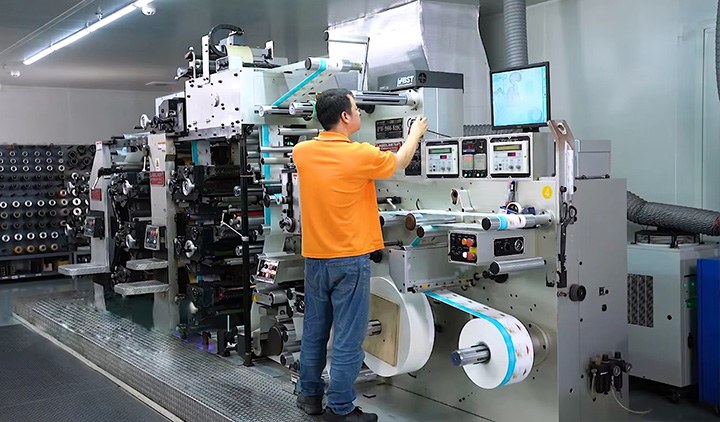
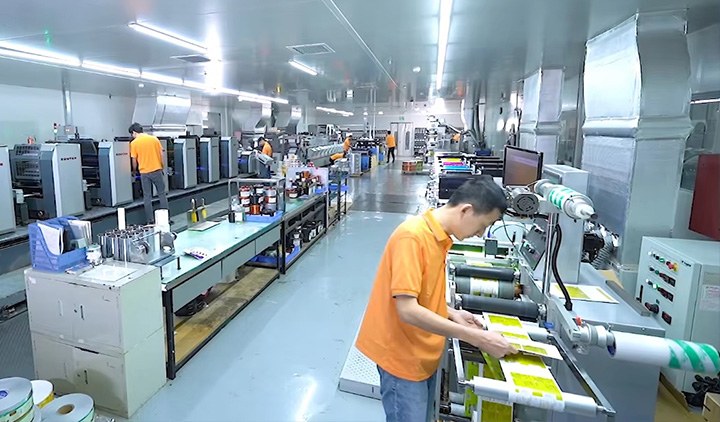
Custom Panda is a leading provider of premium packaging label solutions with specialized expertise in glass bottle labeling across wine, spirits, olive oil, craft beverages, and cosmetics. Our advanced manufacturing capabilities include high-speed flexo printing, digital prototyping, rotary die-cutting, and extensive finishing options, including cold and hot foiling, embossing, screen printing, and tactile varnishes, enabling us to deliver labels that meet the highest aesthetic and performance standards for the most demanding applications. Our technical team offers comprehensive consultation on material selection, adhesive engineering, design optimization, application support, and sustainability guidance, ensuring your labels perform reliably throughout the product lifecycle and align with your brand values. We provide rapid prototyping with digital proofing available in as little as 12 hours, accelerated production with typical lead times of 2 to 3 days after approval, and reliable global shipping, enabling agile market response and timely product launches. Our proprietary adhesive formulations address common glass labeling challenges including moisture resistance, condensation adhesion, clean removability, and performance in refrigerated and ice-bucket environments. Every label represents an opportunity to create meaningful consumer connections and elevate your brand, and we are committed to delivering excellence through continuous innovation, quality manufacturing, and dedicated customer service. Contact Custom Panda today to discuss your glass bottle labeling requirements and experience the difference of true end-to-end service and technical expertise.