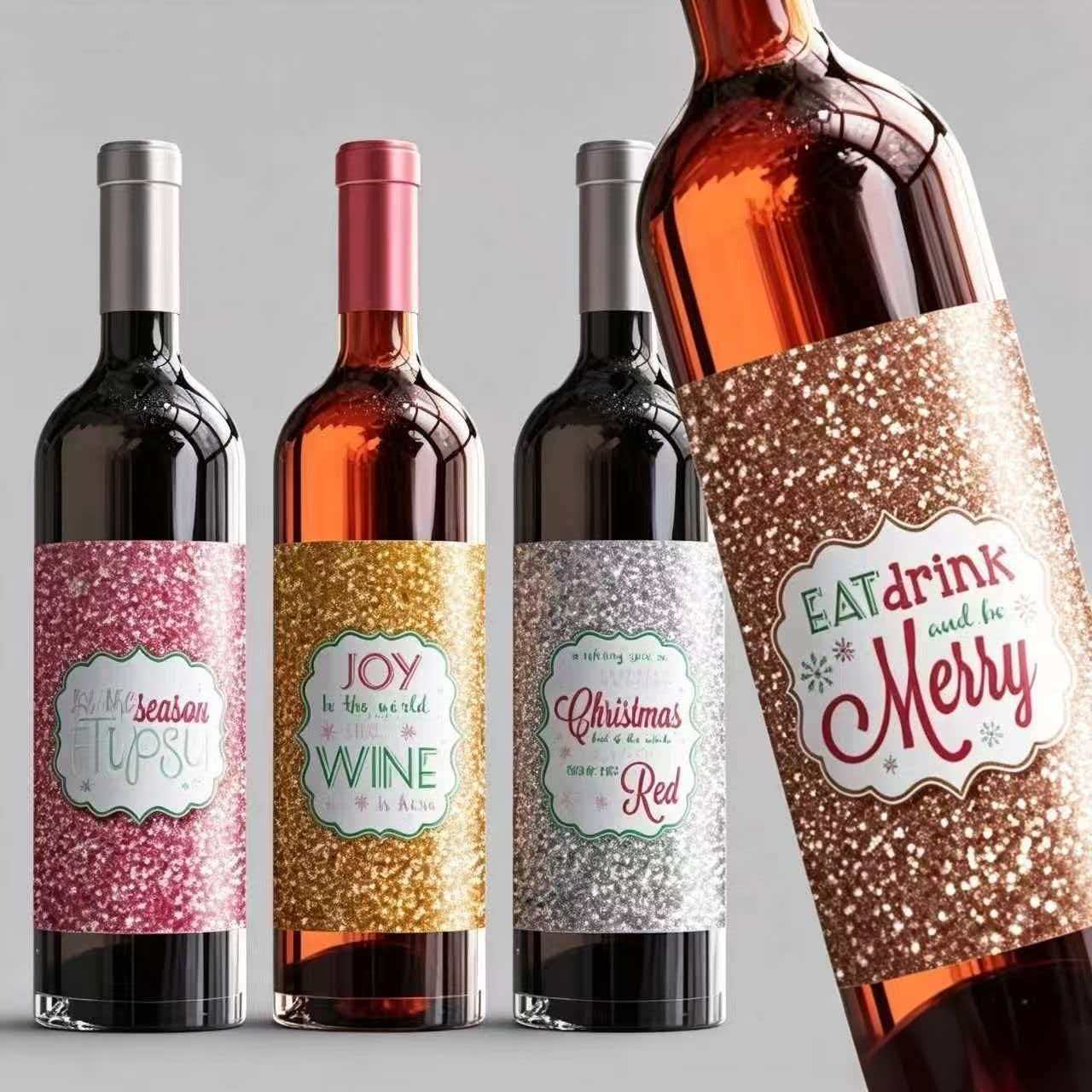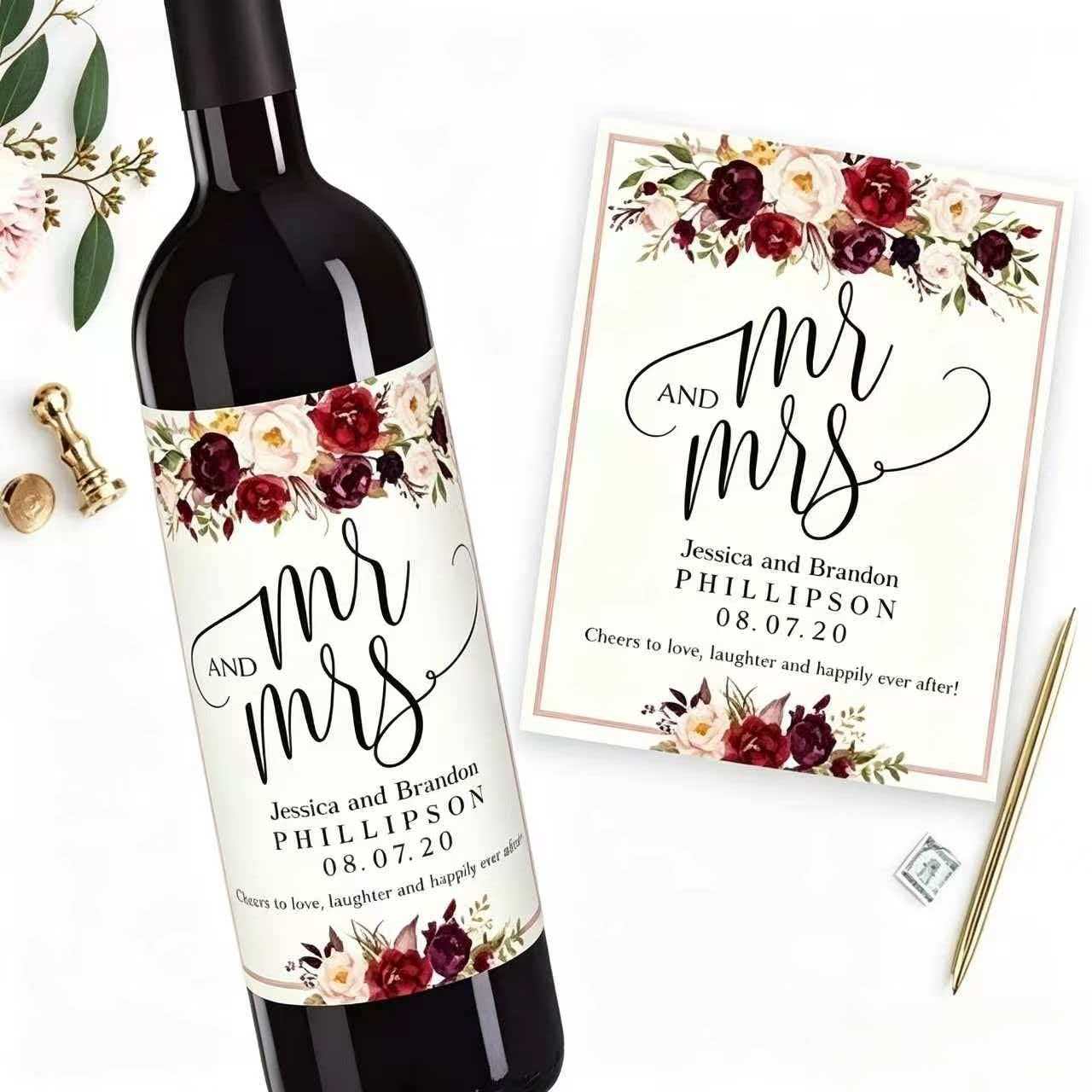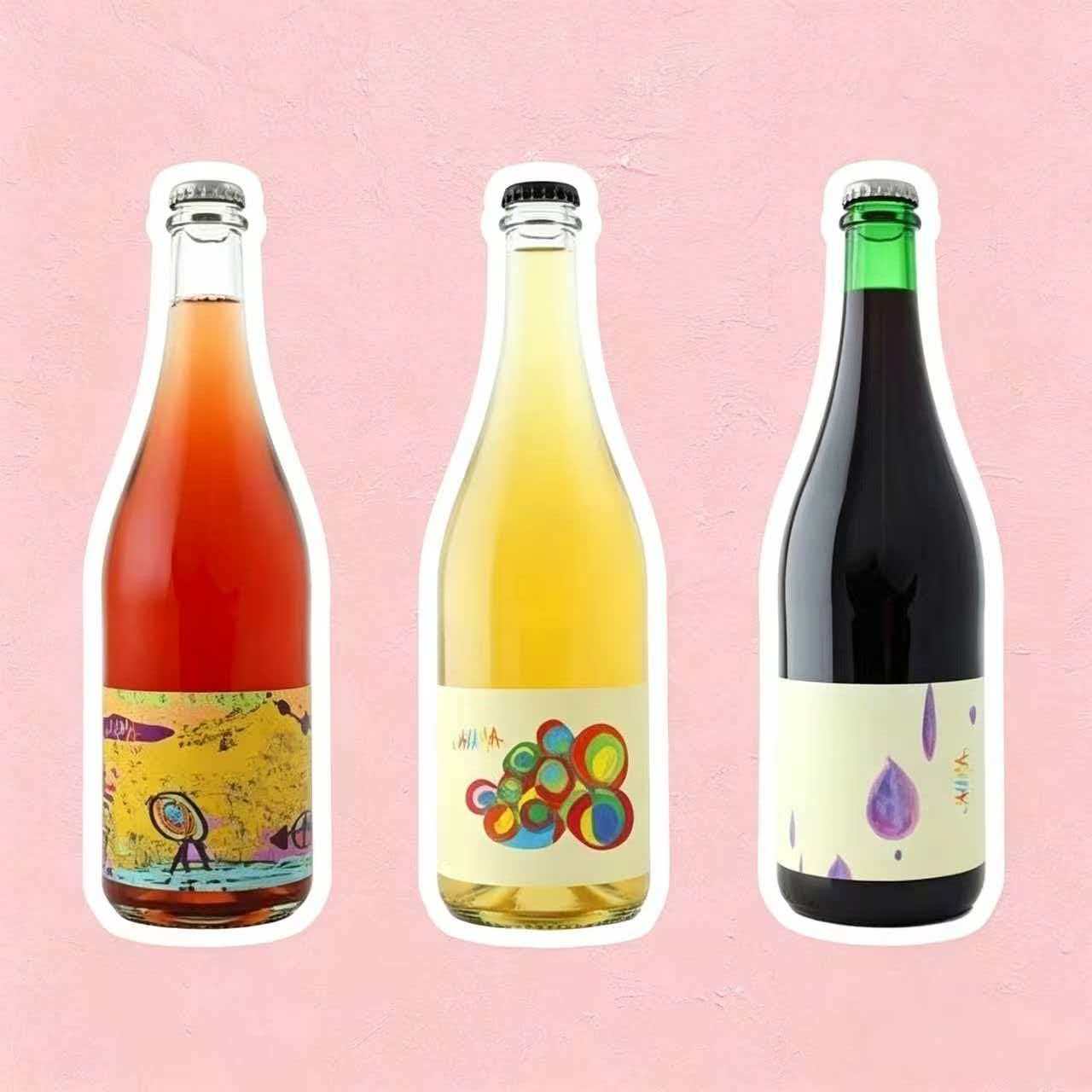
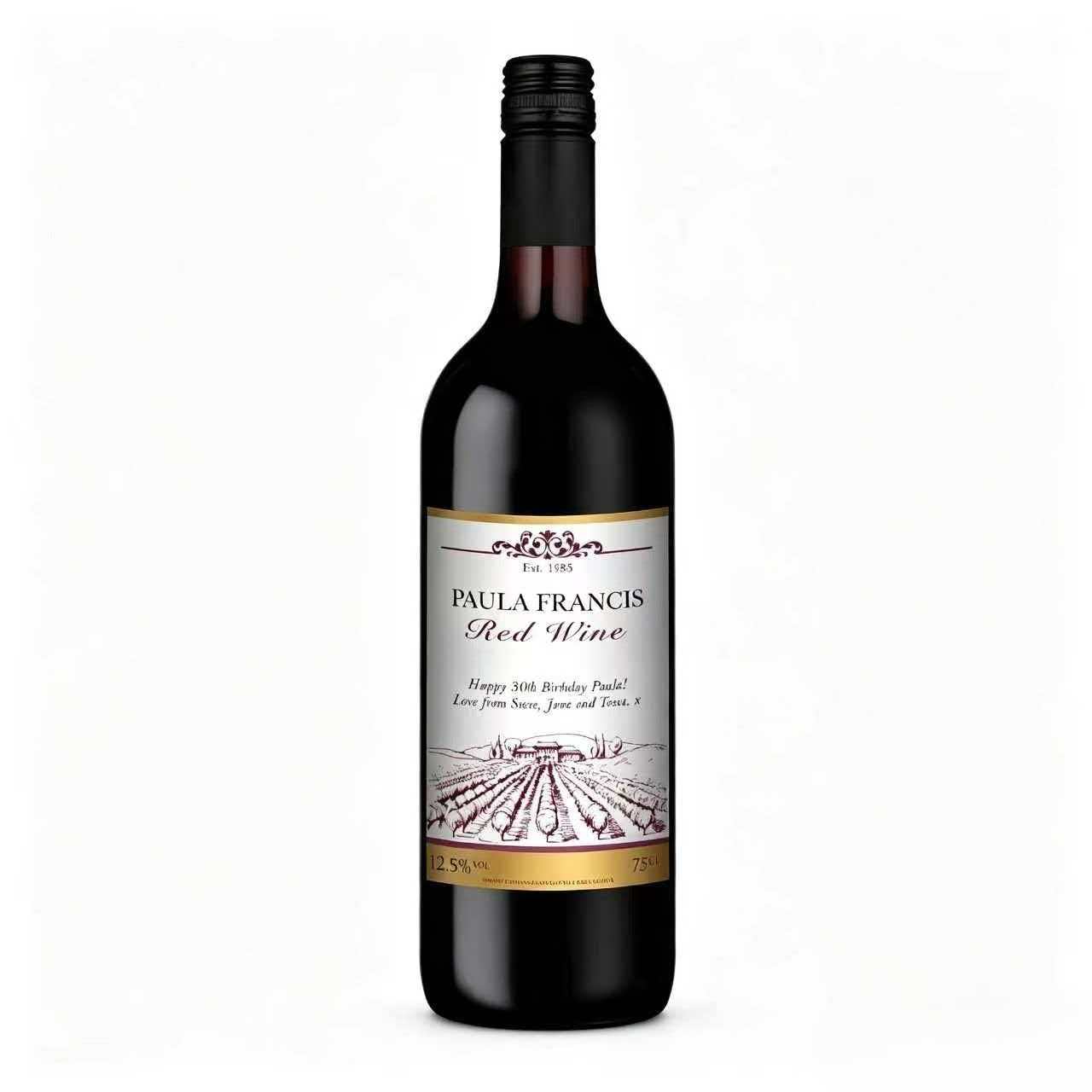


What are Red Wine Bottle Labels?
Red wine bottle labels are specialized adhesive labels designed specifically for application on bottles of red wine. They are much more than simple identifiers; they are a critical element of the wine's branding and marketing, serving as the primary visual communicator of the wine's character, heritage, and quality. These labels are engineered to convey the richness, complexity, and depth often associated with red wines, using design elements like deep, rich colors, metallic foils, and textured finishes to create a sense of tradition, luxury, and sophistication. They are crafted from materials that can withstand the typical wine cellar environment, including variations in temperature and humidity, as well as the condensation that occurs when a bottle is placed in an ice bucket or refrigerator.
The red wine market is vast and highly competitive, making the label a crucial factor in a consumer's purchasing decision. A well-designed label can evoke the specific varietal character, whether it's a bold Cabernet Sauvignon, a delicate Pinot Noir, or a robust Syrah. It must also reflect the wine's origin and the producer's story, using visual cues like traditional crests, elegant typography, or regional motifs. At Custom Panda, we understand that creating a red wine label is about capturing the essence of the wine itself and translating it into a visual story that resonates with consumers.
Types of Red Wine Bottle Labels
Red wine bottle labels come in various types, each offering a different aesthetic, tactile feel, and level of durability. One of the most popular types is the textured paper label, often using materials like laid paper, felt-marked paper, or cotton paper. These papers have a distinct, tactile quality that conveys a sense of tradition and quality. They absorb ink beautifully, creating rich, matte colors. Textured paper is a classic choice for high-end and traditional wine brands, as it evokes the feel of fine stationery and artisanal craftsmanship. The texture can be subtle or pronounced, depending on the desired effect.
Another prevalent type is the foil-stamped label. This type uses a metallic foil, often gold or silver, applied to the label through a heat-stamping process. The result is a shiny, reflective design element that conveys luxury and prestige. Foil stamping is often used for the brand name, vintage year, or a decorative border. It catches the light and draws the eye, making the bottle stand out on the shelf. This type is highly effective for premium red wines and limited editions. The combination of foil stamping and a textured paper base is a classic and powerful design combination.
A more contemporary and highly durable type is the film-based label, typically made from polypropylene (PP) or polyester (PET). These labels are waterproof, tear-resistant, and exceptionally durable. They are an excellent choice for red wines that are expected to be placed in ice buckets or handled frequently, as they will not become wrinkled or damaged by condensation. The film can be clear or opaque and can be printed with high-quality graphics. Matte film labels offer a sophisticated, non-reflective look, while gloss film labels provide a vibrant, high-impact finish.
Features of Red Wine Bottle Labels
The most defining feature of red wine bottle labels is their ability to convey a sense of tradition, quality, and heritage. The design language often uses classic elements like serif fonts, crests, coats of arms, and illustrations of the vineyard or chateau. The color palette typically includes rich, deep tones like burgundy, black, gold, and forest green, which are associated with the wine's robust character. The use of textured papers and foil stamping adds a tactile dimension that reinforces the perception of craftsmanship and value.
Another critical feature is their ability to withstand the conditions of the wine cellar and service. Wine cellars can be cool and damp, and service often involves placing the bottle in an ice bucket. The label must be resistant to moisture and mildew. High-quality red wine labels use adhesives that are resistant to humidity and cold, and the paper or film must be able to withstand these conditions without wrinkling, peeling, or discoloring. This durability is essential for maintaining the bottle's presentation over time.
Red wine labels also offer excellent print quality, allowing for intricate designs and detailed imagery. They can accommodate complex illustrations, fine typography, and subtle color gradients. This high print quality is essential for the detailed and nuanced design that is characteristic of a premium label. The surface can also be enhanced with special coatings or varnishes to protect the print and add a premium feel.
Functions of Red Wine Bottle Labels
The primary function of a red wine label is to attract the consumer's attention on a crowded shelf and to communicate the wine's story and quality. The label is often the deciding factor in a purchase, especially for consumers who are not familiar with the specific producer. A label that conveys a sense of history, craftsmanship, and quality can persuade a consumer to choose it over a competitor.
They also serve a crucial function in providing essential product information, which is required by law and also important to the consumer. This includes the wine's name, the producer's name, the vintage, the appellation, the grape variety or blend, and the alcohol content. It must also include any relevant identification numbers and warnings. This information must be presented clearly and elegantly, often integrated seamlessly into the design.
Furthermore, red wine labels function as a key tool for brand building and marketing. A distinctive, high-quality label builds brand recognition and loyalty over time. It contributes to the overall image of the winery and can justify a higher price point. For many wine lovers, the label is an integral part of the wine experience, and a beautiful label adds to the enjoyment of the wine.
Top 3 Red Wine Bottle Labels in the Year 2026
Based on current trends, the top three types in 2026 are sustainable paper labels, premium foil-stamped film labels, and innovative interactive labels. Sustainable paper labels are a top choice, using eco-friendly materials. These labels are made from recycled paper and use natural, biodegradable adhesives. They appeal to a growing segment of environmentally conscious consumers. These labels still provide the classic, refined look expected for red wines.
Premium foil-stamped film labels are the definitive choice for luxury red wines. The combination of metallic foil with the durability of film creates a label that is both visually stunning and highly functional. The film ensures the label remains pristine even after being in an ice bucket. These are used for ultra-premium and reserve wines.
Innovative interactive labels are a new and exciting category. They incorporate a QR code or NFC chip that, when scanned, provides a rich digital experience, such as a video of the vineyard, tasting notes, or a virtual tour. This technology is being increasingly adopted by wineries to connect with younger consumers and provide a more immersive brand experience. This is a key trend for forward-thinking brands.
How to Select Red Wine Bottle Labels
Selecting the right red wine label requires careful consideration of the wine's positioning, the target audience, and the intended use. The first factor is the brand's identity and the wine's story. A classic Bordeaux-style wine would be best served by a traditional textured paper label with elegant typography, while a modern, bold Californian wine might suit a film label with a striking, minimalist design. The label's design must be a reflection of the wine itself.
The second factor is the functional requirements. Will the wine be sold in a retail environment or primarily through a wine club? Will it be served in restaurants and potentially placed in an ice bucket? These considerations will determine the need for a durable, moisture-resistant film label. A winery that primarily sells through its tasting room may prioritize the aesthetic and tactile feel of a textured paper over maximum durability.
The third factor is the budget. Textured papers, foil stamping, and other embellishments are more expensive than standard paper labels. It is important to balance the desire for a premium look with the cost. The design and material choices should be strategic investments that maximize the wine's appeal and perceived value. Working with a manufacturer who can provide guidance on material selection and cost is essential.
Red Wine Bottle Labels Size Guide
The size of a red wine bottle label is determined by the bottle's dimensions and the amount of information it must display. Standard red wine bottles, like a Bordeaux or Burgundy, typically feature a main front label and a smaller back label. The front label usually ranges from 3.5 inches to 4.5 inches in height and 4 inches to 5 inches in width. The back label is often smaller, around 2 inches by 3 inches, and contains legal and technical information. The specific dimensions should be carefully designed to fit the bottle's shape and the design vision.
How to Customize Red Wine Bottle Labels
Customizing these labels is a creative process that begins with a clear design brief. The first step is to create the artwork, including the brand logo, the wine's name, vintage, and all legally required information. The design should be a reflection of the wine's character. This often involves working with a professional designer.
Next, the specific materials and finishes are selected. The choice of paper or film, texture, and finishing techniques like foil stamping, embossing, or varnishes are made. After the design is approved, a digital proof is created. This proof is a final verification of the design and text. Once approved, the labels are printed.
Supplier of Red Wine Bottle Labels
An ideal supplier for red wine labels must have a deep understanding of the wine industry and the importance of branding. They should offer a wide range of high-quality papers and films and advanced printing techniques. They should also provide expert guidance on material selection and production.
Custom Panda: Your Partner in Custom Labels
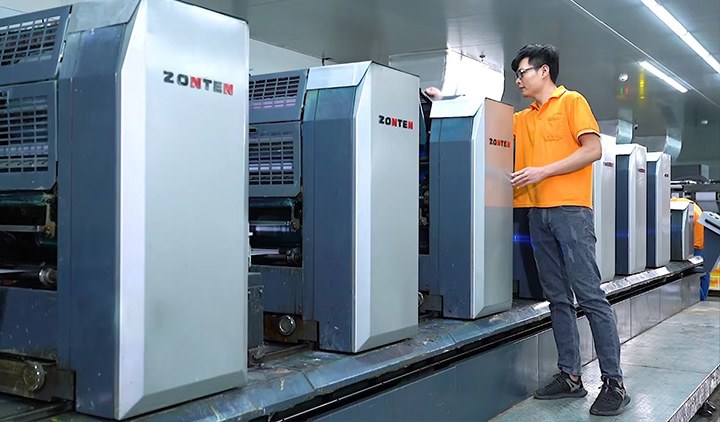
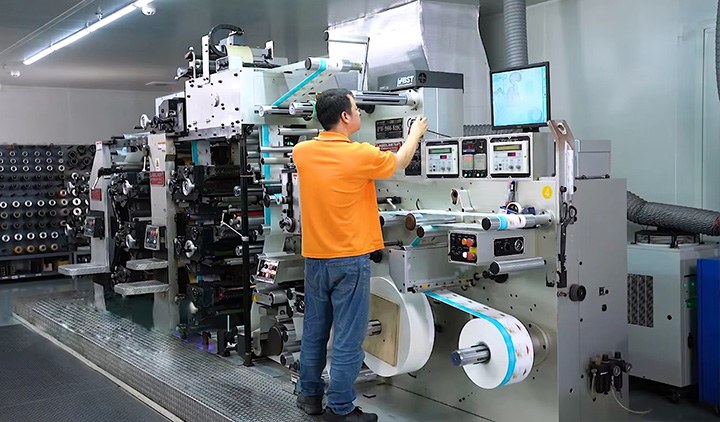
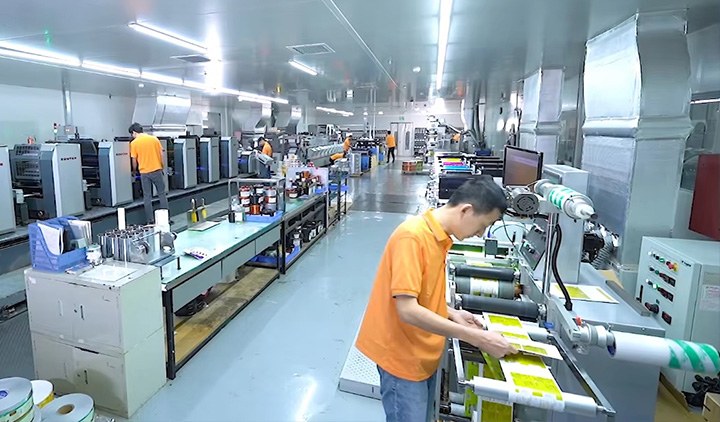
Custom Panda is a premier manufacturer and a trusted partner for high-quality custom label solutions. As a factory-direct supplier, we offer premium products at competitive, cost-effective prices, saving you up to 30% on your orders. Our commitment to exceptional quality, speed, and customer service has made us the preferred choice for businesses of all sizes.
We specialize in a comprehensive range of custom labels, including red wine labels, white wine labels, and champagne labels. Our streamlined process is designed for your convenience and satisfaction. We offer free design assistance to help perfect your artwork, and we provide a free digital proof within 12 hours of receiving your design, ensuring you are completely satisfied before we start production.
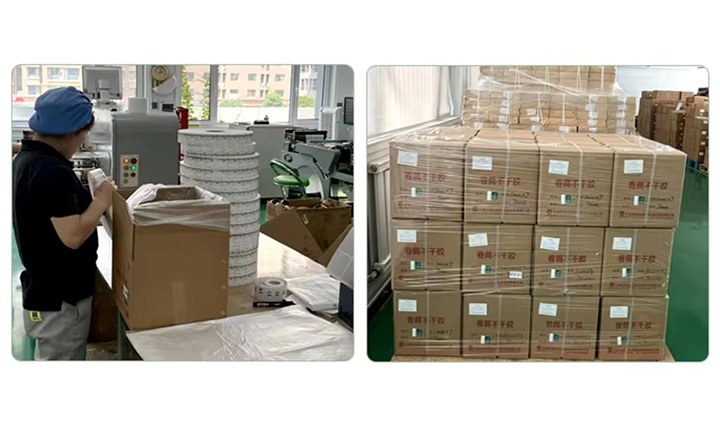
Our production phase is exceptionally fast, with most orders completed in just 2 to 3 days. We then dispatch your labels with free worldwide shipping, ensuring delivery within 5 to 7 business days. We understand that projects come in all sizes, which is why we have no minimum order quantity. Whether you need a small batch for a new vintage or a large order for a major release, Custom Panda has the expertise and capacity to deliver outstanding, professional-grade red wine bottle labels. Choose Custom Panda for labels that capture the essence of your wine.