

What Are Custom Laboratory Thermal Labels
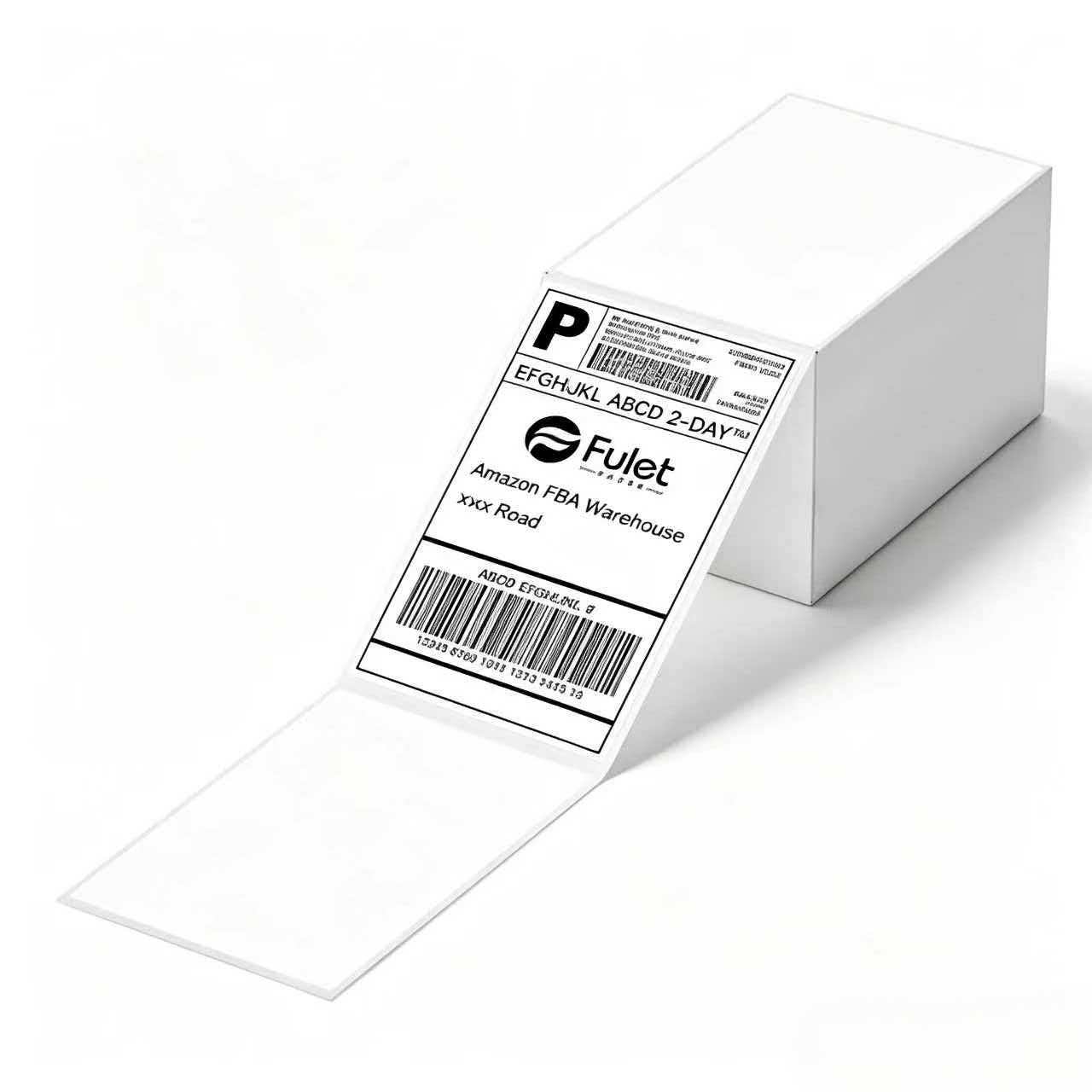
Custom laboratory thermal labels are specialized identification tags designed specifically for the unique demands of scientific research, medical laboratories, and healthcare facilities. These labels are engineered to withstand the challenging conditions of laboratory environments, including exposure to chemicals, extreme temperatures, moisture, and sterilization processes. Unlike standard labels that can degrade, fade, or lose adhesion when exposed to laboratory conditions, thermal laboratory labels maintain their integrity, legibility, and adhesion throughout the research process. The result is a label that ensures critical sample information including sample numbers, dates, experiment details, and patient information remains clear and readable, supporting accurate research, patient safety, and regulatory compliance. In the scientific community, where sample integrity and traceability are paramount, these labels are essential for maintaining the accuracy and reliability of research data. A single mislabeled sample can compromise years of research or lead to incorrect patient diagnoses, making reliable labeling a critical component of laboratory operations.
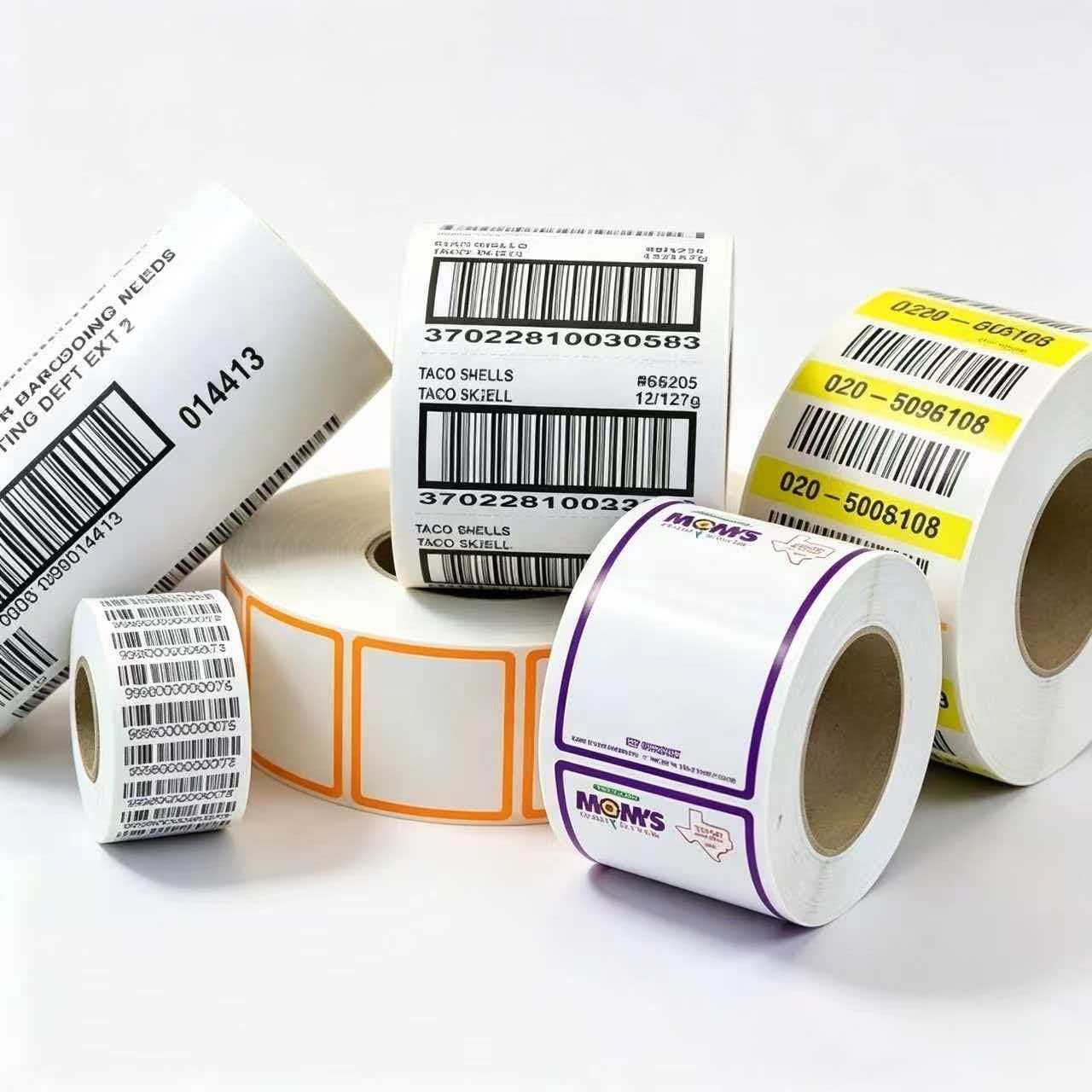
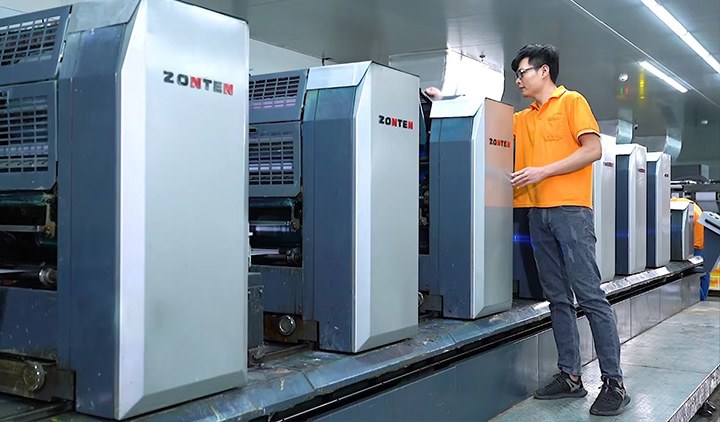
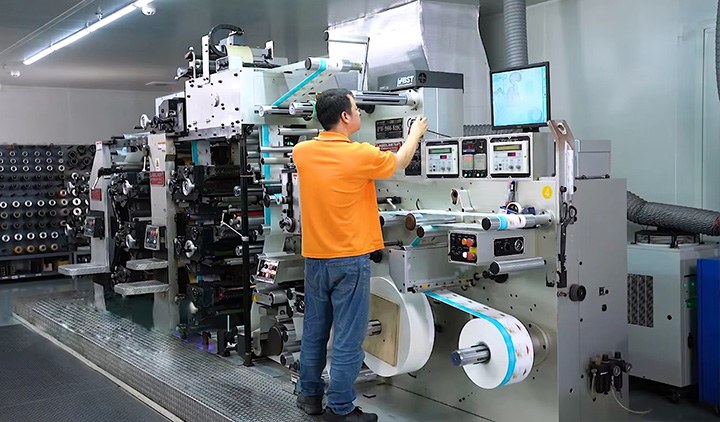
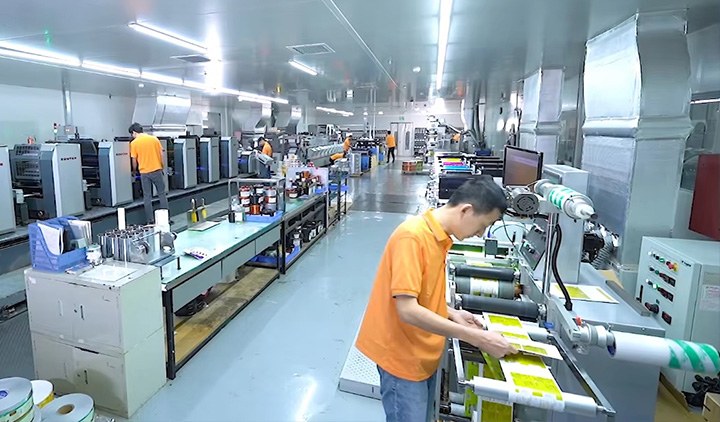
The manufacturing process for laboratory thermal labels involves using specialized materials that resist chemicals, moisture, and temperature extremes while maintaining print clarity. The labels are produced using thermal printing technology that provides clear, legible text and barcodes on demand, enabling researchers to print labels exactly when they are needed. The adhesives are formulated to maintain their bond on various laboratory surfaces including glass, plastic, and metal, even when exposed to chemicals and temperature changes that would cause standard adhesives to fail. The result is a label that provides reliable sample identification and tracking throughout the research process, from sample collection through storage and analysis. The precision of the manufacturing process ensures consistent quality across all labels, making them reliable for critical laboratory applications where label failure is not an option.
Laboratory thermal labels have become essential in scientific research and healthcare facilities. From pharmaceutical research and clinical diagnostics to academic research and environmental testing, these labels enable accurate sample tracking, reduce errors, and support regulatory compliance. The ability to print labels on demand with accurate, legible information has revolutionized laboratory operations, improving efficiency and reducing the risk of sample misidentification. The labels must also meet strict regulatory requirements including FDA, ISO, and CLIA standards, making them a critical component of laboratory quality management systems.
Types of Custom Laboratory Thermal Labels
Cryogenic labels are designed for samples stored at ultra-low temperatures in liquid nitrogen or freezers, maintaining adhesion and legibility at temperatures as low as -196°C. These labels are essential for long-term sample storage in biobanks, DNA repositories, and research facilities where samples may be stored for decades. The extreme temperature resistance ensures reliable identification even in the most demanding cold storage conditions, and the labels are specifically formulated to remain flexible and adhesive at cryogenic temperatures where standard labels would become brittle and fail.
Chemical-resistant labels are designed to withstand exposure to laboratory chemicals, solvents, and cleaning agents, maintaining their appearance through chemical exposure. These labels are essential for laboratory applications where samples are processed with solvents, acids, bases, and other reactive chemicals. The chemical stability ensures long-term legibility and protects critical sample information from degradation.
Sterilization-resistant labels are designed to withstand autoclave and sterilization processes, maintaining adhesion through high-temperature sterilization. These labels are essential for medical and research applications where samples and equipment must be sterilized. The heat resistance ensures reliable identification and maintains label integrity through repeated sterilization cycles.
Microscope slide labels are designed specifically for microscope slide identification, being thin and clear for unobstructed viewing. These labels are essential for histology and pathology applications where clear slide identification is critical for accurate diagnosis. The thin profile ensures compatibility with microscope stages and does not interfere with sample viewing.
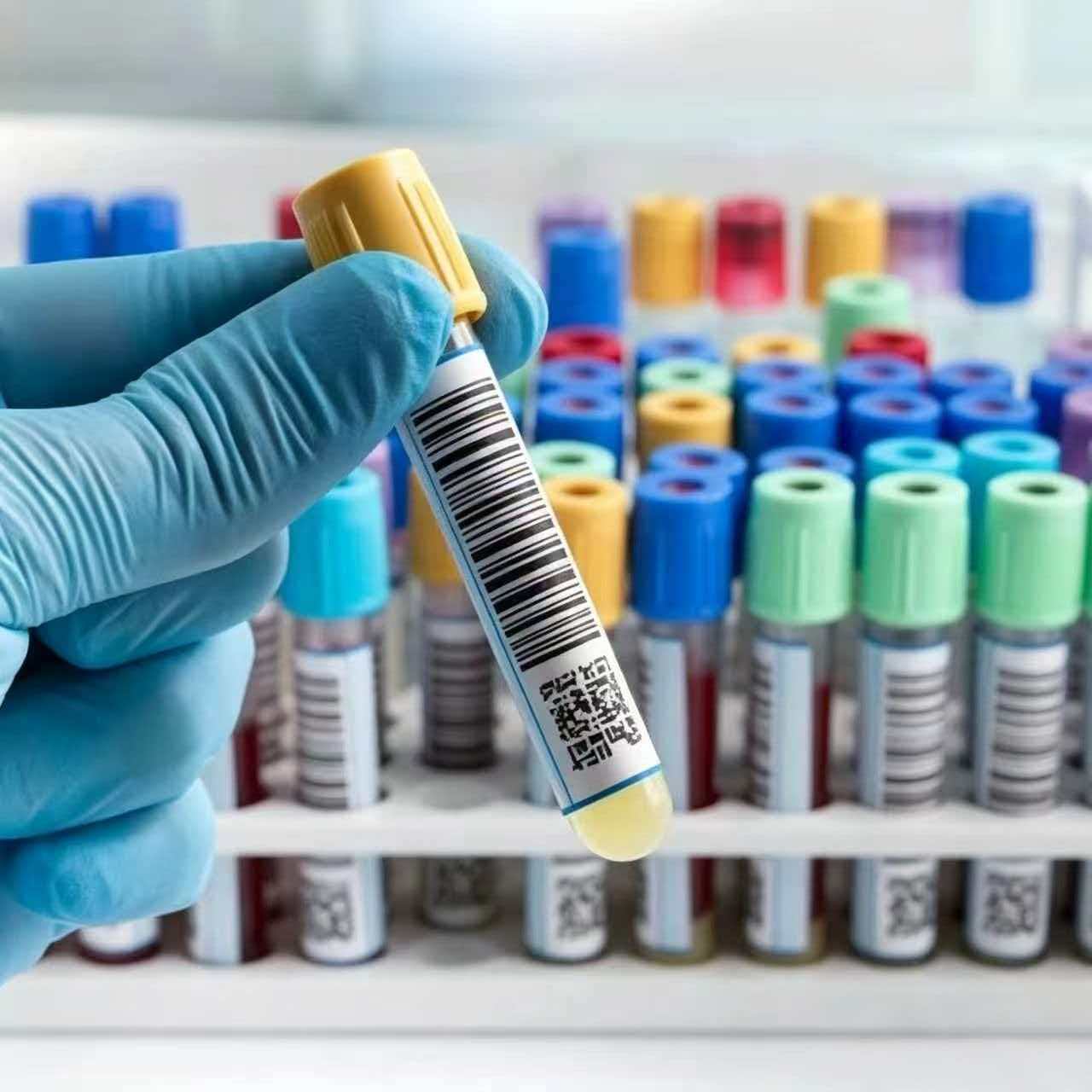
Tube and vial labels are designed for laboratory tubes, vials, and containers, providing clear sample identification on small surfaces where space is limited.
Features of Premium Custom Laboratory Thermal Labels
Chemical resistance is the defining feature of laboratory thermal labels, withstanding exposure to laboratory chemicals without degrading and ensuring long-term legibility through chemical stability that is essential for laboratory applications. Temperature resistance ensures the labels maintain adhesion and legibility through extreme temperatures from cryogenic storage to autoclave sterilization, with thermal stability ensuring reliable performance and temperature resistance being essential for laboratory conditions. Strong adhesive ensures the labels remain attached to various laboratory surfaces including glass, plastic, and metal, maintaining its bond through laboratory handling and conditions and ensuring reliable identification through secure attachment. Clear, legible printing ensures that critical sample information is accurately displayed and readable, with print quality supporting accurate identification and clarity being essential for laboratory operations.
Functions of Custom Laboratory Thermal Labels
Sample identification is the primary function of laboratory thermal labels, displaying sample numbers, patient information, and experiment details. The identification enables accurate sample tracking and research, reducing the risk of sample misidentification and supporting data integrity through reliable labeling. Research tracking is supported through labels that enable tracking of samples throughout the research process, supporting data integrity and research accuracy through traceability and ensuring sample traceability from collection through analysis. Regulatory compliance is achieved through labels that display required information and support documentation, ensuring laboratories meet regulatory requirements and demonstrating regulatory adherence through proper labeling. Patient safety is supported through accurate sample identification in clinical and diagnostic applications, reducing the risk of misdiagnosis and ensuring patient safety through reliable labeling.
Top Custom Laboratory Thermal Label Trends in 2026
Cryogenic labels for ultra-low temperature storage are increasingly important for long-term sample preservation, with extreme temperature resistance supporting biobanking and cryogenic stability being essential for research facilities. Chemical-resistant labels for harsh laboratory environments are trending, with chemical resistance ensuring reliable identification and durability supporting laboratory operations through robust label performance. Sustainable and eco-friendly laboratory labels are gaining importance as laboratories prioritize environmental responsibility, with sustainable options meeting research facility sustainability goals and reducing environmental impact. Laser-printable and thermal labels for versatile printing capabilities are growing in importance, with versatility supporting various laboratory printing needs and enabling on-demand label production.
How to Select Custom Laboratory Thermal Labels
Define your laboratory requirements including temperature exposure, chemical exposure, and surface types. Consider the storage conditions and handling the labels will encounter. Determine the appropriate label material and adhesive for your application. Select the label size and shape that fits your containers and provides adequate visibility. Consider the printing requirements for your laboratory operations.
Custom Laboratory Thermal Labels Size Guide
Selecting the correct label size ensures your design is clearly visible and appropriate for laboratory containers. The 0.25 x 0.5 inch size works for tiny tubes and small containers. The 0.5 x 1 inch size provides clear visibility for tubes and vials. The 1 x 2 inch size supports more detailed sample information. The 2 x 3 inch size offers comprehensive information display with fine details.
How to Customize Custom Laboratory Thermal Labels
First, prepare your design specifications including the sample information, size requirements, and any special features. Provide your brand files and design guidance. Next, choose your specifications including label size, material type, adhesive type, and any special features. Review your free digital proof within 12 hours. Approve production, with standard production taking 1-2 days.
Custom Panda: Your Trusted Custom Laboratory Thermal Labels Supplier
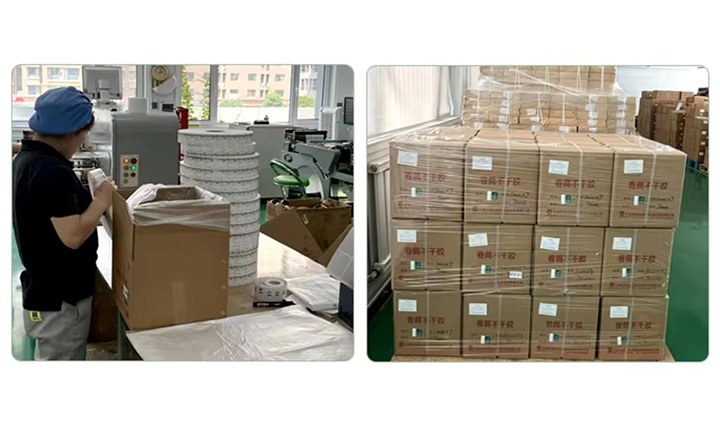
Located in Guangzhou, China, Custom Panda has over 15 years of experience in custom merchandise manufacturing, serving thousands of research laboratories and healthcare organizations across 50+ countries. Our laboratory thermal label capabilities include chemical-resistant materials, cryogenic adhesives, custom sizes and shapes, and professional design services. What makes Custom Panda different is our factory-direct pricing with transparent costs, free design help, fast production with 2-3 days for bulk orders, no strict MOQ, express global shipping in 5-7 days, and professional English-speaking support.
Ready to create custom laboratory thermal labels that keep your samples identified and tracked? Contact Custom Panda today for your free digital proof. Our team guides you through every step—from artwork approval to final delivery—ensuring you get premium labels that exceed your expectations. Request your quote now.