
th
Why Choose Matte Labels? Five Key Reasons
Selecting the right label finish might seem like a minor detail, but experienced brand managers and packaging designers know better. The finish you choose directly influences how customers perceive your product, how it performs in different environments, and ultimately, whether it ends up in shopping carts or left on the shelf.
With options ranging from high gloss UV coatings to soft touch laminates, brands often find themselves paralyzed by choice. But there's one finish that has been quietly gaining ground across premium market segments: matte.
From luxury skincare houses in Seoul to craft distilleries in Scotland, from minimalist coffee roasters in Melbourne to natural wine producers in California, the shift toward matte labels is undeniable.
So what makes matte labels the preferred choice for so many discerning brands? Here are five compelling reasons.
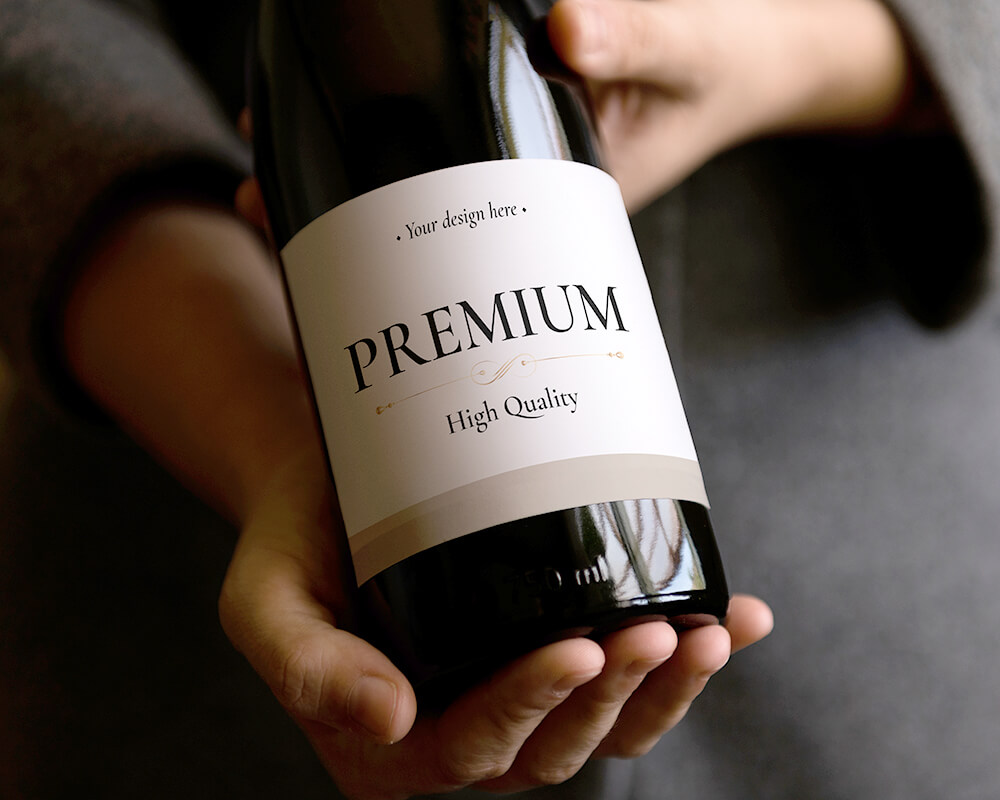
5 Compelling Reasons to Choose Matte Labels
Reason 1: Zero Glare, Maximum Readability
The Core Argument: Unlike glossy finishes that act like mirrors, matte surfaces scatter light in multiple directions, ensuring your product information remains crystal clear regardless of lighting conditions.
Why This Matters in Real World Retail:
Picture a premium olive oil displayed in a well lit grocery store. A glossy label might look stunning in the design studio, but on the shelf, customers encounter shifting glare patches that obscure ingredients and tasting notes. Frustrated, they put it down and reach for a competitor with better visibility.
Now imagine the same product with a matte label. The customer approaches from any angle, under any lighting, and every word remains legible. The brand story communicates clearly and effortlessly.
Specific Scenarios Where Matte Readability Wins:
In refrigerated sections, glass doors with internal lighting create multiple light sources at close range. Glossy labels become a chaotic patchwork of reflections while matte labels remain perfectly readable.
For transparent packaging like wine bottles and essential oils, light passes through the container and reflects forward. With glossy labels, this creates a distracting halo effect. Matte surfaces absorb and diffuse this light, maintaining clarity.
At outdoor markets where sunlight shifts throughout the day, glossy labels become progressively harder to read while matte labels remain consistent from morning to evening.
Beyond Basic Readability:
The zero glare advantage extends to photography and marketing materials. Products with matte labels are significantly easier to photograph for e commerce listings and catalogs. There is no need for complex lighting setups to eliminate glare or hours spent editing out reflections.
In short: Glossy shines, matte communicates.
Reason 2: Smudge Proof, Scratch Resistant, Built to Last
The Core Argument: Matte finishes possess inherent physical properties that make them remarkably forgiving, hiding the inevitable fingerprints, water spots, and minor abrasions that would instantly ruin the pristine appearance of glossy alternatives.
The Science of Surface Interaction:
Glossy surfaces are smooth at a microscopic level. This smoothness creates their mirror like reflection, but it is also what makes them so unforgiving. Fingerprints show because skin oils fill microscopic valleys and create visible contrast. Light scratches appear as visible lines that catch light differently.
Matte surfaces, with their intentionally textured finish, break up the visual continuity of fingerprints and scratches. A fingerprint becomes visually fragmented and far less noticeable. A light scratch becomes just another texture variation.
Real World Retail Realities:
Consider the lifecycle of a typical retail product. It begins in a warehouse, stacked with other products. Cardboard boxes shift during transport, creating friction between labels and packaging. Glossy labels emerge with scuff marks that draw the eye. Matte labels show nothing.
The product arrives at the store and is shelved by staff. Hands touch it, adjust its position, move it. Each touch leaves fingerprints. On glossy labels, these accumulate into a visible film of smudges. On matte, they are virtually invisible.
Customers interact with the product, picking it up, turning it over, reading the back. A glossy label after a day of customer interaction looks tired and shopworn. A matte label looks essentially the same as it did when first shelved.
The Comparative Durability Advantage:
This isn't just about aesthetics, it is about perceived value. A product with a smudged, scratched glossy label sends an unconscious signal: this has been here a while, maybe it is not selling well. A product with a clean looking matte label signals the opposite: fresh stock, popular item, quality product.
In controlled handling tests, glossy labels typically show visible wear after 10 to 15 touch interactions. Matte labels in identical tests remain visually acceptable after 50 plus touch interactions. Fingerprints are difficult to detect even when deliberately applied.
In short: Matte labels look new for longer.
Reason 3: Premium Aesthetics That Signal Quality
The Core Argument: Matte finishes communicate something that glossy surfaces cannot: confidence. A brand that does not need to shout or dazzle with reflection projects an image of established quality that resonates powerfully with discerning consumers.
The Evolution of Luxury Aesthetics:
Walk through the luxury goods sections of any department store, and you will notice a pattern. The loudest, shiniest packaging is not typically found at the highest price points. True luxury communicates through restraint. It is quiet, confident, and understated.
This principle has guided fashion, automotive, and hospitality industries for decades, and it has now firmly established itself in consumer packaged goods.
Why Matte Communicates Quality:
Subtlety signals confidence. A brand that does not feel the need to grab attention through shine is perceived as secure in its quality. It does not need to try too hard because its reputation precedes it.
Tactile engagement creates connection. When a customer runs their fingers over a matte label and feels its soft, velvety texture, they form a physical connection with the product. This triggers positive emotional responses and increases purchase likelihood.
Visual quietness suggests sophistication. In a world of visual noise, a matte surface offers visual rest. It suggests the product inside is thoughtful, carefully crafted, and worthy of contemplation.
Industries Leading the Matte Movement:
Premium skincare lines have almost universally adopted matte finishes. The clinical, clean aesthetic suggests efficacy and seriousness. Third wave coffee roasters embraced matte packaging years ago. The matte bag with minimal design signals artisanal quality and attention to detail. The natural wine movement rejected glossy, commercial looking labels in favor of matte finishes that suggest authenticity and minimal intervention.
Combining Matte with Premium Enhancements:
One of matte's greatest strengths is its ability to serve as a foundation for other premium effects. Matte with foil stamping creates stunning contrast between the quiet background and brilliant metallic foil. Matte with embossing allows raised elements to catch light beautifully, creating shadows that emphasize dimensionality. Matte with soft touch lamination creates perhaps the most luxurious label experience available, velvety softness that invites touch.
The Quiet Luxury Connection:
The Quiet Luxury trend applies directly to packaging. It is not about displaying status through obvious markers, but about quality that reveals itself gradually to those who pay attention. Matte labels embody this philosophy perfectly. They don't announce themselves loudly on the shelf. Instead, they reward the customer who takes the time to look closer.
In short: Matte doesn't shout, it speaks to those who notice.
Reason 4: True, Rich Color Representation
The Core Argument: Color is perhaps the most powerful tool in packaging design. But the way color appears on a label is fundamentally affected by the finish. Matte surfaces allow colors to present exactly as designed, without the distortion created by glossy reflections.
The Problem with Glossy Color Perception:
When you view a color on a glossy surface, you are never seeing just that color. You are seeing that color combined with reflections of whatever surrounds the product: store lighting, other products, passing shoppers, your own hand.
These reflections actively change perceived color properties. A deep burgundy wine label reflects white light that desaturates the color. A forest green skincare package picks up reflections that subtly shift its hue.
Designers spend countless hours perfecting color specifications, only to have those colors compromised by the very finish meant to protect them.
How Matte Preserves Color Integrity:
Matte surfaces solve this problem through the same light scattering properties that eliminate glare. By diffusing reflected light rather than focusing it, matte finishes dramatically reduce environmental reflection. What remains is the color itself, the pigments and inks exactly as applied, viewed with minimal interference.
The Visual Effects of True Color Representation:
Colors appear deeper and more saturated because there is no white light reflection washing them out. The same matte labeled product looks consistent whether viewed under fluorescent store lighting, natural daylight, or warm restaurant lighting. Matte finished colors look grounded and natural, sitting on the package rather than floating behind a reflective layer.
Perfect for Specific Color Strategies:
Natural and earth tones like beiges, browns, and olives look distinctly more authentic on matte surfaces. They appear as they do in nature: rich, warm, and substantial.
Vintage and retro palettes benefit from matte's ability to present color without the modern quality that gloss imparts. Dark and dramatic colors like deep blues and burgundies are notoriously difficult on glossy surfaces because they reflect light and appear lighter. Matte keeps dark colors dark.
Typography and Readability:
Beyond pure color, matte finishes dramatically improve text readability. Small type, in particular, benefits from the absence of reflection. When customers need to read ingredients lists or usage instructions, matte ensures they can do so comfortably.
In short: Matte lets your design speak for itself.
Reason 5: Versatility Across Applications
The Core Argument: Far from being a specialized finish suitable only for certain products, matte has proven itself as a genuinely universal solution that performs beautifully across virtually any packaging application, substrate, and environment.
Material Compatibility:
Unlike some specialty finishes that require specific substrates, matte labels demonstrate exceptional versatility.
On glass, whether applied to wine bottles, olive oil containers, or cosmetic bottles, matte labels adhere beautifully and maintain readability regardless of fill level or liquid color behind the glass.
On plastic, from squeezable personal care tubes to rigid household chemical bottles, matte performs consistently. The finish helps minimize the cheap appearance that some plastics can convey.
On paper and cardboard, folding cartons and rigid boxes benefit from matte's ability to complement rather than contrast with paper's natural texture.
On metal, cans and tins benefit from matte's ability to reduce glare while maintaining the structural presence that metal packaging provides.
Industry Versatility:
Premium packaged foods increasingly choose matte for its appetite appeal and quality signaling. Beauty and personal care products, from mass market lotions to luxury serums, favor matte for its clean, clinical aesthetic. Wine and spirits have perhaps embraced matte most enthusiastically, as matte labels suggest terroir, tradition, and authenticity. Supplements and natural remedies use matte to communicate purity and efficacy.
Enhanced Effects and Combinations:
Matte's versatility extends to its role as a foundation for other finishing techniques. Foil stamping achieves maximum impact against matte backgrounds. Embossing and debossing create subtle shadow effects that emphasize dimensionality. Spot gloss applied selectively creates striking contrast that highlights key elements.
Functional Variations:
Beyond standard applications, matte labels can be engineered for specific requirements. Water resistant matte works for bathroom products and chilled items. Low temperature matte performs reliably on frozen foods and in cold chain logistics. Outdoor durable matte with UV stabilization withstands sun exposure for products stored or used outside.
The Practical Bottom Line:
For brands managing multiple product lines, matte's versatility offers significant advantages. A single finish specification can work across your entire portfolio: glass bottles, plastic tubes, paper cartons, metal containers. This simplifies procurement and maintains visual consistency.
For designers, matte provides a reliable canvas that performs predictably across applications. For production teams, matte's forgiving nature means fewer rejects and more consistent results.
In short: One finish, endless possibilities.
Conclusion: Why Matte Deserves Your Consideration
We have explored five compelling reasons that explain the growing preference for matte labels among discerning brands.
Readability: Zero glare ensures your message reaches customers clearly in any environment.
Durability: Resistance to fingerprints and scratches means your packaging maintains its fresh appearance from factory through final sale.
Aesthetics: The quiet confidence of matte communicates premium quality without shouting.
Color accuracy: True, rich, interference free color presentation ensures customers see exactly what your designers intended.
Versatility: Compatibility across materials, industries, and enhancement techniques makes matte a genuinely universal solution.
Is matte the right choice for every product? Not necessarily. Some products genuinely benefit from gloss. But for brands targeting discerning consumers, for products competing in crowded categories where quality perception matters, for items that will be handled before purchase, matte offers advantages that glossy finishes simply cannot match.
A Final Thought:
The choice of label finish is more than a technical specification. It is a brand decision. A glossy finish says, look at me. A matte finish says something different: I am here when you are ready. Quality reveals itself gradually.
In an era of visual noise, there is something refreshing about a brand confident enough not to shout. That is the promise of matte labels.
Your Next Step
As specialists in matte label manufacturing, we have spent years understanding the nuances of this remarkable finish.
Contact our team for expert guidance. Tell us about your product and goals, and we will provide honest, experienced advice.
Request a sample pack. Feel the difference yourself. Compare matte finishes across different substrates and experience the tactile appeal.
Ask about custom development. Need something specific? Water resistant matte? Low temperature performance? Our technical team can develop tailored solutions.
Your product deserves a label that does more than identify its contents. It deserves to communicate your brand's values and maintain its beauty through the journey from shelf to home.
Matte labels deliver on all these fronts, quietly, confidently, unmistakably.

