
th
Pins or Patches? What You Need to Know
What Are Custom Pins?
Custom pins are small metal accessories with a fastener on the back, typically a butterfly clutch, rubber clutch, or magnetic back. They are often made from copper, iron, or zinc alloy and then plated with finishes like gold, silver, nickel, or black metal. The design is usually created by stamping or die-casting the metal base, then filling with enamel colors.
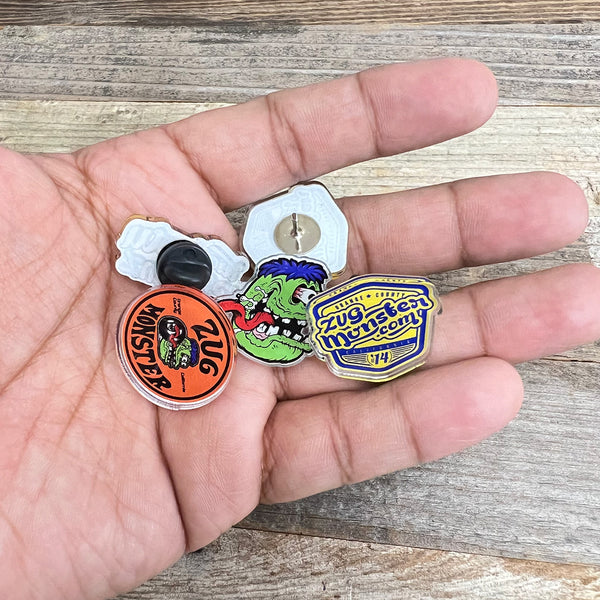
There are several main types of custom pins:
Polished smooth with a flat, scratch-resistant surface. The metal and enamel are flush, making them durable and premium.
Recessed enamel areas with raised metal lines. They have a textured feel and are generally more affordable.
No enamel; just the metal design with raised or recessed details. Often used for coins or awards.
Full-color designs printed onto a metal surface using UV or screen printing. Ideal for photo-realistic artwork.
Custom pins are small, usually ranging from half an inch to two inches, but larger sizes are possible. They are lightweight, easy to attach, and highly detailed.
What Are Custom Patches?
Custom patches are pieces of fabric embroidered, woven, or printed with a design, then finished with a backing. Unlike pins, patches are soft and flexible. They are sewn, ironed, or Velcro-attached to garments or bags.
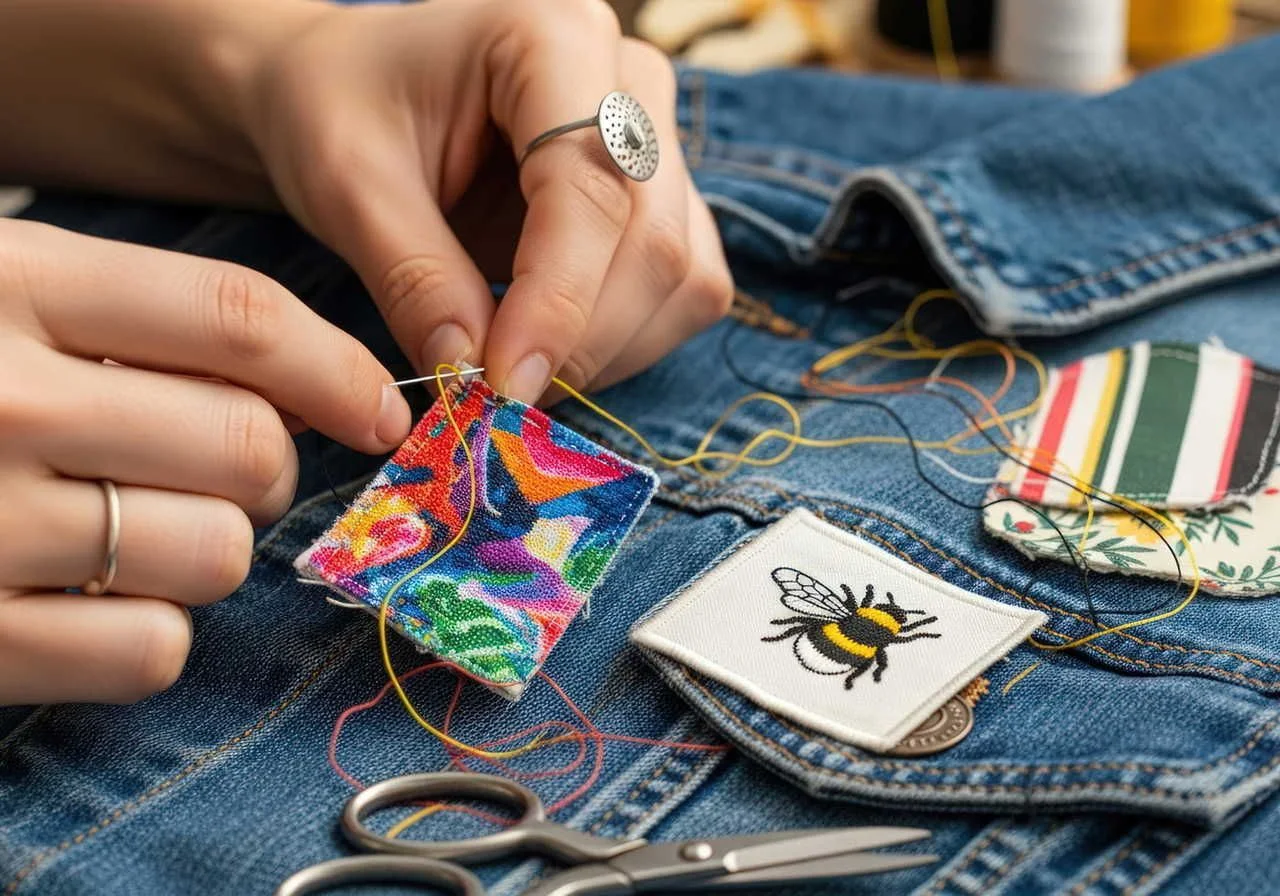
Common types of custom patches include:
Made by stitching thread onto a twill or felt backing. They have a classic, textured look and are very durable.
Using thinner thread and tighter stitching, woven patches capture finer details and smaller text. They are smoother than embroidered patches.
Made from soft polyvinyl chloride, these are rubbery, waterproof, and three-dimensional. Great for outdoor gear or modern designs.
Using fluffy chenille yarn, often seen on varsity jackets. They have a vintage, letterman-style feel.
Patches come in various shapes and sizes, from round and square to custom die-cut shapes. Their backing options include sew-on, iron-on (heat seal), Velcro, and adhesive sticker back.
Key Features of Custom Pins
Custom pins offer several unique advantages:
Metal Durability: Pins are rigid and highly durable. They do not fray, fade, or tear. A well-made hard enamel pin can last for a very long time with minimal wear.
Detail Precision: Because pins are metal with enamel, they can hold very fine lines. Hard enamel is especially good for logos with small text or sharp geometric shapes.
Attachment Security: The butterfly clutch or rubber clutch provides strong hold on jackets, lanyards, hats, or bags. Pins rarely fall off if properly clasped.
Visual Shine: Metal plating such as gold, silver, or black nickel gives pins a jewel-like, premium appearance. This makes them popular for collector sets, brand swag, and event badges.
Collectibility: Pins are small and easy to trade or display on corkboards, pin flags, or lanyards. Pin trading is a global hobby with large communities.
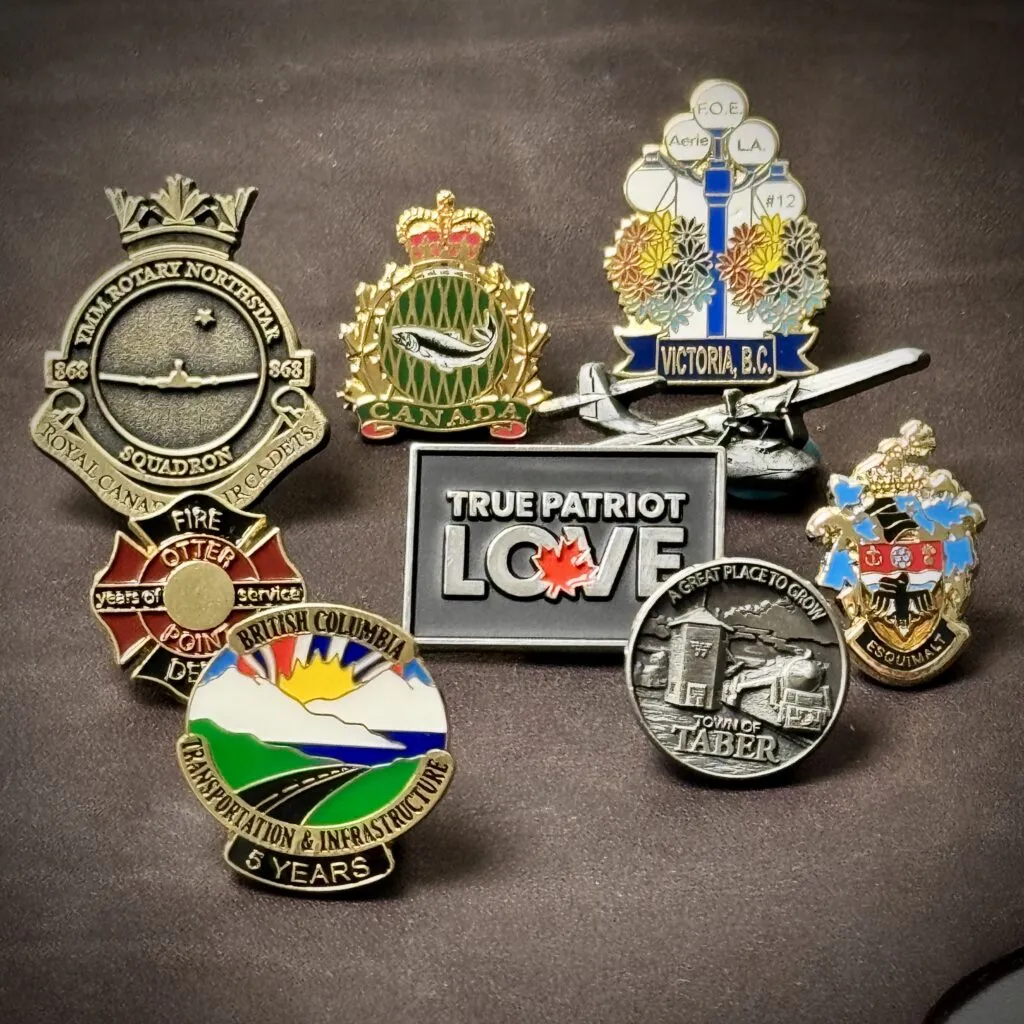
However, pins have limitations. They are heavier than patches, and sharp clasp backs can sometimes scratch surfaces. Also, very large pins can become heavy and tilt or sag on thin fabrics.
Key Features of Custom Patches
Custom patches bring a completely different set of benefits:
Soft and Lightweight: Patches are fabric-based, so they add almost no weight to garments. They move and bend with the material, making them comfortable on sleeves, chests, or knees.
Wide Application Methods: You can sew patches permanently, iron them on for semi-permanent attachment, or use Velcro for tactical gear. Some patches even come with peel-and-stick adhesive.
Cost-Effective for Large Orders: For larger quantities, patches are generally more cost-effective per unit than pins because the materials (thread and twill) cost less than metal and molds.
Great for Curved Surfaces: Unlike rigid pins, patches conform to curved surfaces like hat fronts, cap sides, backpack straps, and shoe uppers.
Textural and Tactile: Embroidered and chenille patches provide a dimensional, handcrafted feel. Many people prefer the warmth and tradition of stitched designs over cold metal.
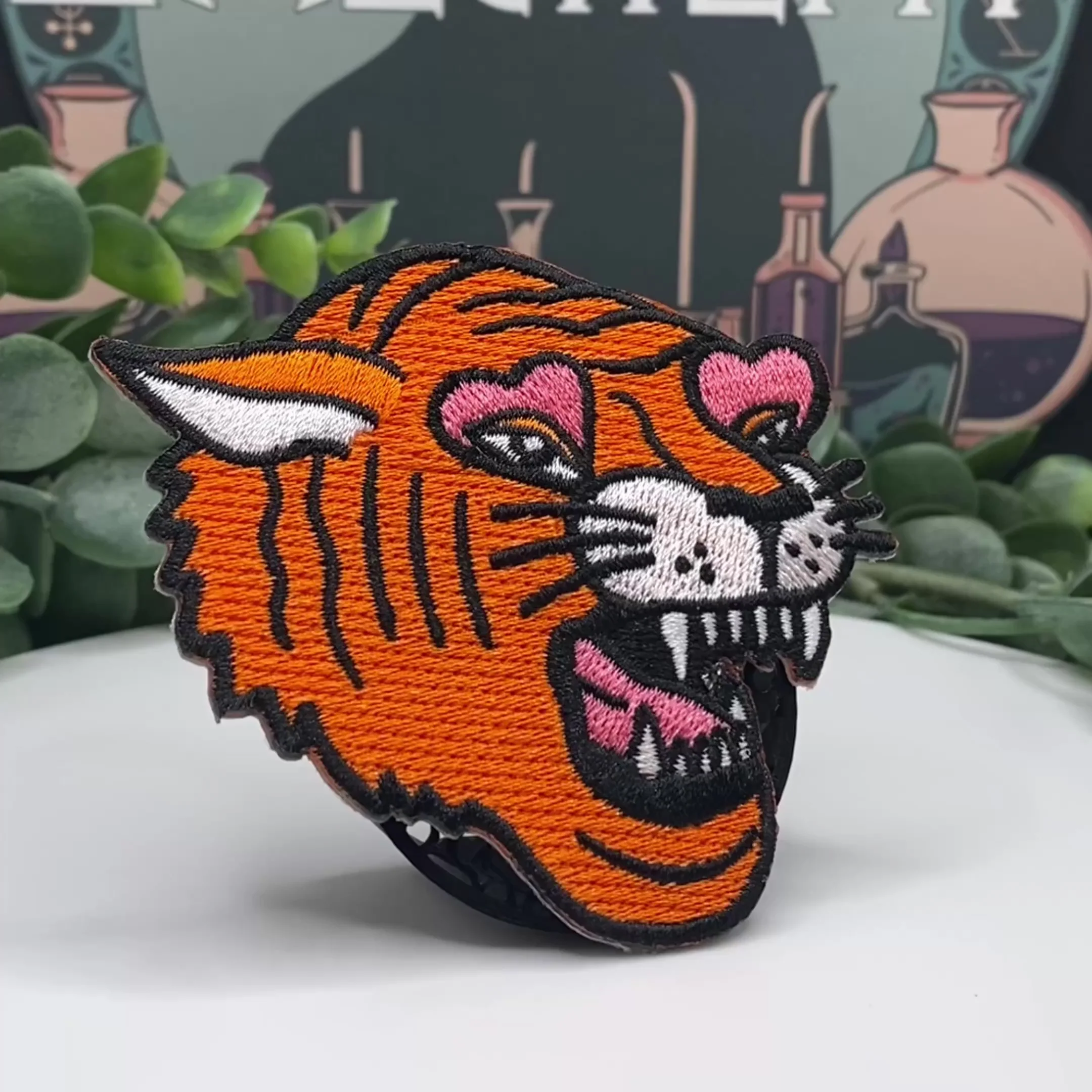
On the downside, patches can fray at the edges if not properly hemmed, and iron-on adhesive may weaken over time. Embroidered patches also cannot achieve the same ultra-fine detail as woven or hard enamel pins.
How to Use Custom Pins
Custom pins are extremely versatile. Here are the most common use cases:
Fashion and Personal Style: Attach pins to denim jackets, beanie hats, backpacks, and canvas shoes. Pin collections are often displayed on a "battle jacket" or a pin banner.
Brand Promotion and Giveaways: Companies give away logo pins at conferences, trade shows, and product launches. Pins are perceived as high-value swag compared to stickers or pens.
Employee Recognition and Milestones: Many companies create custom pins for work anniversaries, project completions, or leadership programs. They work like mini medals.
Event Badges and Lanyard Accessories: Music festivals, comic-cons, and corporate events use pins as attendee identifiers or souvenir collectibles. Pin trading is especially popular at themed parks and gaming conventions.
Nonprofit and Cause Awareness: Pins are used for fundraising campaigns and political elections. They are easy to mail, and people proudly wear them.
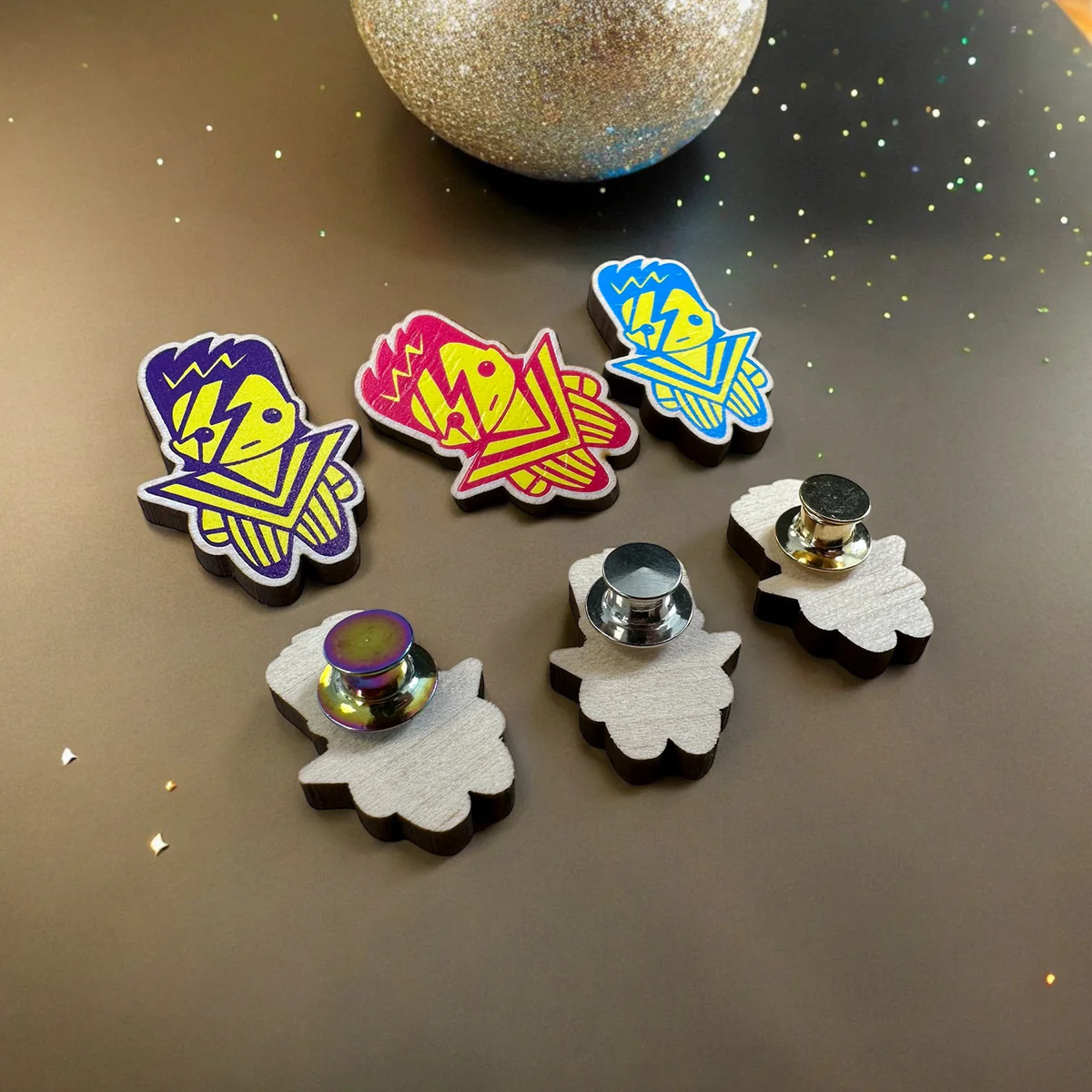
Pins can also be sealed in clear acrylic or framed as art. Some collectors keep them in binders with foam sheets, much like coin collectors.
How to Use Custom Patches
Custom patches have a different set of applications, often more garment-focused:
Uniforms and Workwear: Police, firefighter, security, and hospitality uniforms use patches for rank, department identification, or brand logos. Sewn patches stay on through harsh conditions.
Varsity Jackets and Sports Apparel: Chenille letters, mascot patches, and championship patches are sewn onto letterman jackets, baseball jerseys, and basketball warm-ups.
Backpacks and Outdoor Gear: PVC patches are popular on hiking backpacks, camping gear, and tactical vests because they are waterproof and rugged. Velcro-backed patches can be swapped out quickly.
Repair and Upcycling: Patches are a stylish way to cover rips, stains, or frayed areas on jeans, canvas totes, and denim jackets. This aligns with visible mending trends.
Brand Merchandise: Streetwear brands, bands, and artists sell patches alongside t-shirts. Customers sew them onto their own clothing, creating grassroots promotion.
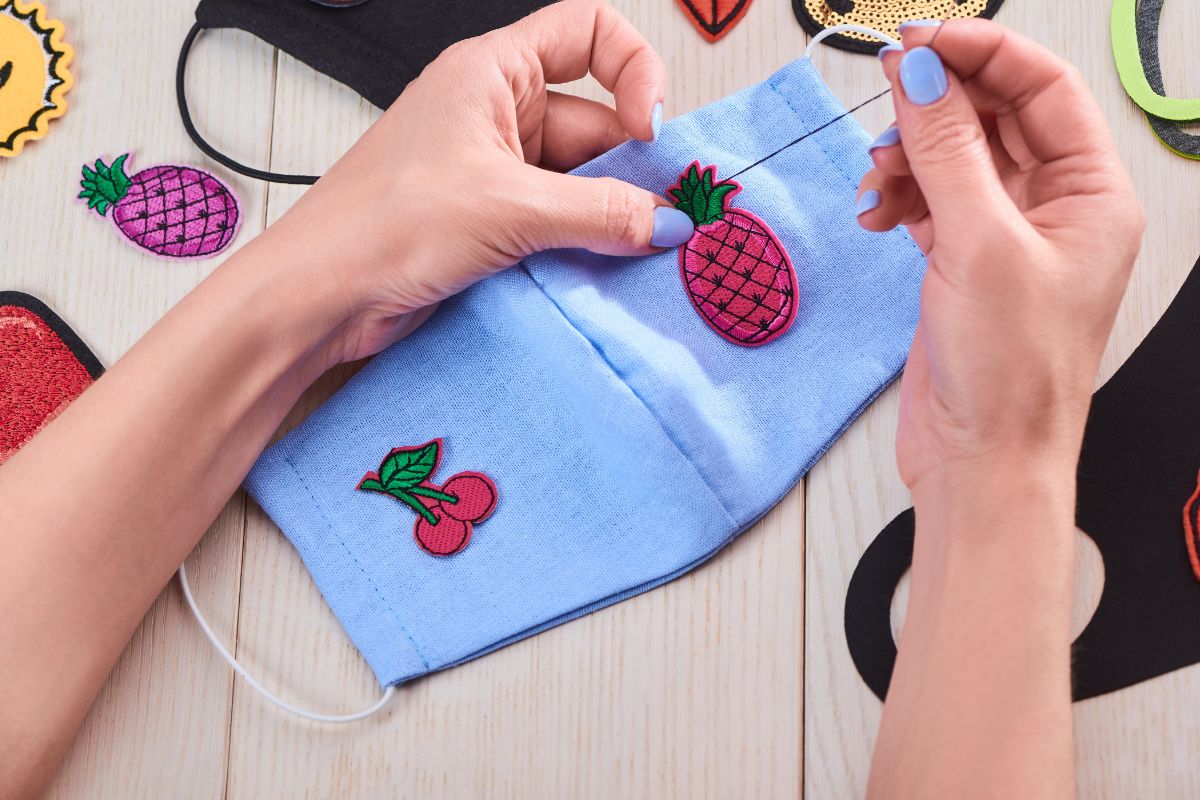
Patches are also used on quilts, wall hangings, and even guitar straps. Unlike pins, patches can be sewn into seams, making them permanent and theft-resistant.
How to Choose Between Pins and Patches
When deciding, ask yourself these four questions:
1. What surface will it go on?
If you need to attach to a curved, soft, or washable surface such as a hat front or a t-shirt sleeve, patches are better. If you want a rigid display on a lanyard, corkboard, or leather jacket, pins are superior.
2. What is your budget per piece?
For small batches, pins are often comparable to patches. For large orders, patches are more cost-effective. However, premium finishes like hard enamel or woven patches can change this comparison.
3. What level of detail is required?
Ultra-fine lines, very small text, and photographic gradients are best done on woven patches or printed pins. Standard logos and simpler artwork work well on embroidered patches or soft enamel pins.
4. How will it be used?
If the item will be washed frequently, choose sewn patches or hard enamel pins with rubber clutches. If it will be traded or collected, pins are preferred. If it needs to be removable for tactical gear, choose Velcro patches.
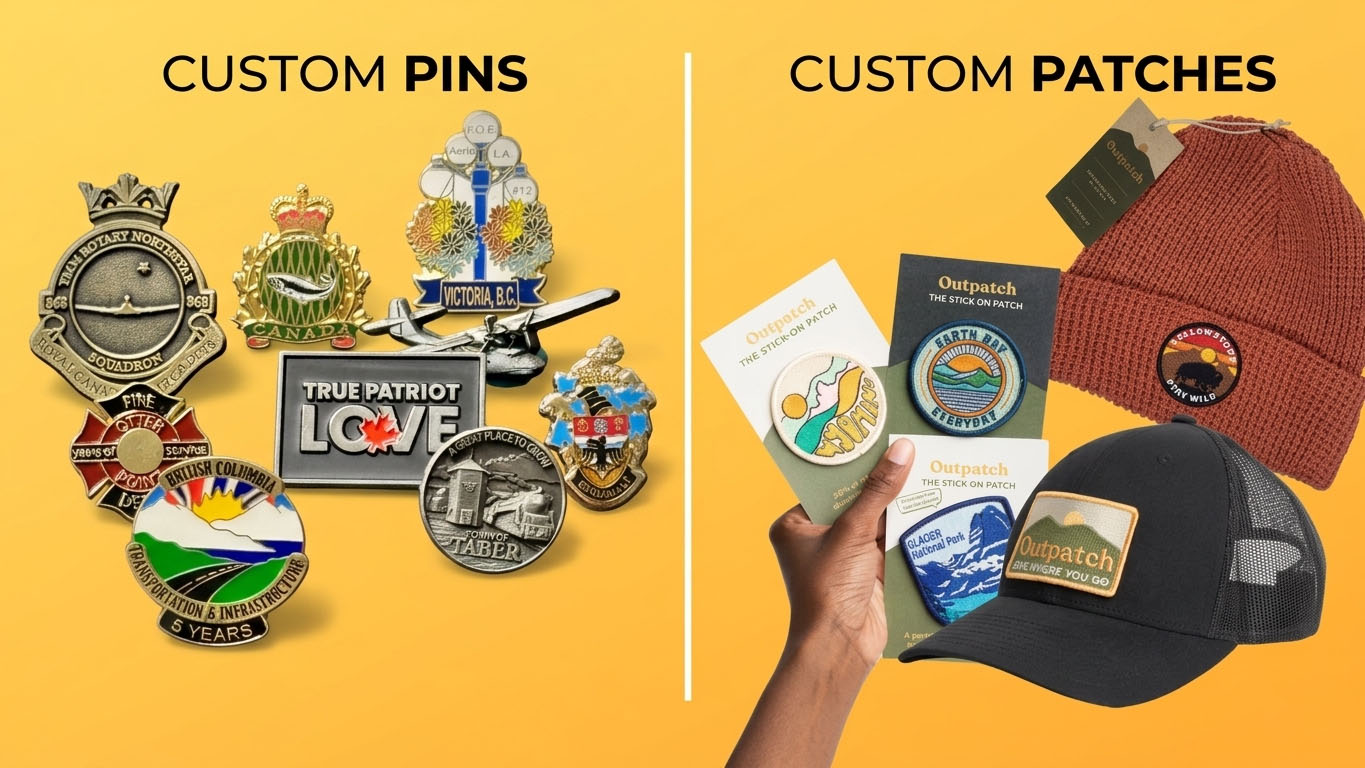
Still undecided? Many brands order both: pins for giveaways and patches for uniforms, or pins for collectors and patches for retail merchandise.
Conclusion: Which One Is Right for You?
There is no universal winner. Pins offer metal prestige, sharp detail, and easy display. Patches offer fabric comfort, sewing permanence, and flexibility on curves.
Choose custom pins if:
You want a premium, shiny, collectible item.
Your design has fine lines or small text.
The item will be attached to lanyards, hats, or hard surfaces.
You are targeting pin traders or swag lovers.
Choose custom patches if:
You need something soft, lightweight, and washable.
Your design has large solid areas or requires texture.
The patch will go on curved or flexible items like caps or sleeves.
You prefer a classic, stitched, handmade look.
Many successful projects combine both. For example, a brand might produce a woven patch for their team uniforms and a matching hard enamel pin for VIP customers. The key is matching the medium to the mission.
Why Choose Custom Panda?
Choosing the right manufacturer for custom pins, patches, or labels is just as important as choosing the design itself. Custom Panda specializes in premium, high-end custom pins, custom patches, and custom labels — designed and produced with care for brands, artists, and organizations worldwide.
Here is what makes Custom Panda different:
Premium Quality
Every product is crafted to meet high standards. Whether it is a hard enamel pin, an embroidered patch, or a woven label, the finish is clean, the colors are accurate, and the durability is built to last. Your brand deserves nothing less.No Minimum Order
Unlike many manufacturers that require large quantities, Custom Panda welcomes orders of any size. Whether you need a small batch for a special event or a bulk order for global distribution, complete customization is always available.Factory Direct Pricing
By working directly with the production facility, you save significantly — often up to thirty percent compared to middleman pricing. High quality does not have to mean overpaying.Free Digital Proof
You will never wonder how your design will turn out. A free digital proof is provided for your review and approval, usually within hours. This allows you to see colors, placement, and details before production begins.Worldwide Shipping
No matter where your customers or team members are located, reliable global delivery ensures your custom products arrive quickly and safely. Shipping times are predictable and consistent across most regions.Fast Turnaround
Time matters. From artwork approval to dispatch, production moves with extreme efficiency. You can expect rapid processing without compromising on quality.
Your Trusted Partner for Premium Custom Creations.
Quality is guaranteed by our quality promise. Fast turnaround, free design support, and worldwide shipping are not just features — they are our commitment.
Ready to bring your design to life? Whether you choose pins, patches, or labels, Custom Panda delivers quality you can feel and trust — from the first proof to the final product.

