
th
Embroidery vs. Woven: Which one Is Right for Your Project?
When you’re looking to add a custom touch to your brand, uniforms, or personal apparel, one of the first questions you’ll encounter is: "Should I go with embroidered or woven patches?" While they might look similar from a distance, the choice between the two can significantly impact the texture, detail, and overall "vibe" of your final product. In this comprehensive guide, we will break down everything you need to know about embroidered patches, how they stack up against woven and other options, and why they remain the gold standard for custom branding.
What are Embroidered Patches?
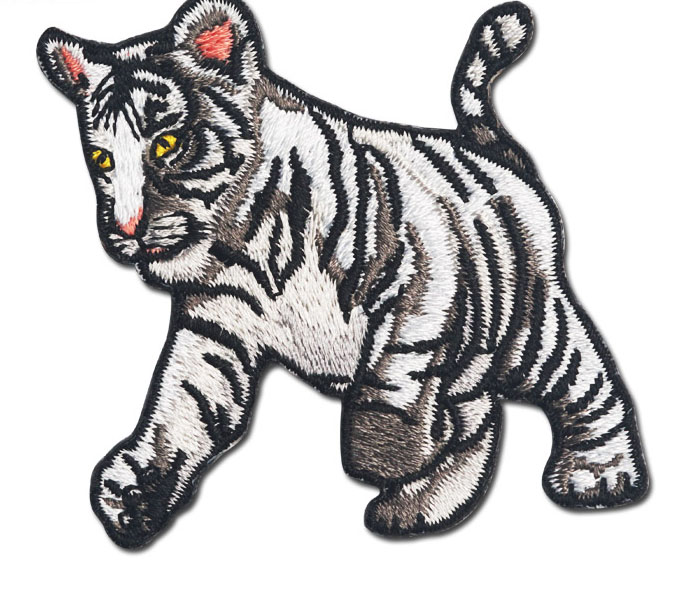
At its core, an embroidered patch is a piece of art created by stitching thread onto a backing fabric. Unlike direct embroidery—where the design is sewn directly into the garment—a patch is created as a standalone piece that can then be attached to various surfaces.
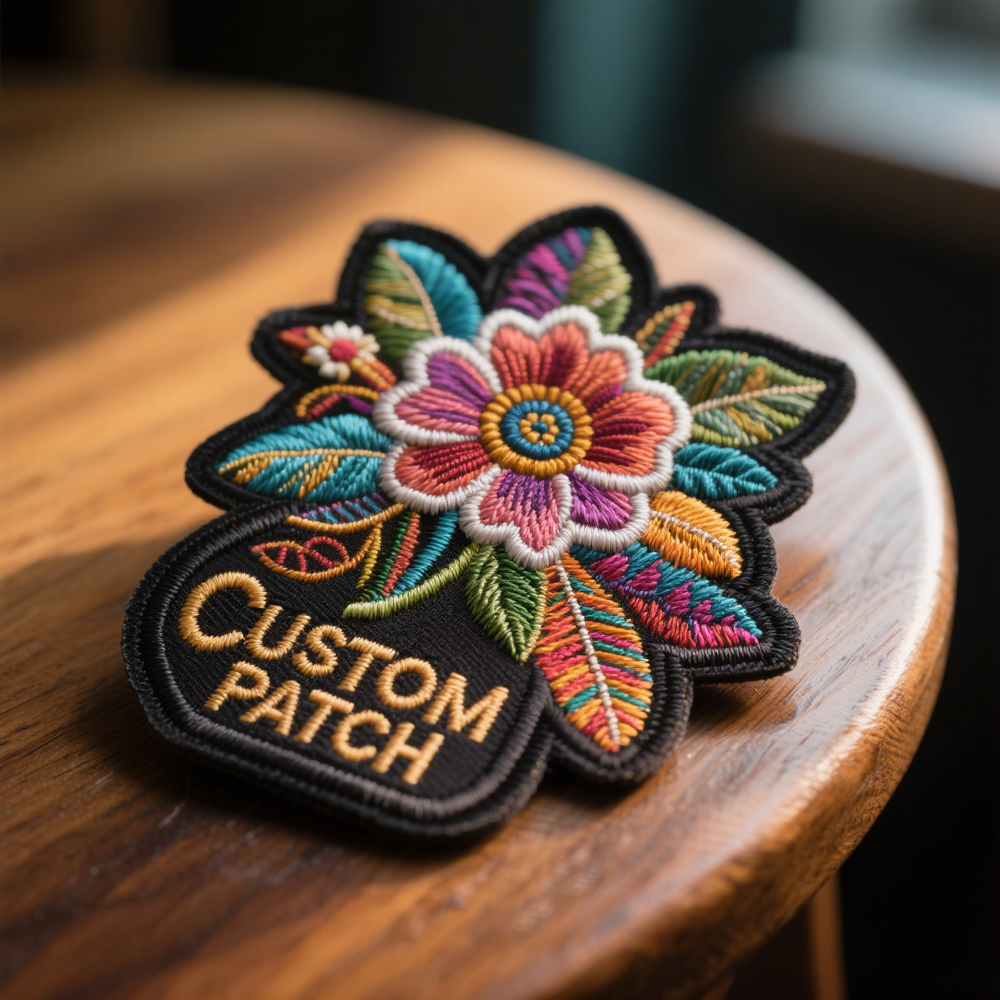
The history of embroidered patches is deeply rooted in military and government traditions. For centuries, they have served as "unit citations," rank insignias, and mission patches. Today, they have evolved into a cornerstone of pop culture and branding, bridging the gap between historical craftsmanship and modern streetwear.
Technically, an embroidered patch consists of three main layers:
The Base: Usually a heavy-duty fabric like cotton twill.
The Embroidery: High-quality threads (typically polyester or rayon) that form the design.
The Backing: A finish applied to the back to give it structure and provide a method for attachment.
Key Features of Embroidered Patches
What makes an embroidered patch so recognizable? It all comes down to its unique physical characteristics:
Tactile Texture (3D Effect): Because the thread is layered on top of a base fabric, the design has a raised, physical presence. This "3D look" adds a premium feel that flat printing simply cannot replicate.
Rich Color Vibrancy: Modern embroidery threads come in thousands of shades. These threads catch the light, making the design "pop" against the fabric.
Structured Durability: The combination of twill and dense stitching makes these patches incredibly tough. They are designed to withstand friction and repeated wear.
Distinctive Borders: Every embroidered patch features a finished edge—either a thick, wrapped "merrowed" border or a sleek, laser-cut "heat-cut" border.
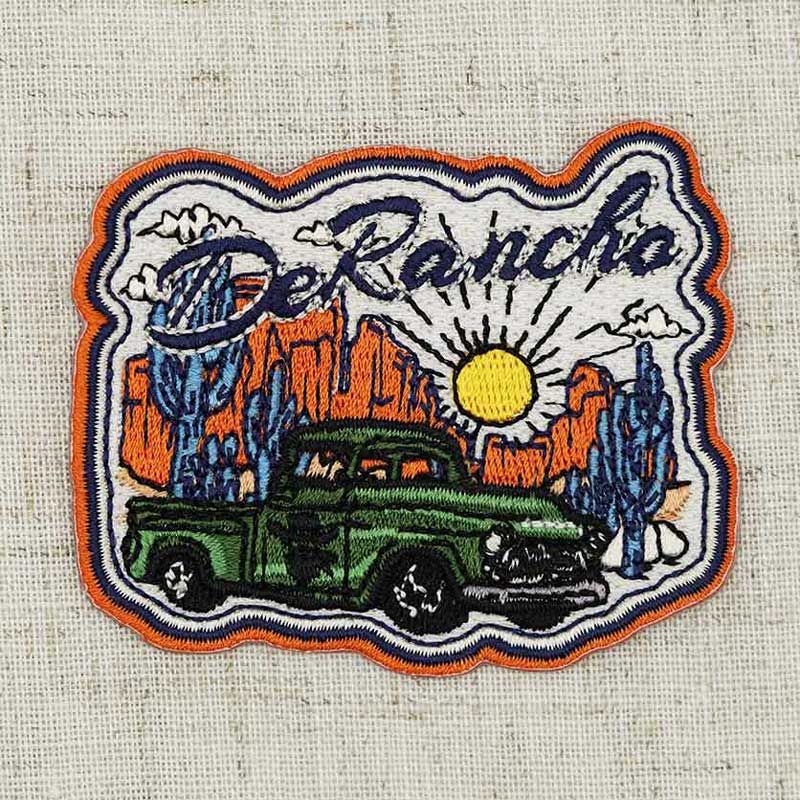
What's the Difference: Embroidery vs. Other Patch Types
Deciding on the best patch for your project usually boils down to understanding how different materials handle your design.
1. Embroidery vs. Woven Patches
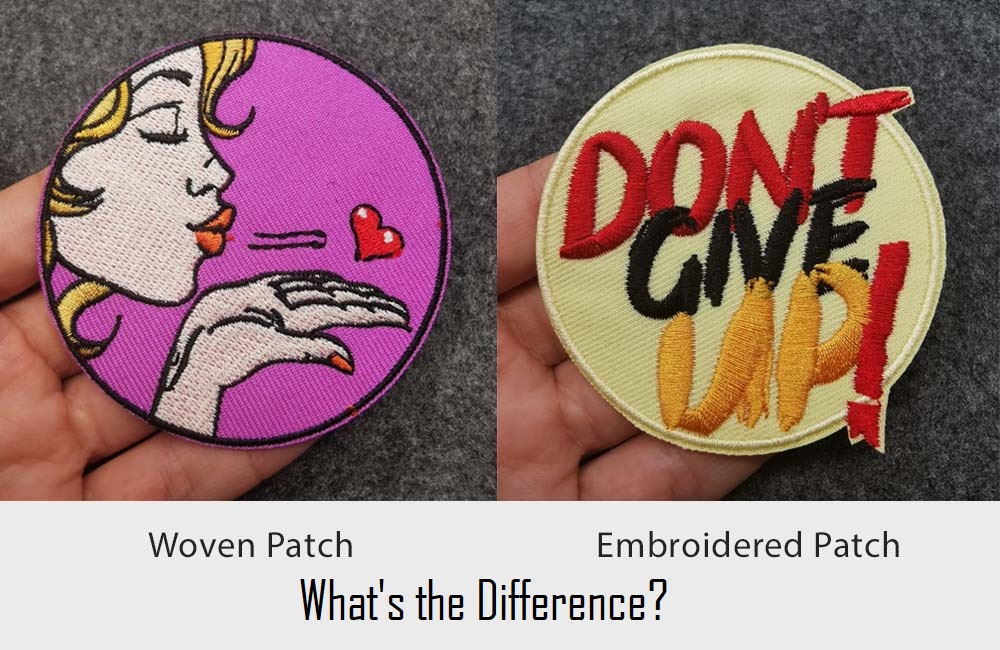
This is the most common debate. While both use thread, the manufacturing and results differ:
Process: Embroidered patches stitch thick threads onto a fabric base. Woven patches use much thinner threads to weave the entire patch (design and structure) at once.
Detail: Woven is the king of detail. If your logo has tiny text (under 4mm) or complex linework, woven is better. Embroidery uses thicker thread, which limits fine detail but provides a classic, "rugged" look.
Texture: Embroidery has a significant 3D raised feel. Woven patches are thin, flat, and more flexible, making them feel like they are part of the garment.
Verdict: Choose Embroidery for a classic, varsity, or high-impact 3D look. Choose Woven for modern, high-definition, or lightweight applications.
2. Embroidery vs. PVC Patches
PVC patches are made of soft, flexible plastic/rubber. PVC is waterproof and great for outdoor gear. However, they can look a bit "industrial." Embroidered patches provide a classic, warm, and traditional feel that works better for lifestyle fashion and corporate apparel.
3. Embroidery vs. Leather Patches
Leather patches are embossed onto animal or synthetic hide. Leather is fantastic for a rugged or luxury denim look. Embroidered patches offer more color flexibility, whereas leather is usually limited to one or two tones.
Advantages of Using Embroidered Patches
Why should you choose an embroidered patch over direct printing?
Cost-Effectiveness: Producing patches in bulk and then applying them is often much more budget-friendly than direct embroidery on expensive garments.
Versatility of Placement: You can put a patch where a machine can’t reach—like the sleeve of a heavy jacket or the side of a bag.
The "Transferable" Asset: If a garment wears out, a sewn-on patch can be removed and reapplied to a new piece, preserving the branding.
Premium Perception: Customers perceive an embroidered logo as more "valuable" and "official" than a screen-printed one.
Uniformity: Patches ensure that your logo looks exactly the same across different types of fabric.
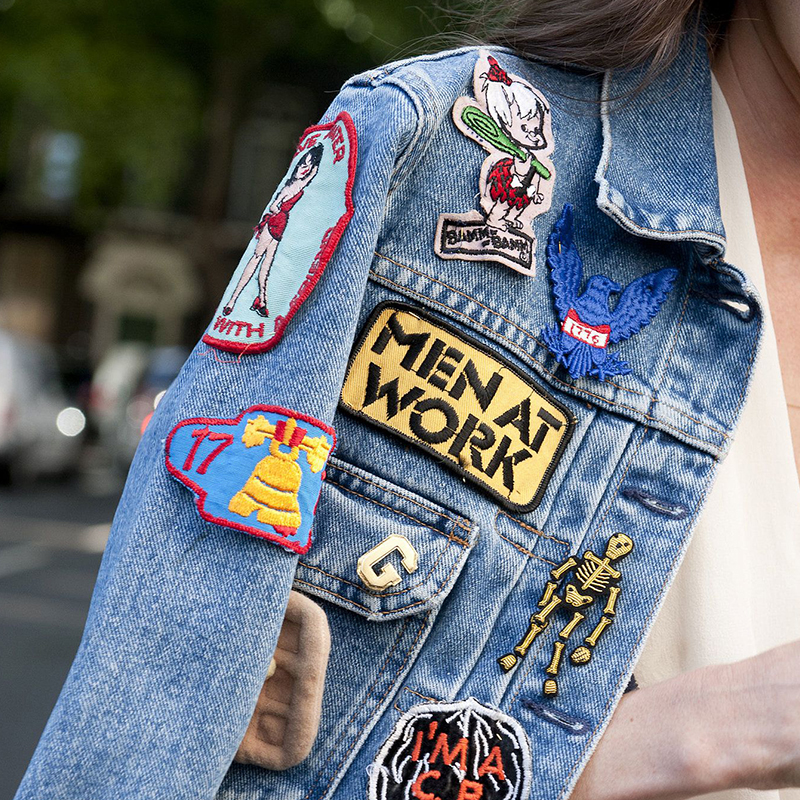
Diverse Applications of Patches
The versatility of embroidered patches means they show up everywhere:
Corporate & Industrial: Construction and security firms use patches on work shirts to establish authority.
Clubs & Organizations: From scouts to motorcycle clubs, patches signify membership and achievement.
Sports Teams: Teams use patches for commemorative anniversaries or championship wins.
Streetwear & Fashion: Brands use patches to create a "DIY" or "punk" aesthetic.
Merchandising: Artists sell patches as affordable, high-margin collectibles for their fans.
How are Embroidered Patches Made?
The journey from a digital file to a physical patch:
Digitizing: A designer converts your artwork into a "stitch file" (.DST). This tells the machine exactly where to drop the needle.
Framing: A large piece of twill fabric is stretched across a frame and placed into an embroidery machine.
The Stitching Process: The machine follows the digital map, sewing thousands of stitches per minute.
Applying the Backing: Once finished, the back is sealed with heat-activated glue or other materials.
Cutting & Bordering: The patches are cut out and finished with a merrowed or laser-cut edge.
How to Choose the Right Patch?
To get the perfect result, consider these factors:
Coverage Percentage: 50% coverage shows the background twill (good for simple text), while 100% coverage is fully stitched (looks most luxurious).
Backing Type: Iron-on for ease, Sew-on for permanent durability, and Hook & Loop (Velcro) for tactical flexibility.
Size and Detail: Keep text at least 5mm tall for embroidery. If your design is very intricate, you might need a larger patch or a switch to woven.
Conclusion
Embroidered patches are a bridge between tradition and modern branding. Their durability and tactile beauty make them an unbeatable choice for making a lasting impression that never goes out of style. Whether you’re building a brand or personalizing your wardrobe, the embroidered patch is a classic tool that never goes out of style.
Why Choose Custom Panda?
When it comes to bringing your vision to life, Custom Panda stands out as an industry leader.
• Unmatched Quality: Premium threads and industrial-grade backings.
• Low MOQs: Handling orders of all sizes with detail.
• Expert Digitizing: Translating logos into embroidery-friendly designs.
• Fast Turnaround: Transparent communication and timely delivery.
Let Custom Panda help you create something you’re proud to wear.
FAQ of Embroidered Patches
1. Can I wash clothes with embroidered patches attached?
Yes! They are highly durable. Sew-on patches withstand hundreds of washes. For iron-on, we recommend cold water and air-drying.
2. How do I choose between Iron-on and Sew-on backings?
Choose Iron-on for quick application on fashion items. Choose Sew-on for heavy-duty workwear or leather gear.
3. What is the smallest detail that can be embroidered vs. woven?
Embroidery typically requires text to be 5mm high for legibility. Woven patches can handle much smaller text, down to about 2mm, because of the thinner threads used.
4. Do I need a minimum order quantity (MOQ) for custom patches?
Custom Panda offers flexible ordering options, making it easy for small businesses and creators to get started without large upfront costs.

