
th
Custom PVC Patches: A Complete Guide from Custom Panda
What Are Custom PVC Patches?
Custom PVC patches are a modern alternative to traditional embroidered or woven patches, made from flexible polyvinyl chloride (PVC) material. Unlike fabric-based patches that can fray, fade, or absorb moisture, PVC patches are durable, waterproof, and produced in vibrant, three-dimensional designs.
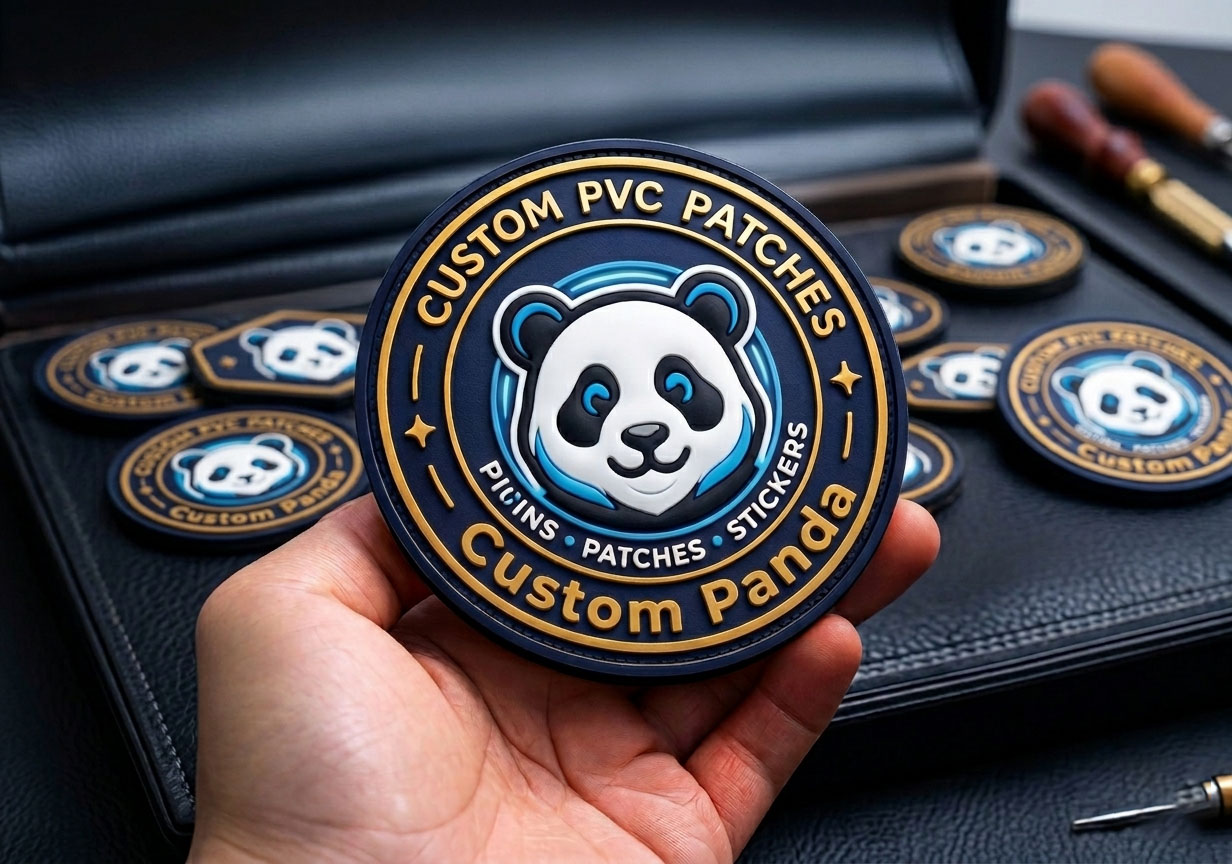
PVC patches are created by injecting liquid PVC into custom-designed molds. The material then cures into a solid, rubber-like patch that retains every detail of the original artwork. Because the color is mixed into the material itself—rather than dyed onto a surface—PVC patches will not crack, peel, or lose their vibrancy over time. This makes them the preferred choice for outdoor gear, tactical equipment, motorcycle clubs, and industrial branding where durability is non-negotiable.
Key Features Of Custom PVC Patches
The technical advantages of PVC patches set them apart from traditional patch manufacturing:
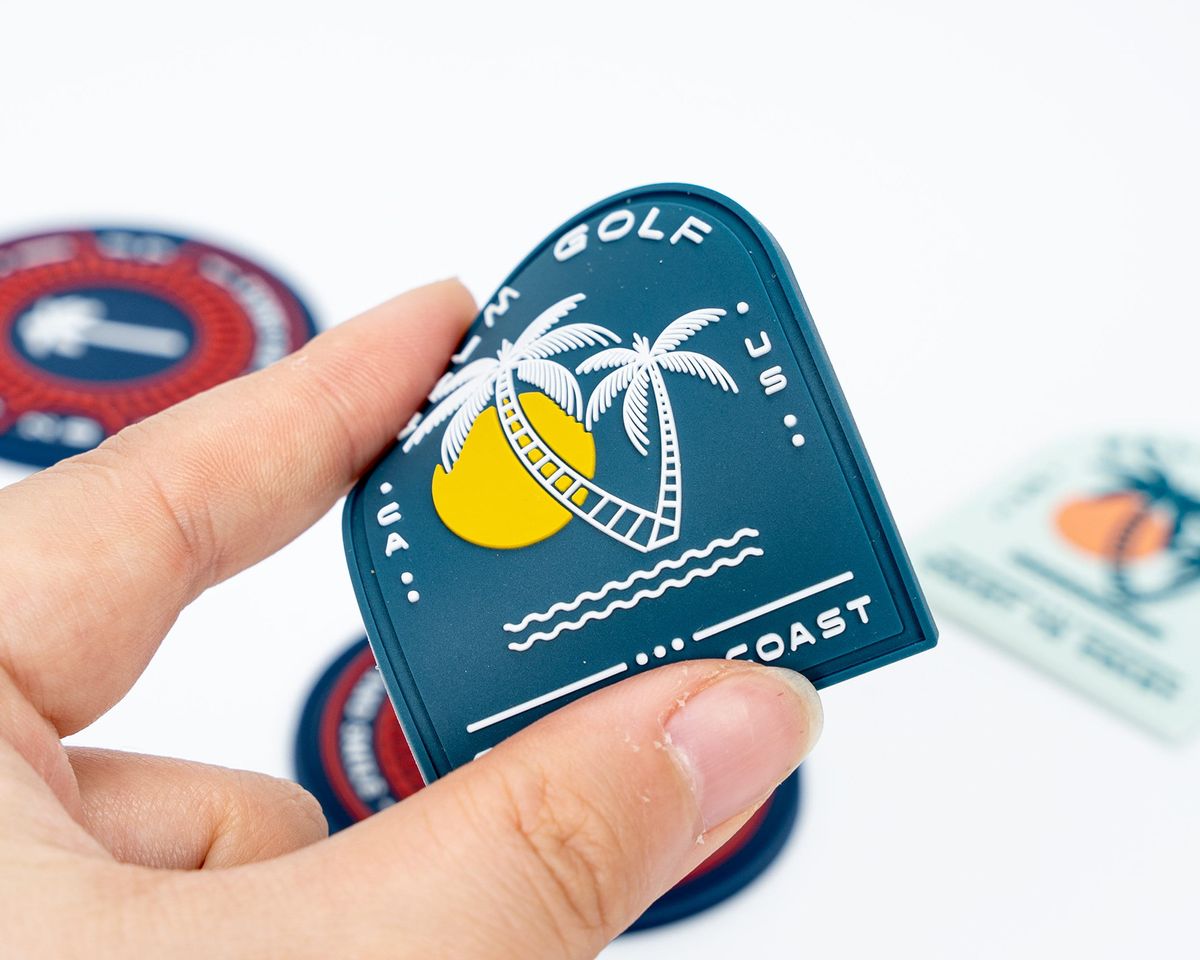
Unmatched durability: PVC is inherently resistant to water, UV radiation, chemicals, and extreme temperatures. Whether your patches are exposed to desert sun, arctic snow, or heavy rain, they will remain intact and readable.
3D dimensional design: Unlike flat embroidery, PVC patches can be molded with raised details, textured surfaces, and layered elements. This allows for logos with depth, creating a premium tactile experience that catches the eye and invites touch.
Vibrant, permanent colors: Because the color pigment is integrated into the PVC material, there is no risk of fading or bleeding. Colors remain as bright on year five as they were on day one.
Flexible and lightweight: Despite their rugged appearance, PVC patches are soft and pliable. They conform to curved surfaces like backpack straps, hat crowns, or uniform sleeves without cracking or losing shape.
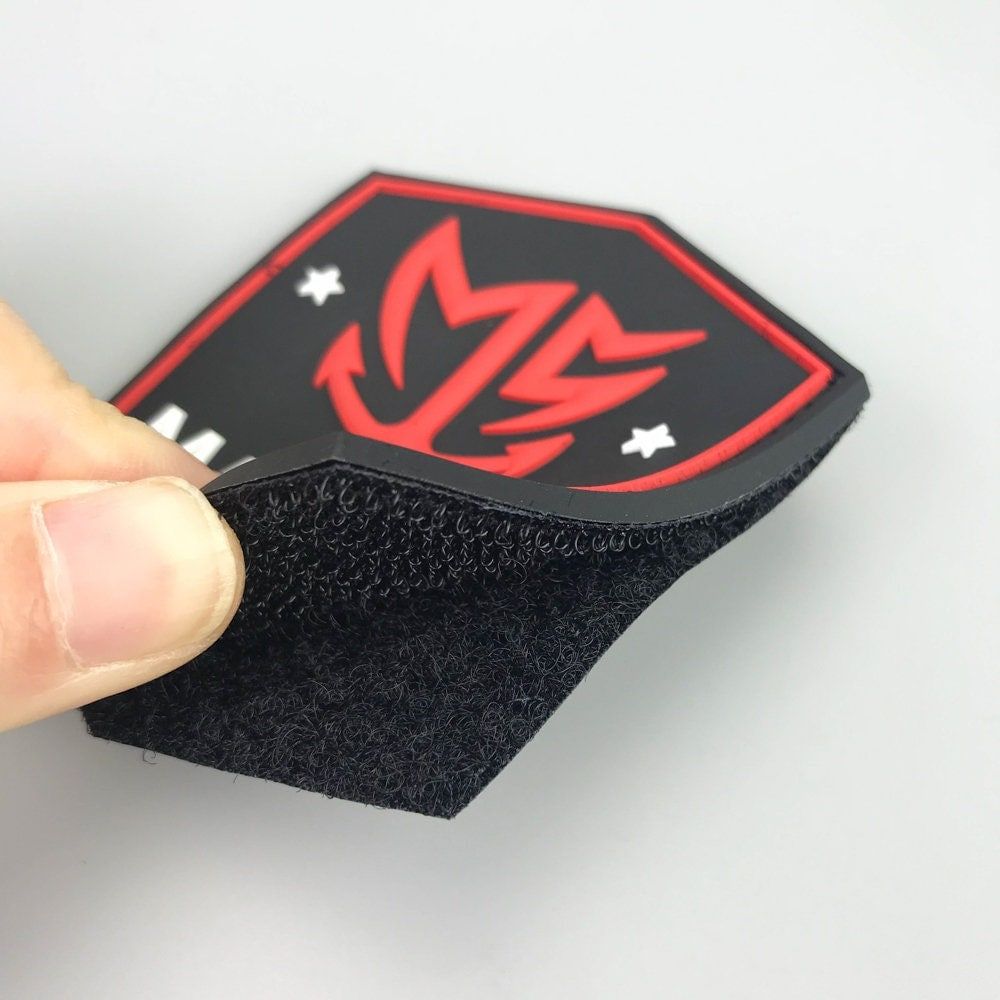
Easy attachment options: PVC patches can be supplied with hook-and-loop backing (Velcro), magnetic backing, adhesive backing, pin backing, or sew-on backing to suit any application.
How Custom PVC Patches Are Made
Understanding the manufacturing process helps buyers appreciate the value of PVC patches:
Step 1: Mold Creation – Your artwork is converted into a precision metal mold. The mold contains every detail of your design, including raised and recessed areas. This is the most critical step, as the mold determines the final quality of every patch produced.
Step 2: Color Mixing – Liquid PVC is mixed with color pigments according to your exact Pantone or CMYK specifications. Each color in your design requires a separate injection point in the mold.
Step 3: Injection – The liquid PVC is injected into the heated mold. Different colors are added sequentially to build the complete design. The mold is then closed and heated to cure the material.
Step 4: Cooling and Demolding – Once cured, the patch is removed from the mold. The result is a solid, flexible patch with every detail of your original artwork captured in three dimensions.
Step 5: Backing Application – The required backing (hook-and-loop, magnetic, adhesive, pin, or sew-on) is applied and bonded to the patch.
Step 6: Quality Inspection – Each patch is inspected for color accuracy, dimensional precision, and backing adhesion before packaging.
Types Of Custom PVC Patches
Different applications call for different PVC patch configurations:
2D PVC Patches (Flat)
These patches have a flat, smooth surface similar to a traditional rubber stamp. They are thinner, lighter, and more flexible than 3D patches. Ideal for applications where low profile is important, such as inside wallets or on lightweight garments.
3D PVC Patches (Molded)
These patches feature raised elements, recessed areas, and textured surfaces. They offer a premium, embossed look that stands out visually and tactilely. Perfect for brand logos, club insignia, and commemorative designs.
Glow-in-the-Dark PVC Patches
Phosphorescent pigments are added to the PVC mixture, allowing the patch to glow for hours after exposure to light. Popular for tactical gear, safety equipment, and nighttime events.
Reflective PVC Patches
Retroreflective materials are incorporated into the patch design, making the patch highly visible when light hits it. Essential for safety vests, emergency gear, and outdoor recreation.
Glitter or Metallic PVC Patches
Metallic or glitter pigments create a shimmering effect. Popular for fashion patches, event merchandise, and promotional giveaways.
Wide-Ranging Applications Of Custom PVC Patches
The versatility of PVC patches makes them valuable across numerous industries:
Military and tactical gear – Unit insignia, morale patches, rank indicators, and identification markers. The durability and hook-and-loop compatibility of PVC patches make them standard issue for armed forces worldwide. They withstand field conditions that would destroy embroidered patches within weeks.
Motorcycle clubs and outdoor recreation – Club colors, event patches, and brand logos. Bikers choose PVC because the patches survive wind, rain, sun, and vibration without fraying or fading. The flexibility also allows them to conform to leather jackets and vests.
Industrial and safety equipment – Hard hat identification, uniform branding, and safety warnings. PVC patches are chemical-resistant and can be cleaned with industrial solvents without damage. They also do not absorb oils or fuels.
Corporate branding and promotional products – Logo patches for uniforms, trade show giveaways, and employee recognition items. PVC offers a premium, modern alternative to embroidered patches at a competitive price point.
Outdoor gear and luggage – Backpack logos, luggage tags, and equipment labels. PVC patches withstand airport handling, weather exposure, and rough terrain without peeling or tearing.
Sports teams and events – Team logos, tournament patches, and championship memorabilia. The ability to create complex, colorful designs in a durable format makes PVC popular for amateur and professional sports organizations.
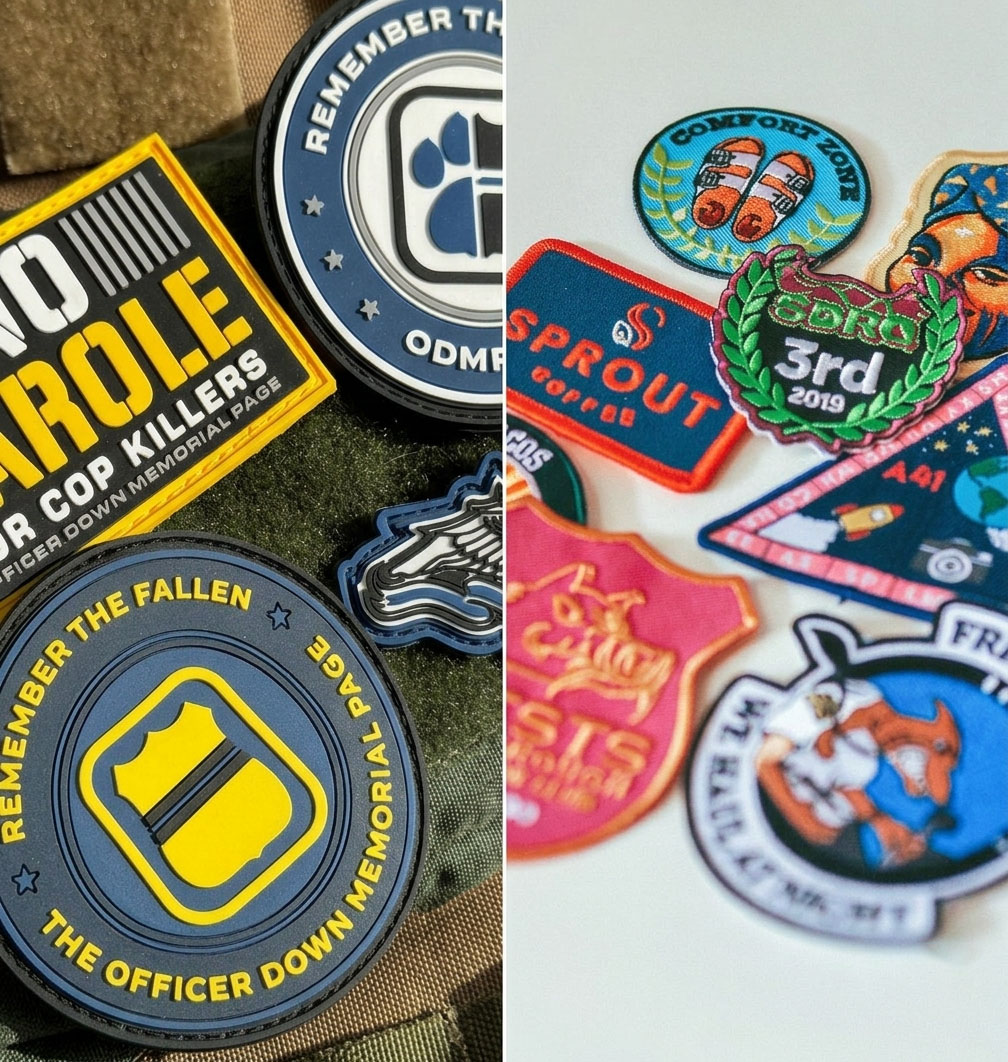
Custom PVC Patches Vs. Embroidered Patches
Choosing between PVC and embroidery requires understanding the trade-offs:
| Feature | PVC Patches | Embroidered Patches |
|---|---|---|
| Durability | Excellent – waterproof, UV-resistant, chemical-resistant | Moderate – can fray, fade, absorb moisture |
| Detail level | Very high – captures fine lines and complex shapes | Limited – thick threads cannot reproduce tiny details |
| Color vibrancy | Permanent – color is mixed into material | Fades over time – thread dye degrades with sun exposure |
| 3D capability | Yes – raised and textured designs possible | Limited – only flat embroidery |
| Weight | Lightweight | Heavier – multiple thread layers |
| Cost (low volume) | Higher setup cost (mold fee) | Lower setup cost |
| Cost (high volume) | Very cost-effective | Higher per-unit cost |
| Washability | Machine washable, no special care | Requires delicate handling |
For applications where the patch will face harsh conditions or must last for years, PVC is the superior choice. For traditional, uniform applications where cost is the primary concern and conditions are mild, embroidery may still be appropriate.
Design Tips For Custom PVC Patches
To ensure your PVC patch project succeeds, follow these professional guidelines:
Use bold, simple shapes – While PVC can capture fine details, the best results come from designs with clear boundaries and distinct color areas. Thin lines (under 1mm) may be difficult to reproduce consistently.
Limit your color count – Each color in a PVC patch requires a separate injection step. More colors mean higher costs. For most designs, 3–6 colors provide excellent results without unnecessary expense.
Provide Pantone colors – PVC colors are matched to Pantone numbers. Using Pantone references ensures accurate color reproduction across production runs. Avoid using screen colors or printed samples as color references.
Consider the backing early – Choose your attachment method before designing. Hook-and-loop backing requires slightly different edge geometry than sew-on or adhesive backings.
Request a mold proof – Before full production, ask for a mold proof or sample patch. This allows you to verify dimensional accuracy, color matching, and detail reproduction before committing to large quantities.
Leave a border – A 1–2mm border around your design helps prevent edge lifting and makes the patch easier to attach cleanly.
How To Attach Custom PVC Patches
Different applications require different attachment methods:
Hook-and-loop (Velcro) backing – The most popular option. The PVC patch has a hook surface that adheres to a loop surface on the garment or gear. This allows for easy removal and reattachment. Ideal for tactical gear, bags, and applications where patches may need to be swapped.
Sew-on backing – The patch has no adhesive; it is designed to be sewn directly onto fabric. This provides the most permanent attachment. Ideal for uniforms, jackets, and applications where the patch should never be removed.
Adhesive backing – A peel-and-stick adhesive layer allows the patch to be applied without sewing or Velcro. Ideal for hard surfaces like helmets, toolboxes, or electronic equipment. Not recommended for fabric applications where washing is required.
Magnetic backing – A magnet is embedded in the patch, allowing it to attach to metal surfaces. Ideal for vehicle magnets, locker identification, or temporary displays.
Pin backing – A traditional metal pin and clutch mechanism. Ideal for commemorative patches, event badges, or collector items.
Caring For Your Custom PVC Patches
One of the advantages of PVC patches is their minimal maintenance requirements:
Cleaning – PVC patches can be wiped clean with a damp cloth or mild soap and water. For stubborn dirt, use isopropyl alcohol. Do not use acetone, strong solvents, or abrasive cleaners.
Washing – If the patch is sewn onto a garment, the garment can be machine washed in cold water. Do not use bleach or fabric softener. Air dry or tumble dry on low heat. Do not iron directly on the PVC patch – the heat can melt or warp the material.
Storage – Loose patches should be stored in a cool, dry place away from direct sunlight. Do not stack heavy objects on top of patches, as prolonged pressure can deform the PVC.
Lifespan – With proper care, PVC patches will last 10+ years without significant degradation. The material remains flexible, colors stay vibrant, and the patch retains its original shape.
Custom Panda: Premium Custom PVC Patches Supplier For Your Brand
Custom Panda is a company that primarily designs and produces high-end customized products including Custom Pins, Custom Patches, and Custom Labels. We specialize in bringing your brand identity to life through premium-quality custom accessories that stand out in any market.
What sets us apart is our commitment to excellence and customer satisfaction. Our service features include:
Premium Quality
No Minimum Order
Factory Direct Pricing
Free Digital Proof
Worldwide Shipping
Fast Turnaround
Whether you need custom PVC patches for military units, motorcycle clubs, corporate branding, or promotional events, Custom Panda provides the technical expertise and manufacturing capability to bring your vision to life. If you are looking for a reliable custom patch supplier or need technical support for your design, contact Custom Panda today. Let us create products that represent your brand with durability and style.
FAQ: Common Questions About Custom PVC Patches
Q1: Is there a minimum order quantity for custom PVC patches?
A: No. Custom Panda offers no minimum order quantity. We accept orders of any size, from small batches to large production runs.
Q2: How long does it take to produce custom PVC patches?
A: Mold creation takes approximately 5–7 days. Production typically takes 10–15 business days after mold approval. Expedited options are available for urgent orders.
Q3: Can you reproduce my existing embroidered patch in PVC?
A: Yes. Send us your existing patch or artwork, and we will convert the design into a PVC-compatible format. In most cases, the PVC version will have sharper detail and more vibrant colors than the original embroidery.
Q4: Are PVC patches safe for children's products?
A: Our PVC patches are manufactured using phthalate-free, non-toxic PVC compounds that comply with international safety standards including CPSIA, REACH, and RoHS. Please specify your certification requirements when ordering.
Q5: Can I get a sample before placing a full order?
A: Yes. We offer free digital proofs for all designs. Physical samples may be available for a small fee, which is typically credited toward your full production order.

