
From iconic varsity jackets to contemporary streetwear and luxury retail branding, custom chenille patches have evolved from academic symbols into powerhouse design elements. This guide explores everything you need to know about custom chenille patches, detailing how they are made, how to apply them, and how they can elevate your product line.
What Are Custom Chenille Patches?
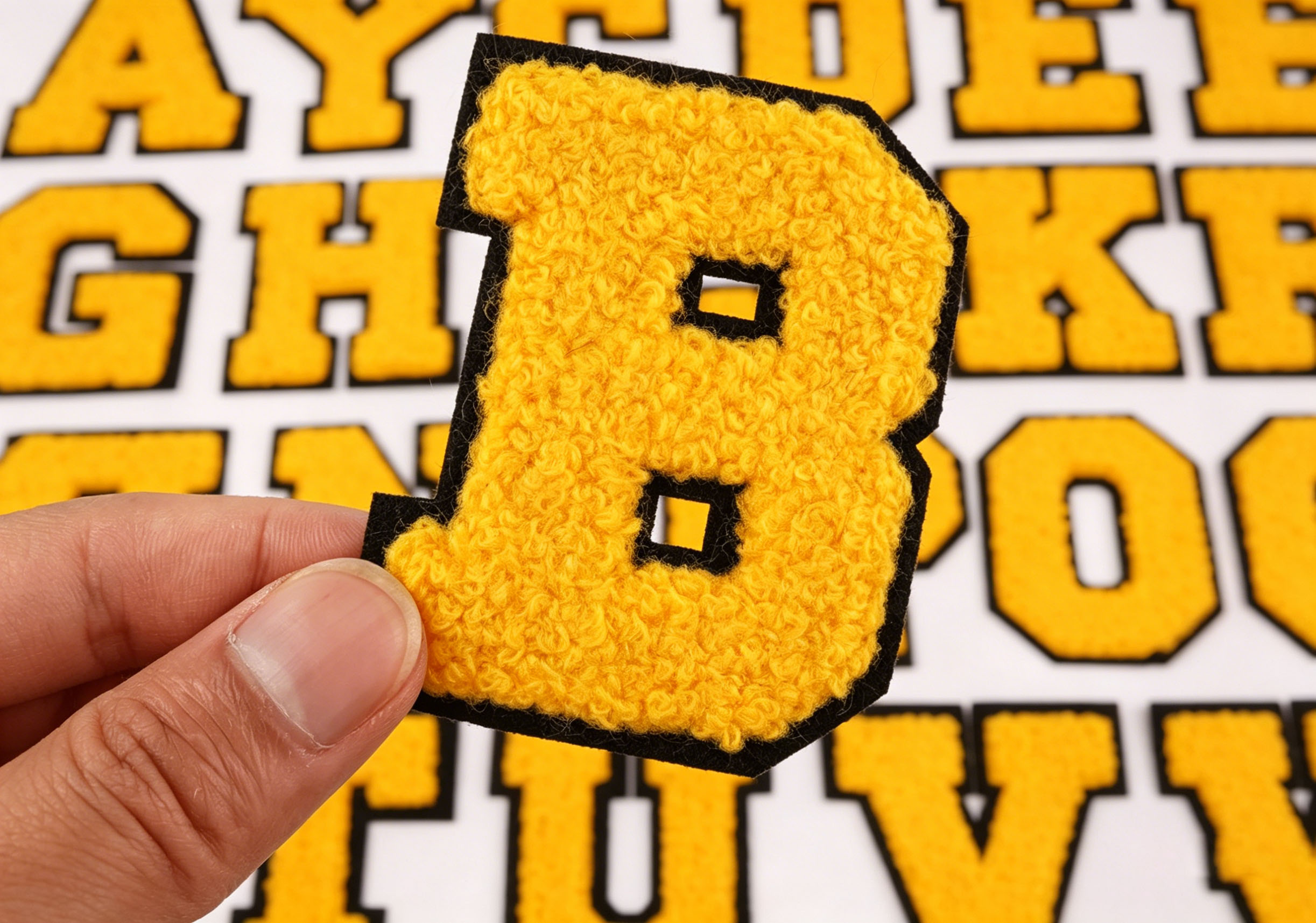
A chenille patch is a specialized piece of textile embellishment characterized by a thick, fuzzy, carpet-like pile. The word "chenille" is derived from the French word for caterpillar, which perfectly describes the furry, rounded texture of the yarn used in this process.
Unlike standard embroidery, which uses flat, tight stitches, chenille utilizes a unique vaulting technique where short lengths of yarn are wrapped around a core and spun tightly. The loops stand upright on a fabric base, creating a distinct three-dimensional effect. Historically associated with high school letterman jackets, chenille patches have broken out of the sports arena to become a staple in modern streetwear, casual apparel, and luxury branding.
Key Features of Chenille Patches
Retro AestheticInstantly communicates authentic vintage or collegiate vibe, unreachable by flat printing.
Main Types of Custom Chenille Patches
To match different design complexities and aesthetic requirements, custom chenille patches are categorized into several distinct styles:
Standard Chenille Patches
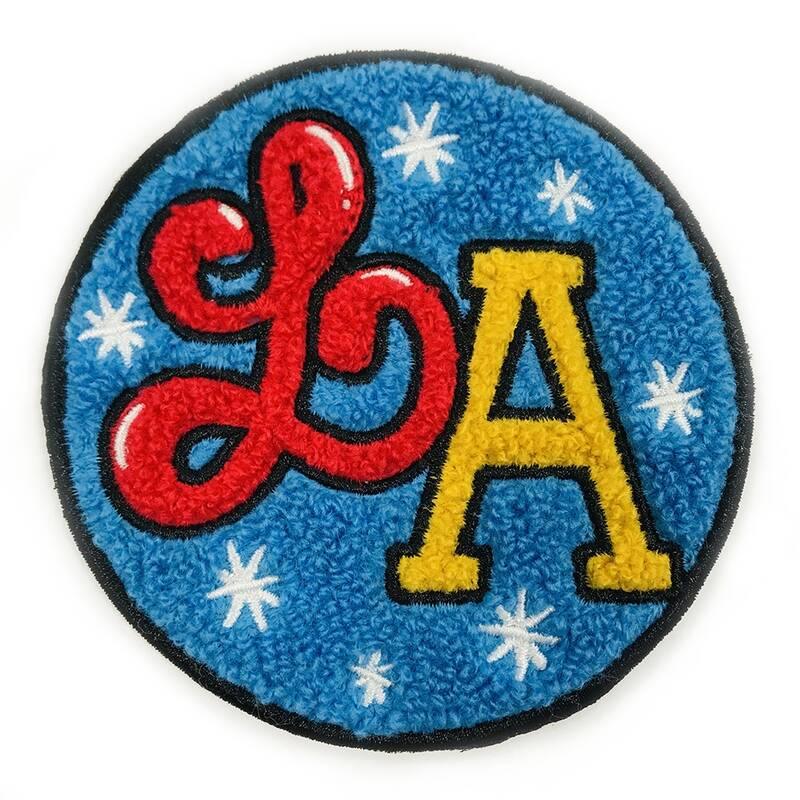
These feature pure chenille loops bordered by a clean embroidered or merrowed edge. They work exceptionally well for large, bold, and solid shapes, such as collegiate letters, numbers, and basic geometric logos.
2. Chenille Patches with Fine Embroidery Details
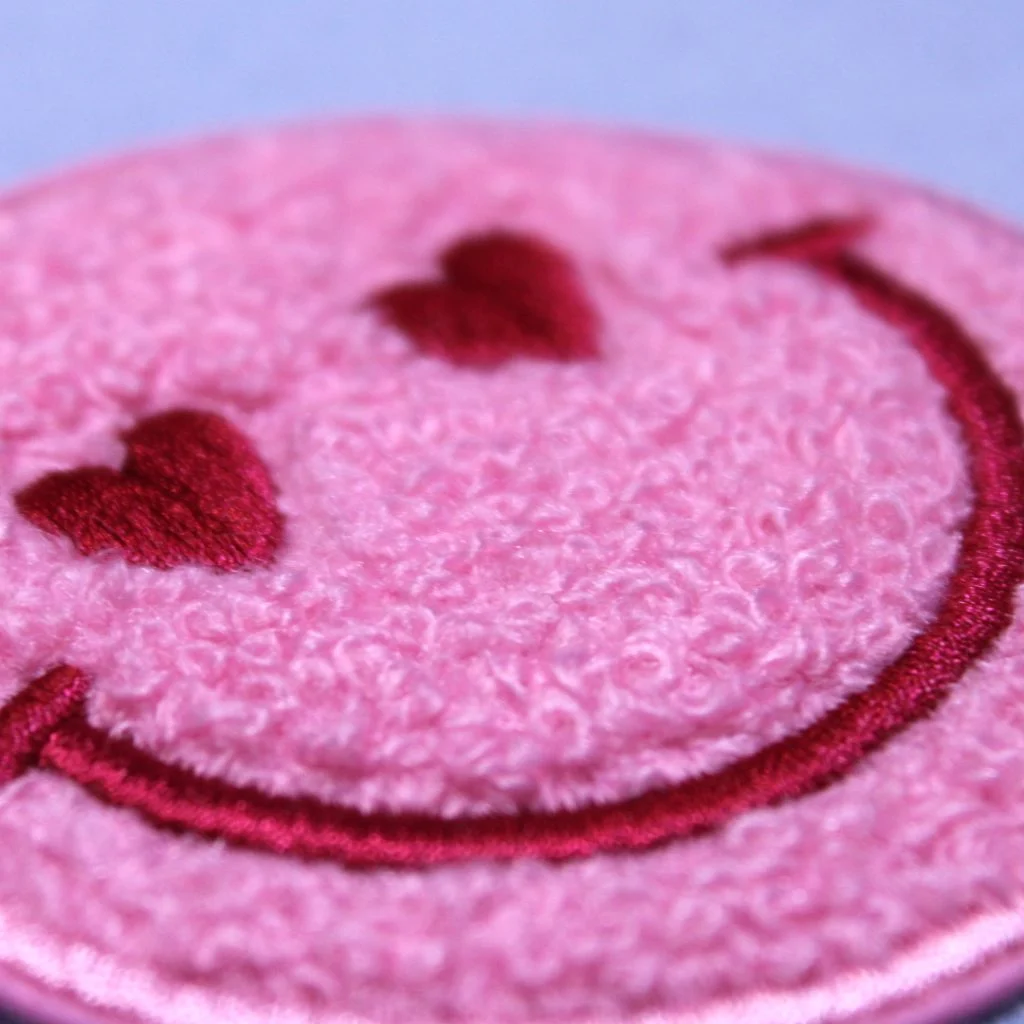
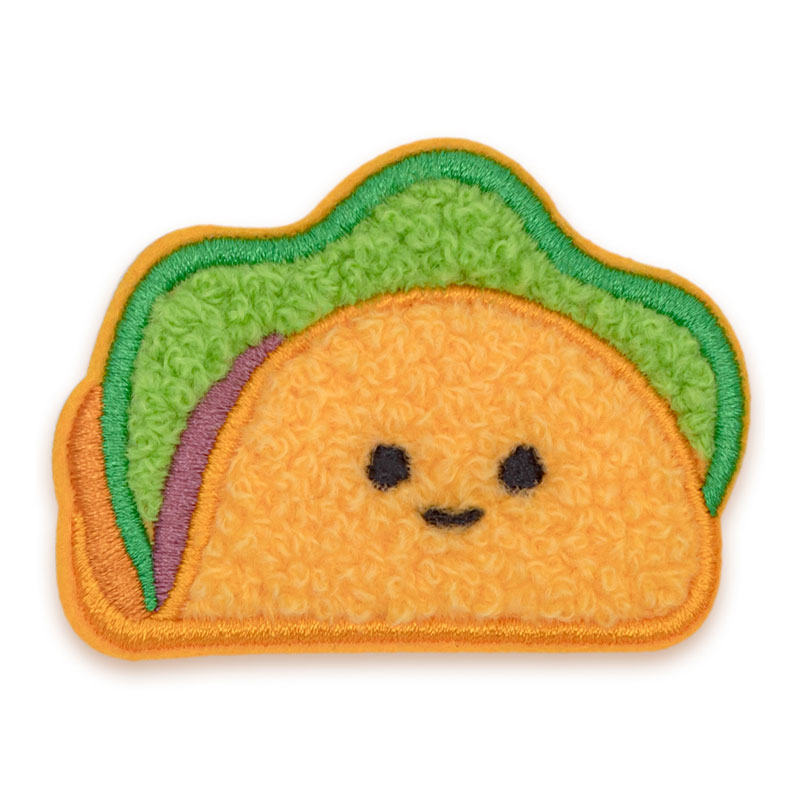
Because chenille yarn is thick, it cannot replicate tiny text or intricate lines. To overcome this, advanced designers combine chenille with standard embroidery. The main body of the design uses fuzzy chenille, while fine details, facial features, or text are layered on top using sharp, precise embroidery thread.
3. Sequin and Glitter Chenille Patches
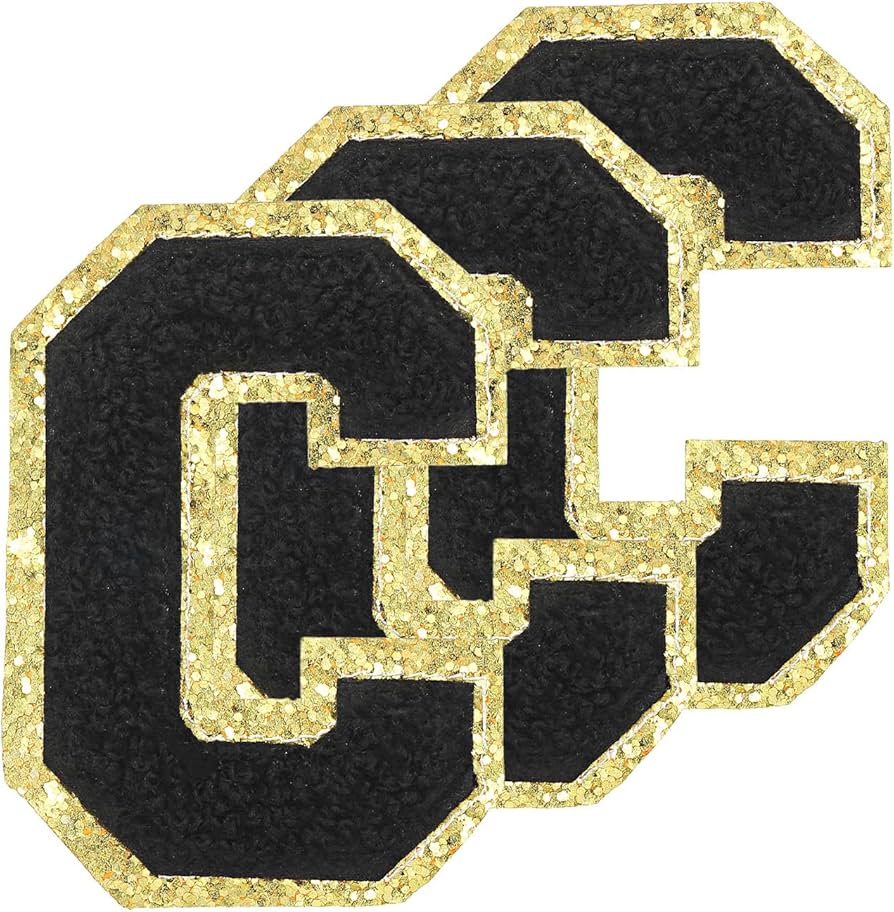
For fashion lines targeting youth, pop culture, or glamorous streetwear, chenille loops can be accented with sequins or embedded glitter fabric backings. This marries the soft, matte feel of chenille with a high-contrast sparkle.
4. Printed Chenille Patches
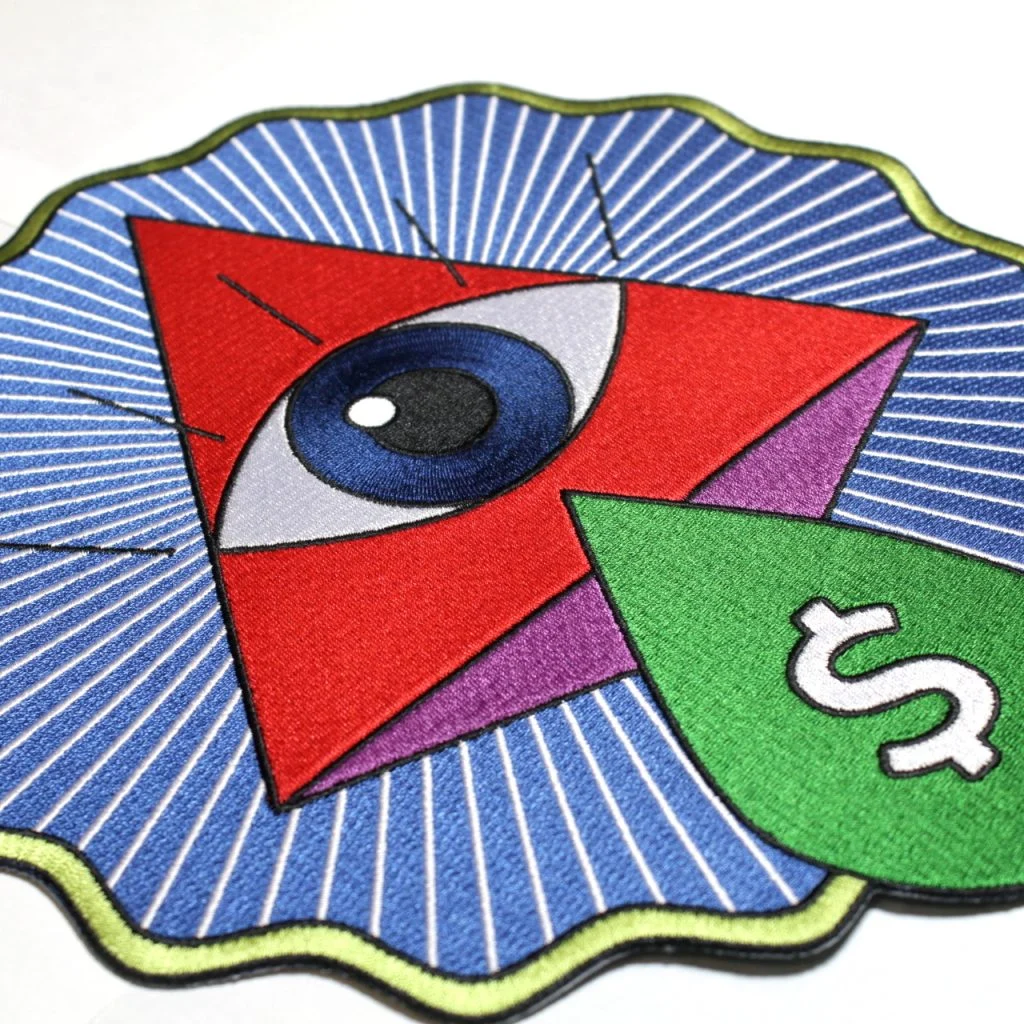
When a logo contains highly complex color gradients or photographic elements that yarn cannot recreate, the design is directly sublimated or printed onto the chenille pile. This preserves the plush texture while delivering full-color graphic fidelity.
How Are Custom Chenille Patches Made?
Creating a high-quality chenille patch is a precise mechanical and artistic process. Here is how a digital concept transitions into a physical, tactile patch:
Digital Digitizing – A graphic designer converts standard artwork into a specialized digitized file that a chenille machine can read. The digitizer must explicitly program the machine to handle loop heights, stitch densities, and the paths for the underlying chain stitches.
Preparing the Fabric Base – A durable fabric backing—most commonly heavy felt—is tightly framed and placed onto the machine. This base supports the heavy weight of the chenille yarn and prevents the patch from puckering.
The Vaulting Process – Unlike standard sewing machines that loop thread through the fabric from top to bottom, a chenille machine uses a specialized needle and a loop-forming mechanism underneath. It pulls the yarn upward into continuous, vertical loops, packing them tightly together to create a dense, uniform, carpet-like surface.
Adding Embroidery and Borders – If the design requires fine text or sharp outlines, the machine switches to standard embroidery needles to overlay traditional threads. Once the design is complete, a merrowed border or an embroidered satin stitch edge is applied around the perimeter to seal the yarns and prevent fraying.
Backing Application and Cutting – Depending on the customer's needs, a backing—such as iron-on heat adhesive, peel-and-stick adhesive, or a clean cloth backing—is applied to the reverse side. Finally, laser cutters precisely slice around the border of each patch to ensure perfectly clean edges.
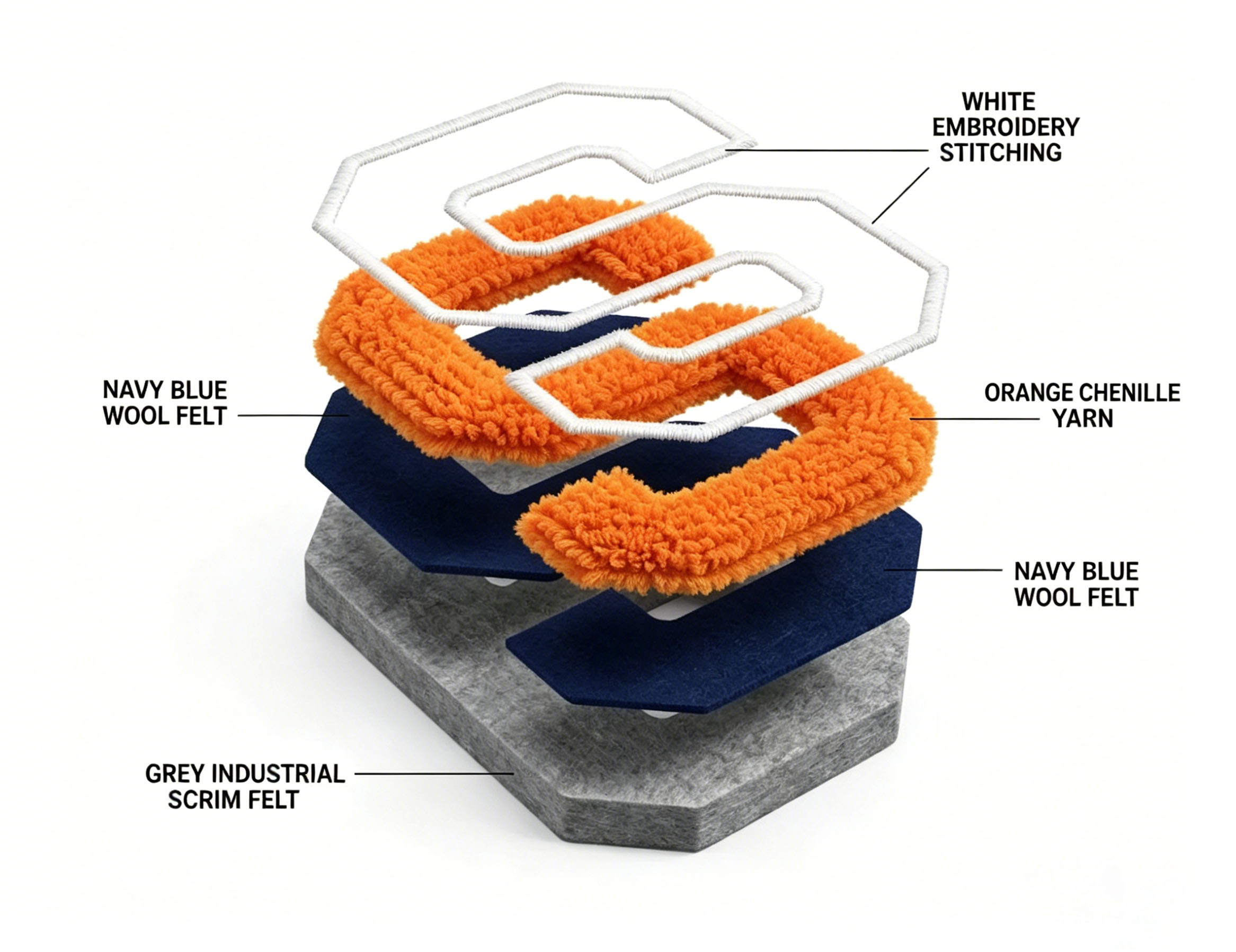
Felt & Chenille: The Perfect Combination
The relationship between chenille yarn and felt backing is fundamental to the patch-making process. Felt serves as the ideal foundation for several reasons:
Dimensional Stability: Felt does not fray when cut into complex custom shapes, providing a clean frame around the fuzzy yarn.
Visual Contrast: Designers often allow a 1mm to 3mm border of the felt backing to remain visible around the edge of the chenille. This "double-felt" look acts as a built-in mat or shadow effect, making the patch pop even more against the garment.
Structural Support: The density of felt balances the weight of thick chenille loops, preventing the finished patch from sagging or wrinkling when attached to heavy jackets or hoodies.
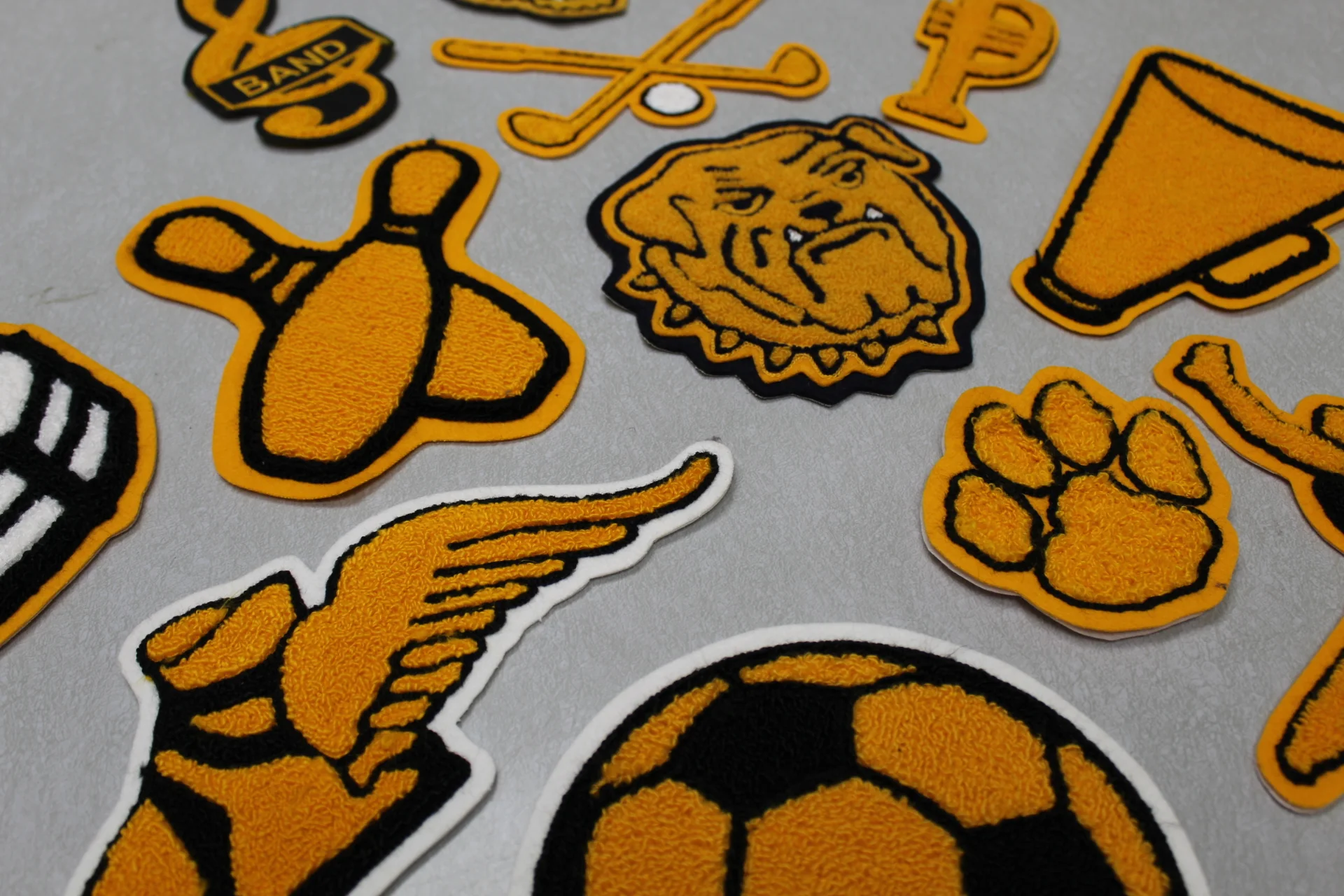
How Do Chenille Patches Work?
From a structural perspective, a chenille patch acts as a self-contained emblem that can be anchored to almost any stable textile surface. Internally, the loops are anchored at their base by a tight chain-stitch foundation. This structural base is glued or fused to the primary felt backing, ensuring the loops never pull out during everyday wear.
On the external side, the patch works by providing a high-contrast focal point. Because it sits significantly higher than the surface of the host garment, it naturally draws the eye, turning a plain sweatshirt or backpack into a premium, branded piece.
Advantages of Custom Chenille Patches
Where to Apply Custom Chenille Patches
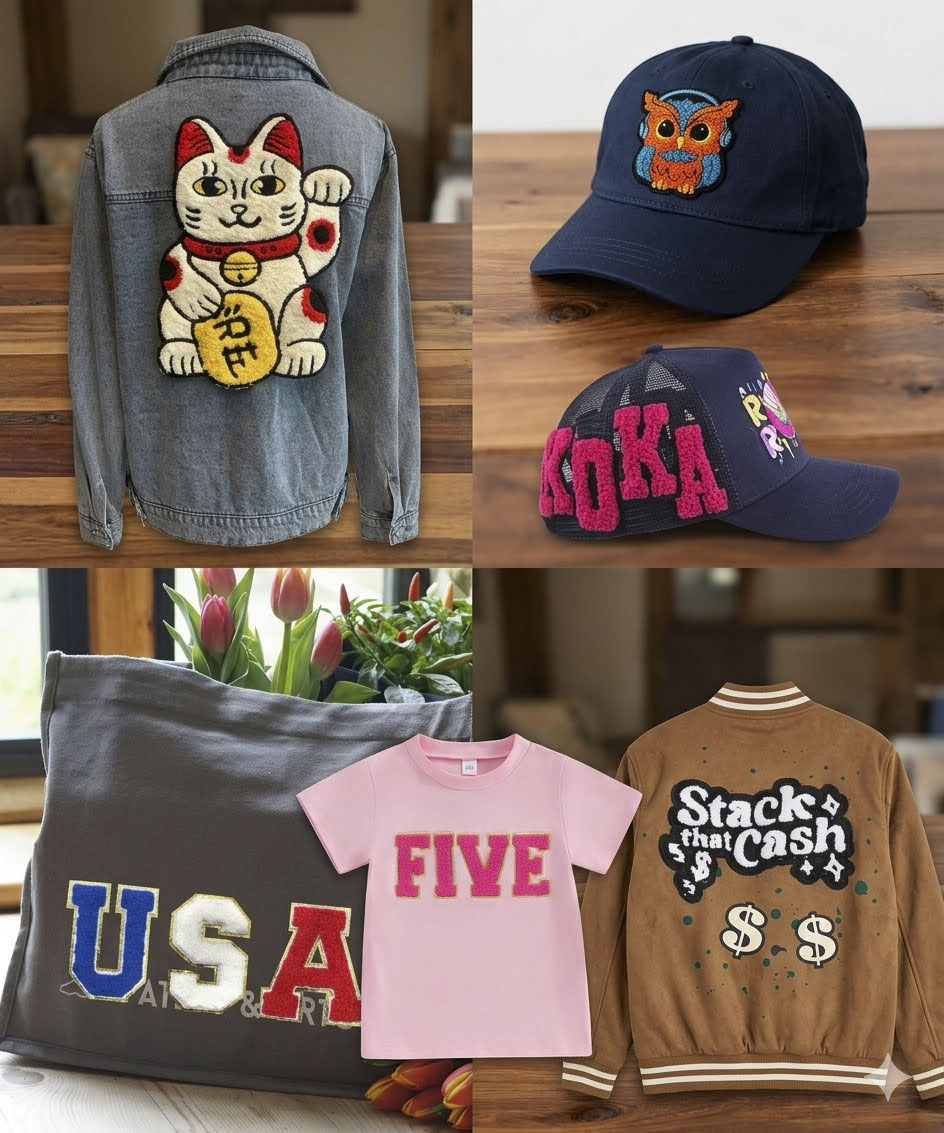
Chenille patches are incredibly adaptable, but they shine best on mid-weight to heavy-weight fabrics. Consider adding them to the following product categories:
Varsity & Bomber Jackets: The absolute classic application. Perfect for large chenille letters on the chest or massive, elaborate mascot designs covering the back.
Hoodies & Heavyweight Sweatshirts: Centered chest logos executed in chenille transform basic loungewear into a premium streetwear statement.
Headwear: Snapbacks, beanies, and trucker hats benefit immensely from smaller, high-density chenille patches placed front and center.
Bags and Accessories: Tote bags, canvas backpacks, and travel duffels gain an upscale, collegiate aesthetic when decorated with chenille patches.
Kids and Baby Apparel: Because chenille is exceptionally soft and completely free of rough edges, it is an incredibly popular choice for children's sweaters, rompers, and blankets.
How to Apply Chenille Patches with Ease
Attaching your custom chenille patches can be achieved through three primary methods, depending on your equipment and the intended permanence of the design:
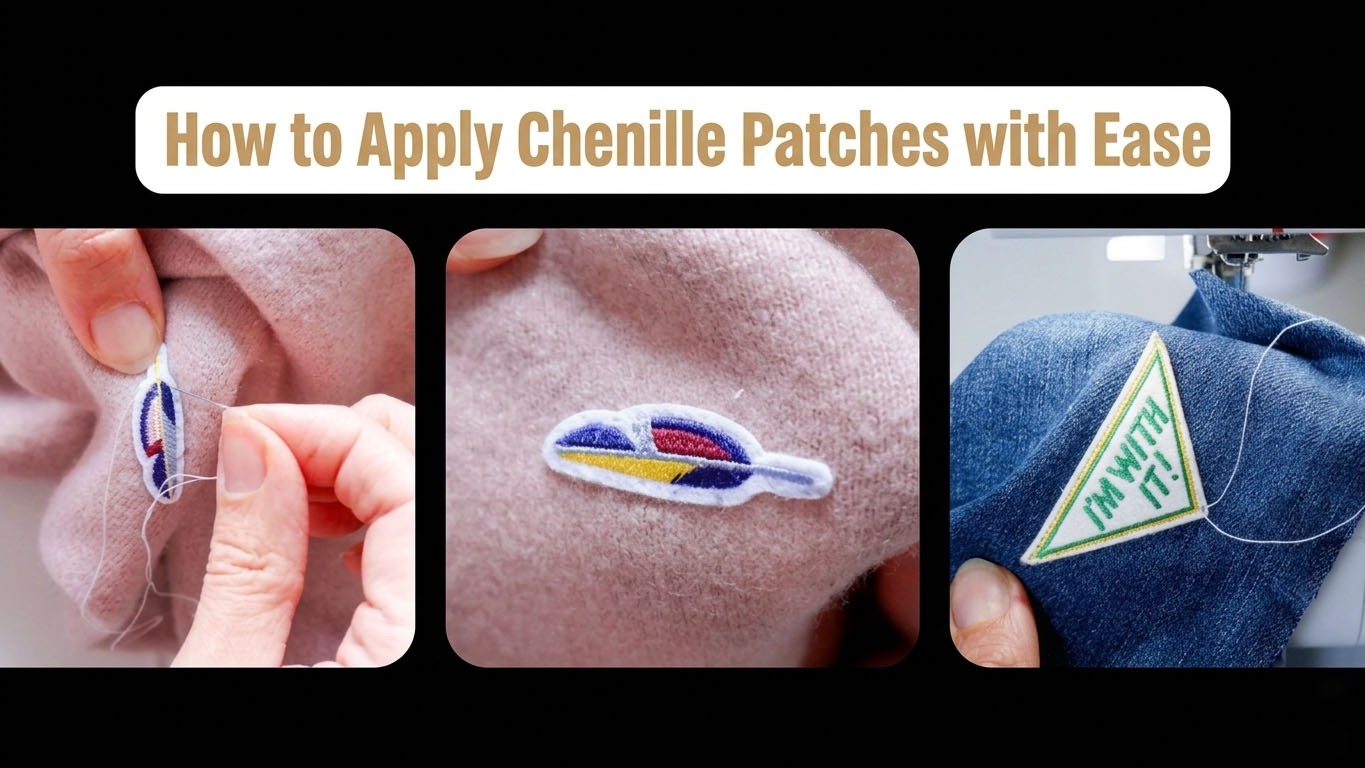
For maximum longevity, especially on items that face frequent washing, sewing is best.
1. Position the patch on the garment and secure it temporarily using fabric pins or clear fabric tape.
2. Set your sewing machine to a medium straight stitch or a narrow zigzag stitch.
3. Slowly stitch along the inside track of the merrowed or embroidered border.
4. Backstitch at the end to lock the threads completely.
If your patches feature a heat-activated adhesive backing, you can fuse them using a commercial heat press or a home iron.
1. Preheat your iron to a medium-high setting (around 300°F / 150°C) with the steam function turned completely off.
2. Place the garment on a flat, hard surface and pre-heat the target area for 5 seconds.
3. Position the patch. Crucial Step: Cover the patch with a clean parchment paper or a thin pressing cloth. Never touch a hot iron directly to chenille yarn, as it will melt the loops.
4. Apply firm, downward pressure for 15 to 20 seconds.
5. Turn the garment inside out and press firmly from the backside for another 15 seconds to ensure the glue melts completely into the garment fibers.
Best for temporary promotional events, trade shows, or hard surfaces like laptops and phone cases. Simply peel away the paper liner on the back and press the patch firmly onto a clean, dry surface for 30 seconds.
How to Care for Chenille Patches
To keep the fuzzy pile of your chenille patches looking plush and vibrant for years, follow these essential maintenance protocols:
Wash Inside Out: Always turn the garment inside out before tossing it into the washing machine. This protects the yarn loops from friction caused by zippers, buttons, or rough denim in the same load.
Gentle Cycle, Cold Water: Use a mild detergent on a gentle cycle with cold water. High temperatures can degrade the adhesive backing and warp the chenille fibers.
Skip the Dryer: Air drying is highly recommended. Lay the garment flat on a towel or hang it up to dry. If you must use a dryer, select the lowest heat or "air fluff" setting.
Never Iron Directly: If the patch looks crushed after washing, brush it gently with a soft-bristled toothbrush to revive the pile. If you must iron the surrounding garment, always work from the reverse side or use a protective pressing cloth over the patch.
Frequently Asked Questions (FAQ)
Why Choose Custom Panda?
When it comes to turning your creative concepts into premium, tactile realities, Custom Panda stands as the industry standard. We balance state-of-the-art manufacturing technology with meticulous quality control to ensure every loop, stitch, and border is structurally flawless.
Here is what sets our production apart:
Unmatched Design Precision: Our specialized digitizers excel at mapping out the ideal stitch paths, seamlessly blending plush chenille with crisp, detailed embroidery to preserve your exact brand logo files.
Premium Material Sourcing: We use ultra-dense, colorfast acrylic yarns and heavy-duty felt backings that hold up to rugged wear and repeated wash cycles without fading or fraying.
Flexible Customization Options: Whether you need standard sew-on backings, iron-on heat adhesives, or double-felt vintage borders, we tailor every parameter to match your manufacturing workflow.
Dedicated End-to-End Support: From checking your initial artwork blueprints to finalizing mass production, our team guides you through every single phase to guarantee a flawless finished product.

