
th
Why Use Custom Leather Patches for Your Brand?
What Are Custom Leather Patches?
Custom leather patches are personalized pieces of leather — either genuine, bonded, or faux — that are stamped, engraved, or printed with a brand's logo, text, or design. These patches are typically attached to clothing, bags, hats, footwear, and other products to serve as durable and visually appealing brand identifiers.
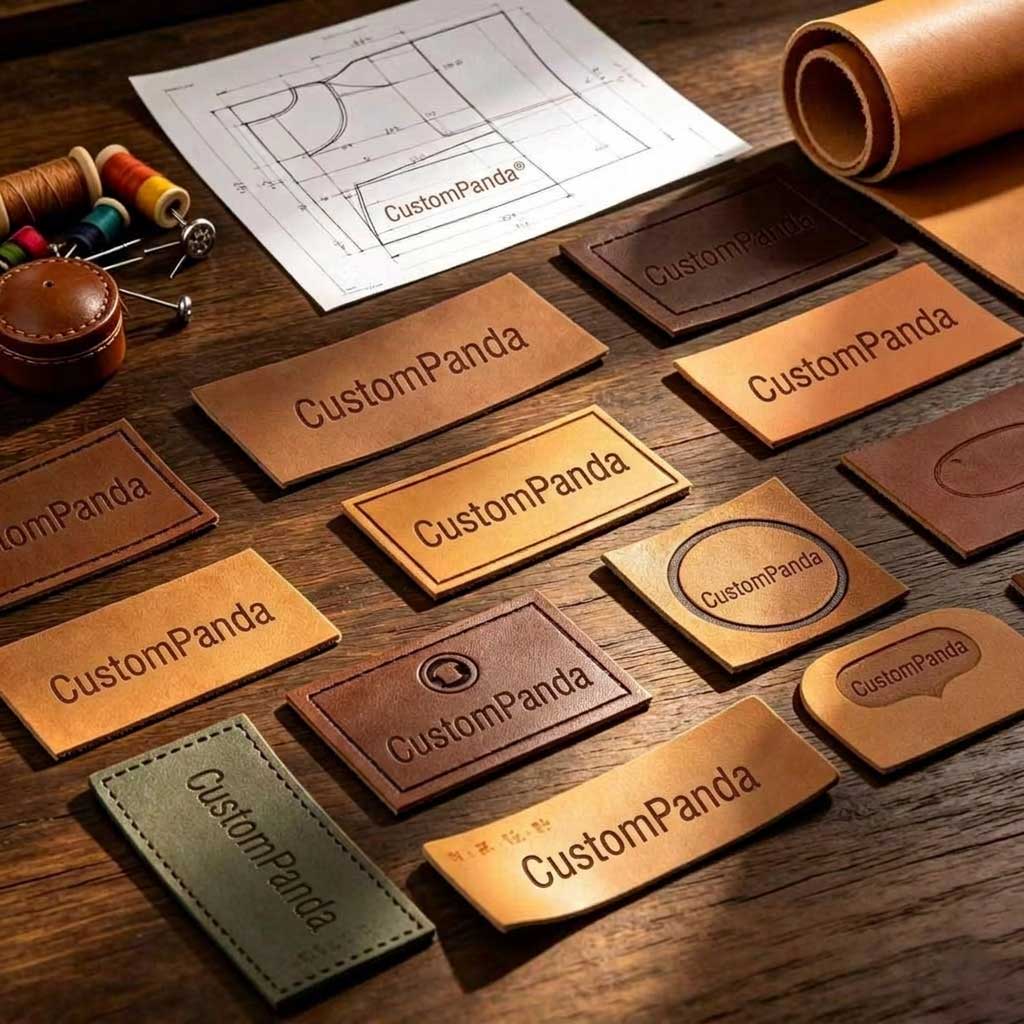
Unlike standard fabric labels or plastic tags, custom leather patches carry a natural, tactile quality that immediately communicates craftsmanship and attention to detail. They can be sewn on, ironed on, or glued onto almost any surface, making them one of the most versatile branding tools available to product designers and business owners.
In essence, a custom leather patch is more than just a label. It is a statement piece. When a customer sees a leather patch on a pair of jeans or a backpack, they instinctively associate that product with quality, durability, and authenticity. That is precisely why so many brands — from small artisan workshops to global fashion houses — choose leather patches over cheaper alternatives.
Main Types of Custom Leather Patches You Can Order
Not all leather patches are created equal. Depending on your budget, brand image, and functional requirements, you can choose from several distinct types of custom leather patches.
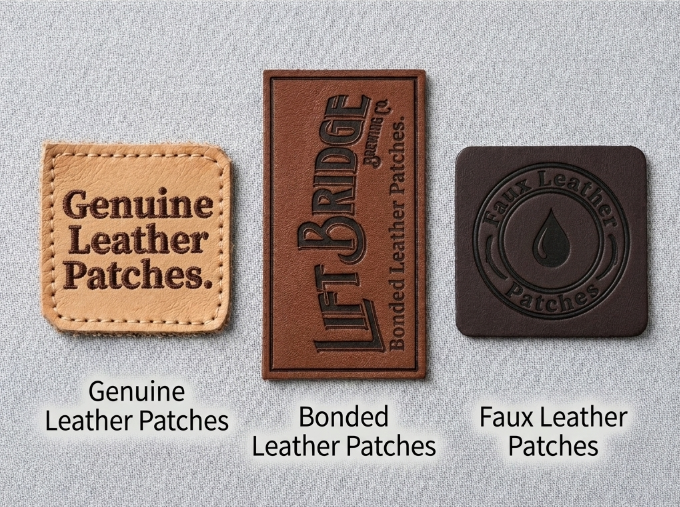
Genuine Leather Patches
Made from real animal hide (cowhide, goat, sheep). Highest durability, natural aesthetic, develops unique patina over time. Ideal for premium denim, luxury bags, heritage goods.
Bonded Leather Patches
Blend of leather fibers + polyurethane binders. Affordable yet retains leather look & feel. Popular for mid-range apparel and promo merchandise.
Faux Leather Patches
100% synthetic (PU/PVC). Vegan-friendly, consistent color, cost-effective. Suitable for large runs; does not age like genuine leather but offers uniformity.
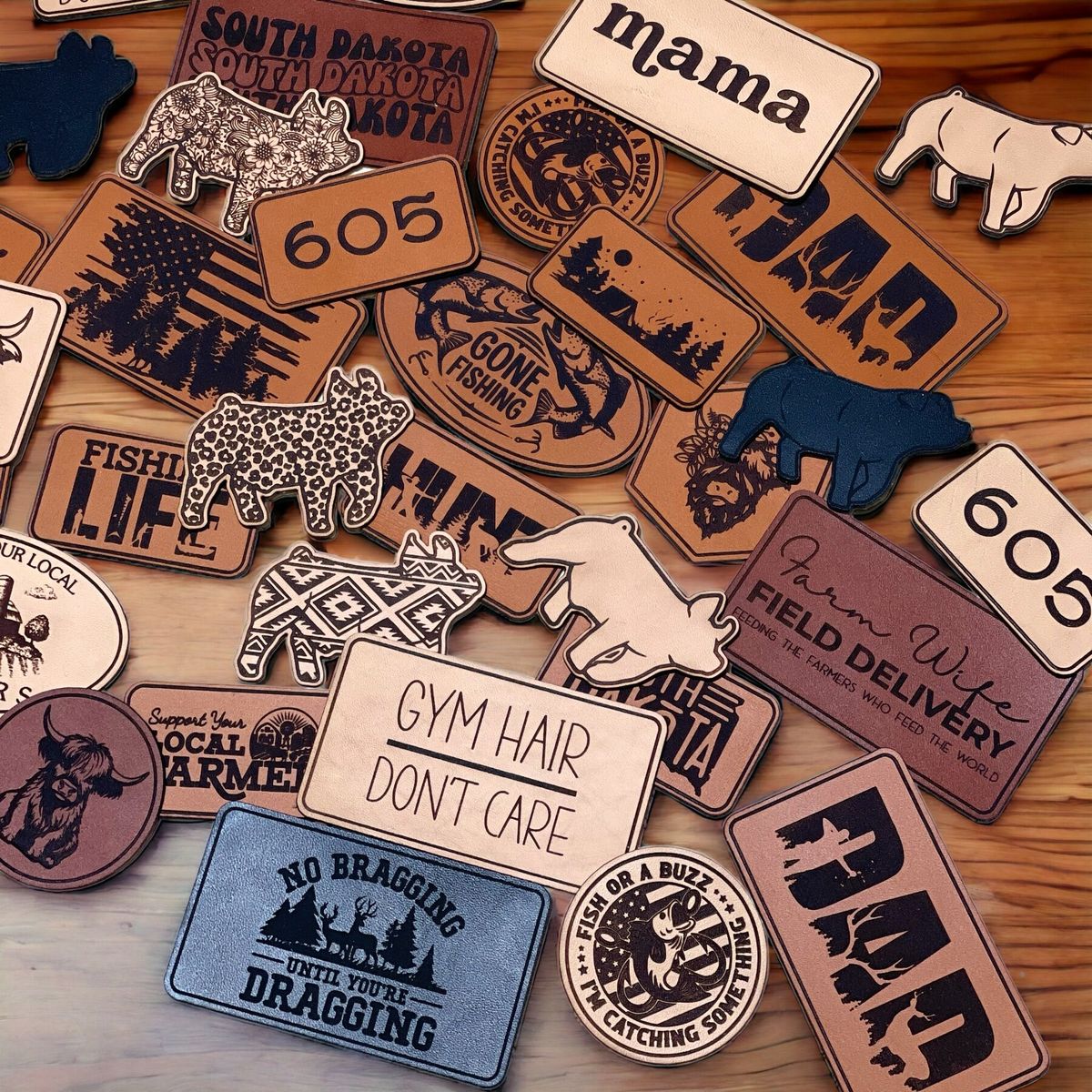
In addition to material differences, custom leather patches also vary by finishing method: embossed (raised design), debossed (recessed design), laser-engraved (fine detail), printed (full color), and woven-edge (fabric border). Finally, they can be cut into any shape — standard rectangles and circles, or custom die-cut shapes that follow the outline of your logo.
How Do Custom Leather Patches Work for Your Brand?
Custom leather patches work as a branding tool on multiple levels: physical visibility, psychological perception, and long-term emotional connection. Unlike digital ads or disposable tags, they continue promoting your brand every single day without additional cost.
Free Daily Brand Exposure
Every time a customer wears your jacket, carries your bag, or puts on your cap, your custom leather patch is visible to everyone around them. That stranger on the subway, the barista at their coffee shop, the friend they meet for dinner — all of them see your brand. This is earned media, and it costs you nothing. A single product with a leather patch can generate thousands of impressions over its lifetime.
Makes Product Feel Pricier
Humans judge quality by touch. When a shopper picks up a product and feels a genuine leather patch, their brain automatically registers: This is substantial. This is premium. This is worth more. This split-second judgment directly increases perceived value and willingness to pay. A custom leather patch does not just label your product — it upgrades it.
Looks Better with Age
Unlike plastic or fabric labels that fade and fray, genuine leather develops a beautiful patina over time — darker, softer, richer. When customers notice their leather patch looking better with age, that positive feeling transfers directly to your brand. They begin to see your product as a long-term companion rather than a disposable item. This turns one-time buyers into repeat customers.
Shows You Care About Quality
In a market flooded with cheap goods, small details separate memorable brands from forgettable ones. Choosing custom leather patches tells your customers that you care about every component of your product. That attention to detail builds trust. And trust is the foundation of brand loyalty.
Your logo printed on a plastic tag says "commodity." The same logo embossed on a custom leather patch says "craftsmanship." The patch does not just identify your product — it interprets your brand, shaping how customers feel before they even read your name.
Advantages of Custom Leather Patches vs Other Similar Products
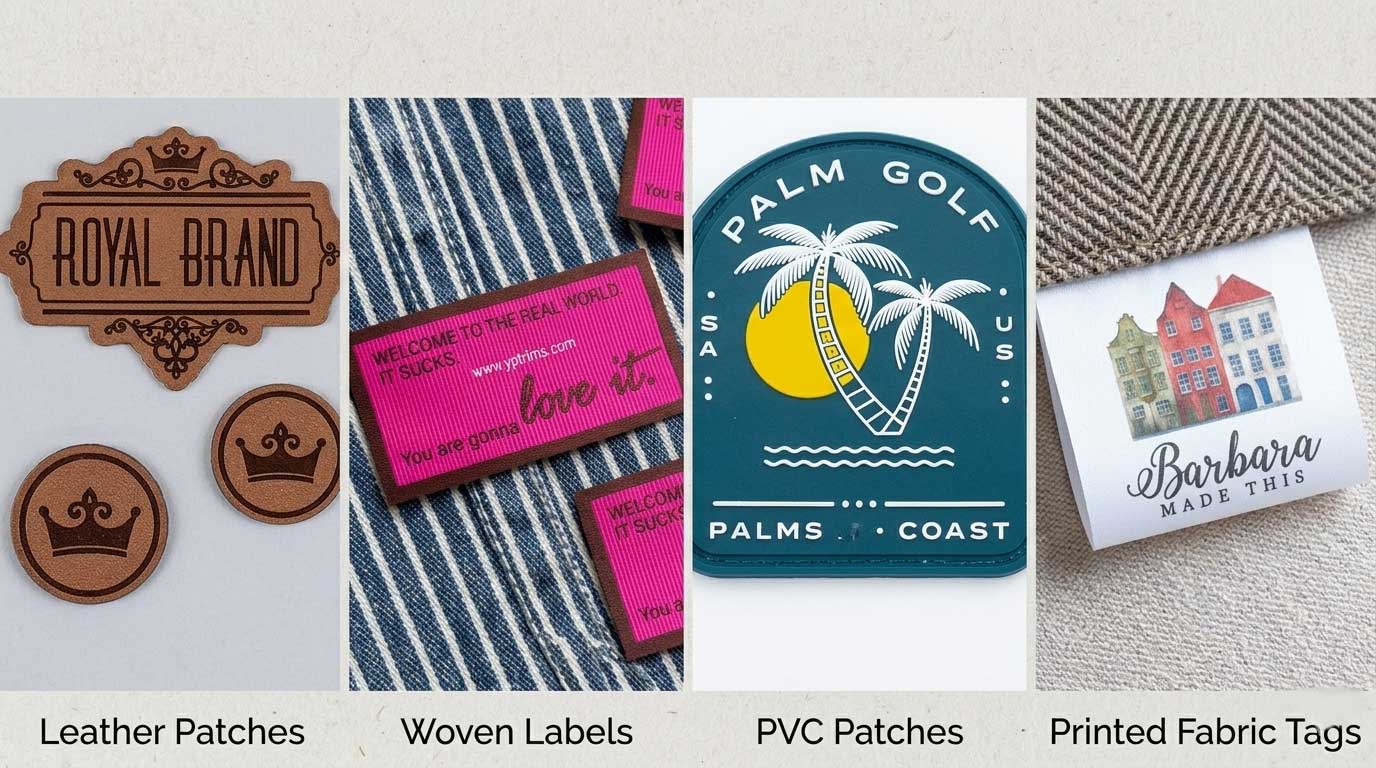
To truly understand the value of custom leather patches, it helps to compare them side by side with other common branding labels. The table below breaks down the key differences between custom leather patches, woven labels, PVC patches, and printed fabric tags.
| Feature / Aspect | Custom Leather Patches | Woven Labels | PVC Patches | Printed Fabric Tags |
|---|---|---|---|---|
| Premium feel | Excellent – natural, warm, tactile | Average – flat and textile-like | Poor – rubbery and artificial | Poor – thin and flimsy |
| Durability | Very high – 5–10+ years with proper care | Medium – frays and fades over time | High – resistant to water but can crack | Low – ink fades and fabric tears |
| UV resistance | Good – genuine leather resists sunlight well | Poor – colors fade quickly | Fair – can become sticky or discolored | Very poor – direct sun destroys prints |
| Aging effect | Beautiful patina – looks better over time | Negative – looks worn, not vintage | Negative – becomes dull or sticky | Negative – looks cheap and faded |
| Perceived value | High – customers associate leather with quality | Low – seen as standard or generic | Very low – perceived as novelty or industrial | Very low – often ignored |
| Customization flexibility | High – emboss, deboss, laser, print, or dye | Medium – limited to thread colors and weaves | Medium – color mixing possible but coarse | High – full-color printing available |
| Water resistance | Moderate – spot clean only, not waterproof | Low – absorbs moisture easily | High – fully waterproof | Low – ink runs when wet |
| Cost per patch (bulk) | Moderate to high | Low | Moderate | Very low |
| Best use case | Premium apparel, accessories, denim, bags | Basic clothing, uniforms, mass-market goods | Outdoor gear, tactical equipment, patches for wet environments | Disposable or ultra-low-cost products |
As the table clearly shows, custom leather patches are not the cheapest option, but they offer an unmatched combination of premium feel, durability, and brand perception. For any business that positions itself above the bargain-bin price point, leather patches are often the smartest investment you can make in product branding.
Where to Use Custom Leather Patches?
One of the greatest strengths of custom leather patches is their versatility. They can be applied to a wide range of products across multiple industries. Below are the most common and effective application scenarios.
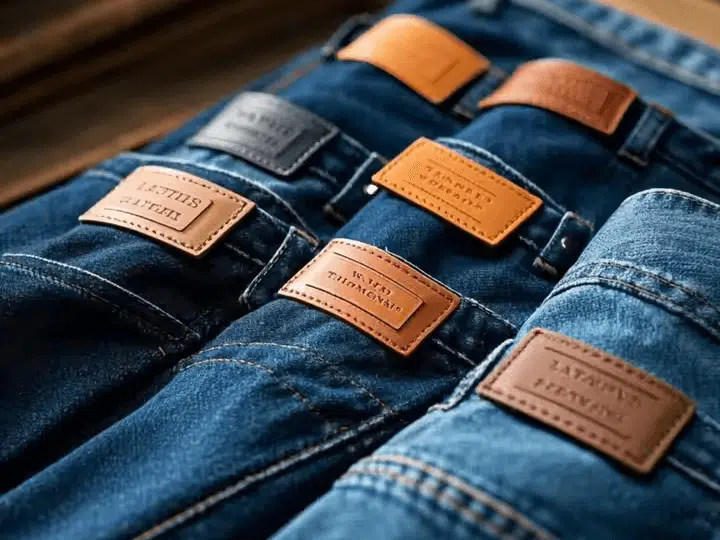
Clothing and Apparel – Denim jackets and jeans almost always feature a leather patch on the waistband or back collar. Workwear brands use leather patches on aprons, carpenter pants, and heavy-duty shirts. Baseball caps and snapbacks frequently display leather patches on the front panel or side.
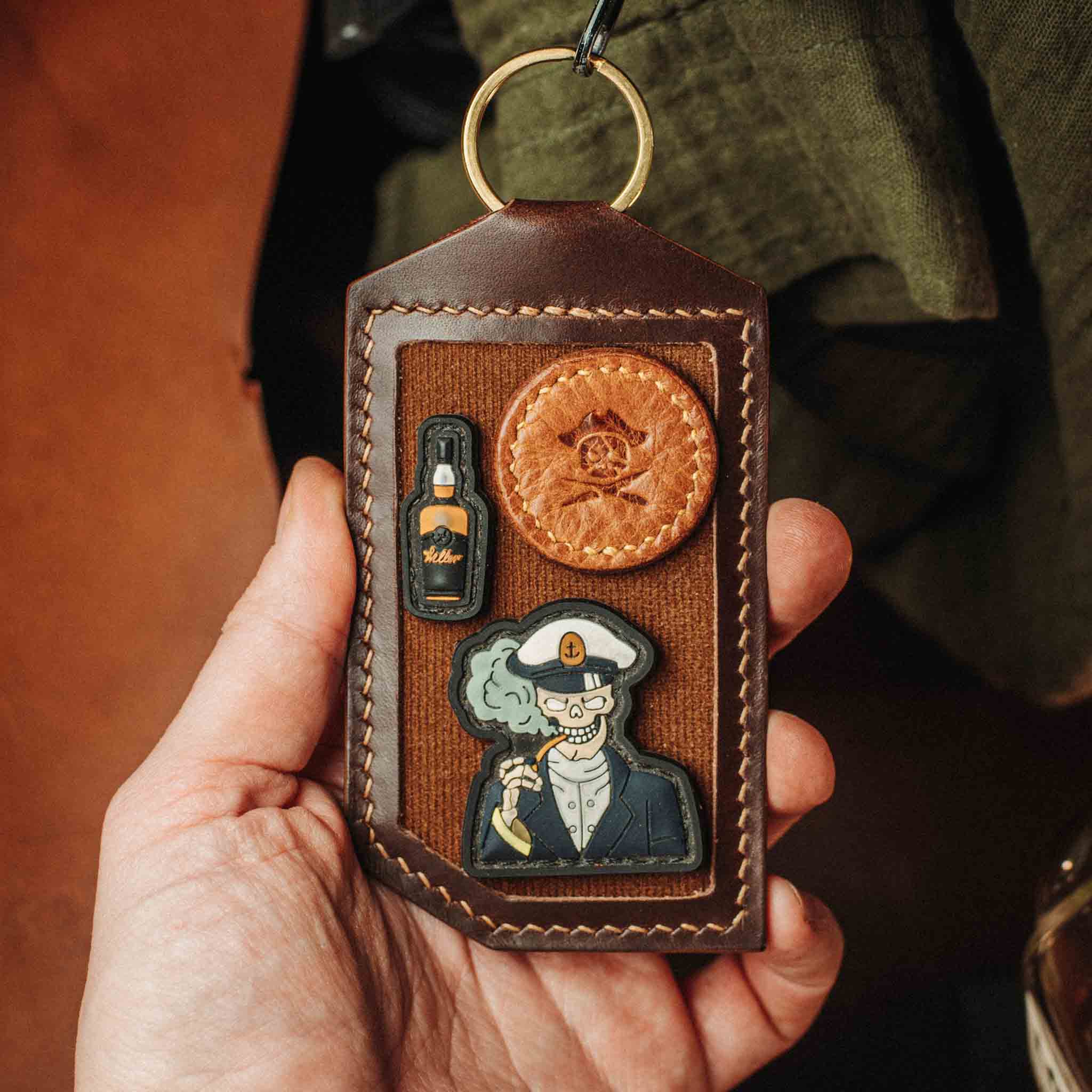
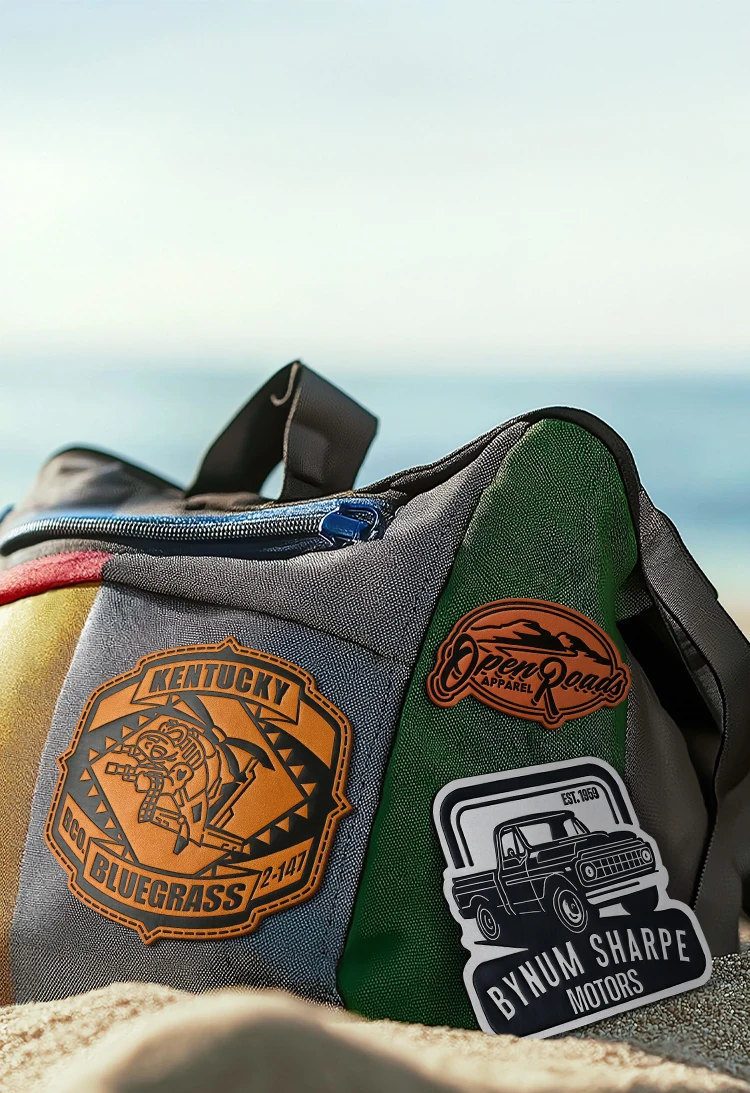
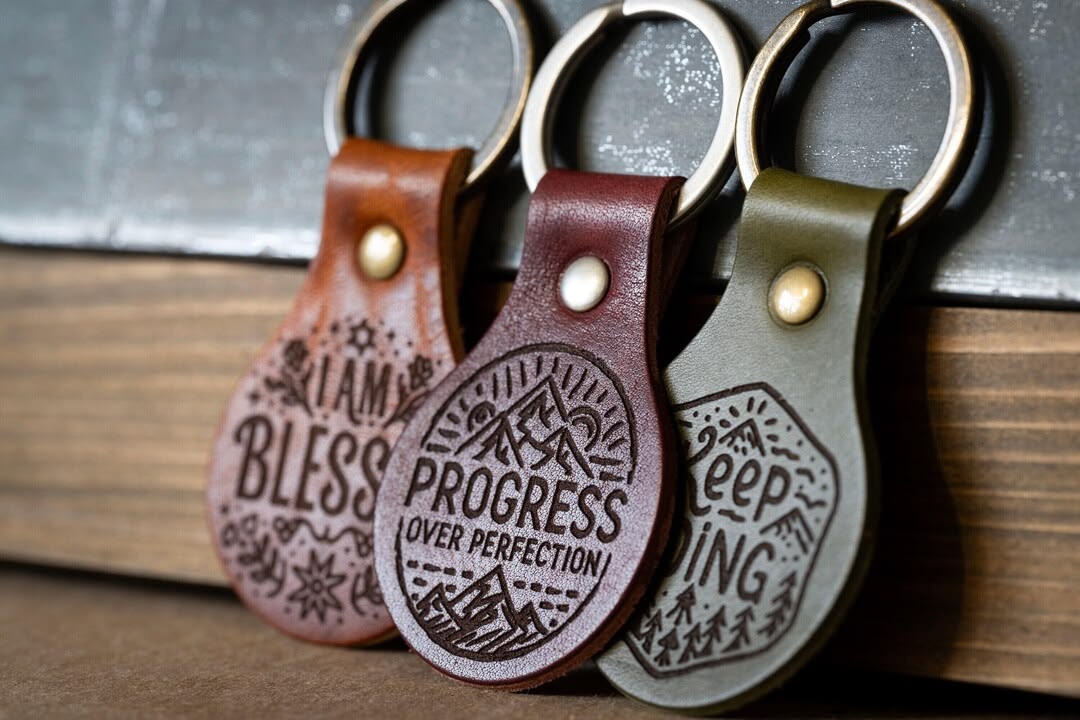
Bags and Accessories – Backpacks, messenger bags, tote bags, and duffel bags are ideal surfaces for custom leather patches. A leather patch on the front pocket or side strap immediately elevates the perceived value of the bag. Belts, wallets, keychains, passport holders, and pet collars have also become growing markets for leather patches.
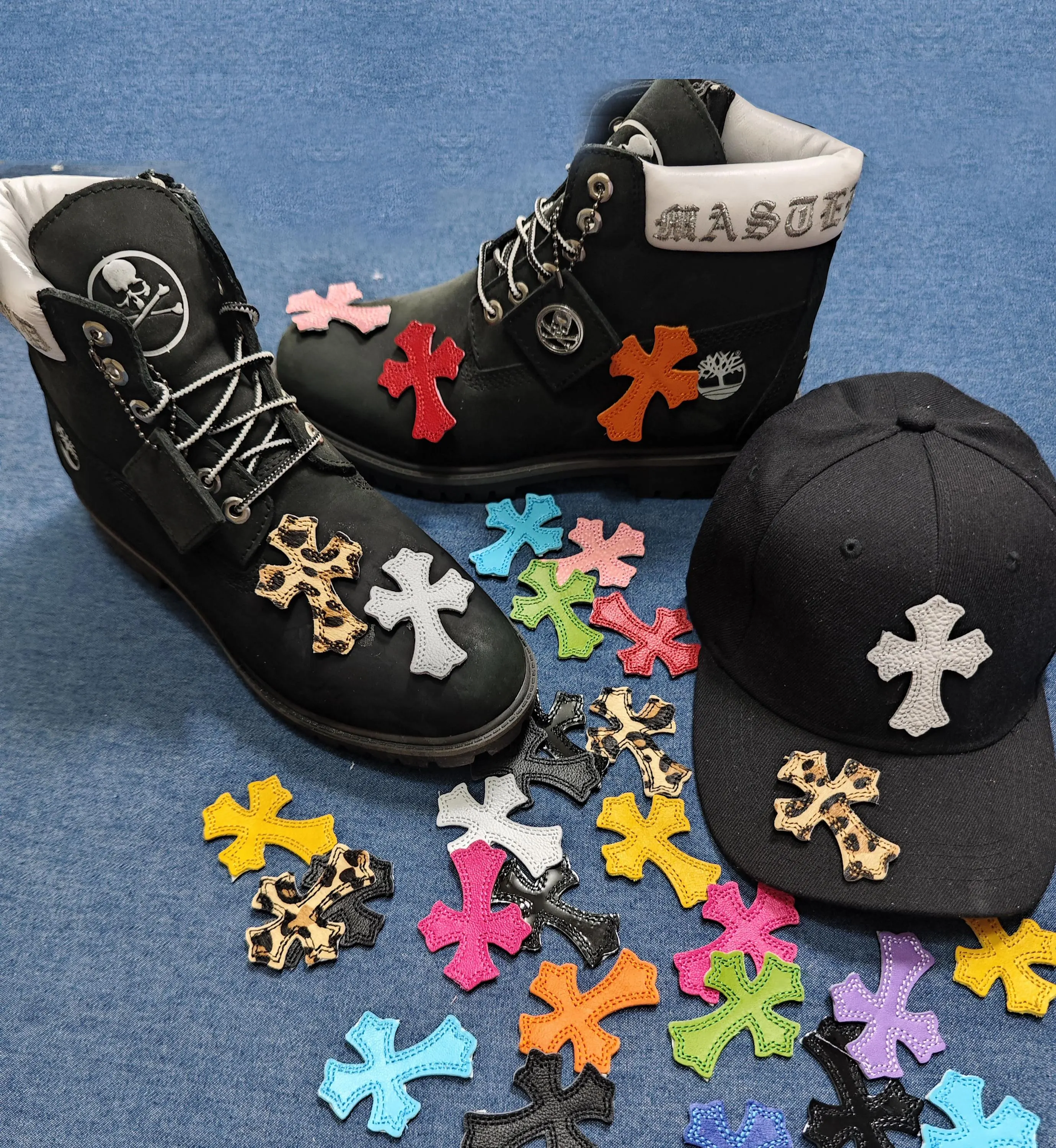
Footwear – Leather patches are commonly found on the tongue or heel of boots, sneakers, and casual shoes. They serve both a decorative and functional purpose — reinforcing the shoe structure while displaying the brand name or logo.
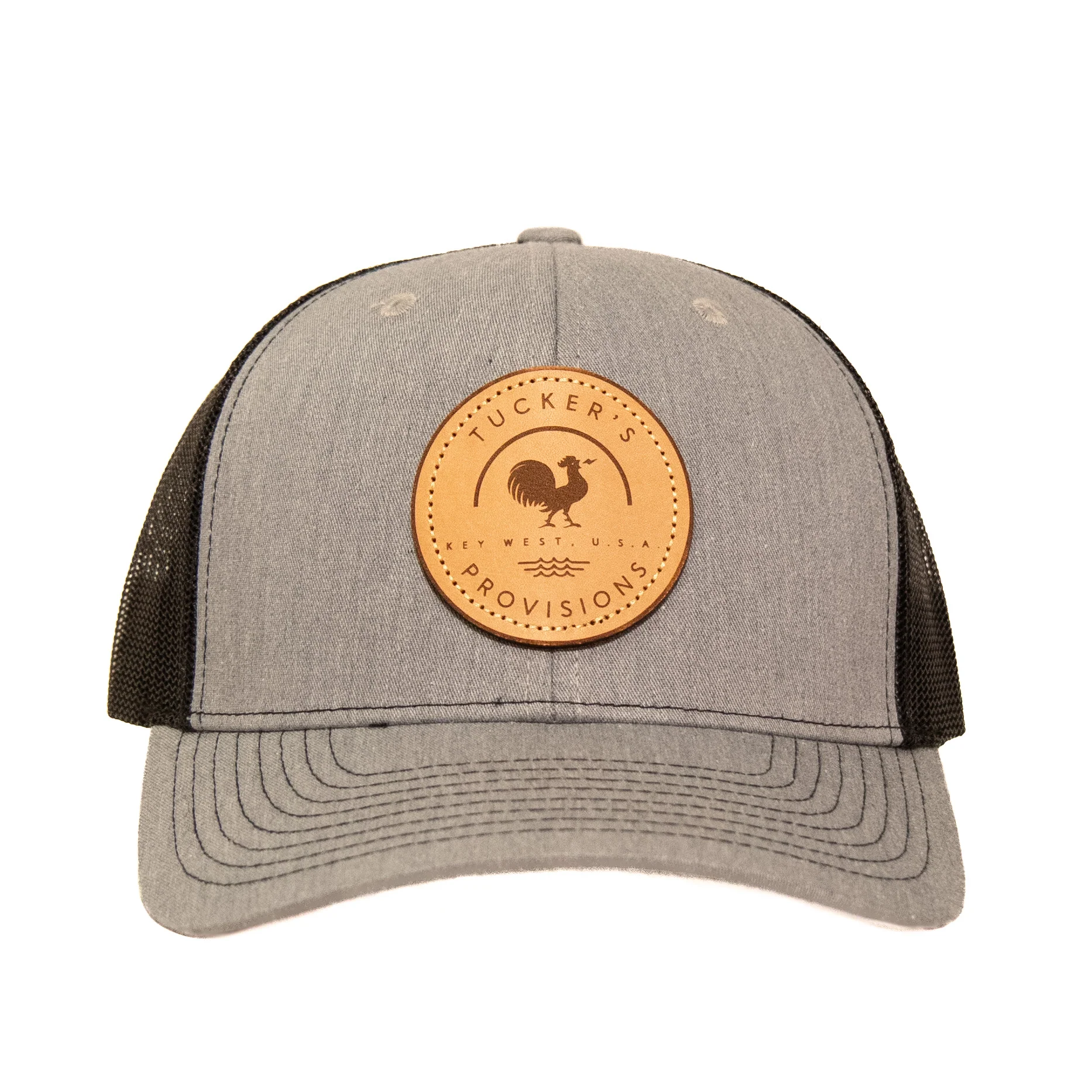
Headwear – Trucker hats, dad caps, and beanies are frequently adorned with leather patches. The contrast between soft fabric and firm leather creates a visually interesting texture that customers love.
Corporate and Promotional Merchandise – Companies ordering custom-branded gifts for employees or clients often choose items like leather notebooks, luggage tags, coasters, and key fobs — all of which can carry a custom leather patch. Compared to a cheaply printed logo on a plastic pen, a leather patch communicates that the company values quality.
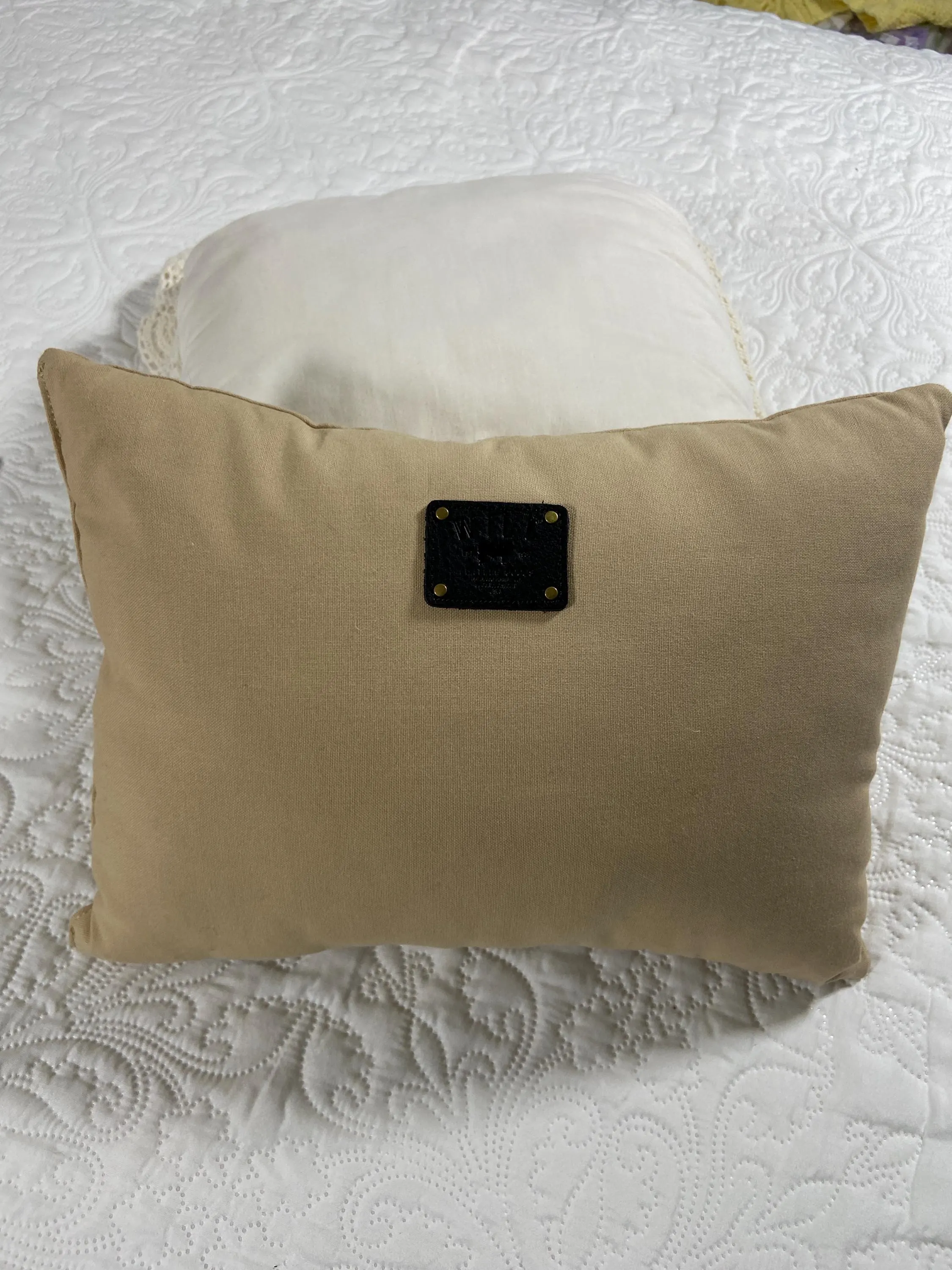
Home and Lifestyle Goods – Some brands have started placing leather patches on non-wearable items such as throw pillows, chair backs, storage bins, and dog beds. The patch becomes a subtle but powerful branding element in a home environment.
In short, if a product has a flat surface that can be sewn or glued onto, it can likely benefit from a custom leather patch.
How to Choose the Right Custom Leather Patches for Your Products?
Selecting the ideal custom leather patch requires balancing several factors: budget, brand positioning, product type, and expected lifespan.
Start with your brand image. If you sell premium, heritage-style products (e.g., raw denim, handmade bags, vintage-inspired boots), choose genuine vegetable-tanned leather patches with embossed or debossed logos. If your brand is modern, minimalist, or tech-oriented, a smooth faux leather patch with laser-engraved typography may be more appropriate.
Consider the attachment method. For heavy-use items like work pants or outdoor backpacks, sew-on patches are non-negotiable. Iron-on and adhesive-backed patches are acceptable for light-use products such as hats, promotional giveaways, or gift packaging.
Match thickness to the product. Leather patches typically range from 1.2mm to 3mm in thickness. Thinner patches (1.2–1.8mm) work well on lightweight fabrics like t-shirts or caps. Thicker patches (2–3mm) are better suited for denim, canvas bags, and leather goods.
Evaluate tanning types for genuine leather. Vegetable-tanned leather takes longer to produce and costs more, but it develops a beautiful patina and is more environmentally friendly. Chrome-tanned leather is softer, more uniform, and less expensive, but it does not age as gracefully.
Order samples before mass production. Even with digital proofs, the feel and color of a finished leather patch can differ slightly from what you see on screen. Always request physical samples — especially if you are ordering more than 500 pieces.
How to Maintain Custom Leather Patches for Long-Lasting Use?
Custom leather patches are durable, but they are not indestructible. Proper maintenance will ensure that your patches — and your products — remain attractive for years.
Avoid prolonged water exposure. Leather is porous. Soaking a leather patch in water can cause it to stiffen, warp, or develop mold. If the product gets wet, pat the patch dry immediately with a soft cloth.
Keep away from direct sunlight. Extended UV exposure will eventually fade any leather. It may also cause bonded or faux leather to crack. Store leather-patched products in a cool, dark place when not in use.
Clean gently, never aggressively. Do not scrub a leather patch with a brush or abrasive cleaner. Wipe it with a slightly damp microfiber cloth, then dry immediately. For genuine leather patches, apply a small amount of leather conditioner every six to twelve months.
Do not iron directly. If you need to remove wrinkles from a garment with a leather patch, iron the fabric from the inside out. Never place a hot iron directly onto a leather patch.
Be careful with dry cleaning. Some dry cleaning solvents can strip natural oils from genuine leather, causing it to become brittle. If you must dry clean a garment with leather patches, inform your cleaner about the patches.
With basic care, a high-quality custom leather patch will last five to ten years or more.
Why Choose Custom Panda?
Custom Panda is a specialized manufacturer dedicated to the design and production of high-end customized products — primarily custom pins, custom patches, and custom labels. Over the years, we have built a reputation for turning brand identities into physical, tactile realities that customers can see and feel.
When you work with Custom Panda for your custom leather patches, you are not just another order number. You get premium quality that is tailored perfectly to your brand needs, along with factory direct pricing that saves you up to 30 percent on your custom orders. We offer reliable worldwide shipping, ensuring your custom products arrive in just 5 to 7 days. Unlike many suppliers that impose high minimum quantities, we have no minimum order — complete customization is available for any scale of business, from small batches to large bulk orders. Within 12 hours of submitting your artwork, you will receive a free digital proof to review and approve. Once you say yes, our fast turnaround kicks in: production takes only 2 to 3 days before rapid dispatch.
Of course, custom leather patches are just one part of what we do. We also produce embroidered patches, woven patches, PVC patches, chenille patches, and custom stickers and labels of all kinds. Whatever branding element you need to attach to your product, Custom Panda can probably make it.
So whether you are launching a new streetwear brand, refreshing your corporate merchandise, or simply looking for a better supplier — choose Custom Panda. Your brand deserves more than a sticker.
FAQ About Custom Leather Patches
Q1: Can I put my full-color logo on custom leather patches?
A: Yes, but with limitations. Full-color logos are best suited for printed leather patches. For embossed or debossed patches, colors are limited to the natural tone of the leather plus any painted fill. Laser engraving produces only a single burnt tone (dark brown or black). If color accuracy is critical, request a printed leather patch or consider an alternative material.
Q2: What is the typical minimum order quantity (MOQ) for custom leather patches?
A: MOQs vary by supplier. Traditional manufacturers often require 500–1000 pieces. However, Custom Panda offers low MOQs — typically 50–100 pieces for genuine leather and even lower for faux leather. This makes it feasible for small brands, startups, and promotional campaigns.
Q3: Can custom leather patches be washed in a washing machine?
A: Not recommended. Machine washing can cause genuine leather to shrink, stiffen, or lose its dye. It may also dissolve adhesives on iron-on or glue-backed patches. Always spot clean leather patches by hand. If the entire garment needs washing, turn it inside out and use a delicate cycle with cold water.
Q4: How long does it take to produce custom leather patches from start to finish?
A: For a typical order including design approval and tooling, expect approximately 7–14 days total from a standard supplier. With Custom Panda's fast turnaround, production itself takes only 2–3 days after proof approval, plus 5–7 days for worldwide shipping. Rush options may be available depending on current workload.

