
th
The Premium Touch: Adding Foil Stamping to Your Matte Labels
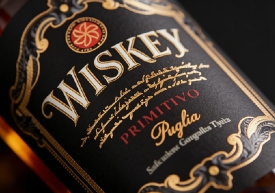
In the world of packaging, texture and finish are everything. They communicate quality before a single word is read. And when it comes to creating that unmistakable premium feel, few combinations work as beautifully as matte and foil.
Why Matte and Foil Work So Well Together
The secret behind the matte and foil combination lies in contrast—both visual and tactile.
Matte finishes are designed to absorb light. They diffuse reflections, creating a soft, understated appearance that feels modern and sophisticated. This quality makes matte surfaces recede visually, allowing other elements to take center stage.
Foil stamping does the opposite. It reflects light boldly, creating bright, metallic highlights that immediately draw the eye. When applied to a matte surface, the foil doesn't have to compete with surrounding gloss or reflections. Instead, it stands alone against a quiet background, making every shimmering detail pop.
This creates what designers call visual tension—a pleasing contrast that captures attention and holds it. The eye moves from the soft, subtle background to the bright, reflective foreground, creating a sense of depth and luxury.
But the experience isn't just visual. Touch a matte label and you'll feel its smooth, almost powdery texture. Touch a foil-stamped area and you'll feel a slight raise, a smooth metallic surface that contrasts with the matte around it. This multi-sensory experience—seeing the shine and feeling the texture—signals quality in a way that no single finish can achieve alone.
Understanding Foil Stamping: A Brief Overview
Before diving deeper into design possibilities, it helps to understand what foil stamping actually is and how it works.
Foil stamping, also known as hot foil stamping, is a printing process that uses heat, pressure, and metal dies to apply a thin layer of metallic or pigmented foil onto a surface. The result is a sharp, clean, reflective detail that stands slightly raised from the substrate.
Common foil colors include metallic gold and silver, rose gold and copper, gloss black and white, holographic and prism effects, and specialty colors like champagne, bronze, or gunmetal.
Hot Foil vs. Cold Foil: Understanding the Difference
When it comes to adding metallic accents to your matte labels, not all foil stamping is created equal. The two primary methods—hot foil and cold foil—produce distinctly different results, and understanding these differences is essential for achieving the premium look you want.
Hot foil stamping uses a heated metal die to press a thin layer of foil onto the label surface. The combination of heat and pressure actually bonds the foil to the material, creating a slight indentation or debossing effect. Run your finger over a hot foil stamped label, and you'll feel that the metallic area sits just slightly below the surrounding surface, with crisp, razor-sharp edges.
This method excels in several specific applications. Luxury wine and spirits labels almost exclusively use hot foil because the depth and clarity communicate craftsmanship. When a whiskey bottle features an intricate crest with tiny details and fine text, hot foil makes every line readable and every edge precise. The same applies to high-end cosmetics—think of a premium skincare serum with the brand name stamped in elegant gold against a soft-touch matte background. The slight tactile quality of hot foil adds to the unboxing experience in a way that consumers can actually feel.
Hot foil is also the preferred choice for textured matte papers. Because the process uses pressure to press the foil into the surface, it conforms beautifully to papers with some tooth or grain. This makes it ideal for craft brands using recycled or handmade-looking matte stocks, where the combination of natural texture and metallic shine creates an artisanal feel.
Cold foil stamping takes a different approach. Instead of heat and pressure, this method uses UV-curable adhesive to stick the foil to the label. The foil is applied to the entire surface, then the non-adhered areas are removed, leaving the metallic design behind. The result is a smoother, flatter finish without the tactile dimension of hot foil.
Cold foil shines in different scenarios. For high-volume production runs where budget efficiency is paramount—think thousands of product labels for a mass-market launch—cold foil offers significant cost advantages. It also works exceptionally well on smooth, coated surfaces and can be overprinted with other colors, allowing for effects like metallic gradients that aren't possible with hot foil.
You'll often find cold foil used in packaging for mid-range beauty products, promotional materials, or limited-time seasonal offerings where speed and cost matter more than tactile luxury. It's also common in the publishing industry for book covers, where metallic effects need to catch the eye on a shelf but don't require the hand-feel of hot foil.
For the applications that matter most to Custom Panda's clients—premium product packaging, wedding stationery, craft beverage labels, and artisanal food branding—hot foil remains the gold standard. The combination of dimensional quality, edge sharpness, and compatibility with textured matte papers makes it the clear choice when the goal is to communicate luxury and attention to detail.
Hot Foil vs. Cold Foil: At a Glance
| Feature | Hot Foil Stamping | Cold Foil Stamping |
|---|---|---|
| Process | Heat + pressure bond foil to surface | UV adhesive bonds foil to surface |
| Tactile Quality | Slight debossing, raised feel when reversed | Flat, smooth surface |
| Edge Definition | Razor-sharp, excellent for fine details | Good, but less crisp than hot foil |
| Durability | Excellent, foil becomes part of material | Good, but more surface-level |
| Best For | Premium products, textured papers, small runs | Mass production, smooth surfaces, budget-conscious projects |
| Ideal Applications | Luxury spirits, high-end cosmetics, wedding stationery, craft foods | Mid-range beauty, book covers, promotional packaging, seasonal items |
| Texture Compatibility | Works beautifully on textured matte papers | Best on smooth, coated surfaces |
| Cost Efficiency | Higher setup cost, premium result | More economical for large volumes |
Products That Shine with Matte and Foil Labels
While this combination can elevate almost any product, certain categories benefit particularly from the premium touch that matte and foil provide.
The beverage aisle is crowded. Premium wines and craft spirits need to stand out instantly, and they need to communicate quality before the bottle is even opened. A deep matte label with elegant gold or silver foil conveys age, craftsmanship, and sophistication. It whispers "reserve" or "small batch" without saying a word.
Beauty packaging lives at the intersection of science and indulgence. Consumers want products that feel luxurious and look beautiful on their vanities. Matte labels with soft-touch finish paired with rose gold or champagne foil create that spa-like, high-end aesthetic that premium skincare brands strive for.
Artisanal chocolates, small-batch coffee, premium olive oils—these products tell stories of quality ingredients and careful craftsmanship. A matte label with subtle metallic accents reinforces that narrative. It suggests that the same care put into the product was also put into its presentation.
For weddings, anniversaries, or corporate events, every detail matters. Custom labels for favors, invitations, or gift packaging benefit enormously from the matte and foil combination. The soft background feels romantic and timeless, while the metallic accents add a touch of celebration.
Design Tips for Stunning Foil on Matte
Creating a successful matte and foil label requires more than just choosing two finishes and putting them together. Thoughtful design decisions make the difference between elegant and overwhelming.
Choose Your Typefaces Wisely
Foil stamping works beautifully with both serif and sans-serif fonts, but each creates a different effect.
A popular approach is to combine both—using bold foil for the brand name and delicate foil for descriptive text or taglines.
Give Your Foil Room to Breathe
When foil touches other design elements too closely, it can feel cluttered. The eye needs space to appreciate the contrast between matte and metallic.
Generous margins around foil elements allow them to shine. Consider the area surrounding your foil as part of the design—empty space isn't empty; it's the stage that lets your foil perform.
Consider Color Relationships
The relationship between your matte background and your foil color dramatically affects the final look.
Know When to Stop
The most common mistake in foil design is using too much of it. Foil is an accent, not the main attraction. When everything shines, nothing shines.
Resist the urge to foil large background areas or every line of text. Instead, identify the most important elements—your logo, your product name, a key decorative element—and reserve foil for those. Let the matte finish do the heavy lifting of creating a premium foundation, and let the foil add strategic highlights.
Test Before You Commit
Matte papers vary in texture, and foil behaves differently on each. Some matte stocks are smooth enough for very fine detail; others have more tooth and work best with bolder designs.
Always request a proof or sample run before committing to a full production order. This allows you to see exactly how your design translates to the physical label and make adjustments if needed.
Are Matte Foil Labels Durable?
A common concern among brands considering foil-stamped matte labels is whether they will hold up during shipping, handling, and everyday use. The answer depends largely on which foil method you choose and how the labels are applied.
Hot foil stamping creates an exceptionally durable bond. Because the heat and pressure actually fuse the foil to the label material, it becomes part of the surface rather than sitting on top of it. This means hot foil resists rubbing, scratching, and general wear remarkably well. A premium wine bottle with a hot foil label can sit in an ice bucket, get jostled in a shopping bag, or rest on a shelf for years without the metallic details fading or flaking.
Cold foil, while still reasonably durable, sits more on the surface and can be more susceptible to scratching over time. For products with shorter shelf lives or less handling—think promotional packaging or seasonal gift items—this is rarely an issue. But for products expected to endure, hot foil is the safer choice.
The matte stock itself also plays a role in durability. High-quality matte papers with proper coatings resist moisture, smudging, and scuffing. When combined with hot foil stamping, these labels can withstand everything from refrigeration condensation to repeated handling by curious customers.
For added protection, especially for products that will face harsh conditions, laminate options are available. A matte laminate applied over the entire label preserves the soft, non-reflective finish while adding an extra layer of durability, and foil stamped elements remain visible and vibrant beneath it.
Customizing Your Matte Foil Labels with Custom Panda
At Custom Panda, we understand that the difference between a good label and a great one lies in the details. That's why we offer a range of foil stamping options designed specifically for matte label stocks.
Our foil options include standard metallics like gold, silver, and copper; premium metallics like rose gold, champagne, and gunmetal; and specialty finishes like holographic, pearl, and gloss colors.
For best results, we recommend preparing your artwork with foil elements on a separate layer, clearly marked as "foil." Vector files (AI, EPS, PDF) work best for sharp detail, but we can work with high-resolution raster files as well.
Not sure how your design will look? Order a free proof or small sample run. We'll produce actual labels so you can see and feel the result before committing to a full order.

