
th
6 Key Factors Affecting Matt Finish Labels
In the competitive landscape of brand packaging and product identification, matt finish labels have emerged as a staple for businesses seeking to convey sophistication, minimalism, and premium quality. Unlike their glossy counterparts, matt labels offer a non-reflective, tactile surface that exudes understated elegance—making them a preferred choice for cosmetics, luxury goods, food & beverage, and high-end retail products. However, achieving a consistent, high-quality matt finish is far from straightforward. Even minor oversights in production can lead to lackluster results, such as uneven texture, premature wear, color distortion, or poor adhesion.
To help you navigate the complexities of creating flawless matt finish labels, this blog post dissects the 6 critical factors that directly influence the final outcome. Backed by industry expertise and real-world applications, we'll explore how each element impacts the label's appearance, durability, and performance. Whether you're a brand manager, marketing professional, or production specialist, this guide will equip you with the knowledge to avoid common pitfalls and deliver labels that exceed expectations.
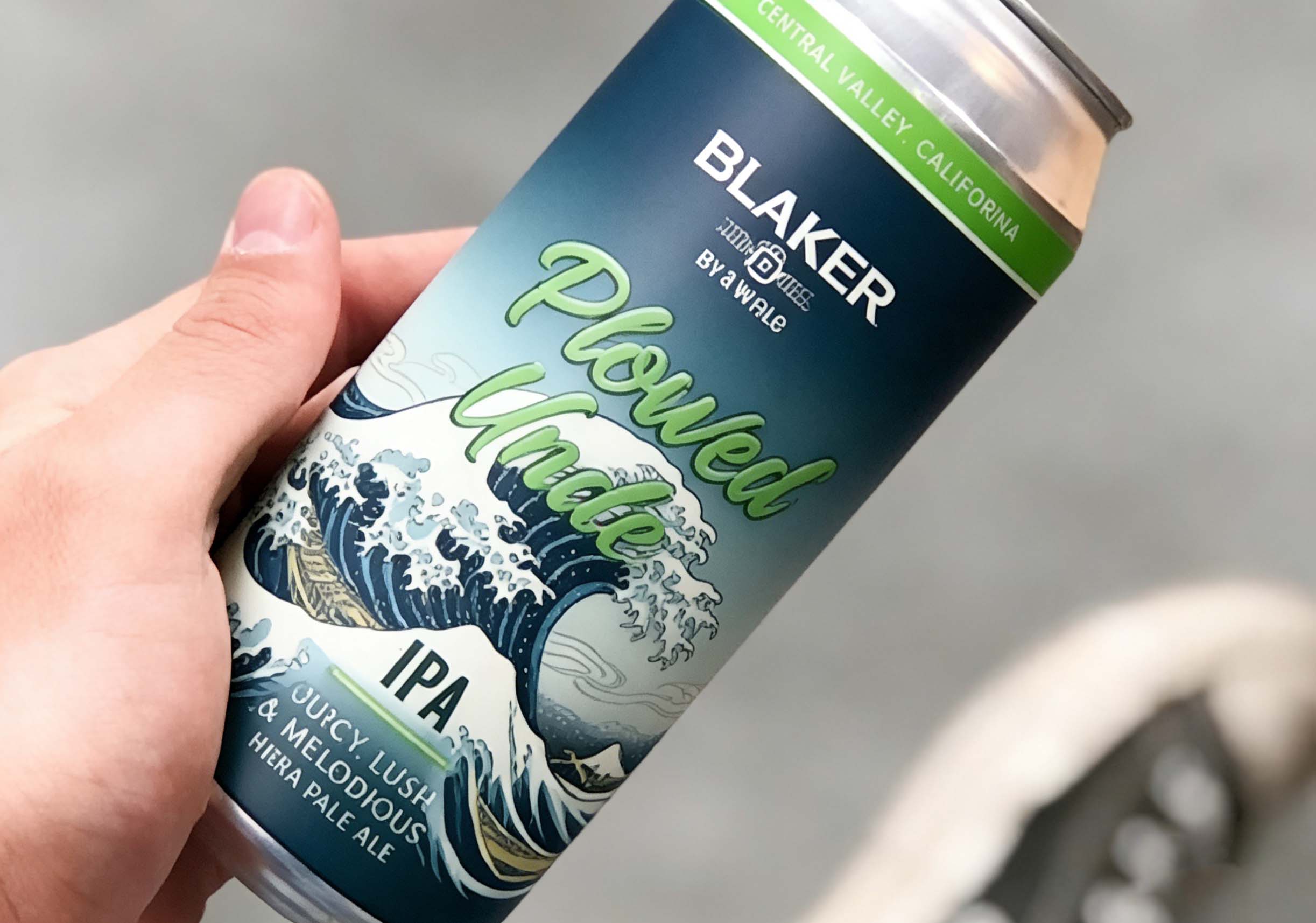
The substrate (or material) is the bedrock of any matt finish label—it dictates the label's initial texture, durability, and compatibility with different applications. Choosing the wrong substrate can undermine even the most precise printing and finishing processes, resulting in a label that looks cheap or fails to meet functional requirements.
Properties: Cost-effective, smooth texture, easy to print
Ideal for: Short-term packaging, retail tags, low-contact products
Pitfalls: Moisture damage, wrinkling, tearing
Properties: Water/oil-resistant, durable, flexible, velvety texture
Ideal for: Food containers, cosmetics, bathroom products, frequent handling
Pitfalls: Higher cost, requires specialized inks
Properties: Ultra-smooth finish, tear-resistant, eco-friendly options
Ideal for: Luxury gift boxes, high-end cosmetics, premium beverages
Pitfalls: Higher cost, scratch-sensitive
Once the substrate is chosen, the printing process determines how well the design translates to the matt surface. Poor printing can obscure the matt's natural elegance—causing issues like color fading, ink blooming, or a "greyish" hue that undermines the label's premium feel.
Ink Compatibility: Use matte-specific inks exclusively. Gloss inks will break the matt finish, creating unwanted shine and ruining the intended aesthetic. Ensure inks are formulated to bond with your chosen substrate (e.g., solvent-based inks for PP/PET, water-based inks for paper).
Print Pressure & Registration: Excess pressure can compress the substrate, distorting the matt texture and causing ink penetration. Insufficient pressure leads to uneven color coverage and blurry text. For multi-color designs, precise registration is critical to avoid misalignment, which makes the label look unpolished.
Drying & Curing: Incomplete drying or curing leads to ink smudging, sticking, or a "sticky" matt surface that attracts dust. Adjust drying temperatures and dwell times based on the substrate and ink type—overheating can cause substrate warping, while under-drying results in premature wear.
Surface treatment is the final layer that shields the label from wear, moisture, and fading—while also refining the matt texture. The right treatment ensures the label's premium look lasts throughout its lifecycle; the wrong choice can lead to scuffs, discoloration, or a loss of tactile appeal.
| Treatment Type | Description | Best For | Limitation |
|---|---|---|---|
| Matt Lamination | Thin, high-transparency matt film applied to label | High-contact products, outdoor use, premium packaging | Avoid mixing matt and gloss on same label |
| Matt Varnish | Clear matt coating over printed design | Cost-effective, short-term applications | Less durable than lamination |
| Uncoated Matt Finish | Pure matt texture, no additional coating | Short-term, single-use products | Susceptible to scratches, moisture, dirt |
The design of a matt label must complement its inherent properties—otherwise, the final result may look disjointed or unprofessional. Matt finishes thrive on simplicity, contrast, and tactile appeal; overly complex designs can overwhelm the texture and diminish the label's premium vibe.
Stick to low-saturation hues (e.g., earth tones, pastels, deep blacks) and monochromatic schemes. Bright, neon, or high-contrast colors can clash with the matt finish, making the label look garish. For accent colors, use metallic inks (e.g., gold/silver foil) sparingly—they add luxury without disrupting the matt texture.
Choose clean, legible fonts (e.g., sans-serif like Helvetica, serif like Garamond). Avoid overly thin or decorative scripts—they may blur during printing on matt surfaces. Use minimal, line-based graphics or vector art; complex images can get lost in the matt texture.
Prioritize white space to highlight key information (e.g., brand logos, product names). A cluttered layout will make the label look busy, undermining the calm, sophisticated feel of matt finish.
Often overlooked, the adhesive is a make-or-break factor for matt finish labels. It doesn't affect the matt texture directly, but poor adhesion leads to visible flaws like peeling, bubbling, or misalignment—all of which ruin the label's polished look.
Bond Strength: Match adhesive strength to your application. For permanent labels (e.g., cosmetic bottles), use a high-strength permanent adhesive. For removable labels (e.g., retail tags with price stickers), opt for a low-tack adhesive that won't leave residue or damage the substrate.
Substrate Compatibility: Matt paper labels require water-based adhesives, while matt PP/PET substrates need solvent-based or hot-melt adhesives. Using the wrong adhesive results in poor bonding, even if the label looks perfect initially.
Environmental Adaptability: For products sold in extreme temperatures (e.g., frozen food, automotive parts), use temperature-resistant adhesives that remain flexible and bond effectively in cold or hot conditions. For high-humidity environments, choose moisture-resistant adhesives to prevent delamination.
Application Smoothness: The adhesive must ensure bubble-free adhesion to the product surface. Air bubbles or wrinkles create uneven surfaces that disrupt the matt finish's uniformity, making the label look unprofessional.
Even the most well-made matt label will fail prematurely if it can't withstand its operating environment. Environmental factors like temperature, humidity, UV exposure, and physical contact accelerate wear, discoloration, and degradation—undermining the label's aesthetic and functional value.
| Challenge | Problem | Solution |
|---|---|---|
| High Humidity/Moisture | Paper absorbs moisture, causing wrinkling, ink bleeding, delamination | Use water-resistant substrates (PP/PET) and add matt lamination |
| UV Exposure | Labels fade, yellow, or lose texture | UV-treated substrates, UV-resistant inks, UV-blocking lamination |
| Frequent Handling | Surfaces scratch or wear down | Thick matt lamination, scratch-resistant coating, durable synthetic paper |
| Extreme Temperatures | Warping, adhesive failure, ink cracking | Flexible, temperature-stable substrates (PET) and temperature-specific adhesives |
At Custom Panda, we specialize in crafting high-quality custom badges, pins, stickers, and labels—including premium matt finish solutions that meet the highest industry standards. Our expertise in every stage of label production ensures we address all 6 key factors to deliver labels that exceed your expectations.
At Custom Panda, we don't just make labels—we create brand assets that elevate your product's perceived value.
Creating flawless matt finish labels requires a holistic approach that addresses substrate quality, printing precision, surface treatment, design alignment, adhesive selection, and environmental adaptability. Each factor plays a vital role in determining the label's appearance, durability, and ability to convey your brand's premium identity.
At Custom Panda, we combine decades of industry experience with cutting-edge technology to deliver matt finish labels that stand out for their elegance, consistency, and performance. Whether you're launching a luxury skincare line, a premium food product, or a high-end retail item, our team will work with you to craft labels that leave a lasting impression.
Ready to elevate your brand with premium matt finish labels? Contact us today for a free consultation and sample request—let's turn your vision into reality.

