
th
How to Choose Matte Label Materials? A Complete Guide
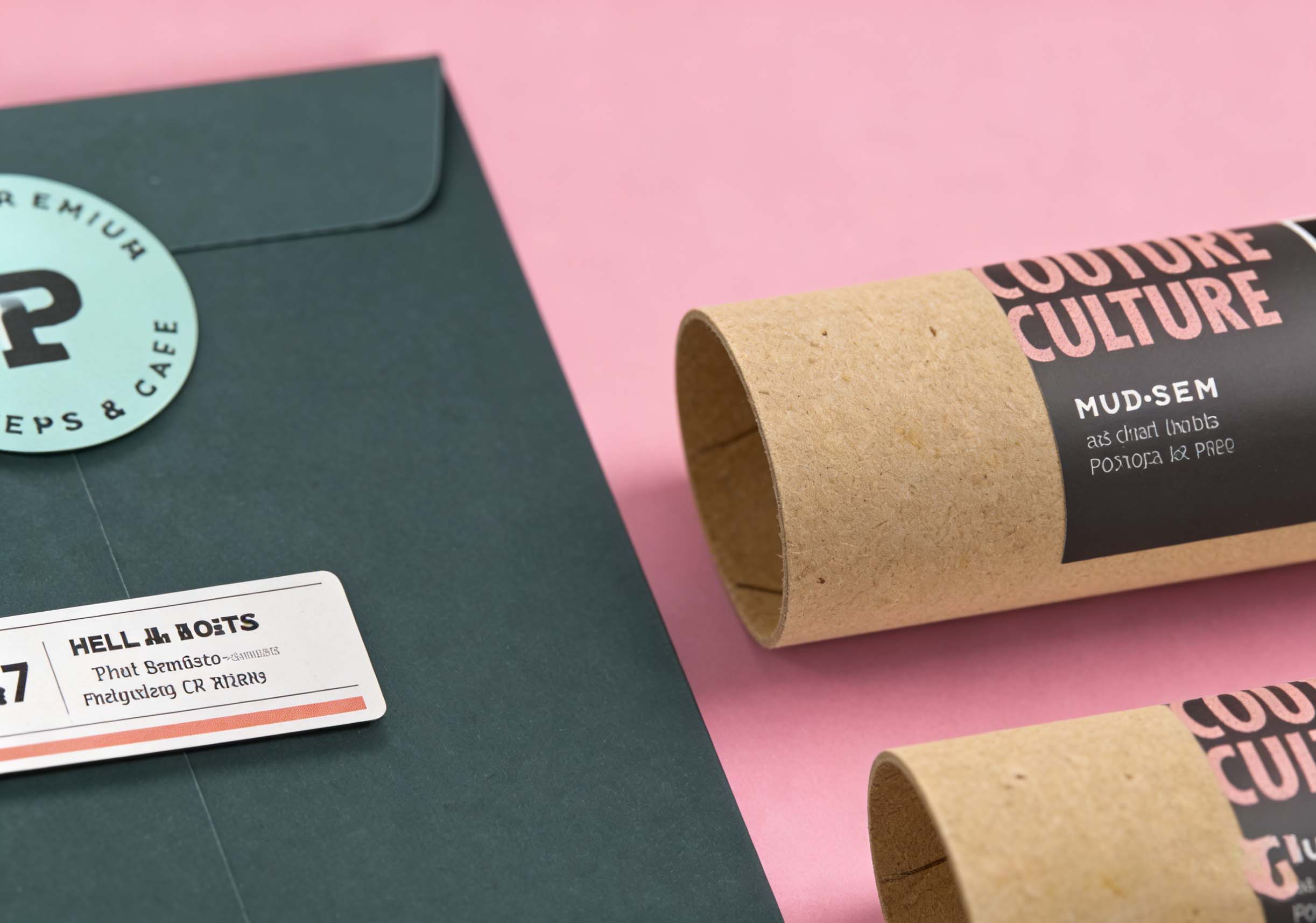
In a world where product packaging speaks volumes about your brand, the choice of label material can make or break your visual identity. Matte labels have emerged as a favorite among brands aiming for a sophisticated, understated look—one that avoids the glare of glossy finishes and lets your design, logo, and messaging take center stage. Whether you're launching a luxury skincare line, artisanal food product, or tech gadget, a well-chosen matte label doesn't just stick to your packaging; it elevates your brand's perceived value.
But here's the catch: not all matte label materials are created equal. Choose the wrong one, and you'll end up with labels that peel, fade, or fail to match your product's needs—wasting time, money, and brand credibility. That's why we've put together this comprehensive guide: to help you navigate the nuances of matte label materials, avoid common pitfalls, and select the perfect option for your unique use case.
In the pages ahead, we'll break down why matte labels are worth considering, the key factors to weigh before making a decision, a detailed comparison of the most common matte materials, a step-by-step selection process, and even tips to avoid costly mistakes. By the end, you'll have all the knowledge you need to choose a matte label material that performs well, looks great, and aligns with your brand's goals.
What Are Matte Labels?
Matte labels are label materials that feature a specialized surface finish characterized by low reflectivity and a smooth, subtle texture. Unlike glossy labels, which create sharp, mirror-like reflections, matte finishes diffuse light softly, resulting in a gentle, understated visual effect. This unique quality gives product packaging an elegant, non-intrusive sophistication—allowing your design to take center stage without the distraction of glare.
In the world of packaging, labels do more than just convey product information; they serve as an extension of your brand identity. The right matte label can elevate your brand's perceived value through its refined tactile feel and sophisticated visual appeal. As we'll explore throughout this guide—whether you're crafting minimalist cosmetics, emphasizing the natural purity of artisanal foods, or projecting reliability for electronic devices—matte labels offer a distinctive aesthetic that can become a defining element of your brand's image.
Why Choose Matte Label Materials?
Before diving into the "how" of choosing matte label materials, let's start with the "why." What makes matte labels stand out from their glossy counterparts, and when should you prioritize them for your products?
Aesthetic Appeal: Understated Elegance That Highlights Your Design
The most obvious advantage of matte labels is their visual appeal. Unlike glossy labels, which reflect light and can make designs look harsh or overwhelming, matte finishes have a soft, muted texture that feels premium and sophisticated. This low-glare quality makes them ideal for brands that want to convey calmness, luxury, or minimalism—think high-end cosmetics, organic foods, or handcrafted goods.
Matte labels also do an excellent job of highlighting design details. Whether you're using subtle gradients, fine text, or intricate logos, the matte surface prevents light from washing out these elements, ensuring your design is crisp and easy to read. For example, a luxury perfume bottle with a matte label will let the brand's typography shine without the distraction of glare, creating a more refined, memorable unboxing experience.
Practical Advantages: Durability and Functionality
Beyond aesthetics, matte labels offer practical benefits that make them a smart choice for many products. One of the biggest perks is their resistance to fingerprints—glossy labels show every smudge, which can make your packaging look unkempt, but matte finishes hide fingerprints and smudges, keeping your labels looking clean and professional even after handling.
Matte materials are also highly compatible with a wide range of printing techniques, including digital printing, offset printing, and screen printing. They absorb ink well, resulting in vibrant, consistent colors that don't bleed or fade easily. Additionally, many matte materials have a tactile, paper-like feel that adds a sensory element to your packaging—something that can make your product stand out in a crowded market.
Brand Fit: Aligning with Your Brand's Identity
Matte labels aren't just a design choice—they're a brand choice. They work particularly well for brands that want to convey values like authenticity, sustainability, or luxury. For example:
Beauty and skincare brands: Matte labels complement the clean, natural aesthetic of organic or high-end products, reinforcing a sense of purity and sophistication.
Artisanal and gourmet food brands: The tactile, muted finish of matte labels aligns with the handcrafted, authentic vibe of artisanal jams, chocolates, or craft beers.
Electronics brands: Matte labels reduce glare on devices, making text and logos easier to read while adding a sleek, modern touch.
Gift and luxury items: Matte labels add a touch of elegance, making gifts feel more special and premium.
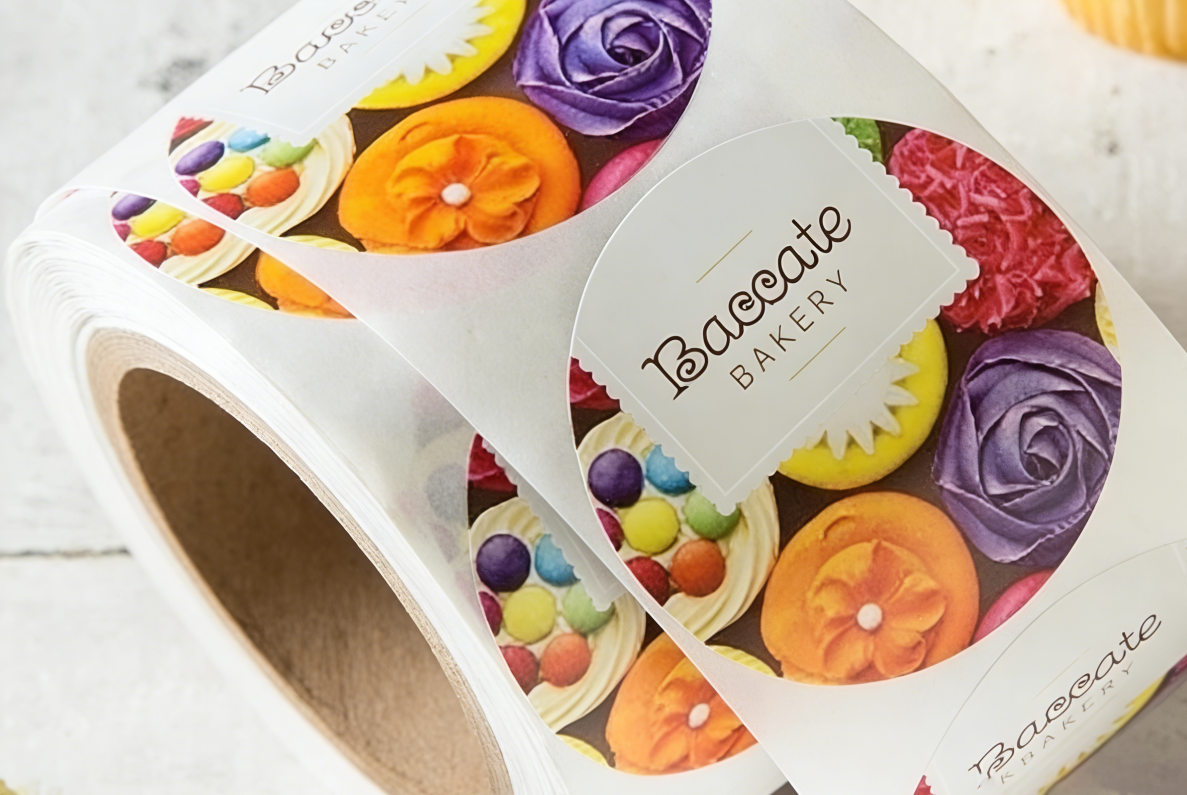
Key Factors to Consider Before Choosing
Choosing the right matte label material starts with understanding your unique needs. There's no one-size-fits-all solution—what works for a refrigerated food product won't necessarily work for an outdoor promotional sticker. Below are the four most critical factors to consider before making your decision.
1. Application Scenario
The first and most important factor is where and how your label will be used. Ask yourself: Will the label be indoors or outdoors? Will it be applied to a smooth or irregular surface? Will it be exposed to moisture, heat, or other harsh conditions?
Indoor vs. Outdoor Use
Indoor labels (e.g., product labels for items sold in stores, gift tags, or office stickers) have fewer environmental stressors, so you can prioritize feel and print quality over extreme durability. Outdoor labels, on the other hand, need to withstand sun exposure, rain, wind, and temperature fluctuations. For outdoor use, look for materials that are UV-resistant, waterproof, and fade-resistant to ensure your labels stay intact and legible for months (or even years).
Product Surface
The surface you're applying the label to will also impact your material choice. Smooth surfaces like glass, plastic bottles, or metal tins work well with most matte materials. However, irregular or curved surfaces (e.g., curved shampoo bottles, cylindrical jars, or textured boxes) require flexible materials that can conform to the shape without peeling or wrinkling. Materials like matte vinyl or synthetic paper are ideal for these applications, as they have more flexibility than paper-based matte materials.
Usage Environment
Consider the environment your product will be stored in. If your product is refrigerated (e.g., yogurt, cold creams) or stored in a humid area (e.g., bathrooms), you'll need a waterproof or water-resistant matte material to prevent the label from warping or peeling. Similarly, if your product is exposed to high temperatures (e.g., kitchen appliances, outdoor gear), look for heat-resistant materials that won't melt or fade.
2. Printing Requirements
Your printing needs will also play a key role in choosing the right matte material. Different materials work better with different printing techniques, and some materials are better suited for complex designs than others.
Printing Process
Before selecting a material, confirm which printing process you'll be using. Here's a quick breakdown of how common printing techniques pair with matte materials:
Digital printing: Ideal for small batches, custom designs, or designs with complex gradients. Matte coated paper and matte synthetic paper work well with digital printing, as they absorb ink evenly and produce vibrant colors.
Offset printing: Best for large batches. Matte coated paper is a popular choice for offset printing, as it's cost-effective and produces sharp, consistent results.
Screen printing: Great for bold, high-contrast designs. Matte vinyl and matte PET work well with screen printing, as they can withstand the pressure of the screen and hold ink well.
Color & Detail
If your design features complex patterns, subtle gradients, or fine text, you'll need a matte material with good ink absorption and color rendering. Matte coated paper and matte synthetic paper are excellent choices for these designs, as they provide a smooth surface that ensures sharp details and vibrant colors. Avoid materials with a rough texture if you have intricate designs, as the texture can blur fine lines and text.
3. Durability Needs
How long do you need your labels to last? Will they be on a product that's used once (e.g., a promotional sticker) or a product that's used for years (e.g., a electronic device)? The durability of your label material should match the lifespan of your product.
Abrasion Resistance
If your product will be handled frequently (e.g., food packaging, cosmetics, or toys), you'll need a matte material that's resistant to scratches and friction. Matte vinyl and matte PET are highly abrasion-resistant, making them ideal for these applications. Matte coated paper, on the other hand, is more prone to scuffing, so it's better suited for products that are handled less frequently.
Water & Oil Resistance
Products that come into contact with water, oil, or other liquids (e.g., beverages, kitchen items, or skincare products) require waterproof or water-resistant matte materials. Matte synthetic paper and matte vinyl are both waterproof, while matte coated paper is not—if you use matte coated paper for these products, it will absorb moisture and become wrinkled or illegible.
Longevity
For short-term use (e.g., promotional labels, event stickers), matte coated paper is a cost-effective choice. For long-term use (e.g., product labels, equipment tags), opt for more durable materials like matte PET or matte vinyl, which are resistant to fading, aging, and environmental damage.
4. Budget & Quantity
Finally, your budget and order quantity will influence your material choice. Different matte materials vary in cost, and some are more cost-effective for large batches than others.
Budget Range
Matte coated paper is the most affordable option, making it ideal for startups or brands with tight budgets. Matte synthetic paper is slightly more expensive but offers better durability. Matte PET and matte vinyl are the most expensive options, but they're worth the investment for products that require long-term durability or a premium look.
Order Quantity
If you're ordering a small batch (e.g., 50-500 labels), matte coated paper or matte synthetic paper are good choices, as they're cost-effective for small runs. If you're ordering a large batch (e.g., 1,000+ labels), matte vinyl or matte PET may be more cost-effective in the long run, as they're more durable and less likely to need replacement.
Common Matte Label Materials: Comparison & Recommendations
Now that you know what factors to consider, let's take a deep dive into the most common matte label materials. We'll break down their features, best uses, pros, and cons to help you make an informed decision.
Matte Coated Paper
Features: delicate paper-like texture, low-glare, lightweight, absorbs ink well, not waterproof, prone to tearing.
Best For: indoor, short-term, gift tags, promotions, dry goods.
✓ PROS affordable, excellent color, smooth, complex designs. ✗ CONS no water resistance, scuffs easily, not for outdoor.
Matte Synthetic Paper
Features: waterproof, oil-resistant, tear-resistant, flexible, smooth matte finish, vibrant colors.
Best For: beverage, skincare, outdoor promo, refrigerated items.
✓ PROS waterproof, flexible, all printing techniques, curved surfaces. ✗ CONS pricier than coated paper, slightly less smooth.
Matte Polyester (PET)
Features: extreme durability, scratch/chemical/UV resistant, waterproof, heat-resistant, transparent option.
Best For: high-end electronics, medical, automotive, luxury beauty.
✓ PROS premium, most durable, transparent matte available. ✗ CONS expensive, specialized ink, less flexible.
Matte Vinyl (PVC)
Features: soft, flexible, conforms to curves, waterproof, abrasion-resistant.
Best For: curved bottles, outdoor signs, industrial, vehicle decals.
✓ PROS extremely flexible, weather resistant, high durability. ✗ CONS less eco-friendly, not easily recyclable.
Quick Comparison Table
| Material | Waterproof | Abrasion Res. | Printing | Cost | Best For |
|---|---|---|---|---|---|
| Matte Coated Paper | No | Low | Excellent | Low | Indoor, short-term |
| Matte Synthetic Paper | Yes | Medium | Excellent | Medium | Humid, beverage, skincare |
| Matte PET | Yes | High | Good (special ink) | High | High-end, harsh env. |
| Matte Vinyl (PVC) | Yes | High | Excellent | Medium-High | Irregular, outdoor |
Step-by-Step Guide to Choose the Right Matte Label Material
Common Mistakes to Avoid
Final Recommendations & Conclusion
Luxury beauty/skincare: Matte PET (premium) or synthetic paper (waterproof/flexible).
Artisanal food/dry goods: Matte coated paper (natural, cost) or synthetic (moisture).
Beverages/refrigerated: Matte synthetic paper or vinyl (waterproof).
Electronics/medical: Matte PET (extreme durability).
Promotions/short-term: Matte coated paper.
Outdoor/irregular: Matte vinyl (flexible, weather resistant).
At the end of the day, the best matte label material aligns with your brand's identity, product needs, and budget. Your label is a reflection of your brand—choose wisely.
Why choose Custom Panda?
Navigating the technical complexities of adhesives is easier with a reliable manufacturing partner. At Custom Panda, we don't just print labels; we engineer solutions to ensure your matte labels perform perfectly from the moment they are

