
th
Where to Use Waterproof Matte Labels?
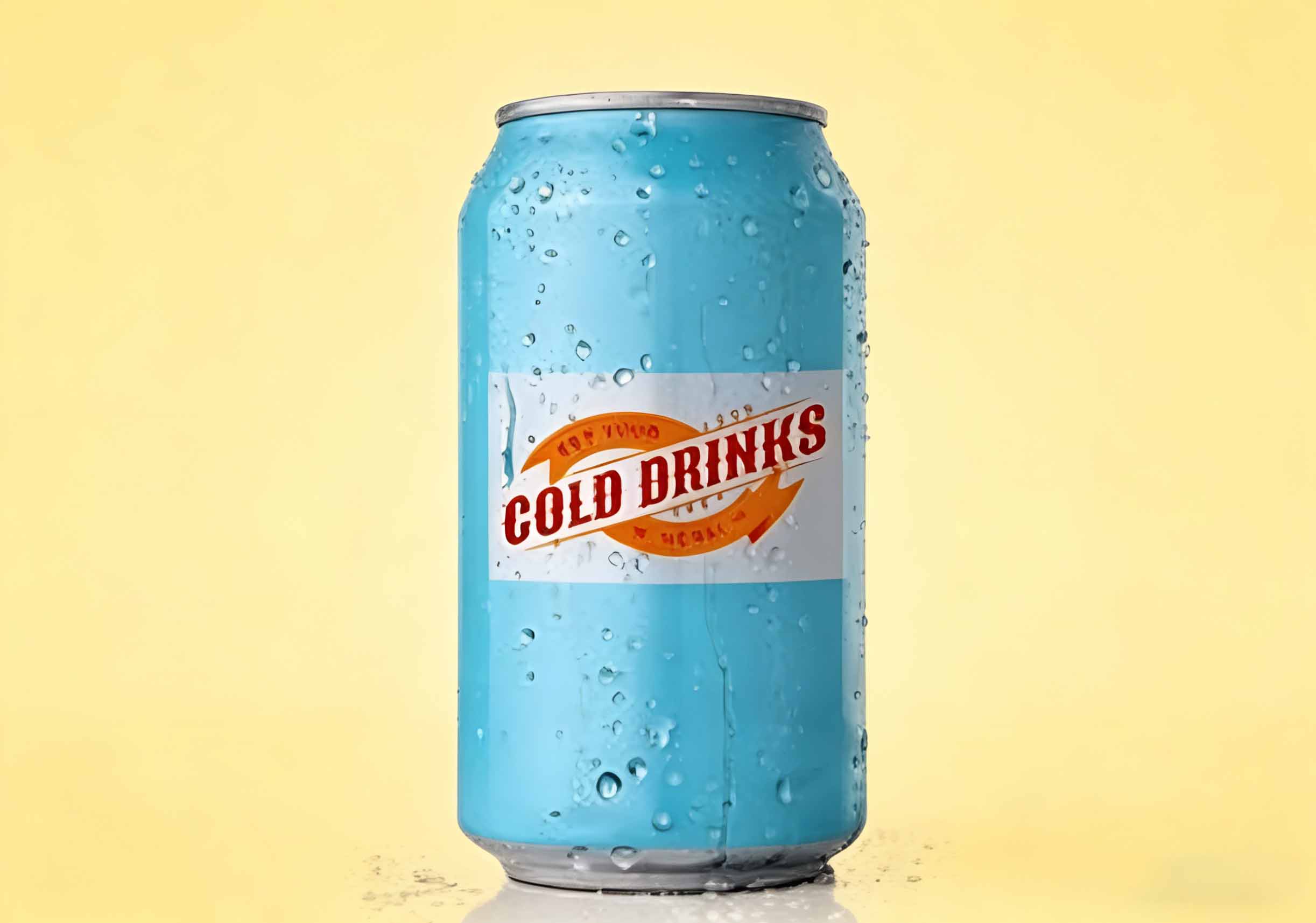
What Is a Waterproof Matte Label?
A waterproof matte label is a type of adhesive label manufactured from synthetic materials—such as PET (Polyester), Vinyl (PVC), or Polypropylene (PP)—that features a non-reflective, flat finish and is engineered to resist water, moisture, humidity, and often chemicals or oils.
Unlike standard paper labels that absorb moisture and disintegrate when wet, waterproof matte labels maintain their structural integrity, adhesion, and print quality even in challenging environments. The "matte" characteristic refers to the low-gloss surface that diffuses light rather than reflecting it, creating a sophisticated, velvety appearance that has become increasingly popular in premium packaging applications.
These labels combine functional durability with aesthetic appeal, making them a versatile solution across multiple industries—from luxury cosmetics to heavy industrial equipment.
What Are the Core Characteristics of Waterproof Matte Labels?
Waterproof matte labels possess several distinctive characteristics that set them apart in the labeling industry:
What Makes Them Different from Standard Labels?
Understanding the differences between waterproof matte labels and standard paper or glossy labels helps explain why they command a premium price and justify the investment for specific applications.
| Feature | Waterproof Matte Labels | Standard Paper Labels | Glossy Synthetic Labels |
|---|---|---|---|
| Material Base | Synthetic (PET, Vinyl, PP) | Cellulose fibers (wood pulp) | Synthetic, but with gloss coating |
| Water Resistance | Complete—survives immersion | None—disintegrates when wet | Good, but may show water spots |
| Durability | High—tear-proof | Low—tears easily | High—tear-proof |
| Appearance | Flat, non-reflective, premium | Basic, matte but not durable | Shiny, reflective, attention-grabbing |
| Chemical Resistance | Excellent | Poor | Moderate to good |
| Temperature Range | Wide (-20°C to +100°C) | Limited | Wide |
| Scuff Resistance | High | Low | Moderate |
| Readability Under Light | Excellent—no glare | Good | Poor—glare can obscure text |
| Cost | Higher | Lower | Similar to matte |
How Is the Waterproof Matte Label Made?
The manufacturing process of waterproof matte labels involves several sophisticated steps that transform raw synthetic materials into finished, functional labels.
Step 1: Material Selection — Manufacturers begin by selecting the appropriate synthetic substrate—typically PET (polyester) for dimensional stability, Vinyl for flexibility, or Polypropylene for cost-effectiveness. Each material offers different properties suited to specific applications.
Step 2: Surface Treatment — The synthetic surface undergoes corona treatment or primer application to improve ink adhesion. Synthetic materials have low surface energy, making them naturally resistant to printing inks without this crucial preparation step.
Step 3: Matte Coating Application — A specialized matte coating is applied to the surface. This coating contains light-diffusing particles that create the characteristic non-reflective finish. The coating may be applied as:
A UV-cured matte varnish
A water-based matte coating
A laminated matte film layer
Step 4: Adhesive Application — A permanent or removable acrylic-based adhesive is applied to the reverse side. Waterproof labels typically use stronger adhesives than paper labels to ensure bonding in challenging conditions.
Step 5: Printing (for custom labels) — For custom-printed labels, manufacturers use various printing technologies: Flexographic for high-volume, Digital for short runs and variable data, Screen printing for specialty effects.
Step 6: Over-lamination (Optional) — Some applications require additional protection. A clear matte over-laminate can be applied for extra durability against chemicals, UV exposure, or extreme abrasion.
Step 7: Die-Cutting and Finishing — The printed material passes through precision die-cutting equipment that cuts each label to the exact required shape, including any special features like rounded corners, custom contours, or removable sections.
Step 8: Quality Control — Finished labels undergo rigorous testing for adhesion, water resistance, print quality, and dimensional accuracy before packaging and shipment.
Where Can Waterproof Matte Labels Be Used in Daily Life?
Waterproof matte labels have quietly become part of our everyday experiences, often in places we don't immediately notice:
Bathroom Products: Shampoo bottles, conditioners, body washes, and shaving creams all rely on waterproof labels that survive steamy shower environments. The matte finish adds a spa-like, premium feel.
Kitchen Items: Dish soap bottles, cleaning spray containers, and food storage containers feature labels that withstand frequent handling, moisture, and occasional spills.
Beverage Containers: Water bottles, craft beer bottles, wine bottles, and reusable coffee cups all benefit from labels that survive condensation, ice buckets, and repeated refrigeration.
Cosmetics and Skincare: Facial cleansers, moisturizers, and makeup products often feature elegant matte labels that resist bathroom humidity while conveying luxury.
Electronics: Laptop bottom panels, router labels, and appliance rating plates use waterproof matte materials to ensure serial numbers and warnings remain legible for the product's lifetime.
Outdoor Gear: Water bottles, camping equipment, coolers, and garden tools carry labels designed to survive sun exposure, rain, and temperature fluctuations.
Automotive: Tire pressure labels, oil cap warnings, and battery instructions must withstand engine heat, road grime, and occasional fluid exposure.
Home Organization: Many household organization systems use waterproof matte labels for pantry bins, freezer containers, and laundry room storage—areas where moisture and temperature vary.
How Do Waterproof Matte Labels Benefit Food and Beverage Packaging?
How Are Waterproof Matte Labels Applied in Outdoor and Industrial Settings?
Chemical Container Labeling: Industrial chemicals, reagents require labels that resist chemical exposure. PET with aggressive adhesives maintains legibility even when containers leak.
Outdoor Equipment Identification: Construction, agricultural, marine equipment need permanent ID. Withstand UV, rain, snow, extreme temperatures, pressure washing, and abrasion.
Asset Tracking and Barcoding: Warehouses and outdoor yards rely on scannable labels that endure weather and rough handling.
Warning and Safety Labels: Hydraulic systems, electrical panels use waterproof matte for critical safety information that must last the equipment's lifetime.
Marine and Offshore Applications: Boats, docks face salt spray, humidity, sun. Marine-grade materials + UV protection maintain integrity.
GHS and Regulatory Compliance: Meet requirements for durable hazard communication labels while maintaining readability.
How to Choose the Right Waterproof Matte Labels for Your Product?
Selecting the optimal waterproof matte label requires careful consideration of multiple factors. This decision guide helps navigate the selection process:
Step 1: Assess the Environment
Will the label face direct water contact or just humidity?
What temperature range will it experience (freezer, room temperature, high heat)?
Will it encounter chemicals, oils, or solvents?
Will it be exposed to UV radiation (sunlight)?
Is abrasion or physical handling a concern?
Step 2: Consider the Surface
What material will the label adhere to (plastic, glass, metal, coated surfaces)?
Is the surface curved, textured, or flexible?
Will the surface expand or contract with temperature changes?
Step 3: Determine Lifespan Requirements
Is this a short-term label (days or weeks) or permanent identification (years)?
Will the label need to be removable without residue?
Does the product have a warranty period that the label must outlast?
Step 4: Evaluate Aesthetic Needs
Does your brand require a specific visual appearance?
Will the label include intricate designs, fine text, or barcodes?
Do you plan to use special effects like foil stamping or embossing?
What lighting conditions will the product be viewed under?
Step 5: Match Material to Requirements
| Material | Best For | Considerations |
|---|---|---|
| PET (Polyester) | Chemical resistance, dimensional stability, high-temperature applications | Less flexible, higher cost |
| Vinyl (PVC) | Conformability to curved surfaces, outdoor durability | Environmental considerations for disposal |
| Polypropylene (PP) | General purpose, cost-effective waterproofing | Lower temperature resistance than PET |
| Polyethylene (PE) | Squeezable containers, flexible packaging | More difficult to print, limited temperature range |
Step 6: Select Adhesive Type
Permanent adhesive: For long-term applications where removal is not intended
Removable adhesive: For temporary labeling or reusable containers
Freezer-grade adhesive: For sub-zero applications
High-tack adhesive: For difficult, rough, or low-energy surfaces
Step 7: Consider Printing Requirements
Will labels be pre-printed with fixed information or printed on-demand?
Do you need variable data (serial numbers, barcodes, expiration dates)?
What printing technology will you use (thermal transfer, laser, inkjet)?
Key Advantages of Using a Matte Finish
Matte surfaces eliminate glare and reflection, ensuring that text, barcodes, and critical information remain readable under direct light, in bright retail environments, or outdoors.
The smooth, velvety texture communicates quality and sophistication. When consumers handle a product, the label's feel contributes to their perception of value.
Matte finishes convey refinement without being flashy. They allow design elements to speak for themselves without competition from surface shine.
Matte backgrounds create striking contrast with metallic foil stamping, embossing, debossing, spot gloss, or textured finishes.
Unlike glossy surfaces, matte finishes naturally disguise handling marks. Products remain looking clean and fresh.
Matte labels photograph better without hot spots or glare, perfect for catalogs, websites, and social media.
Matte aligns with minimalism, authenticity, and subtle sophistication—important for lifestyle brands and premium offerings.
Custom Panda: Your Trusted Matte Labels Manufacturer
At Custom Panda, we're more than just a label manufacturer—we're your partner in bringing products to life with premium waterproof matte labels that combine durability with stunning aesthetics. With years of experience serving diverse industries worldwide, we understand that every labeling project has unique requirements, challenges, and expectations.
Why Choose Custom Panda?
From cosmetics and food and beverage to industrial manufacturing and logistics, our portfolio spans every sector imaginable. We invite you to explore our complete range of customization options, materials, and finishing techniques designed to meet your specific needs.
High quality custom patches, badges, and stickers tailored perfectly to your brand needs. Quality isn't just a promise—it's engineered into every label. Rigorous QC includes material verification, in-process inspections, final checks for adhesion/color, and performance testing.
Save up to 30% on your custom orders with competitive direct pricing. Eliminate middlemen markups. Transparent pricing, volume discounts, cost savings 20-30% compared to traditional suppliers.
Reliable global delivery in just 5 to 7 days. Express processing, multiple carrier options, real-time tracking, secure packaging, customs support. From New York to Tokyo—on time, every time.
Complete customization for any scale: from 50-100 labels for startups to bulk millions for enterprises. Test materials without major investment, then scale up.
Review and approve your custom design with a free digital proof within 12 hours. Design accuracy, color verification, size confirmation, layout review, revisions included—no surprises.
Extreme efficiency: proof in 0-12h, production begins after approval, printing/die-cutting days 1-3, QC days 3-5, shipped days 5-7. From proof to doorstep in about one week.
Material Options: PET (chemical resistance, stability), Vinyl (conformability), Polypropylene (cost-effective), Polyethylene (squeezable).
Finish Options: Soft matte (velvety luxury), Textured matte (visual interest, grip), Ultra-matte (maximum glare reduction).
Special Features: Metallic foil stamping, embossing, debossing, spot gloss, variable data printing (serial numbers, QR), custom die‑cut shapes.
Industries We ServeCosmetics & Personal Care
Food & Beverage
Pharmaceutical & Nutraceutical
Industrial & Chemical
Retail & Consumer Goods
Logistics & Warehousing
FAQ: Waterproof Matte Labels
Ready to create your perfect waterproof matte labels? Contact Custom Panda today to discuss your project, request samples, or get a free quote. Let us help you put the perfect label on your product!

