
th
Military Patches: Professional Patches for Armed Forces
What Are Military Patches?
Military patches are embroidered, woven, PVC, or printed emblems worn on uniforms of armed forces personnel. They serve as visual identifiers that communicate critical information at a glance — such as unit affiliation, rank, qualification, mission role, or nationality.
Unlike standard commercial patches or souvenir badges, military patches are functional tools of non-verbal communication in structured environments. Every element of a military patch — its shape, color, pattern, and placement — follows specific regulations designed to maintain uniformity, discipline, and operational effectiveness.
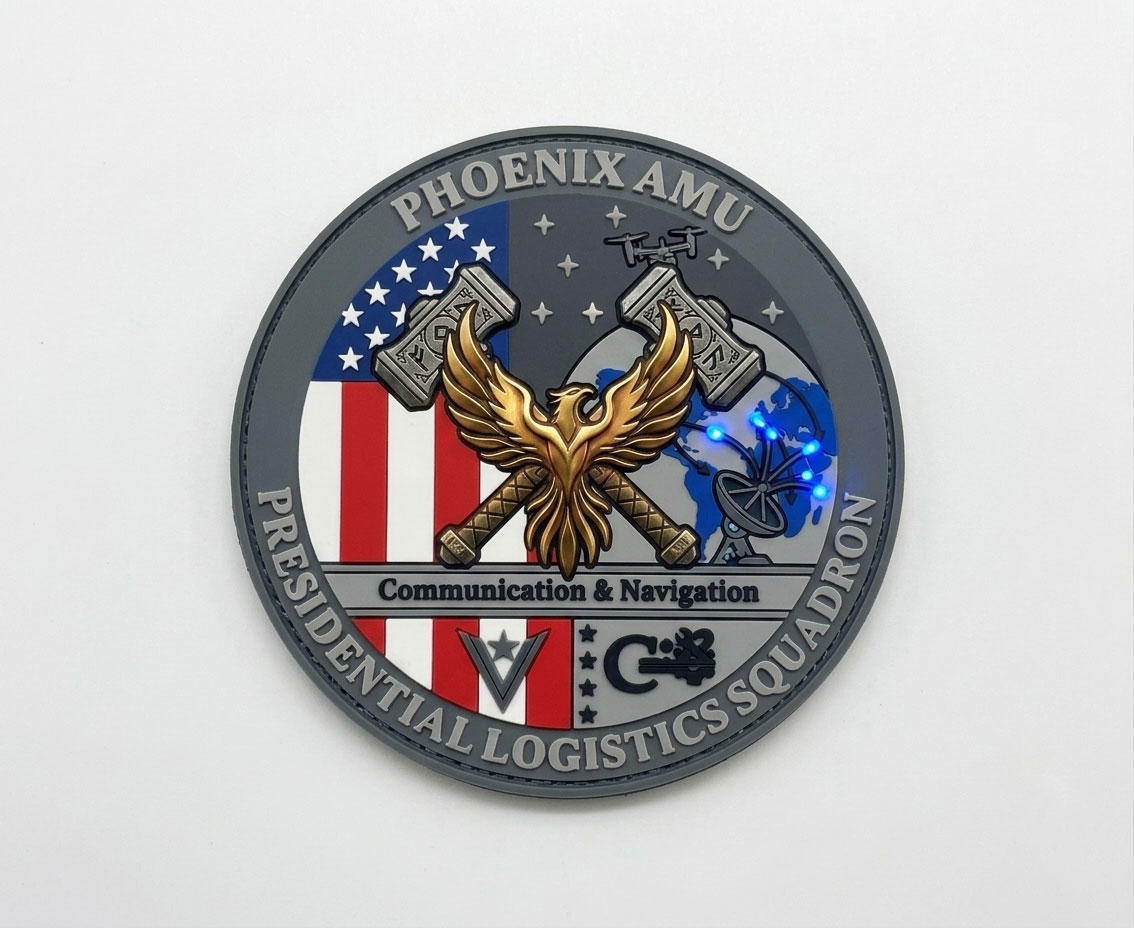
From a small flag on a shoulder sleeve to a special forces tab worn with pride, military patches transform a standard uniform into a story of service, skill, and belonging. They are produced to withstand extreme conditions, frequent washing, and constant wear, making them distinct from fashion or novelty patches.
The Role of Military Patches in Modern Armed Forces
The role of military patches extends far beyond decoration. In modern armed forces, patches fulfill several essential functions.
Identification. On a chaotic battlefield or within a large joint operation, military patches enable rapid recognition of friendly units, command structures, and specialized roles. A medic patch, for example, can save precious seconds in an emergency.
Unit Cohesion and Morale. Sharing a common patch creates a psychological bond among service members. Whether it is a regimental crest or a deployment patch, it represents shared sacrifice, history, and standards. Morale patches, while often unofficial, boost spirit and individuality within regulated environments.
Operational Discipline. Military patches reinforce chain-of-command awareness. Rank patches ensure proper protocols are followed, while qualification patches (e.g., airborne, ranger, diver) immediately signal a member's certified capabilities.
Non-Verbal Communication in Joint Operations. When multiple nations or branches operate together — such as NATO missions — nationality and unit patches eliminate confusion and foster coordination.
Recognition and Legacy. Award patches, combat patches, and deployment patches document a service member's career and sacrifices. They become part of military heritage, passed down through units and families.
Without professional-grade military patches, modern armed forces would lose speed, clarity, and identity in critical moments.
Core Features of Professional Military Patches
Professional military patches are not ordinary badges. They possess distinct features that separate them from general merchandise.
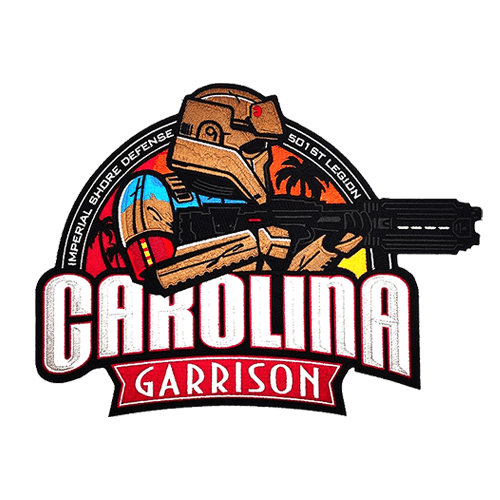
Durability. Military patches must survive harsh environments — desert heat, arctic cold, heavy rain, mud, and repeated abrasion against body armor and equipment. Professional patches use high-tenacity threads, UV-resistant dyes, and reinforced edges.
Precision. Official regulations often specify exact colors (e.g., olive drab, coyote brown, specific Pantone codes), dimensions, and design details. Professional manufacturers ensure thread counts, border shapes, and emblem proportions match approved artwork.
Attachment Reliability. Backing options are chosen based on mission requirements. Sew-on patches provide permanent installation. Hook-and-loop (Velcro) allows rapid attachment and removal — essential for modular uniforms like the U.S. Army's OCP or Marine Corps' MCCUU.
Compliance with Low-Visibility Requirements. Many modern operations demand subdued or infrared (IR)-compliant patches. Professional military patches can be produced with non-reflective threads or IR-sensitive materials that are visible only under night vision equipment.
Consistency. Every patch in an order — whether 100 or 10,000 units — must match exactly. Professional manufacturing eliminates color shifting, shrinking, or warping.
Key Types of Military Patches You Should Know
Understanding the main types of military patches helps units order correctly and wear appropriately.
Unit Identification Patches
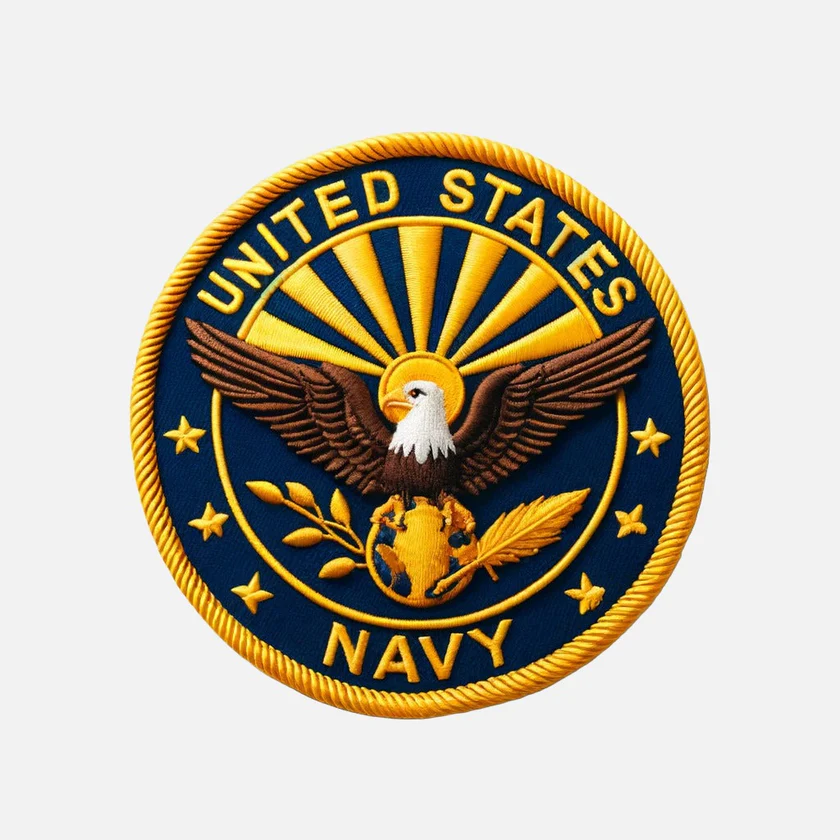
The most common type. They represent a soldier's assigned regiment, brigade, division, or squadron. Examples: 82nd Airborne Division patch or 1st Marine Division patch.
Rank Patches
Indicate a service member's grade — from private to general, seaman to admiral. Strict size and color guidelines per branch.
Qualification & Skill Tabs
Awarded after specialized training. Ranger Tab, Airborne Tab, Sapper Tab, or Navy SEAL Trident — often worn above the unit patch.
Morale Patches
Unofficial patches that express humor, unit slang, or personal identity. Widely used in field environments and on flight jackets.
Country and Flag Patches
Identify nationality, especially in joint or coalition operations. The U.S. flag patch is often reversed on the right shoulder.
Deployment & Combat Patches
Indicate service in specific theaters — Combat Infantryman Badge or Afghanistan Campaign Patch.
Branch Tapes and Name Tapes
Long rectangular patches displaying "U.S. ARMY," "U.S. MARINES," or the member's last name.
Each type serves a distinct purpose, and many are worn simultaneously following uniform regulations.
Applications of Military Patches Across Armed Forces Branches
Different branches apply military patches in unique ways — yet all rely on professional quality.
| Branch | Typical Patch Usage & Placement |
|---|---|
| U.S. Army | Left sleeve (current unit), right sleeve (former combat unit), chest (qualifications/tabs), patrol cap. Velcro-backed patches standard on OCP uniforms. |
| U.S. Navy | Rank patches on sleeves (enlisted) or collar devices. Ship name patches, command patches, rate badges on NWU uniforms. |
| U.S. Marine Corps | Eagle, Globe, Anchor on left pocket; unit patches on right sleeve; qualification badges above ribbons. Strict regulations. |
| U.S. Air Force & Space Force | Command emblems, occupational badges, name tapes. Space Force developing orbital/delta motifs. |
| Special Operations | Low-visibility or custom morale patches to reduce recognition; Navy SEALs, Green Berets, MARSOC, PJs. |
| Allied and NATO Forces | British, Canadian, Australian forces use similar systems. Many order from Custom Panda to ensure NATO-spec compliance. |
Regardless of branch, the demand for durable, regulation-ready patches remains constant.
Materials and Durability of Military Patches: Built for the Field
The material of a military patch directly affects its performance in combat and daily duty. Below are the most common options.
Embroidered Patches. Traditional and widely used. Polyester or rayon threads stitched onto twill backing. High stitch density resists fraying.
Woven Patches. Threads woven flatly, allowing much finer detail. Ideal for small text, intricate logos, thinner and lighter under body armor.
PVC (Rubber) Patches. Molded from soft polyvinyl chloride. Completely waterproof, highly abrasion-resistant, 3D. Excellent for maritime or muddy environments. Metal-detector-friendly.
Printed Patches (Laser/Sublimation). Photographic quality, no color limits. Suitable for complex camouflage patterns, less durable than embroidery but acceptable for commemorative use.
Backing Options: Sew-on is permanent. Hook-and-loop (Velcro) is now standard on modern uniforms. Some units also request adhesive backing for temporary applications.
Environmental Resistance: Professional military patches resist saltwater, UV fading, melting (under flash fire), and machine washing. Threads should be colorfast with heat-sealed edges.
When ordering, ask about MIL-SPEC equivalents or field-test results. A patch that falls apart after one wash is a liability, not an asset.
How to Customize Military Patches for Your Unit
Customizing military patches is a straightforward process when working with an experienced manufacturer like Custom Panda. Below is the standard workflow.
Submit Your Artwork. Provide a vector file (AI, CDR, PDF, EPS) or high-resolution image. Hand-drawn sketches accepted.
Choose Patch Type and Size. Select embroidered, woven, PVC, or printed. Typical size: 2 to 5 inches.
Select Backing. Choose sew-on, hook-and-loop (Velcro), or adhesive. Tactical uniforms → hook-and-loop recommended.
Confirm Quantity and Color. No MOQ for standard processes but smaller batches cost more per unit. Provide Pantone codes if available.
Approve a Digital Proof. Manufacturer sends artwork proof showing exact shape, colors, text placement. Physical samples possible.
Production. 10–20 business days typically, depending on complexity and quantity. Rush options available.
Quality Check and Delivery. Each patch inspected for thread gaps, color accuracy, backing adhesion.
Customizing military patches is an investment in your unit’s identity. Rushing or choosing the cheapest bid often results in patches that fail field requirements.
Why Choose Custom Panda for Your Military Patches
With many patch manufacturers available, why should armed forces units trust Custom Panda? The answer lies in three areas: quality, compliance, and service.
Military-Grade Materials. Custom Panda uses high-tenacity threads, UV-resistant dyes, and reinforced backing materials that meet or exceed typical military durability standards. Whether you need IR-compliant patches or flame-resistant construction, they deliver.
Regulation Awareness. Not all patches are allowed on active duty. Custom Panda understands U.S. and NATO uniform regulations — from correct color codes to prohibited shapes. They help units avoid rejected designs.
No Compromise on Small Orders. Many manufacturers ignore small battalions or reserve units. Custom Panda accepts low-volume custom orders without inflating prices unreasonably. Every unit — large or small — receives professional attention.
End-to-End Customization. From concept sketch to final delivery, Custom Panda provides step-by-step support. Digital proofs, material samples, and fast revisions are standard, not extras.
Proven by Field Use. Over 200 military and law enforcement units have used Custom Panda patches in actual deployments, training exercises, and formal ceremonies. Customer reviews consistently mention durability and color accuracy.
Example use case: A National Guard infantry battalion needed 300 low-visibility PVC unit patches for a deployment to a humid environment. Custom Panda produced them in 12 days — waterproof, IR-compliant, and matching the original regimental colors perfectly.
When your mission depends on identification and unit pride, choose Custom Panda for professional military patches that perform.

