
th
10+ Best Enamel Pins Packaging Ideas
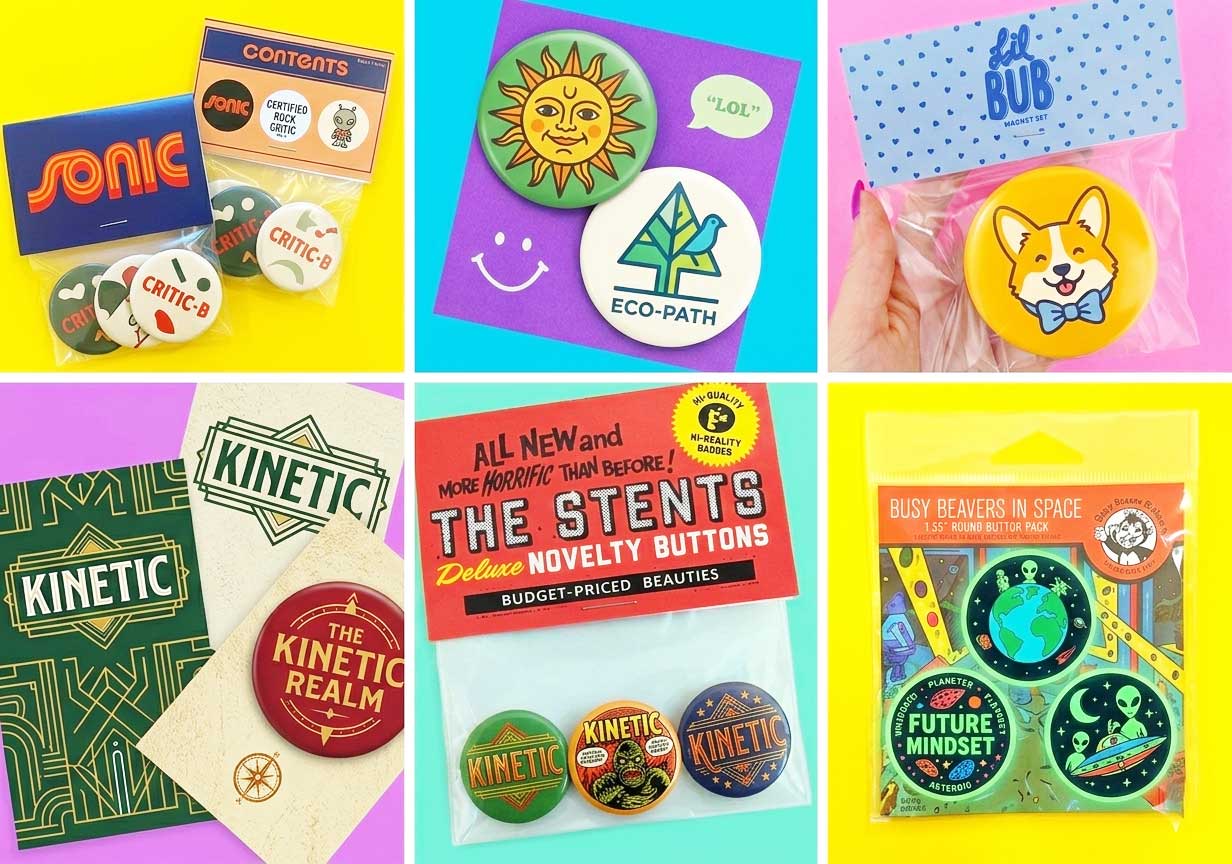
In the competitive landscape of collectible merchandise, creating a stunning enamel pin is only half the battle. The moment a customer receives their package, a silent interaction occurs. Before they ever touch the smooth metal or trace the polished enamel lines of your design, they interact with your packaging.
For artists, retail brands, and independent creators alike, product presentation is a crucial touchpoint that dictates perceived value, drives brand loyalty, and ensures the physical safety of the artwork inside. Custom Panda will analyze the ultimate strategies for enamel pin packaging, helping you transform your custom designs into premium keepsakes.
What is Enamel Pin Packaging & Why It Matters?
Enamel pin packaging refers to the specialized materials and structural components used to encase, present, and protect a finished lapel pin. While it is easy to view packaging merely as a logistical necessity to get a product from a warehouse to a customer's doorstep, its commercial and artistic impact runs much deeper.
Beyond Structural Protection
At its most fundamental level, packaging is a shield. Enamel pins are delicate pieces of art consisting of kiln-fired glass paste or synthetic polymers bonded to molded zinc alloy or brass bases. During international transit and sorting procedures, these items are subjected to significant friction, pressure, and impact.
Proper packaging fulfills several mechanical roles:
Preventing Surface Abrasions: High-polished gold, nickel, or black metal plating scratches easily when rubbed against other hard surfaces. A secure backing material prevents the face of the pin from contacting external elements.
Safeguarding the Attachments: The sharp post (or posts) on the back of a pin can easily bend, snap, or puncture shipping mailers if left exposed. Premium packaging holds the post straight and cushions the clutch—whether rubber or butterfly metal—maintaining the structural integrity of the fastening mechanism.
Mitigating Environmental Exposure: Moisture, sudden temperature shifts, and humidity can induce tarnishing or oxidation on raw metal bases. Sealed protective outer layers prevent air and moisture from degrading the metal plating before the customer opens the product.
The Unboxing ROI (Return on Investment)
In the modern digital economy, the unboxing experience is an essential pillar of organic marketing. Platforms like Instagram, TikTok, and YouTube are filled with "unboxing" videos where consumers document the tactile and visual journey of opening a new purchase.
When your packaging is meticulously designed, it encourages customers to become organic brand ambassadors. A pin attached to a thoughtfully illustrated backing card and enclosed in a sleek sleeve creates a sense of theater. This premium experience triggers a higher emotional response, significantly increasing the likelihood of user-generated content, positive five-star reviews, and repeat purchases.
Main Types of Enamel Pin Packaging
Selecting the right packaging requires understanding the diverse options available across the manufacturing industry. Here is an in-depth breakdown of the most reliable and innovative packaging styles used by top-tier creators today.
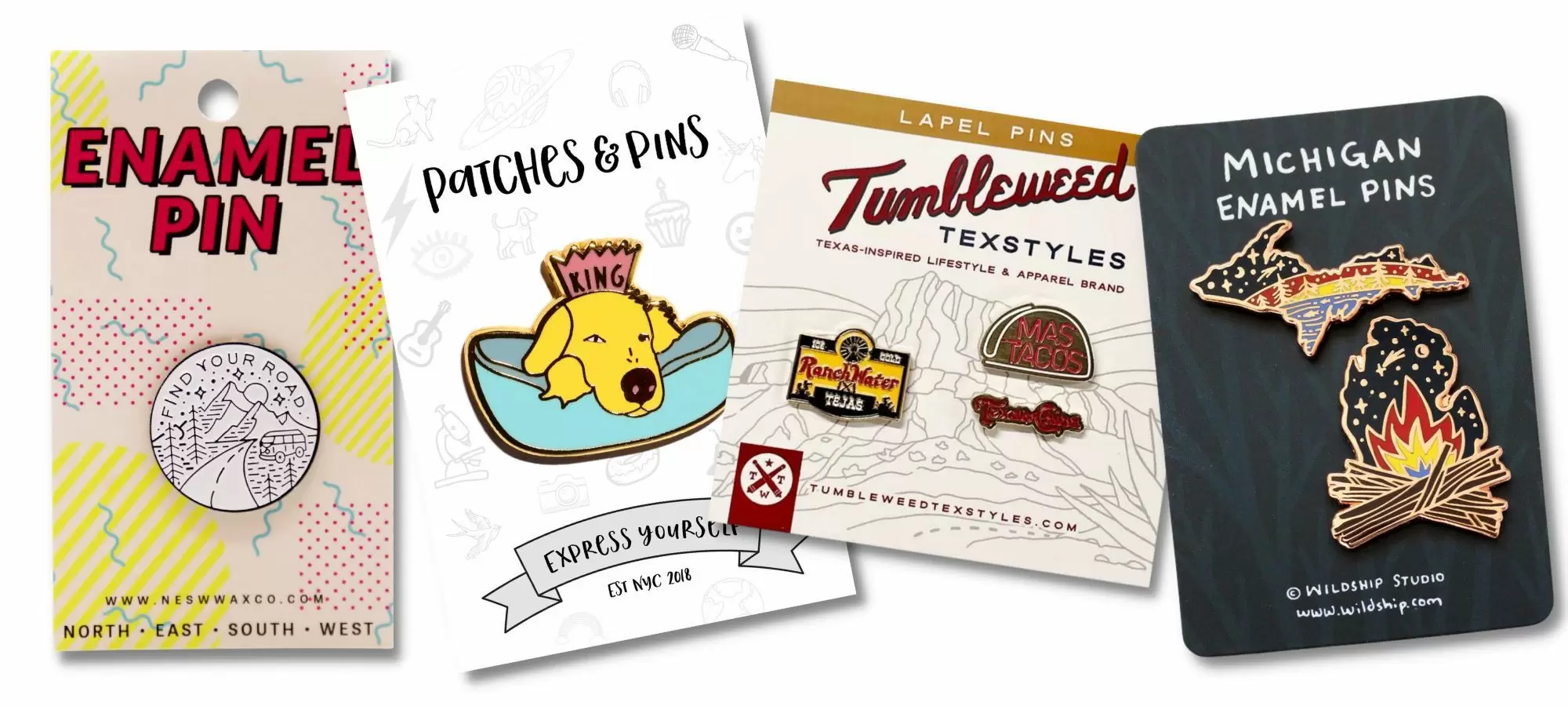
Classic & Cost-Effective: Standard Graphic Backing Cards
The undisputed industry standard for lapel pins is the custom printed backing card. Typically manufactured from rigid cardstock ranging from 300gsm to 400gsm (grams per square meter), these cards provide a sturdy structural canvas to anchor one or multiple pins.
The beauty of standard graphic backing cards lies in their immense design flexibility. Creators can utilize full-bleed, high-definition digital printing to expand their artwork onto the card itself, creating a cohesive visual narrative where the pin complements the background illustrations. For an added touch of luxury, these cards can be enhanced with spot UV coatings, rounded corners, custom die-cut borders that mirror the silhouette of the pin, or metallic foil stamping.
Eco-Friendly Aesthetics: Matte Recycled Kraft Paper Cards
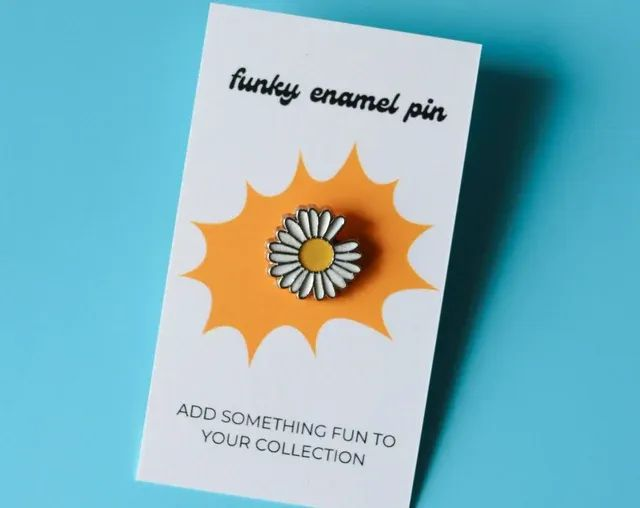
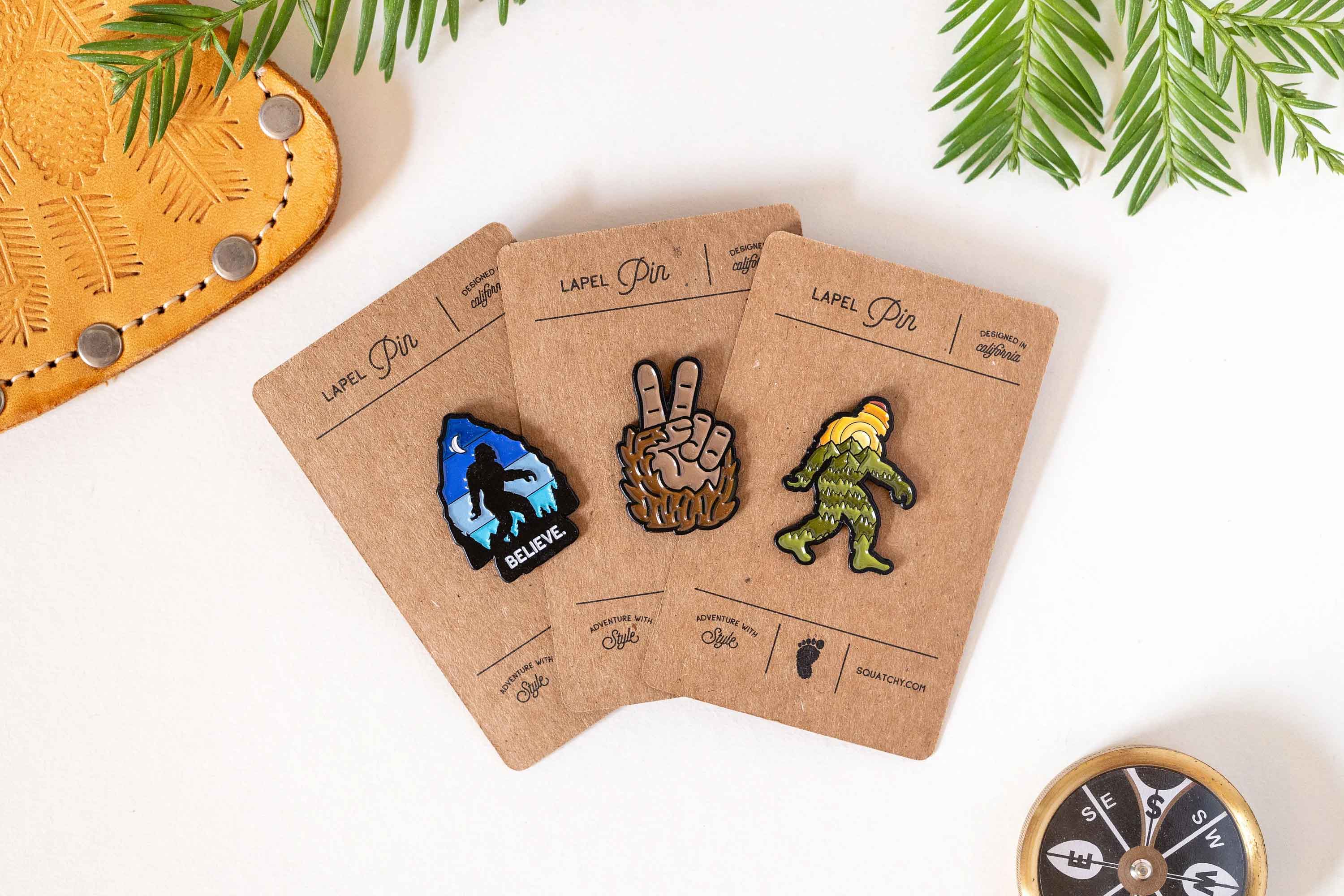
As global consumer behavior shifts heavily toward environmental responsibility, sustainable packaging has transitioned from a niche trend to a commercial necessity. Matte recycled Kraft paper backing cards provide an exceptional alternative to traditional bleached white cardstock.
Characterized by its natural, unbleached brown tone and organic fiber texture, Kraft paper infuses an authentic, rustic, or vintage feel into a product line. However, utilizing this material requires careful technical consideration during the design phase. Because Kraft paper is highly absorbent and possesses a dark base hue, ink layers sink into the substrate differently than they do on coated white papers. Darker earth tones, minimalist line art, black ink silhouettes, and opaque white accents perform beautifully on this medium, yielding a warm, tactile, and eco-conscious presentation that resonates deeply with modern demographics.
Retail-Ready Display: Clear Poly Bags (OPP) with Custom Header Cards
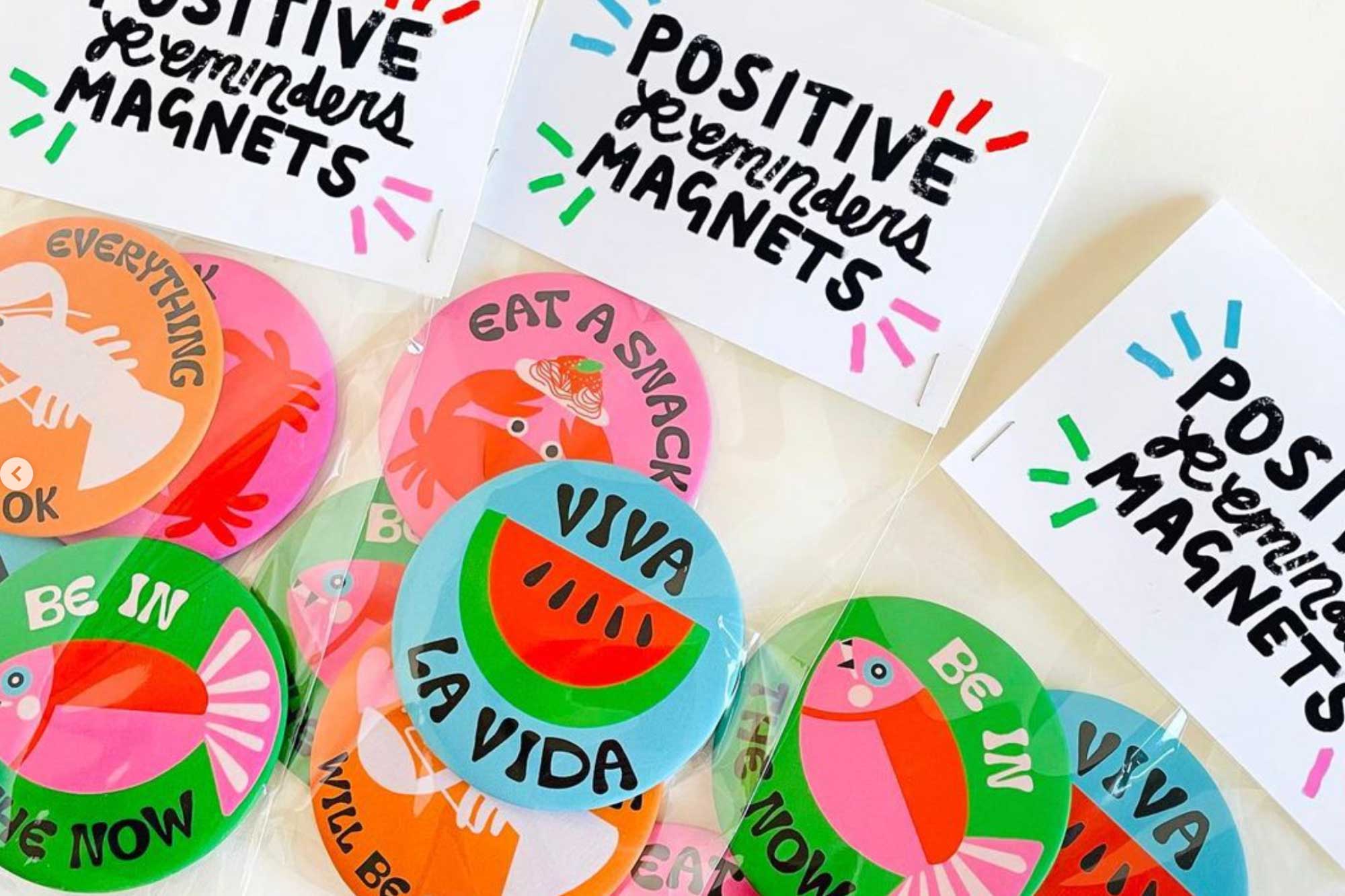
For brands aiming for large-scale retail distribution, brick-and-mortar placement, or convention tradeshows, display optimization is paramount. This style utilizes a clear Oriented Polypropylene (OPP) plastic sleeve that houses the pin, capped at the top by a scored, fold-over cardboard header card.
The header card is typically punched with a standard Euro-slot or round hole, allowing the product to hang cleanly on retail pegboards and spinner racks. This method keeps the pin perfectly visible through the transparent plastic while protecting it from greasy fingerprints and dust caused by thousands of retail shoppers handling the merchandise. Furthermore, the fold-over header card provides ample real estate on the front for brand logos and on the reverse side for barcodes, pricing stickers, and regulatory compliance text.
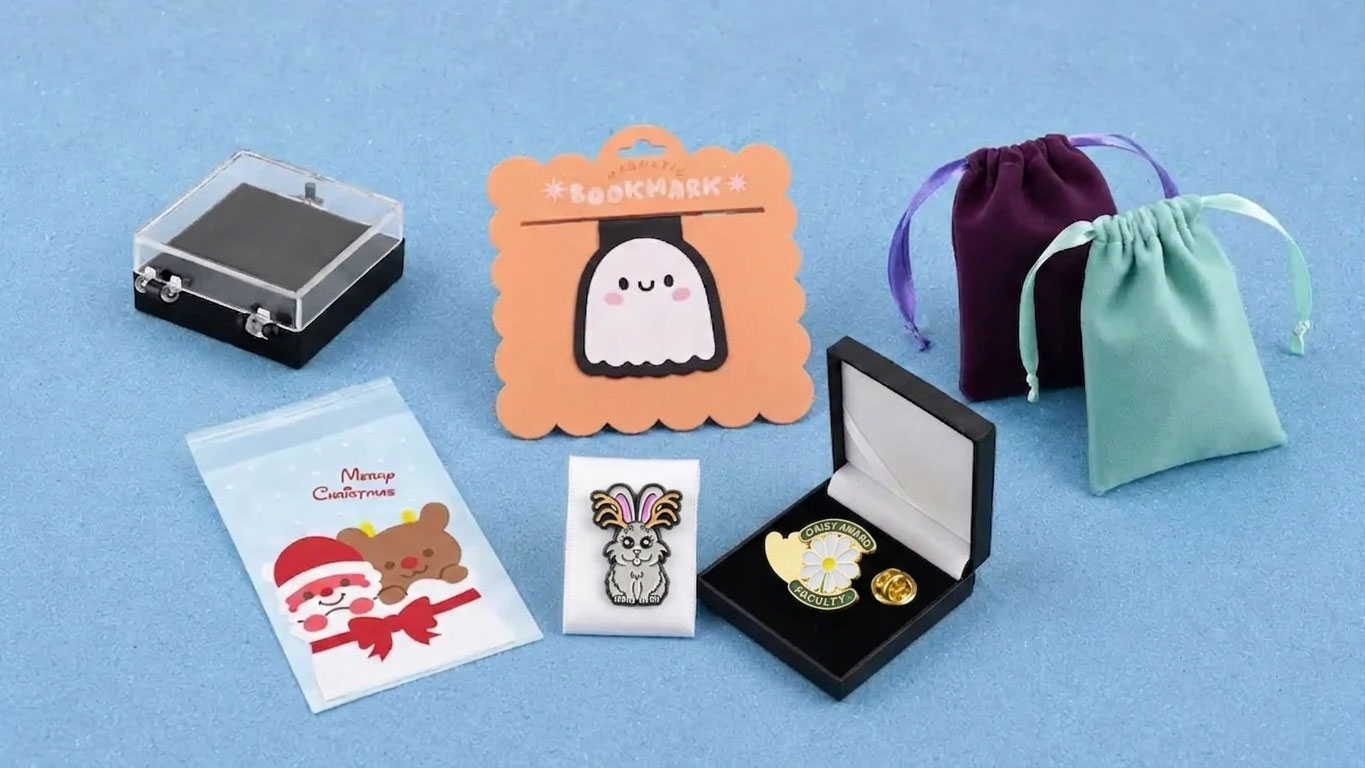
Premium & Luxury Tiers: High-Density Rigid Gift Boxes & Velvet Pouches
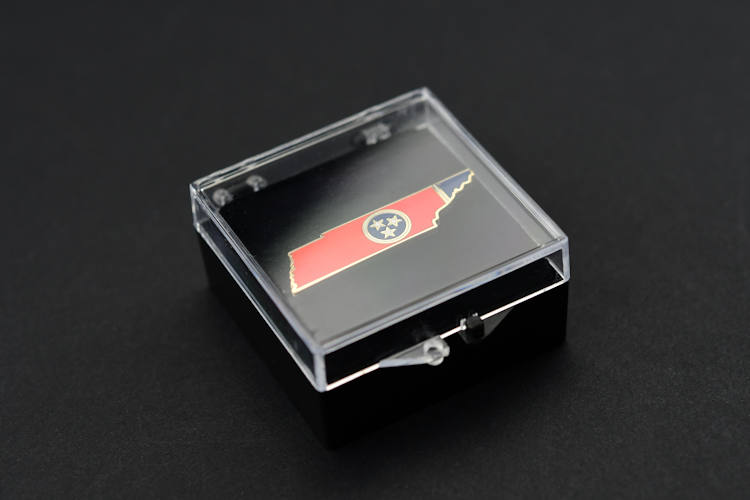
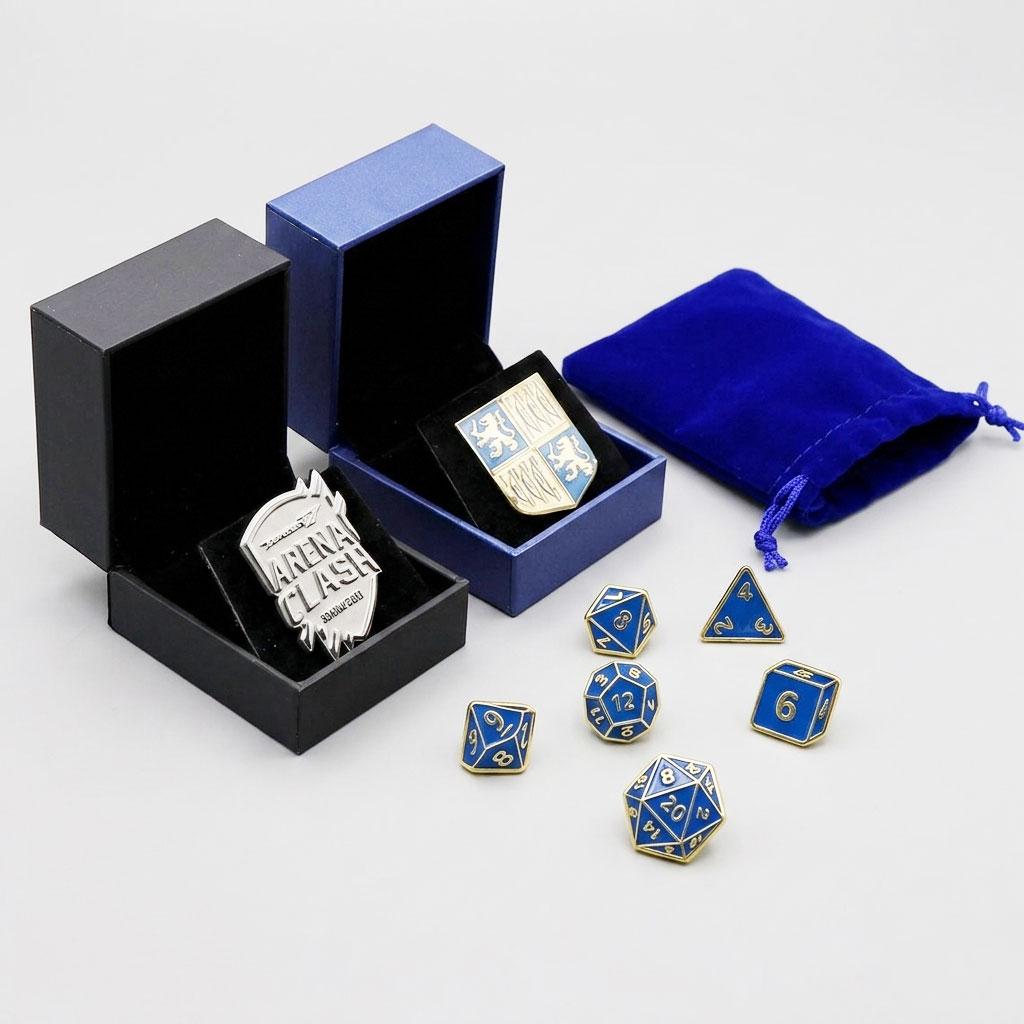
When launching ultra-limited editions, high-value variant sets, or executive corporate gifts, traditional cardstock may fall short of the required prestige. In these scenarios, switching to rigid structural boxes or soft fabric pouches creates a dramatic impact.
Premium rigid boxes feature thick, non-bending chipboard wrapped in fine art paper or soft-touch laminate. Inside, a custom-molded, laser-cut insert made from high-density EVA foam or velvet-flocked plastic holds the pin perfectly level. This structure completely eliminates the risk of card bowing or creasing under the weight of heavier zinc-alloy pins.
Alternatively, velvet or suede drawstring pouches offer an elegant, tactile experience. Often embellished with metallic foil screen printing or delicate embroidery, these pouches double as a permanent storage solution for the customer, adding ongoing utility and luxury to the purchase.
Novelty & Visual Displays: Floating Acrylic Frame Cases & Miniature Glass Vials
For avant-garde creators looking to completely disrupt traditional unboxing norms, novelty packaging turns the container itself into a showpiece.
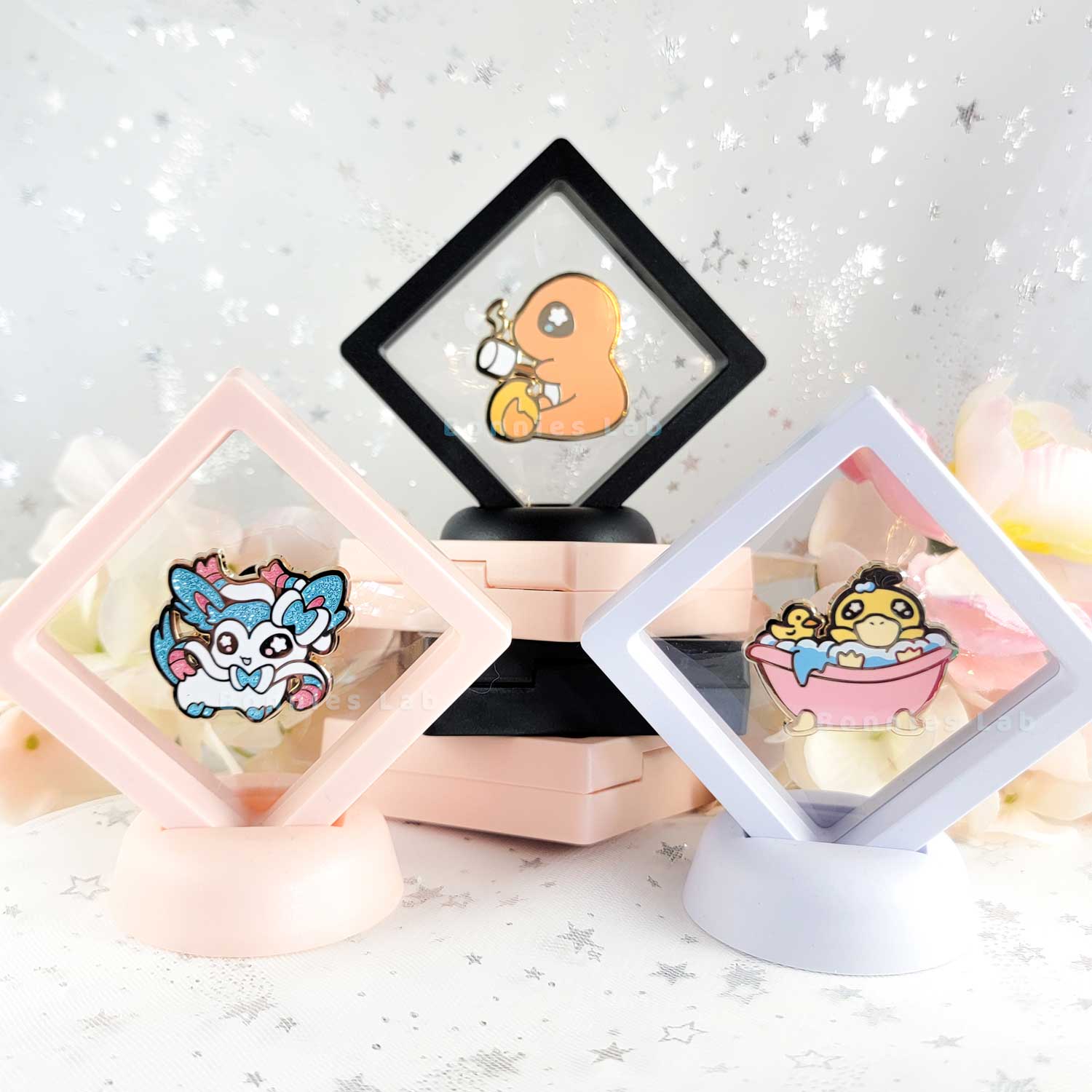
Floating acrylic frame cases utilize a unique design consisting of a hinged plastic frame equipped with two layers of highly flexible, archival-grade transparent membrane. When the pin is placed inside and the frame is snapped shut, the membrane conforms perfectly to the contours of the pin, magnifying it while suspending it in mid-air. This creates a striking 360-degree floating optical illusion, serving as a dust-proof display case that collectors can place directly on their shelves.
Another growing favorite for whimsical, cottagecore, or fantasy-themed designs is the miniature glass vial or cork jar. The pin post is pushed securely into the underside of a natural cork stopper, suspending the metal artwork upside down inside a crystal-clear glass cylinder. This creates a mesmerizing "captured artifact" or "magic potion" aesthetic that stands out brilliantly on digital storefronts.
Comparison of Enamel Pin Packaging Types
To make an informed decision for your product rollout, it is helpful to analyze how these various packaging options perform relative to one another across key commercial metrics such as unit cost, structural protection, visual impact, and target application.
| Packaging Type | Unit Cost | Protection Level | Visual Impact | Best Commercial Application |
|---|---|---|---|---|
| Standard Graphic Backing Cards | Very Low | Moderate | High | Mass merchandise, independent artists, comic conventions |
| Matte Recycled Kraft Cards | Low | Moderate | Unique / Earthy | Sustainable brands, vintage themes, minimalist designs |
| OPP Bags with Header Cards | Low | High (Dust/Dirt) | Moderate | Retail store pegboards, supermarket checkout aisles |
| Rigid Gift Boxes with Foam | High | Maximum | Elite / Luxury | Limited editions, jewelry-grade lines, corporate gifts |
| Velvet Drawstring Pouches | Moderate | Moderate (Soft) | Elegant | Fantasy/RPG merch, streetwear brands, historic themes |
| Floating Acrylic Frames | High | High (Display) | Extreme | High-end art collectibles, 3D molded pins, gallery sales |
How to Choose the Perfect Packaging for Your Enamel Pins
With so many viable paths available, choosing the perfect packaging involves finding the precise intersection of financial practicality, logistics, and brand alignment.
Budget vs. Retail Pricing Tiers
Before committing to a packaging design, map out your unit economic matrix. Your packaging cost should scale proportionally with your intended retail price. If you are retailing a standard open-edition pin for $10 to $12, allocating $3 for a rigid gift box will unsustainably crush your profit margins. A high-quality graphic backing card costing only pennies is the smart choice here.
However, if you are manufacturing a massive, multi-layered 3-inch collector's pin with a limited run of 50 pieces retailing for $45+, a premium rigid box or an acrylic floating frame adds the necessary physical weight and prestige to justify that elite price point.
Shipping & Weight Optimization
In international e-commerce and logistics, dimensional weight and physical mass directly dictate your shipping expenses. Heavy or bulky packaging can inadvertently push your parcel into a higher postal weight class, draining your profits over hundreds of shipments.
Standard backing cards and flat poly bags add virtually zero weight and maintain a flat profile, allowing them to slide into cost-effective bubble mailers or standard envelopes. Glass vials and rigid boxes, while visually stunning, add significant volumetric bulk and fragile elements, requiring thick protective boxes and higher shipping expenditures. Always weigh your complete packaging prototype, including the pin and outer mailer, before executing a final retail launch.
Target Audience & Brand Identity Alignment
Your packaging materials must speak the same visual and ethical language as your target demographics. If your brand positions itself as an eco-conscious, sustainable collective, wrapping your pins in non-biodegradable glossy plastic bags creates an immediate brand disconnect. Opt instead for recycled matte Kraft paper cards paired with biodegradable glassine sleeves.
If your target audience consists of hardcore pop-culture pin collectors who trade items online, they value pristine backing cards with crisp corners. For this demographic, utilizing sturdier 400gsm cardstock prevents the cards from bending during transport, preserving the mint-condition status that collectors covet.
Conclusion
In the modern marketplace, an enamel pin does not exist in a vacuum; it is defined by the environment it arrives in. Packaging should never be treated as an afterthought or an area to cut corners carelessly. By transforming your packaging from a simple protective wrap into a deliberate extension of your artistic vision, you unlock the ability to protect your physical product, delight your customers, and systematically scale your brand's perceived market value. Whether you choose the timeless efficiency of a graphic backing card or the high-end allure of a custom rigid box, prioritize cohesion, quality, and a memorable unboxing journey.
Custom Panda: Premium Partner to Elevate Your Pin Brand
Executing these intricate packaging ideas with professional precision requires an experienced, high-definition manufacturing collaborator. Custom Panda will take you to understand how premium custom labels, high-density backing cards, and tailored packaging solutions transform raw metal designs into market-ready retail sensations.
Equipped with cutting-edge printing technology that spans a wide range of premium substrates—from high-gloss cardstocks to uniquely textured matte recycled Kraft papers—and adhering to rigorous digital quality control standards to ensure crisp, distortion-free graphics, Custom Panda is fully capable of bringing your unique packaging visions to life. We can assist you in optimizing cost margins, securing inventory safety, and completely upgrading your unboxing experience. Contact our design engineering team today to secure custom material samples and a professional quote tailored for your next product rollout.

