
th
How To Store Matt Labels Correctly?
Matt labels are a staple in modern branding, packaging, and identification, beloved for their understated elegance, glare-free readability, and premium tactile finish. Unlike glossy alternatives, they deliver a sophisticated, non-reflective look that elevates everything from luxury goods to industrial tags. However, their unique surface composition means improper storage can quickly compromise print quality, adhesive performance, and overall durability. Mastering correct storage practices is essential to preserve your investment, maintain label functionality, and ensure consistent, professional results for every application.
What Are Matt Labels?
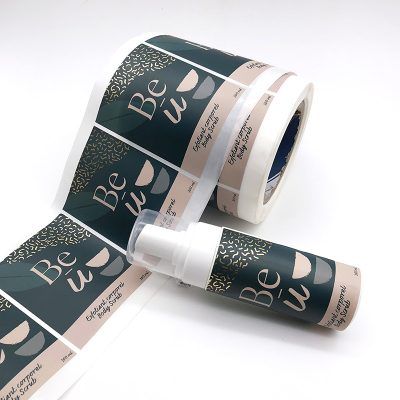
Matt labels—alternatively referred to as matte labels in global industry terminology—are specialized pressure-sensitive adhesive (PSA) labels defined by their non-reflective, low-sheen, and light-diffusing surface finish. Unlike glossy labels that rely on a high-gloss coating to reflect light, matt labels feature a micro-textured or porous top layer that scatters ambient light, eliminating glare and boosting visibility across indoor, outdoor, and high-brightness settings.
These labels are categorized by their base substrate, with two primary formulations dominating the market: paper-based matt labels (eco-friendly, cost-effective for short-term use) and synthetic matt labels (PET, BOPP, vinyl, or polypropylene, engineered for durability, water resistance, and long-term applications). Every variant is designed with a balanced coating structure that prioritizes both aesthetic appeal and functional performance, making them a versatile choice for brands seeking a refined, professional aesthetic without the reflective drawbacks of standard labeling materials.
Main Features Of Matt Labels
Non-Reflective Surface & Glare Elimination
The proprietary matt coating diffuses 90%+ of direct and indirect light, ensuring text, barcodes, QR codes, and graphic elements remain legible in sunlight, fluorescent lighting, and retail display environments. This is mission-critical for compliance-focused industries like healthcare, logistics, and automotive where scanability and readability are non-negotiable.
Premium Tactile & Aesthetic Finish
Available in smooth velvety, fine textured, or satin matt variants, the surface delivers a luxury tactile experience that positions products as high-end. This finish resists visual wear, maintaining a clean, upscale appearance far longer than glossy labels that show scratches and smudges prominently.
Fingerprint, Smudge & Mark Resistance
The porous yet durable top layer masks oil marks, fingerprints, and minor smudges without compromising print clarity, reducing the need for constant cleaning in retail, handling, and warehouse settings. This is a key advantage for cosmetics, wine, and electronics packaging where visual perfection is paramount.
Superior Print Compatibility & Ink Retention
Engineered to bond with water-based, solvent, thermal, and UV-cured inks, matt labels deliver crisp, sharp text and vibrant color reproduction with minimal ink bleed. The surface holds ink more evenly than glossy substrates, preventing fading and smearing during printing and post-production handling.
Writeable & Customizable Surface
Unlike non-porous glossy labels, matt surfaces accept ballpoint pens, permanent markers, and thermal transfer printing seamlessly, making them ideal for hand-labeled inventory, variable data tagging, name badges, and on-site customization.
Versatile Material Durability Options
Paper matt labels offer recyclability and cost efficiency for indoor, short-term use; synthetic matt labels (PET/BOPP) provide tear resistance, water repellency, and chemical stability for outdoor, industrial, and harsh-environment applications, bridging aesthetics and functionality.
How Are Matt Labels Made?
The production of matt labels is a precision-driven, multi-stage manufacturing process that balances coating technology, adhesive engineering, and quality control to ensure consistent performance. Unlike standard labels, matt labels require specialized formulation to achieve the signature low-sheen finish without sacrificing durability:
Substrate Selection & Preparation: The base material (coated paper, PET, BOPP, or vinyl) is selected based on end-use requirements (indoor/outdoor, water resistance, recyclability). The substrate is cleaned and calibrated to ensure a flat, uniform surface for coating application, eliminating imperfections that would ruin the matt finish.
Matt Coating Application: A proprietary matt coating—blended with matting agents (silica or polymer particles), resins, and cross-linking additives—is applied via curtain coating, gravure coating, or matte film lamination. This step is tightly controlled for thickness (typically 5-15 microns) to ensure consistent light diffusion; uneven coating causes glossy spots or poor ink adhesion.
Curing & Drying: The coated substrate passes through UV or thermal curing stations to harden the matt layer, creating a stable, scratch-resistant surface. This step ensures the coating bonds permanently to the substrate without cracking or peeling over time.
Adhesive & Liner Lamination: A pressure-sensitive adhesive (permanent, removable, or repositionable) is applied to the back of the substrate, paired with a silicone-coated release liner to prevent sticking. The adhesive formulation is matched to the substrate to ensure optimal peel strength and shelf life.
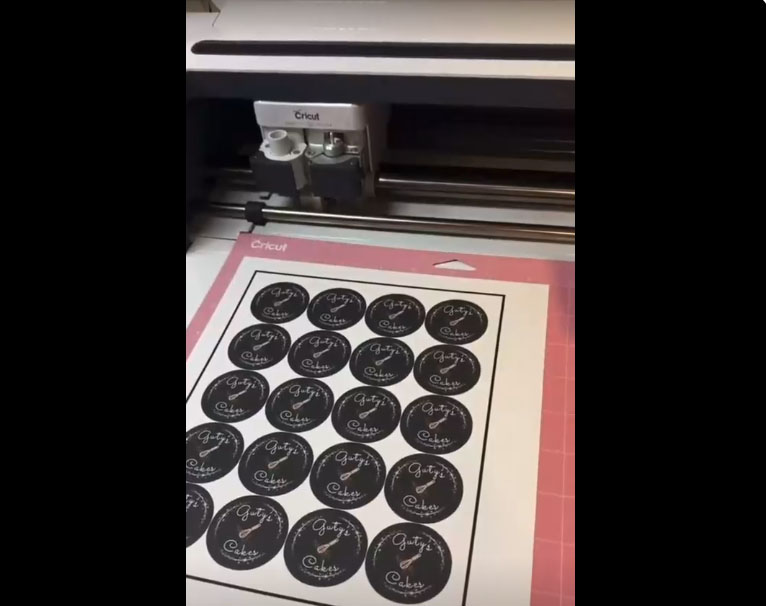
Converting & Quality Control: The master roll is converted into custom sizes, sheets, or die-cut shapes, with rigorous testing for coating uniformity, adhesive performance, and printability. Only batches passing strict quality checks are packaged for shipment.
Applications For Matt Labels
Matt labels’ unique combination of aesthetic refinement and functional reliability makes them a top choice across high-value, compliance-driven, and consumer-facing industries. Below is a detailed breakdown of sector-specific use cases:
Luxury Retail & Premium Packaging: Cosmetics, skincare, fragrances, wine & spirits, gourmet food, apparel, and artisanal goods—where the matt finish reinforces brand exclusivity and product quality.
Industrial & Logistics Management: Shipping labels, asset tracking tags, warehouse inventory labels, barcode/UPC labeling, and automotive component tags—prioritizing glare-free scanability and durability.
Electronics & Tech Hardware: Device branding labels, instruction stickers, warranty tags, and component markings—resisting fingerprints and maintaining clarity in high-tech environments.
Healthcare & Pharmaceutical: Pharmacy prescription labels, medical supply identification, lab sample tags, and healthcare equipment markings—meeting strict readability and contamination resistance standards.
Office & Administrative Branding: Corporate document labeling, file folder tags, event badges, promotional materials, and product manuals—offering a professional, polished look for business collateral.
Hospitality & Wellness: Spa product labels, guest amenities, hotel key card tags, and food & beverage labeling—blending elegance with practicality for guest-facing assets.
Key Factors Affecting The Preservation Of Matt Labels
Matt labels’ unique porous coating and substrate composition make them far more sensitive to environmental and physical stressors than glossy labels. Even minor exposure to adverse conditions can degrade the surface, break down adhesive bonds, or ruin print quality. Below is a detailed analysis of each preservation factor and its long-term impact:
| Preservation Factor | Scientific Impact On Matt Labels | Visible Signs Of Degradation |
|---|---|---|
| Temperature Fluctuations | Temperatures above 27°C (80°F) soften PSA adhesive, causing adhesive transfer and label blocking; temperatures below 10°C (50°F) embrittle paper substrates and reduce adhesive tack. Rapid thermal cycling accelerates polymer breakdown in the matt coating. | Labels sticking together, adhesive oozing, substrate curling, print cracking, difficulty peeling labels from liners. |
| Humidity & Moisture Exposure | Relative humidity (RH) above 60% causes paper matt labels to absorb moisture, swell, and weaken fiber structure; RH below 35% dries the coating, increases static electricity, and reduces ink adhesion. Moisture also hydrolyzes adhesive bonds over time. | Warped sheets, blurred print, mold growth, label lifting, static-induced dust attraction, poor print transfer. |
| UV & Visible Light Exposure | UV radiation breaks down dye-based inks and polymer coatings, causing photodegradation; even fluorescent indoor light accelerates color fading and coating yellowing. Porous matt surfaces retain less UV stabilizer than glossy coatings. | Print discoloration, surface yellowing, loss of matt finish (turning glossy), faded barcodes, brittle substrate. |
| Physical Pressure & Mechanical Stress | Heavy stacking compresses the label liner, damaging the adhesive layer; bending/crushing creates micro-cracks in the matt coating. Rough handling abrades the delicate top layer, destroying the light-diffusing structure. | Permanent creases, label misalignment, liner damage, scratched surfaces, uneven adhesive coverage. |
| Chemical & Contaminant Exposure | Oils, solvents, dust, and airborne chemicals penetrate the porous matt coating, reacting with inks and adhesives. Dust particles embed in the surface, causing permanent blemishes that cannot be wiped clean. | Stained surfaces, ink smearing, adhesive failure, permanent dust marks, loss of print clarity. |
| Static Electricity Buildup | Low humidity and synthetic substrate friction generate static charge, attracting airborne dust and causing label sheets/rolls to cling together. Static also disrupts thermal and inkjet printing processes. | Dust-covered labels, misfeeds in printers, sheets sticking together, uneven application. |
How To Store Matt Labels Correctly?
To maximize the shelf life of matt labels (typically 12–24 months for unopened packages) and preserve print, adhesive, and finish quality, follow this industry-standard, science-backed storage protocol. These steps address every vulnerability of matt labels and ensure consistent performance from storage to application:
Maintain a climate-controlled storage space with fixed parameters to eliminate degradation triggers: ideal temperature: 18°C–22°C (64°F–72°F) (avoid deviations beyond ±2°C) and ideal relative humidity: 45%–50% (stable, no spikes or drops). Use a hygrometer and thermometer to monitor conditions 24/7; avoid storage near HVAC vents, radiators, windows, doors, basements, attics, or loading docks.
Keep matt labels in their original factory-sealed poly packaging until immediate use. For opened packages, use airtight, opaque plastic bins or cardboard storage boxes lined with acid-free paper to block all UV and artificial light. For bulk roll storage, use covered, light-proof shelving units; never store labels in open racks or near windows. Add anti-dust liners to storage containers to prevent particle contamination.
Label Rolls: Store vertically on dedicated, padded label racks with core supports to prevent flattening, deformation, and adhesive transfer. Do not stack rolls horizontally or place heavy objects on top; leave 2–3 inches of space between rolls for air circulation.
Label Sheets: Lay flat in rigid, stackable acid-free trays or binders, with a maximum stack height of 12 inches to avoid compression. Separate sheet packs with thin cardstock to prevent sticking; never bend, fold, or wedge sheets into tight spaces.
Partial Packages: Reseal opened bags with heavy-duty packaging tape or vacuum-seal to lock out moisture and dust; label partial packs with the date opened for inventory tracking.
Handle labels only with clean, dry, lint-free gloves or freshly washed hands to avoid oil transfer; always grip the label edges or liner, never the printed matt surface.
Enforce a strict First-In, First-Out (FIFO) inventory system: label all packages with manufacturing and receipt dates, and use older stock first to prevent expiration and long-term degradation.
Store labels at least 6 inches off concrete floors (use pallets or shelving) to avoid moisture absorption; keep away from chemicals, cleaning supplies, oils, and sharp tools.
For extended storage, add moisture-absorbing desiccant packets (1 per 5-pack of labels) to storage containers to regulate humidity. For synthetic matt labels, use anti-static storage bags to reduce static buildup. Conduct monthly visual inspections: check for curling, discoloration, adhesive oozing, or dust accumulation, and rotate stock to ensure even conditions.
Storage Specialties Of Matt Labels Vs. Glossy Labels
While both label types require basic protective storage, matt labels have inherent structural differences that demand specialized care—glossy labels’ non-porous, protective top coat acts as a barrier, while matt labels’ porous finish leaves them vulnerable. Below is a detailed comparison of storage requirements:
Surface Sensitivity Gap: Glossy labels feature a thick, non-porous acrylic coating that repels moisture, dust, and scratches; matt labels have a thin, porous coating that absorbs contaminants and scratches easily. Matt labels require airtight, dust-free storage to avoid permanent damage, whereas glossy labels can tolerate short-term open storage.
Print Fading Vulnerability: Glossy coatings trap UV stabilizers and protect inks from photodegradation; matt coatings have lower UV resistance, making print fade 2–3x faster under light exposure. Matt labels need complete light blocking, while glossy labels can tolerate indirect indoor light.
Adhesive Stability Requirements: Matt label adhesives are formulated to bond with porous surfaces, making them more temperature-sensitive; glossy label adhesives are designed for non-porous substrates and have wider thermal tolerance. Matt labels require strict temperature stability to prevent adhesive failure.
Static & Dust Control: Glossy surfaces generate minimal static and repel dust; matt surfaces build static quickly and attract dust particles. Matt labels need anti-static storage materials and regular dust monitoring, a step unnecessary for most glossy labels.
Moisture Resistance: Glossy paper labels resist moisture absorption; matt paper labels absorb humidity rapidly. Synthetic matt labels offer better moisture resistance but still require stricter humidity control than their glossy counterparts.
Why Choose Custom Panda?
Why Choose Custom Panda?
At Custom Panda, we don’t just manufacture matt labels—we engineer them for superior storage resilience and long-lasting performance, making them the easiest-to-maintain labeling solution on the market. Here’s why businesses worldwide trust us for their matt label needs:
Premium, Storage-Resilient Materials: We use enhanced matt coatings with built-in UV stabilizers and moisture barriers, reducing degradation risks and extending shelf life by up to 30% compared to standard matt labels. Our substrates are rigorously tested to resist curling, fading, and adhesive failure.
Advanced Adhesive Technology: Our pressure-sensitive adhesives are formulated for stable performance across temperature and humidity ranges, minimizing blocking and oozing during storage. We offer permanent, removable, and repositionable adhesive options tailored to your storage and application needs.
Expert Storage Guidance Included: Every order comes with a customized matt label storage and handling guide, so your team has clear, actionable protocols to preserve label quality. Our technical support team is available to answer storage-related questions and troubleshoot issues.
Full Customization & Quality Assurance: We offer unlimited custom sizes, shapes, colors, and print options, with strict quality control for every batch. Our labels are packaged in anti-static, moisture-resistant packaging to protect them from the moment they leave our facility.
End-To-End Reliability: From design to delivery, we prioritize durability and usability. Our matt labels are engineered to maintain their luxury finish, print clarity, and adhesive strength—even with long-term storage—so your branding always looks polished and professional.
FAQ Of Choosing Between Matt Silver Labels And Matt Labels
Pro Tip: Always conduct a small-scale application test of stored matt labels before full production run. Check adhesive peel strength, print clarity, and surface finish to confirm no degradation has occurred—this quick step eliminates costly reprints and ensures brand consistency.

