
th
What is a Sticker?
What is a Sticker?
You see stickers everywhere, and they seem simple enough: a piece of paper or vinyl with a sticky back. But if you have ever ordered custom stickers only to watch them fade, peel, or wash away within weeks, you know that not all stickers are created equal. Beneath that seemingly simple surface lies a carefully engineered product. A sticker is a printed piece of material — typically paper, vinyl, or film — coated with a pressure-sensitive adhesive and protected by a peel-away silicone-coated backing. It is designed to be applied to a surface for decoration, identification, branding, or communication. Understanding what goes into a sticker is the first step toward creating one that truly lasts.
While the basic concept of a sticker is straightforward, the technical details determine everything about how it performs in the real world. A sticker is not just a printed image with glue on the back; it is a multi-layer composite. The face material — whether paper, vinyl, or specialty film — provides the foundation. The ink layer must be compatible with both the material and the intended environment; solvent-based or UV-cured inks offer far greater durability than standard water-based alternatives. The adhesive layer varies from permanent bonds that resist removal to removable formulations that peel away cleanly. A protective laminate adds resistance to UV rays, moisture, and abrasion, while the silicone-coated backing preserves the adhesive until the moment of application. Each layer serves a specific purpose, and the choices made at each stage directly impact how long the sticker lasts and how well it represents the brand or message it carries.
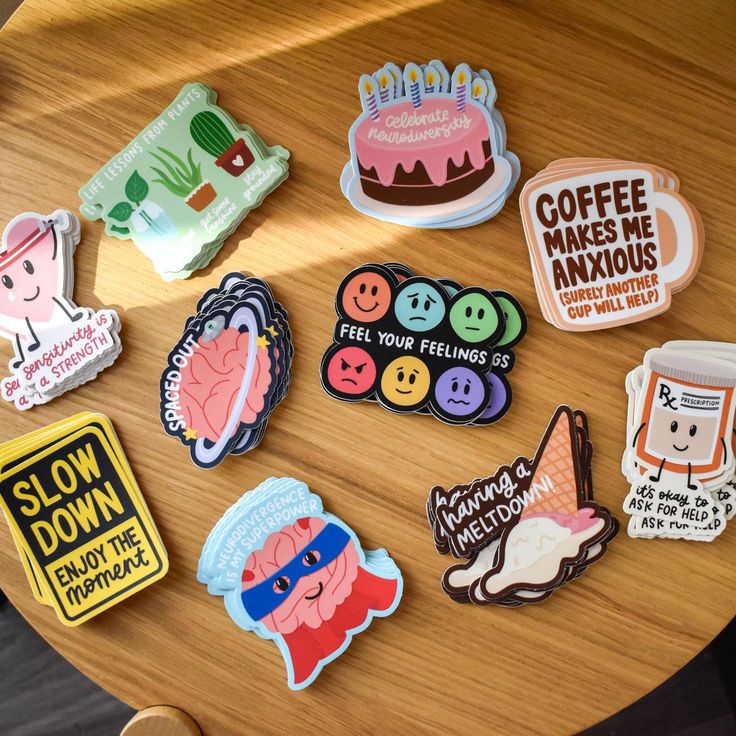
What Are Stickers Made Of?
A sticker is not just a printed image with glue on the back. It is a multi-layer composite, and each layer serves a specific purpose. The choice of materials determines how the sticker will look, how long it will last, and where it can be used.
The Five Layers of a Sticker
1. Face Material
This is the visible body of the sticker — the material that carries the printed design. The most common face materials are paper and vinyl, but other options include clear film, holographic film, and specialty materials like metallic or biodegradable substrates. Vinyl is the go-to choice for outdoor or high-durability applications because it is waterproof, UV-resistant, and flexible. Paper is better suited for indoor, short-term use where cost is a primary concern.
2. Ink
The ink layer brings the design to life. Not all inks perform equally. For stickers that need to withstand sunlight, moisture, and abrasion, solvent-based or UV-cured inks are essential. These inks chemically bond to the face material, creating a durable, fade-resistant finish. Water-based inks are acceptable for indoor applications but will degrade quickly when exposed to the elements.
3. Adhesive Layer
The adhesive is what makes a sticker a sticker. Adhesives vary widely in strength and permanence. Permanent adhesives are designed to bond aggressively and are difficult to remove without leaving residue or damaging the surface. Removable adhesives allow for clean removal, making them ideal for temporary applications like window signs or retail promotions. There are also specialized adhesives for low-surface-energy plastics, textured surfaces, or freezer applications.
4. Protective Laminate
Not all stickers include a laminate layer, but for any sticker that needs to survive outdoor conditions or regular handling, lamination is critical. This clear overlay — typically applied as a thin film — protects the ink from UV rays, scratches, water, and chemicals. A gloss laminate enhances color vibrancy, while a matte laminate provides a subdued, non-reflective finish. Without lamination, even the most durable vinyl sticker will eventually succumb to environmental wear.
5. Backing Paper
The backing paper, also known as liner, is the silicone-coated sheet that protects the adhesive until the sticker is ready to be applied. It is peeled away and discarded. The choice of backing matters for manufacturing efficiency: a heavier backing provides stability during die-cutting, while a lighter backing may be preferred for hand-applied stickers.
| Material | Best For | Durability |
|---|---|---|
| Paper | Indoor packaging, short-term promotions, disposable labeling | Low (not waterproof, tears easily) |
| Vinyl | Outdoor signage, laptops, water bottles, vehicles | High (5+ years, waterproof, UV-resistant) |
| Clear Film | "No-label" look on product packaging, glass applications | High (waterproof, blends with surface) |
| Holographic | Decorative stickers, security features, premium branding | High (waterproof, visually distinctive) |
Types of Custom Stickers
When ordering custom stickers, the format is just as important as the material. The way a sticker is cut and packaged affects how it is used, how easily it can be applied, and how it is perceived by the end user.
How Are Stickers Made?
Professional sticker production involves a sequence of precise steps, each of which affects the final product.
Step 1: Artwork Preparation – Digital file with cutline and 2mm bleed, 300 DPI minimum.
Step 2: Printing – Large-format industrial printers (digital, screen, or flexo) on rolls of face material.
Step 3: Lamination – Clear protective film (gloss or matte) applied for waterproofing and UV resistance.
Step 4: Cutting – Digital plotter follows cutline; kiss cut or die cut options.
Step 5: Finishing & Packaging – Rolls, hand-separated singles, or retail packs with strict quality control.
What Are Stickers Used For?
Stickers serve a remarkably wide range of purposes. While they are often thought of as decorative items, their utility extends far beyond personal expression.
Branding and Promotion
Businesses use custom stickers to put their logo on products, packaging, and promotional materials. A well-designed sticker handed out at a trade show or included with a shipment serves as a mobile billboard. When a customer chooses to place that sticker on their laptop or water bottle, they become a brand ambassador.
Product Labeling
In this functional role, stickers act as labels. They carry essential information such as ingredients, barcodes, safety warnings, and usage instructions. Durability and readability are top priorities.
Personal Expression and Art
For individuals, stickers are a form of identity signaling. People decorate their personal belongings — laptops, phones, water bottles, notebooks, and vehicles — with stickers that reflect their interests, affiliations, and experiences. A sticker from a national park, a favorite band, or an independent artist tells a story.
Organizational and Functional
Color-coded dots, file folder labels, warehouse rack signs, and equipment identification tags all fall into this category. These stickers prioritize clarity, consistency, and ease of application.
What's the Difference Between Stickers and Labels?
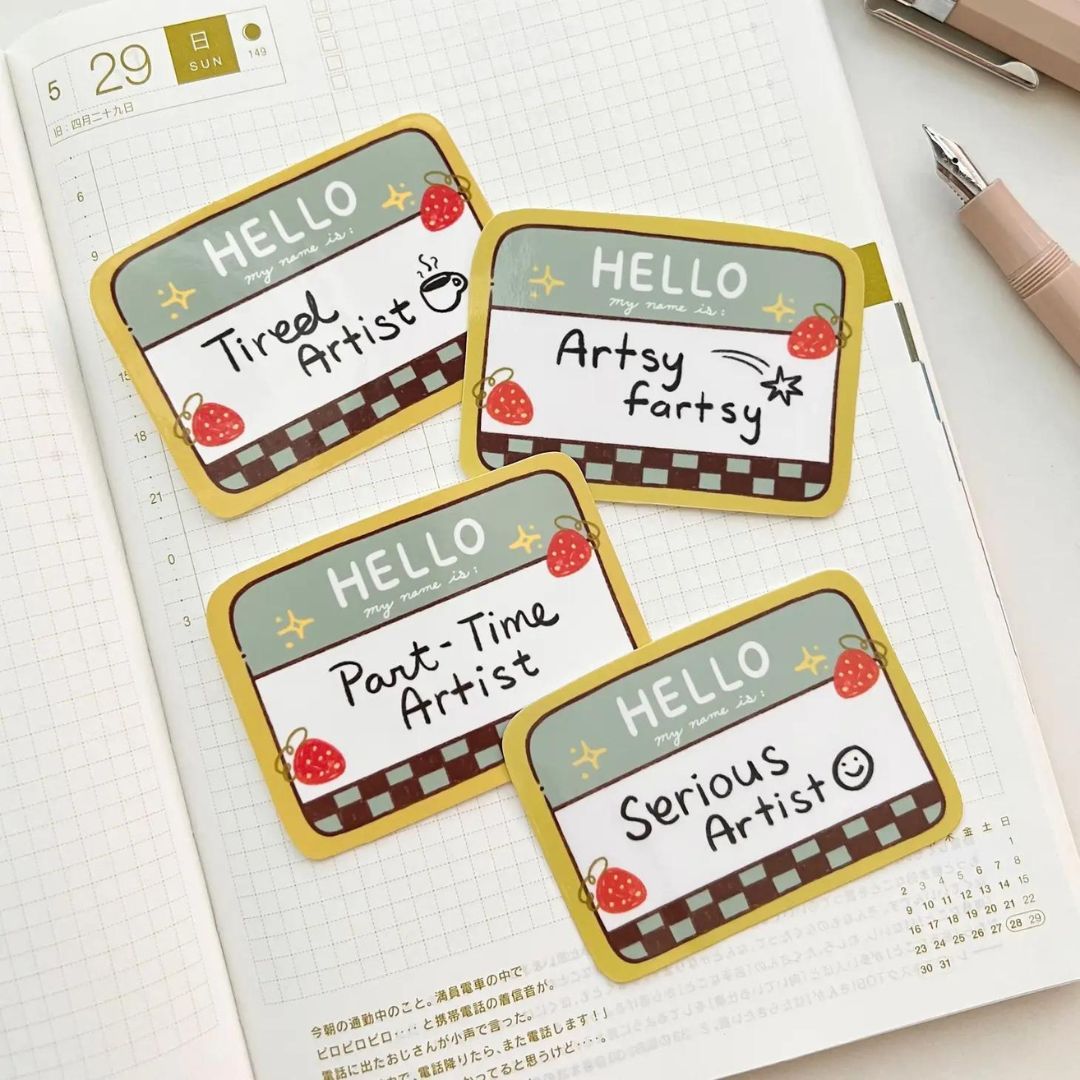
The terms "sticker" and "label" are often used interchangeably, but in manufacturing and commercial contexts, they serve distinct purposes. A label is fundamentally informational — designed to convey data like barcodes, ingredients, or serial numbers — and is typically applied by machine on production lines. A sticker, by contrast, is primarily promotional or decorative. It is intended to be seen and to communicate a brand, an aesthetic, or an affiliation, usually applied by hand. That said, the lines blur in practice, but the design brief and material choices often differ significantly.
Why Are Stickers So Popular?
Few products combine affordability, durability, and expressive potential as effectively as the sticker. Digital printing has lowered the barrier to entry; independent artists can now order 50 high-quality die-cut vinyl stickers without mass commitment. Stickers offer a low-stakes way to signal identity — a laptop covered in stickers is a curated statement of taste and values. For businesses, they are lightweight, cost-effective marketing tools with exceptional longevity. Plus, they start conversations, creating social connections that other mediums can't match.
Why Choose Custom Panda?
Custom Panda specializes in the design and production of premium custom creations, including custom pins, custom patches, and custom labels. We also produce high-quality custom stickers, bringing the same level of precision and craftsmanship to stickers that we bring to every product we manufacture. Whether you need durable vinyl stickers for outdoor branding, intricate kiss-cut sticker sheets for retail, or transfer decals for vehicle graphics, we have the technical expertise and production capabilities to deliver.
With no minimum order requirements, we serve everyone from independent artists running small-batch releases to enterprise clients scaling up for large campaigns. Our factory-direct pricing ensures competitive rates without compromising on the materials we use — weather-resistant vinyl, UV-stable inks, and protective laminates — so every sticker performs as intended, whether it lives on a laptop, a water bottle, or a storefront window.
<!--!doctype-->

