
I’ll be honest with you—I’ve been around stickers for a long time. And in all those years, I’ve noticed something interesting: most people seriously underestimate what a sticker can do.
We tend to treat stickers like… well, stickers. Something you slap on a notebook and forget about. But the truth is, a well-designed, well-applied sticker can be one of the most cost-effective tools you’ll ever use. It can build a brand. It can start a conversation. It can turn a boring package into something someone actually remembers.
And on the flip side? A poorly chosen or badly applied sticker can make your brand look cheap, fall off in two days, or leave a sticky mess that makes you regret ever trying.
So let’s go beyond the basics. Whether you’re a business owner looking to elevate your packaging, or just someone who loves stickers and wants to do them justice—this guide is for you. I’ll walk you through not just how to use stickers, but why certain choices matter, and how to get the most out of every single one.
What Is a Sticker?
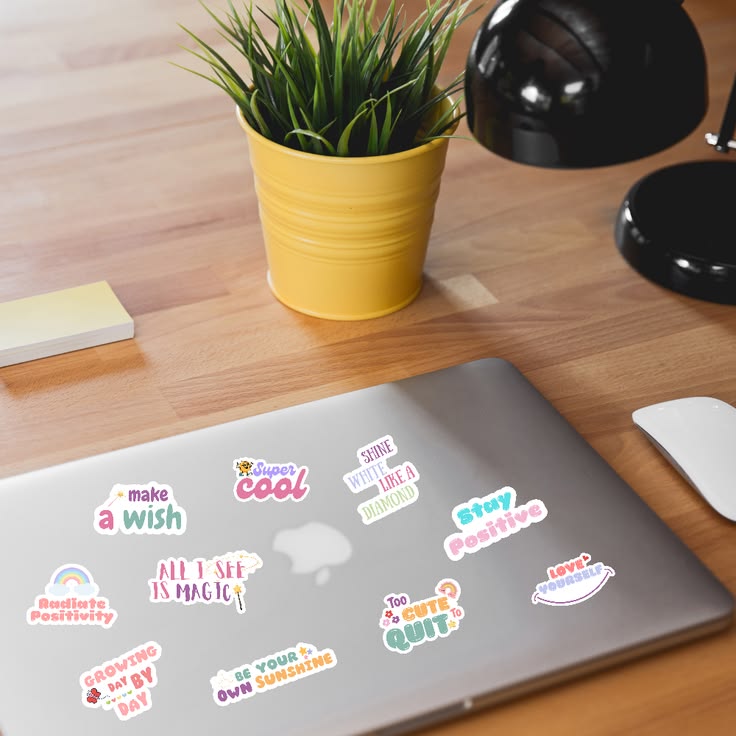
Let’s start simple. A sticker is essentially three layers working together: the face material (what you see), the adhesive (what sticks), and the release liner (what you peel off). That’s it.
But here’s the thing I’ve learned: when those three layers are chosen thoughtfully, a sticker becomes something more. It becomes a bridge. Between you and your customer. Between your brand and someone’s daily life. Between an idea and a memory.
A sticker on a laptop isn’t just decoration—it’s a little piece of identity that person is choosing to display to the world. A sticker on a product isn’t just a label—it’s a promise of quality. That’s the magic of stickers, and it’s why getting them right matters more than you might think.
Key Features of a Sticker
When I talk to customers about stickers, I notice they often focus entirely on the design—which makes sense, because that’s the fun part. But the features below are what determine whether your beautiful design actually works in the real world.
Adhesive Backing: The Invisible Hero
The adhesive is the part you never see, but it’s the part that does all the work. And not all adhesives are the same.
Permanent adhesives are formulated to create a strong, long-term bond. They’re designed to be difficult to remove—sometimes intentionally so. If you’re labeling industrial equipment, shipping boxes, or products that will be handled constantly, you want permanent.
Removable adhesives, on the other hand, use a different formulation. They stick firmly, but they’re engineered to release cleanly when pulled. The trick is in the timing: most removable adhesives become more permanent over time. Leave one on a surface for a year, and it might no longer come off as cleanly as it would have after a week.
A question I get often: “Can I make a permanent sticker removable?” The honest answer is no. The adhesive is part of the construction—it’s not something you can change after the fact. So decide upfront: do you want this to stay, or do you want flexibility later?
Durability and Waterproof Qualities: It’s All About the Material
This is where a lot of people get tripped up. They assume all stickers are waterproof because… well, stickers seem like they should be. But here’s the reality:
Paper stickers are porous. They absorb moisture. If you put one on a water bottle and run it through the dishwasher, it will warp, fade, and eventually disintegrate. That’s not a manufacturing flaw—it’s just the wrong tool for the job.
Vinyl stickers, in contrast, are non-porous. They’re essentially a thin sheet of plastic with a printed surface and an adhesive backing. Water can’t soak through. UV-resistant coatings protect them from sun fading. They’re designed for the outdoors, for frequent handling, for real life.
If you’re wondering whether you need waterproof stickers, ask yourself: Will this sticker ever get wet? Will it live in the sun? Will it be touched often? If the answer to any of those is yes, go with vinyl. The extra cost is negligible compared to the disappointment of a paper sticker that fails.
Custom Shapes and Sizes: Why Die-Cut Matters
There’s a psychological difference between a rectangle and a custom shape. A rectangular sticker looks like… a sticker. A die-cut sticker that follows the outline of your logo, your mascot, or your design—that looks like something intentional. Something premium.
Here’s the practical side: die-cut stickers don’t have a border or excess backing material around them. That means no white edge around your design. It’s just your artwork, sitting cleanly on the surface. It draws the eye directly to what matters.
And if you’re using stickers for branding? A die-cut logo sticker feels more like a badge than an afterthought. It signals that you care about details—and customers notice those things, even if they don’t consciously realize it.
Removability vs. Permanent Application: Know Before You Stick
This is one of those “simple in theory, complicated in practice” topics. Let me break it down based on where the sticker is going:
Glass surfaces (windows, mirrors, jars): Most adhesives release more cleanly from glass than from other surfaces. Even some permanent adhesives can be removed from glass with patience and a razor blade.
Plastic surfaces: This is trickier. Some plastics (like polypropylene) have low surface energy, meaning adhesives don’t bond as strongly. Other plastics (like polycarbonate) bond extremely well. If you’re applying to plastic and think you might want to remove later, test a sample first.
Painted walls or drywall: This is where I caution people. Even removable adhesives can lift paint if left for a long time, especially if the paint wasn’t properly cured or primed. If you’re labeling rental property walls, I’d recommend using removable adhesive and not leaving it for more than a few months.
The takeaway? Don’t assume “removable” means “risk-free.” And don’t assume “permanent” means “impossible to remove.” Surfaces matter as much as the sticker itself.
Main Types of Stickers
Let’s walk through the common types, but instead of just listing them, I’ll tell you when each one actually makes sense.
Paper Stickers
These are your everyday, cost-effective option. They’re great for things like envelope seals, short-term promotional stickers, or applications where the sticker will be kept indoors and handled minimally. The print quality on paper is often excellent—colors appear vibrant because paper absorbs ink in a way that vinyl doesn’t. Just know their limits.
Vinyl Stickers
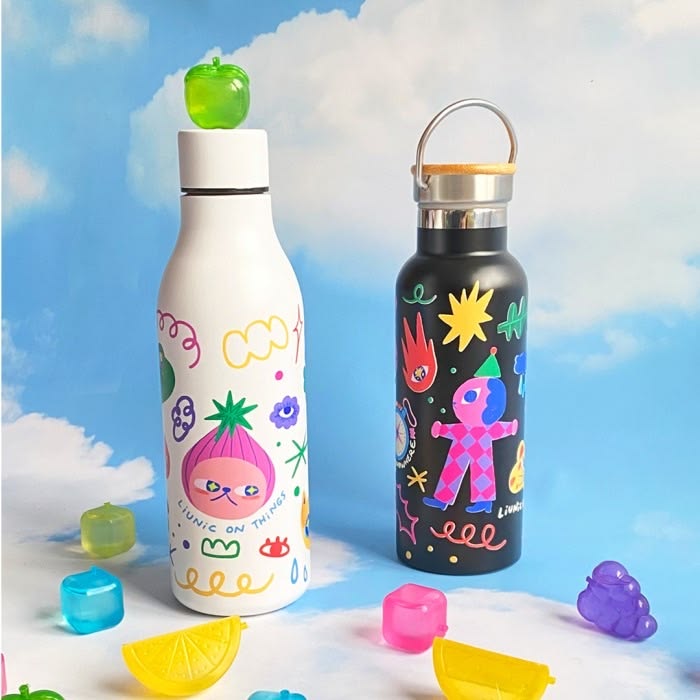
If I had to pick one “workhorse” material, this would be it. Vinyl stickers are what you want for water bottles, car decals, outdoor signage, laptop covers, or anything that will be touched regularly. They’re durable, waterproof, and can be printed with UV-resistant inks. The trade-off? They cost more than paper—but for applications that demand longevity, it’s money well spent.
Transparent Stickers
Here’s something interesting: transparent stickers (also called clear stickers) don’t actually have a white background printed on them. Instead, the design is printed onto clear material, leaving any white areas of your design transparent. This creates a “no-background” effect that looks like your design is floating on the surface. They’re ideal for glass bottles, windows, or any surface where you want the background to show through. One thing to note: if your design includes white details, they won’t show up on a transparent sticker unless you use white ink (which requires specialized printing).
Holographic and Foil Stickers
These are attention-grabbers. The material itself has a reflective quality—holographic stickers shift colors in the light, while foil stickers have a metallic sheen. They’re not the right choice for every brand (sometimes subtle is better), but if you want to convey premium quality or create something that feels like a collectible, they’re hard to beat.
Die-Cut Stickers
As I mentioned earlier, die-cut stickers are cut to the exact shape of your design. No border, no excess material. This makes them feel more intentional and often more premium. They’re particularly effective for logo stickers—your brand shape becomes the sticker shape.
Kiss-Cut Sticker Sheets
Think of these as a “sticker menu.” Multiple stickers are cut into a single backing sheet, but each sticker can be peeled off individually. This format is excellent if you’re selling sticker sets, giving away multiple designs, or want to keep stickers organized. The production cost is similar to individual die-cut stickers, but the presentation feels more substantial.
Bumper Stickers
These are a specific category of vinyl stickers designed for vehicles. They use extra-strong adhesives, UV-resistant materials, and often a thicker face stock to withstand weather, car washes, and years of sun exposure. If you’re making stickers for cars, don’t just use standard vinyl—specify bumper sticker construction to ensure longevity.
How to Choose the Right Sticker for Your Needs?
I talk to people every day who are overwhelmed by the options. Let me give you a decision framework I use myself.
Step 1: Define the “Job” of the Sticker
Start by asking: What does this sticker need to do? Does it need to convey information? (Then legibility is your priority—clear fonts, high contrast.) Does it need to build brand recognition? (Then consistency with your brand colors and logo matters more than flashy effects.) Does it need to be durable? (Then material—vinyl—is your first decision.) Does it need to be removable? (Then adhesive type becomes non-negotiable.)
Step 2: Consider the Environment
Where will this sticker live? Indoors? Outdoors? In a refrigerator? On a car dashboard that reaches 160°F in summer? For outdoor or high-temperature environments, vinyl with UV laminate is essentially required. For indoor, climate-controlled spaces, paper is often perfectly fine. The environmental cost of over-specifying is minimal; the cost of under-specifying is a failed sticker.
Step 3: Think About Application Surface
Smooth, clean, flat surfaces are the easiest. If your surface is textured (like a powder-coated water bottle) or curved (like a small jar), you’ll want a more flexible material—vinyl again—and you may need a smaller sticker size to conform properly. One thing I’ve learned: surface energy matters more than people realize. Some materials (like glass, metal, and most plastics) have high surface energy, meaning adhesives bond strongly. Others (like silicone, Teflon, and some recycled plastics) have low surface energy and resist adhesion. If you’re applying to an unusual surface, test a sample before committing to a large order.
Step 4: Match Material to Lifespan
A sticker that needs to last a week can be paper. A sticker that needs to last a year indoors can be paper with laminate. A sticker that needs to last 3–5 years outdoors needs to be vinyl with UV protection. Be honest with yourself about how long you actually need the sticker to last. Over-specifying adds cost; under-specifying leads to disappointment.
Step 5: Factor in Quantity and Budget
Here’s where digital printing changes the game. Traditional printing has high setup costs but low per-unit costs—it’s great for large runs. Digital printing has minimal setup costs but higher per-unit costs—it’s perfect for small batches. If you’re ordering a small quantity (say, under 500), digital printing is almost always the better choice. You avoid setup fees, you can order exactly what you need, and you can iterate on designs without wasting inventory.
Common Applications of Stickers
Let’s go beyond the obvious uses and talk about why these applications work.
| Application Area | Why It Works / Key Details |
|---|---|
| Personal Use: Journals, Laptops, and Water Bottles | This is the most personal use of stickers. When someone puts a sticker on their laptop, they’re curating an identity. Each sticker tells a story: where they’ve traveled, what they care about, what brands they align with. For brands, this is gold: a sticker that ends up on someone’s laptop becomes a daily impression—organic, voluntary advertising. |
| Business Branding: Packaging, Promotional Giveaways | I’ve watched small businesses transform their unboxing experience with a single custom sticker. There’s something about opening a package and finding a carefully designed sticker that signals: this brand cares about the details. Include two stickers in your packaging: one for the customer to keep, and one that drives word-of-mouth. |
| Event Marketing: Conferences, Weddings, Festivals | Stickers at events serve a dual purpose. First, they’re immediate: attendees wear them, trade them, use them to signal affiliation. Second, they’re lasting: a sticker from a memorable event often lives on a laptop or water bottle for years, reminding the attendee of their positive experience. |
| Educational Tools: Classroom Rewards, Labels | Teachers use stickers because they work. Decades of research show that small, tangible rewards reinforce positive behavior—and stickers are affordable, non-competitive, and universally appealing. Beyond rewards, stickers label supplies and help children develop ownership. |
| Decorative Purposes: Home Décor, Wall Art | Large-format vinyl stickers (wall decals) offer flexibility. Create a feature wall without paint or permanent changes. For renters, this is invaluable. Surface prep is key: walls need to be clean, dry, and free of dust. Use removable adhesive if you may remove later. |
| Product Labeling: Retail, Crafts, Homemade Goods | For makers and small-batch producers, custom labels are the difference between “handmade” and “professional.” A simple circle label with a logo and product name can elevate a candle, a soap, or a jar of jam from hobby project to retail-ready product. For online sellers, labels are often the first physical touchpoint. |
How to Use Your Stickers Correctly
I’ve applied thousands of stickers over the years—on everything from warehouse equipment to fine art prints. Here’s what I’ve learned about getting it right.
Step 1: Prepare the Surface Like a Professional
This step gets skipped more than any other, and it’s the #1 reason stickers fail. The goal is to remove anything that could interfere with the adhesive bond: dust, oil, silicone, moisture. Use isopropyl alcohol (70% or higher) and a lint-free cloth. Wipe thoroughly. Let it dry completely. Don’t use household cleaners that contain oils or fragrances—they leave residue. If you’re applying to a new surface (like a freshly painted wall), wait at least 30 days for the paint to fully cure.
Step 2: Position Before You Commit
Hold the sticker near the intended spot without removing the backing. Step back. Look at it from different angles. For larger stickers, use a piece of low-tack tape (like painter’s tape) to hold it temporarily so you can see exactly how it will sit. Once you peel the backing off, you’re committed.
Step 3: Apply with Intention
Peel the backing slowly. For small stickers, you can peel the entire backing and apply directly. For larger stickers, I prefer the “hinge method”: Place the sticker face-down and peel a small strip of backing from one edge. Fold that edge back, exposing a small strip of adhesive. Position the sticker and press down the exposed edge. Slowly peel the remaining backing while smoothing the sticker from the hinged edge outward. This technique prevents bubbles and keeps the sticker aligned.
Step 4: Smooth Out Air Bubbles
Use a squeegee, a credit card wrapped in a soft cloth, or even a clean ruler. Start at the center and push outward in all directions. Work slowly—if you push too fast, you can trap bubbles. If a bubble remains, don’t panic. For small bubbles, a pinprick can release the air. Press the sticker down after the air escapes. For larger bubbles, you may need to lift a corner and re-apply.
Step 5: Let the Adhesive Set
This is the step most people ignore. Adhesives continue to bond over time—typically reaching maximum strength after 24–72 hours, depending on the adhesive type and surface. If possible, avoid touching, moving, or exposing the sticker to moisture or extreme temperatures during this setting period. For outdoor applications, I recommend applying on a dry day and allowing a full day of room-temperature conditions before exposing to weather.
Step 6: Storage for Unused Stickers
Store stickers in a cool, dry place. Avoid garages, cars, or basements where temperature and humidity fluctuate. Heat can soften adhesive and cause it to “ooze” from the edges; humidity can degrade paper stickers and affect release liners. If you have a large inventory, store stickers flat rather than rolled.
Creative Ways to Use Your Stickers
Beyond the obvious uses, here are some ideas I’ve seen people execute brilliantly.
Create a Sticker Mural – This works best with a consistent theme—maybe stickers from a single brand, or a collection from travels. Arrange them on a large canvas or directly on a wall. The result is a collaborative, evolving art piece that grows over time.
Design Custom Phone Cases – Apply stickers to a clear phone case, then insert your phone. The stickers are protected by the case, and you can change the look whenever you want without risking residue on your actual device.
Use as Photo Booth Props – For events, print large stickers on adhesive vinyl and attach them to sticks. Guests can hold them up in photos. Alternatively, provide sheets of smaller stickers that guests can wear. It’s interactive, memorable, and encourages social sharing.
Make Personalized Magnets – Apply stickers to adhesive magnetic sheets (available at craft stores), then cut around the shape. The result is a custom magnet that can be moved and rearranged. This is especially effective for photo stickers, logo stickers, or seasonal designs.
Incorporate into Scrapbooking – Stickers are a scrapbooking staple for a reason. They add texture, dimension, and visual interest without the mess of glue. For memory-keeping, stickers with dates, locations, or thematic elements help tell the story.
Use as Party Favors – A sheet of custom stickers in a favor bag is often more appreciated than generic trinkets. People actually use stickers—they don’t sit in a drawer gathering dust.
“A sticker on a laptop isn’t just decoration—it’s a little piece of identity that person is choosing to display to the world. A sticker on a product isn’t just a label—it’s a promise of quality.”
Common Mistakes to Avoid When Using Stickers
I’ve made most of these mistakes myself. Learn from my experience.
Mistake 1: Applying to Dirty or Oily Surfaces – A sticker applied over dust or oil will fail. Fix: Clean with isopropyl alcohol. Wait for it to dry. Then apply.
Mistake 2: Rushing the Application – Misaligned stickers, trapped bubbles, and wrinkles are almost always the result of rushing. Fix: Treat sticker application as a two-minute process, not a ten-second process. Position, hinge, smooth, set.
Mistake 3: Using the Wrong Sticker Type for Outdoor Use – Paper stickers are not outdoor stickers. Fix: For any outdoor application, use vinyl with UV-resistant printing.
Mistake 4: Peeling Removable Stickers Off Too Quickly – Pulling quickly and at a steep angle increases the chance of leaving adhesive behind. Fix: Peel slowly, at as shallow an angle as possible. If you feel resistance, slow down.
Mistake 5: Storing Stickers in Hot or Humid Environments – Heat can cause adhesives to soften and migrate. Fix: Store stickers in climate-controlled spaces. Keep them in sealed bags until ready to use.
StickerForgeco: Your Custom Stickers Printing Manufacturer
Let me be straightforward with you—this is what we do. StickerForgeco designs and manufactures high-end custom stickers, custom labels, and custom industrial labels. If you need a sticker that looks professional, holds up to real-world conditions, and arrives when you need it, we’re built to deliver.
Here’s what sets us apart: No Minimum Order Digital Printing – You don’t need to order thousands to get quality printing. Want to test a design? Need a small batch for a limited run? You can order exactly what you need. Digital printing makes small quantities economical. Free Shipping – No hidden costs. No surprises. What you see is what you pay. 9-Days Global Delivery – We’ve streamlined our production and shipping to get your stickers to you fast. When you’re waiting on packaging for a product launch or stickers for an upcoming event, every day matters.
We specialize in custom shapes, durable materials, and precise color matching. Whether you need waterproof vinyl stickers for outdoor use, transparent labels for glass packaging, or industrial labels that need to withstand harsh conditions, we’ve got the experience to get it right. If you have questions about what’s possible? Reach out. I’m always happy to talk through options.
FAQ of Using Your Stickers
| Question | Answer |
|---|---|
| Are vinyl stickers really waterproof? | Yes. Quality vinyl stickers are waterproof and weather-resistant. They can be submerged, washed, and exposed to rain without damage. The printing and laminate layers also provide UV protection, preventing fading from sunlight. |
| Can I put stickers on my car? | Absolutely, but use stickers specifically designed for automotive applications—typically bumper stickers or high-grade outdoor vinyl. These use stronger adhesives and UV-resistant materials. Apply to a clean surface, ideally on a warm day (above 50°F) for best adhesion. |
| How long do stickers typically last? | Indoors: paper stickers can last months to years if kept dry. Vinyl stickers indoors last indefinitely under normal conditions. Outdoors: high-quality vinyl stickers with UV laminate typically last 3–5 years. Some fade after 2–3 years in intense sun; others last longer in milder climates. |
| Can stickers be recycled? | Most stickers are not recyclable due to the combination of materials (face stock, adhesive, liner). Some manufacturers offer eco-friendly options using paper face stock and recyclable adhesives—but these are less common. If sustainability is a priority, ask your printer about available options. |
| What’s the difference between die-cut and kiss-cut? | Die-cut: The cut goes through both the sticker material and the backing, creating individual, separate stickers. Kiss-cut: The cut goes through the sticker material but leaves the backing intact, so multiple stickers remain on a single sheet until peeled off individually. |
| How do I remove sticker residue? | Apply rubbing alcohol, cooking oil, or a commercial adhesive remover (like Goo Gone) to a soft cloth. Rub gently until the residue lifts. Avoid abrasive tools that could scratch the surface. For glass or metal, a razor blade can be used carefully to scrape residue. |
| Can I reposition a sticker after applying it? | Only if it’s a removable adhesive sticker. Permanent adhesives are formulated to bond strongly and will not release cleanly. If you think you might want to reposition, order removable adhesive—but know that removable stickers have lower tack and may not be suitable for high-wear applications. |
| How do I prevent air bubbles on large stickers? | Use the hinge method. Apply slowly from the hinged edge outward. Use a squeegee to smooth as you go. If bubbles remain, a small pinprick can release trapped air—press the sticker down after the air escapes. |
| What’s the best way to store stickers long-term? | Keep stickers flat in a cool, dry place away from direct sunlight. Ideally, store them in sealed bags or containers to prevent dust and humidity exposure. Avoid stacking heavy items on top of them, as pressure can affect the adhesive over time. |
| Can I use custom stickers for product labels? | Yes—and many businesses do. Custom labels (which are functionally stickers) are used across food, cosmetics, candles, and countless other products. Ensure you choose materials appropriate for the product environment (water-resistant for bathroom products, for example) and comply with any regulatory labeling requirements for your industry. |
I hope this guide gives you not just the “how,” but the “why” behind good sticker use. Whether you’re a business looking to elevate your brand or someone who just wants their stickers to look great and last—the principles are the same: choose wisely, apply carefully, and treat each sticker like the little piece of communication it truly is.
If you’ve got questions, or if you’re ready to create something of your own, we’re here to help. After all, that’s what we do.

