
th
What Are Sheet Labels?
In the world of branding, packaging, and organization, the smallest details often make the biggest impression. Whether you are a small business owner shipping products from a home office or a large corporation managing complex inventory, the way you present information matters. Among the most versatile tools in this space are sheet labels.
While roll labels are ubiquitous in industrial settings, sheet labels offer a unique combination of convenience, precision, and accessibility. In this article, we will explore what sheet labels are, their key features, advantages, common uses, and how to choose the right ones for your needs.
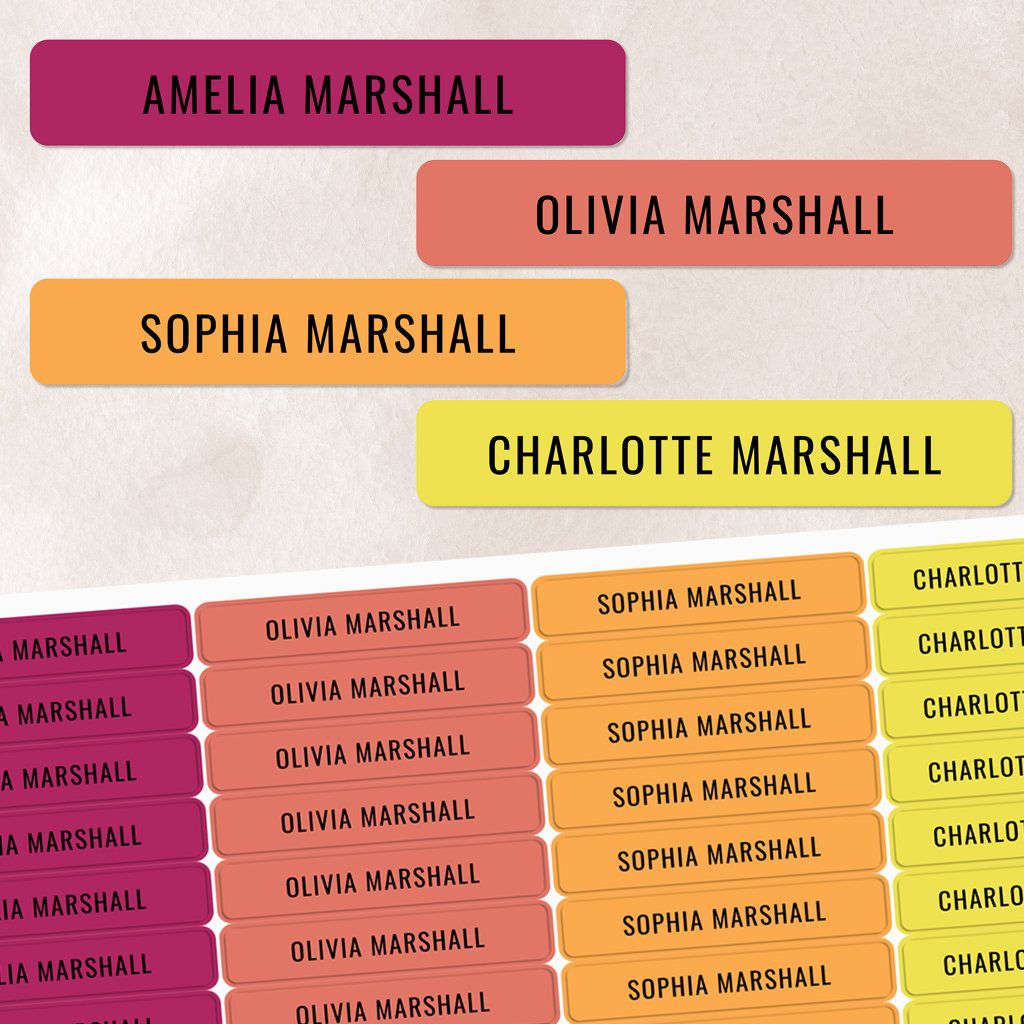
What Are Sheet Labels?
Sheet labels are individual stickers arranged on a flat, rectangular backing sheet, typically made of paper or film. Unlike roll labels, which are wound onto a core and dispensed through a machine, sheet labels are designed to be fed through standard desktop printers—such as inkjet or laser printers—or used manually.
Each sheet consists of three layers:
-
The Top Substrate: The printable material (paper, polyester, vinyl, etc.) that receives the ink.
-
The Adhesive: The bonding agent that secures the label to a surface.
-
The Liner (Backing): The silicone-coated paper that protects the adhesive until application.
Sheet labels come in various sizes, ranging from full-page sheets (8.5" x 11") that allow for custom die-cut shapes, to pre-cut "address label" sizes (like Avery templates). They offer a seamless solution for businesses and individuals who need high-quality labels without the need for industrial labeling machinery.
Key Features of Sheet Labels
Understanding the construction of sheet labels helps in selecting the right product for your application. Here are the defining characteristics:
-
Printer Compatibility: Most sheet labels are designed specifically for laser or inkjet printers. Laser sheet labels are heat-resistant and use toner fusion, while inkjet sheet labels are coated to absorb liquid ink without smudging.
-
Adhesive Types: Depending on the intended use, sheet labels can feature permanent adhesive (for long-term bonding), removable adhesive (for temporary applications like pricing), or ultra-aggressive adhesives for industrial environments.
-
Material Variety: Sheet labels are not limited to paper. Options include:
-
Matte or Glossy Paper: Ideal for shipping, mailing, and basic product labeling.
-
Polyester (PET): Durable, waterproof, and resistant to tearing and chemicals.
-
Vinyl: Flexible and weatherproof, suitable for outdoor use.
-
Clear Film: For a "no-label" look on glass or clear packaging.
-
Custom Die-Cutting: While standard sheets offer fixed shapes (rectangles, circles), custom sheet labels can be die-cut into any shape—such as custom pins or patch shapes—to match your brand identity.
Advantages of Sheet Labels
Why choose sheet labels over rolls or other labeling methods? The benefits are substantial, particularly for small to medium-scale operations.
A. No Special Equipment Required
The most significant advantage of sheet labels is accessibility. You do not need an industrial label applicator or thermal transfer printer. If you have a standard office printer, you can produce professional-grade labels on demand.
B. Precision and Registration
Because sheet labels are fed through a printer one page at a time, they offer superior print registration. This is critical for designs that require exact alignment, such as intricate borders, small text, or designs that must align with a pre-cut shape.
C. On-Demand Printing
Sheet labels allow for low-volume, on-demand printing. If you need only 50 sheets of labels today, you can print them immediately without waiting for a factory run. This reduces waste and inventory costs.
D. Ease of Application
For hand-applied labeling, sheet labels are ergonomically easier to manage than rolls. You can peel labels off the liner quickly without dealing with the curl that often occurs with roll stock.
E. Versatility
From simple address labels to high-end product packaging, sheet labels can handle it all. They work on cardboard, plastic, glass, and metal surfaces.
Common Uses of Sheet Labels
While labels in general are everywhere, the sheet format offers a distinct set of advantages that make it the preferred choice for specific applications. Unlike roll labels, which are designed for high-speed automated dispensing, sheet labels excel in scenarios that require precision, low-volume flexibility, manual application, and design complexity. Below are the key scenarios where the sheet format truly shines.
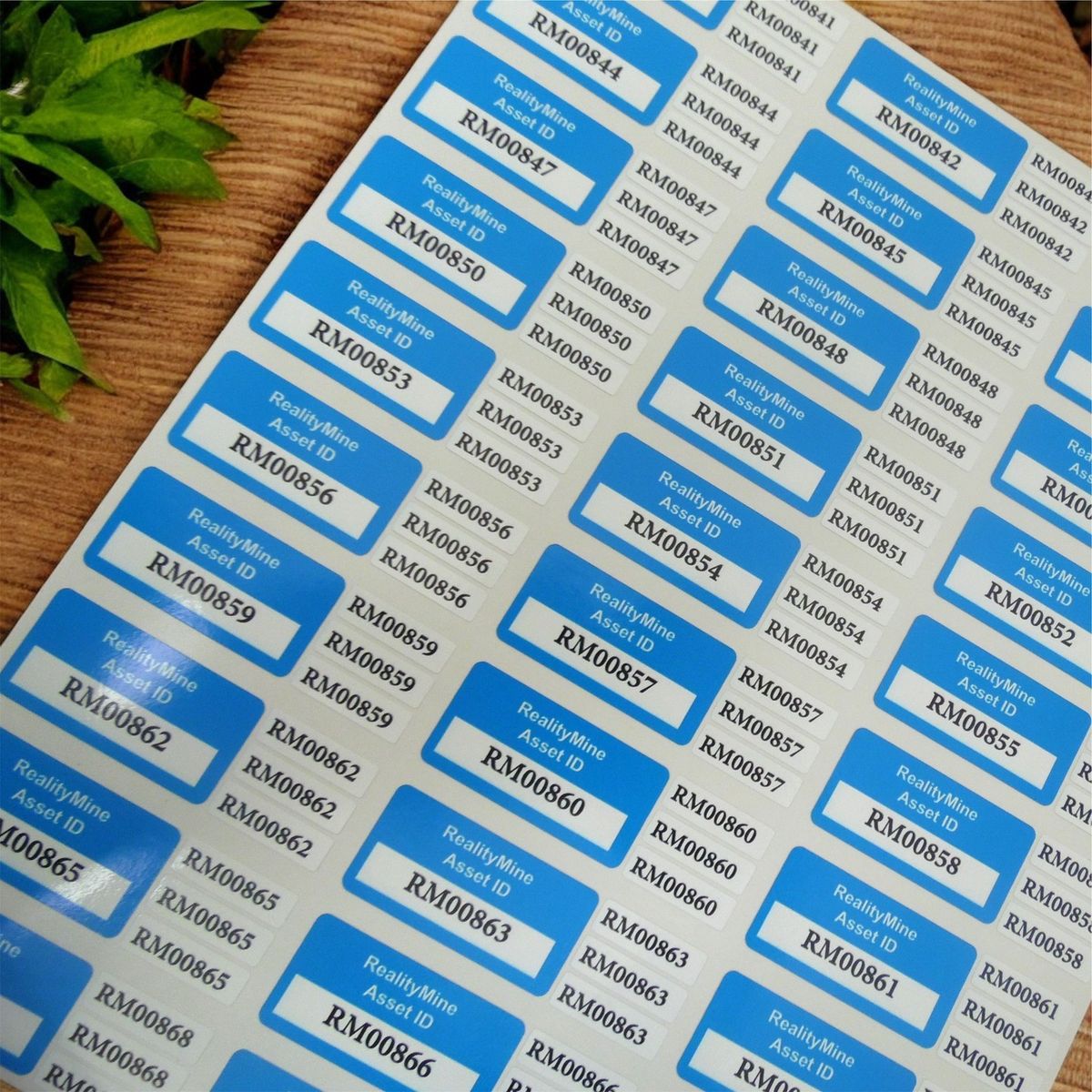
A. Small-Batch Product Packaging
For small businesses, startups, and artisans, producing labels in roll quantities often means committing to thousands of units upfront—a significant inventory risk. Sheet labels solve this problem by enabling on-demand, small-batch printing.
Why sheet format matters: A small-batch candle maker, for example, can print 20 sheets of custom labels at a time, apply them to that week's production, and update the design for the next batch without wasting inventory. This agility is simply not possible with pre-printed roll labels.
Common applications: Glass jar labels for jams and sauces, candle warning labels, cosmetic product stickers, and craft beer bottle labels.
B. Custom-Shaped Branding for Boutique Products
When your brand identity relies on unique shapes—such as a custom die-cut outline of your logo or a product silhouette—the sheet format provides the stability and precision required for complex die-cutting.
Why sheet format matters: Roll labels are typically limited to simple geometric shapes (circles, rectangles) due to the constraints of the winding process. Sheet labels, however, can accommodate virtually any die-cut shape, from intricate scalloped edges to custom contour cuts that mirror your logo. The flat sheet keeps each label perfectly aligned and protected, making it easy to hand-apply these delicate shapes without distortion.
Common applications: Boutique product seals, logo-shaped stickers for gift boxes, custom-shaped branding stickers for apparel or accessory packaging.
C. Multi-Variant Product Lines
Businesses that offer products in multiple variants—such as flavors, scents, or sizes—often need to print different label information in small quantities. Sheet labels allow for variable data printing on a single sheet.
Why sheet format matters: With sheet labels, you can print a single sheet containing three different label designs (e.g., "Lavender," "Vanilla," and "Citrus") in one print run. With roll labels, you would need to order separate rolls for each variant, often with minimum quantities that are impractical for small-batch producers.
Common applications: Soap and skincare product variants, seasonal product editions, limited-run merchandise, and subscription box inserts.
D. Event and Wedding Stationery
Event branding requires a combination of aesthetics, precision alignment, and variable personalization—all areas where sheet labels excel. From welcome bags to seating charts, sheet labels offer the control that event planners demand.
Why sheet format matters: Wedding favors often require matching labels across dozens or hundreds of identical items, but with personalized details like guest names or table numbers. Sheet labels allow for mail-merge printing, where each label on the sheet can have unique text while maintaining perfect registration. Additionally, the flat sheet format makes it easy to print on premium materials like textured paper or clear film that may not feed reliably through roll-label applicators.
Common applications: Wine bottle labels for wedding favors, guest name tags, favor bag stickers, table number stickers, and welcome kit branding.
E. Retail and Pop-Up Shop Branding
For brick-and-mortar retail, especially pop-up shops or seasonal displays, the ability to produce labels in-house and on-demand is invaluable. Sheet labels allow retailers to respond to pricing changes, product placements, and branding needs immediately.
Why sheet format matters: When a retailer runs out of a specific price tag or needs to create a last-minute display sign, sheet labels printed in-store provide an instant solution. There is no waiting for shipped rolls, no minimum order requirements, and no wasted inventory when seasonal branding changes.
Common applications: Shelf talkers, promotional stickers, barcode labels for new SKUs, and branded price tags.
F. Prototyping and Design Testing
Before committing to a large-scale label order, brands need to test how a design looks on actual packaging. Sheet labels are the industry standard for prototyping and sampling.
Why sheet format matters: Because sheet labels can be printed on demand using standard desktop printers, designers can test multiple paper finishes, adhesive strengths, and die-cut shapes without setting up a full production run. This allows for rapid iteration—print a sheet, apply it to your product, evaluate the result, and refine the design—all within hours rather than weeks.
Common applications: Packaging mockups, limited-edition test runs, crowdfunding campaign samples, and retail buyer pitch samples.
G. Creative and Craft Applications
The crafting community has embraced sheet labels for their versatility and ease of use. Unlike roll labels, which can curl or require specialized dispensers, sheet labels lay flat and are easy to store, cut, and manipulate.
Why sheet format matters: Crafters often mix and match label sizes on a single sheet, use specialty materials like kraft paper or clear vinyl, and incorporate intricate cut lines. The sheet format supports these creative workflows by allowing full-sheet printing and precise manual application.
Common applications: Planner stickers, scrapbook embellishments, DIY product labels for handmade goods, and custom envelope seals.
Summary: Why Sheet Labels for These Applications?
Across all these use cases, the sheet format delivers three core advantages that distinguish it from other label forms:
| Advantage | Why It Matters |
|---|---|
| Precision Alignment | Die-cut shapes and multi-variant layouts remain perfectly registered on a flat sheet. |
| Low-Volume Flexibility | Print exactly what you need, when you need it—no large inventory commitments. |
| Manual Application Ease | Flat sheets allow for quick, ergonomic hand application without curling or waste. |
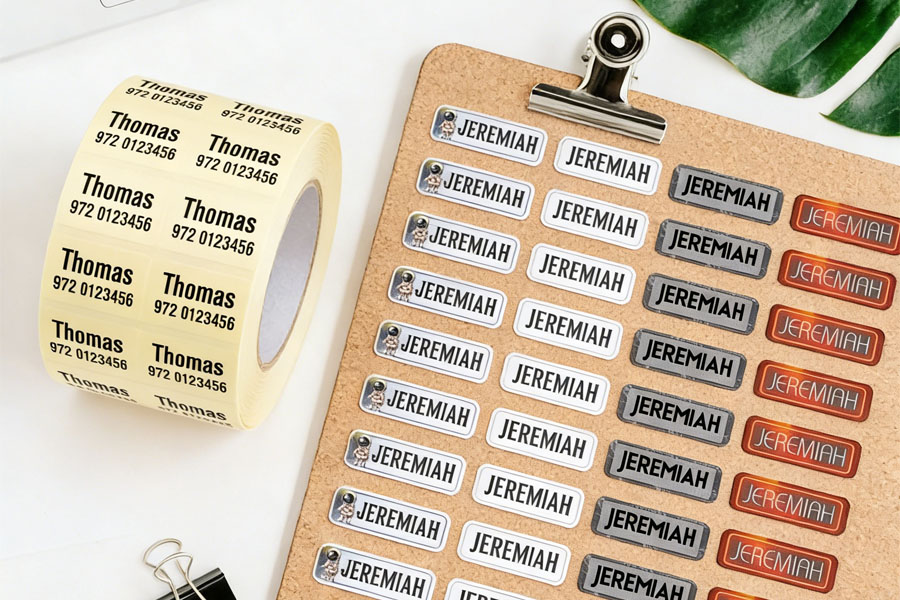
Whether you are a small business owner launching a new product line, an event planner creating personalized wedding favors, or a designer prototyping your next packaging concept, sheet labels offer the control, creativity, and convenience that roll labels simply cannot match.
Considerations When Choosing Sheet Labels
Selecting the wrong label can lead to printer jams, smudging, or labels falling off. To ensure success, consider the following factors:
-
Printer Type: Always match the label to your printer. Laser printers generate heat; using inkjet labels in a laser printer can cause the adhesive to melt and ruin the machine. Conversely, inkjet printers require absorbent coatings; laser labels may not accept inkjet ink.
-
Adhesive Strength: Will the label be applied to a curved surface? Will it be removed later? For cold environments or freezer storage, ensure the adhesive is rated for low temperatures.
-
Durability: If the label will be exposed to water, UV light, or abrasion, choose a synthetic material like polyester (PET) or vinyl rather than paper.
-
Size and Layout: Standard templates (like Avery 5160) are easy to design for. However, for a unique brand presence, custom die-cut shapes that reflect your logo or product design create a more professional aesthetic.
Conclusion
Sheet labels are a powerful tool for businesses and individuals who demand quality, flexibility, and convenience. They bridge the gap between professional-grade labeling and accessible technology, allowing anyone with a printer to produce stunning, functional stickers. Whether you are shipping orders, branding products, or organizing your workspace, sheet labels offer a reliable solution that combines the precision of digital printing with the tactile quality of physical stickers.
However, while standard sheet labels are great for everyday tasks, sometimes your branding requires something extra—something custom that truly stands out.
Why Choose Custom Panda?
At Custom Panda, we believe that your labels should be as unique as your brand. While off-the-shelf sheet labels serve a purpose, they often lack the premium feel and customization required to elevate your product presentation. That is where we come in.
As specialists in high-end custom products—including Custom Pins, Custom Patches, and Custom Labels—we apply the same meticulous craftsmanship to your sheet label needs.
Here is why businesses trust Custom Panda for their custom labeling:
When you choose Custom Panda for your custom sheet labels, you aren't just buying stickers; you are investing in a branding partner dedicated to your success. Let us help you make a lasting impression—one label at a time.

