
th
What are Custom Pins?
You see them on backpacks, jean jackets, and lanyards at conferences. They look small, but a great custom pin tells a story, shows off a personality, or builds a brand instantly. Yet many people settle for cheap, mass-produced pins that scratch, fade, or break within weeks. That feels like a waste of money when your unique design starts looking dull.
Custom pins are small, wearable pieces of art made from metal, designed to your exact specifications, and finished with colors and protective coatings. Unlike standard pins you grab from a retail bin, custom pins are made for you, by you. Whether you are a business owner wanting to boost brand loyalty, an artist selling merchandise, or a team captain creating championship rings, custom pins turn an idea into a physical object you can wear with pride.
In our years of manufacturing these products, we have seen thousands of designs come to life. We have also seen cheap pins fail not because the idea was bad, but because the customer did not understand the material or process. Pins are durable, but they are not indestructible. This guide will walk you through exactly what custom pins are, how they work, and how to get the best ones for your money.
What Are Custom Pins?
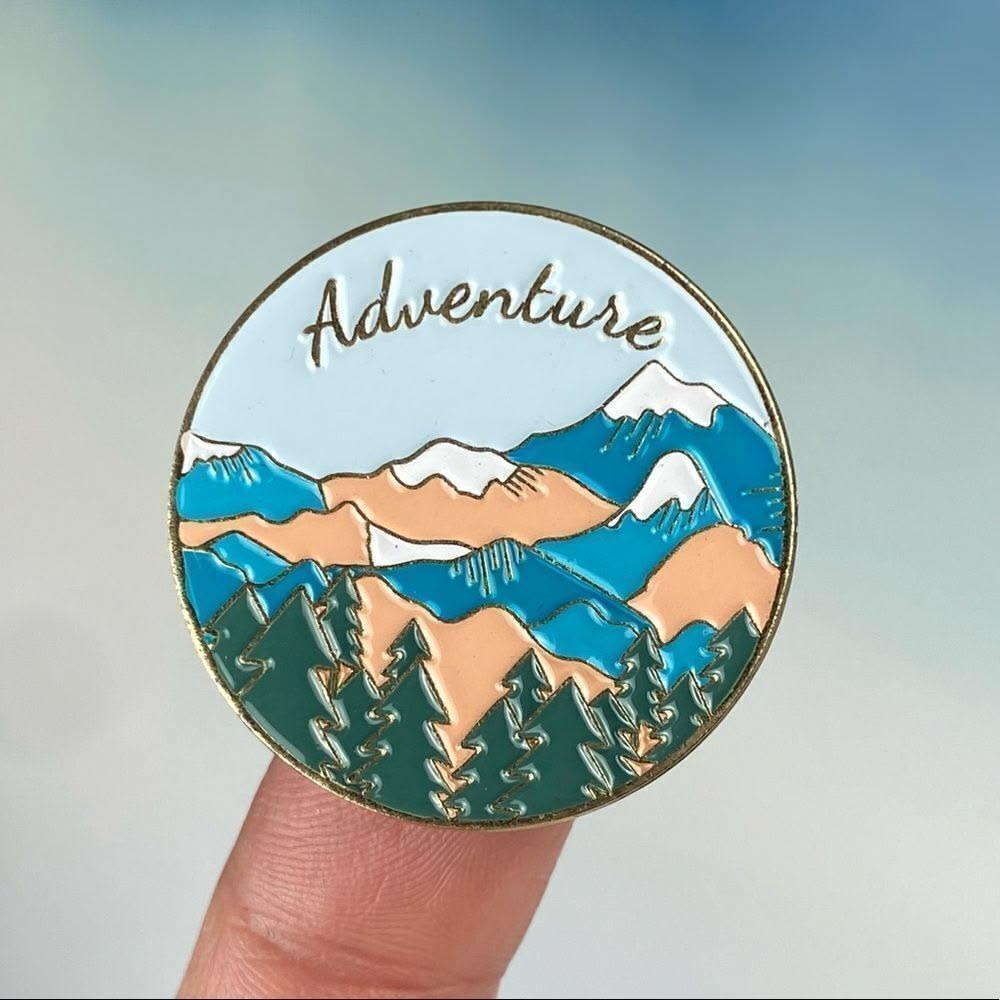
A custom pin is a metal accessory manufactured from your own artwork, using industrial molds and specialized plating techniques. Unlike a standard mass-produced pin you might buy at a souvenir shop, a custom pin is unique to you. It can be any shape, any color, and any size up to about three inches.
Technically, most custom pins fall into two manufacturing categories: soft enamel and hard enamel (also called cloisonné). Both start with a metal base, usually iron or brass. Your design is stamped or die-cut into the metal, creating recessed areas. Those recesses are then filled with colored ink or enamel paint. The metal lines between the colors act like fences, keeping the paint from spilling over.
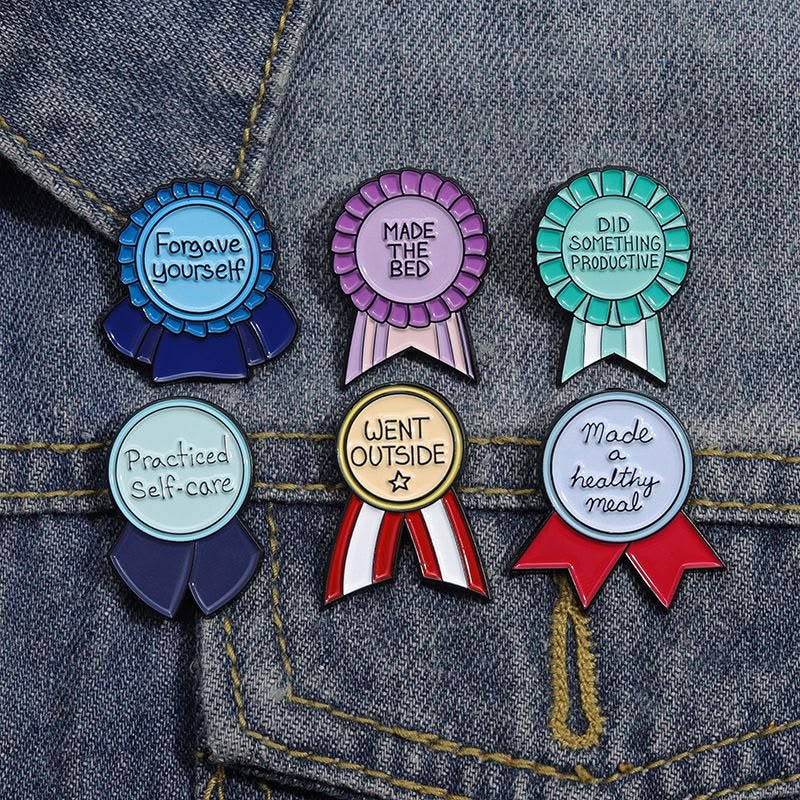
Think of it like a coloring book. The metal outline is the black line, and the enamel is your crayon. The difference between cheap and expensive pins comes down to the quality of that metal mold, the precision of the stamping, and the final protective plating.
When clients come to our company asking for pins, we always start with the same question: "What is the pin for?" If they say "a giveaway at a trade show," we recommend one path. If they say "a collector's item for my band's fans," we recommend a different, higher-quality path. Understanding your use case determines every decision that follows.
Core Features of Custom Pins
Custom pins share a set of core features that define their quality and usefulness. Not all pins have all features, but the best ones do.
Metal Base Iron is the most common because it is cheap and takes plating well. Brass holds finer detail. Steel is rare because it cracks molds.
Plating Gold, silver, nickel, black nickel, copper. Prevents rusting and gives a premium finish.
Enamel Colors Soft enamel (textured) vs Hard enamel (polished flat, glass-like). Hard enamel lasts longer.
Backing Attachment Butterfly clutch, rubber clutch, magnetic backs, or safety pin style.
Protective Coating Clear epoxy coating shields against scratches and UV light — essential for longevity.
High-end custom pins receive a clear epoxy coating over the entire front surface. This is like the laminate layer on a laptop sticker. It protects the enamel from scratches and UV light, keeping colors bright for years. Cheap pins skip this step, and you can see the difference after six months of wear.
Standard vs. Custom Pins: What's the Difference?
You might see a pin at a retail store for three dollars and wonder why a custom pin costs eight or ten dollars each for a small batch. The difference is not just the price. It is the entire manufacturing process.
Standard pins are made in huge quantities, often 10,000 or more at a time. A factory stamps out the same design, the same colors, the same shape, over and over. These pins are sold to distributors who put them in stores. You have no control over the design, the metal quality, or the plating. You get what they have on the shelf.
Custom pins start with your artwork. A mold is created specifically for your shape. That mold costs money upfront, usually $50 to $100. But once the mold exists, you control everything. You choose the plating color. You choose the enamel shades. You choose the backing type. You even choose the quantity, from as few as 50 pieces up to 50,000.
Here is the practical difference. A standard pin might use thin iron that bends easily, cheap nickel plating that flakes off, and soft enamel with no epoxy coating. It looks okay on day one but looks terrible by day ninety. A custom pin uses thicker metal, proper plating, and an epoxy coating. It looks the same on day one and day one thousand.
In our company, we have taken apart many standard pins that customers sent us asking for a match. Almost always, the metal is thin enough to bend with finger pressure, and the plating is so thin you can see the iron underneath. Custom pins made correctly have a heft to them. You can feel the quality when you hold one.
What Materials Are Used for Custom Pins?
The material selection for custom pins is the single most important factor in how long they last and how good they look. Many buyers focus only on the design and ignore the materials, which is a mistake.
Iron Cheap, strong, takes plating well. However, iron rusts if the plating gets scratched.
Brass Copper-zinc alloy. Softer, finer detail, does not rust. Preferred for high-end pins.
Copper Beautiful but soft; bends too easily for everyday wear.
Zinc Alloy Allows 3D shapes via casting, but brittle and can crack if bent.
Enamel (Soft vs Hard) Hard enamel is glass-like, resists scratches and sun fading. Soft enamel collects dirt over time.
Epoxy Coating A clear liquid plastic cured to a hard glossy shield. We insist on epoxy for pins that will be worn frequently.
Without epoxy, the enamel is exposed directly to scratches and chemicals. With epoxy, the pin can survive being dropped on concrete or rubbed against keys.
Application Cases of Custom Pins
Custom pins serve real, practical purposes far beyond simple decoration. In our experience, they are powerful tools for branding, community building, and even personal expression. Here are the most common applications we see, with a special focus on the vibrant world of pin collecting and trading.
Collecting and Trading
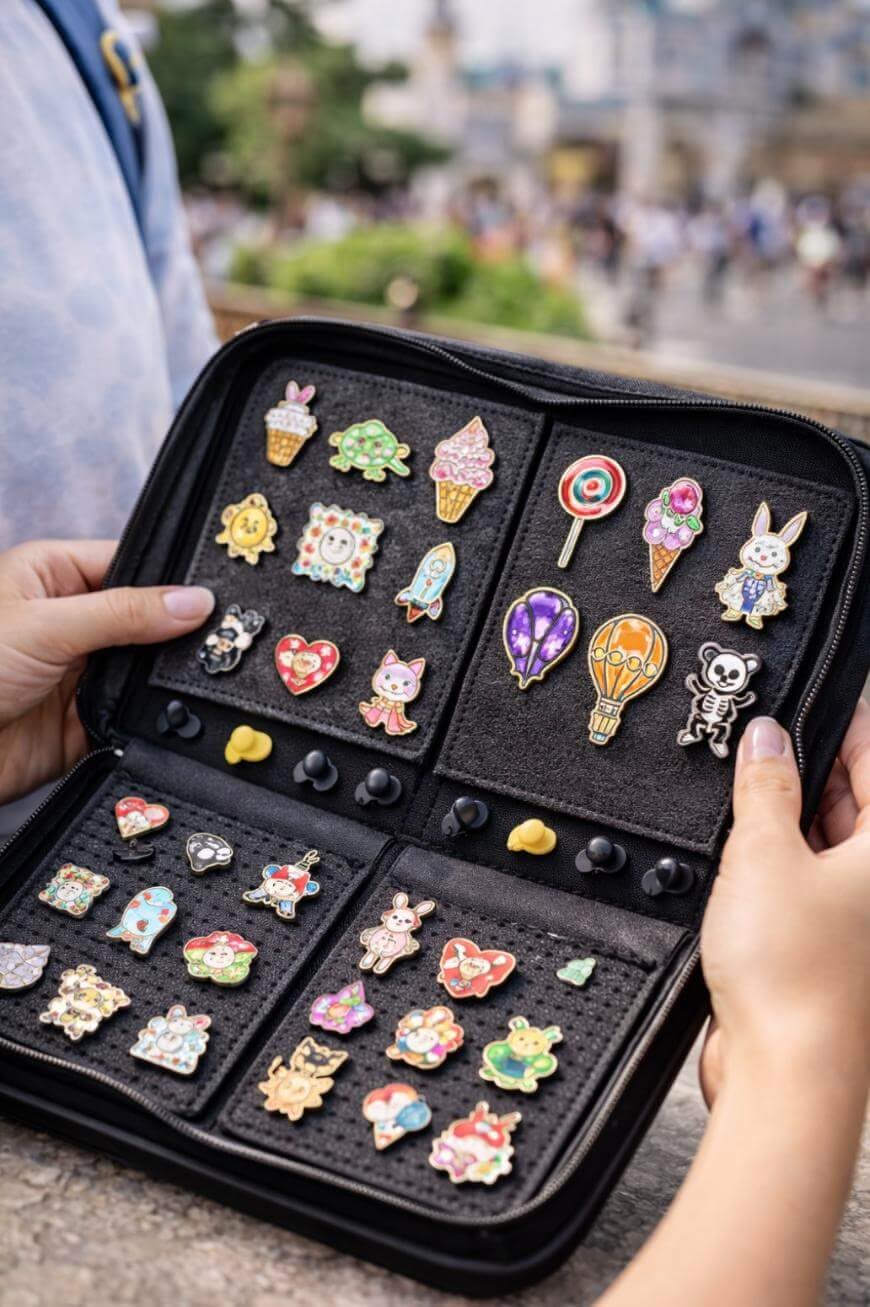
This is perhaps the most passionate and dedicated use of custom pins. A global community of collectors trades pins online and at conventions, treating them as small-scale art pieces. Think of Olympic Games pin trading, where athletes and fans swap millions of pins representing different countries and sports. Disney park visitors trade collectible pins with cast members. Music festival attendees hunt for limited-edition artist pins. What makes a pin collectible? Three things: limited quantity, unique design, and high build quality. A run of 100 pieces with a specific date or variant color will sell out instantly. Collectors store these pins in special binders or display them on "Ita bags" (bags with a clear vinyl window specifically for showing off pins). They trade based on rarity and condition. A pin with scratched enamel or a bent post is worth far less than a mint condition pin. For creators, tapping into this market means offering numbered editions, sealed packaging, and proof of authenticity.
Corporate Branding and Employee Recognition
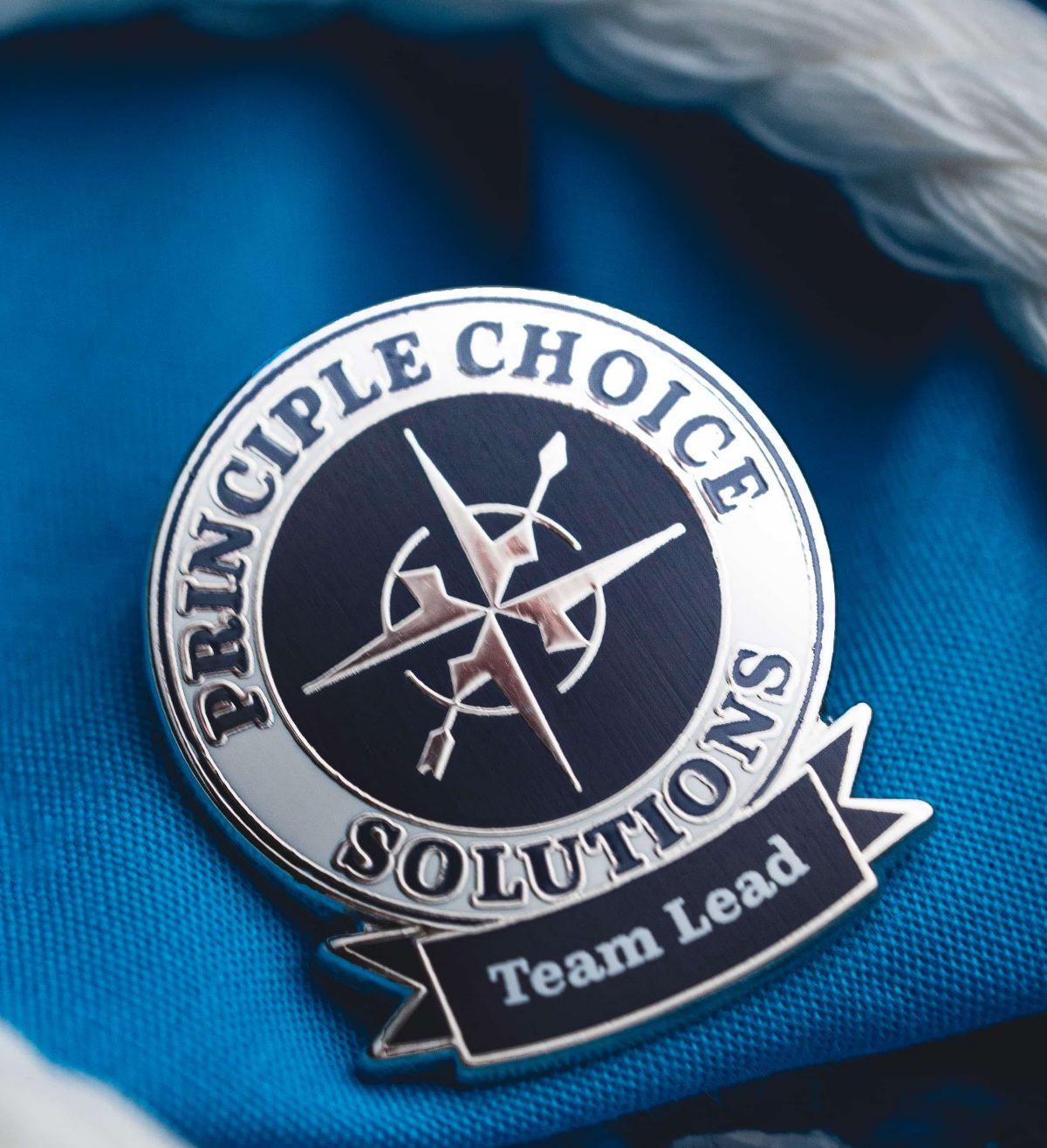
Companies buy custom pins to give to employees for work anniversaries, safety milestones, or sales achievements. A pin costs a fraction of a plaque or trophy, but employees wear them on lanyards or jackets every day. That means your brand gets seen constantly, not just sitting on a desk. Tech companies, in particular, have embraced this, creating elaborate "achievement badge" systems similar to scouting merit badges.
Music Bands and Fan Merchandise
Bands have used pins since the 1970s punk rock era. A fan buys a pin at a concert for five dollars, puts it on their jacket, and becomes a walking billboard for the band. For small bands, pins are often the most profitable merchandise item because they are cheap to produce and ship. Unlike a t-shirt that comes in sizes and can go unsold for years, one pin design fits every fan forever.
Sports Teams and Championships
Little League teams, high school swim teams, and professional soccer clubs all use pins. Championship pins are given to winners. Team pins are traded between opponents as a sign of respect. The Olympics has the most famous pin-trading culture, with dedicated trading centers in every Olympic Village.
Nonprofits and Awareness Campaigns
Colored ribbon pins for breast cancer awareness or puzzle piece pins for autism awareness are classic examples. A nonprofit can order 1,000 pins and give them to donors who give $50 or more. The donor wears the pin, starts conversations, and spreads awareness at almost no extra cost to the nonprofit.
Weddings and Events
Brides and grooms often create custom pins for their wedding party or guests. A pin with the couple's names and the wedding date is a keepsake that costs less than a printed photo but lasts forever. Corporate events use pins for attendees instead of paper badges, which get thrown away.
How Do You Make a Custom Pin? (Step-by-Step)
The process of making a custom pin from your artwork involves several distinct steps. Understanding these steps helps you avoid mistakes and get a better final product.
Step 1: Prepare Your Artwork. You need a vector file, typically AI or CDR format. A vector file uses math to describe lines and curves, not pixels. This allows the factory to scale your design without losing quality. Your design should have clear, separate areas for each color. A complex design with many tiny details may not stamp well because the metal lines need to be thick enough to hold their shape.
Step 2: Create the Mold. The factory uses your vector file to cut a mold, usually from steel or brass. This mold is the negative of your design. Think of it like a cookie cutter, but for metal. The mold cost is a one-time fee, usually between $50 and $100. Once the mold exists, you can order more pins years later without paying the mold fee again.
Step 3: Stamp the Metal Base. A machine presses a sheet of iron or brass into the mold with enormous force, measured in tons. This stamps your design into the metal. The result is a flat metal shape with raised borders (the metal lines) and recessed areas (where the enamel will go).
Step 4: Apply the Plating. The stamped metal pieces are dipped into plating baths. Electroplating uses electricity to bond a thin layer of gold, silver, nickel, or other metal to the surface. This gives the pin its final metallic color and prevents rust.
Step 5: Fill with Enamel. Skilled workers use syringes or automated dispensers to fill each recessed area with liquid enamel. For soft enamel, the pin is then baked to harden the paint. For hard enamel, the process is repeated multiple times, baking between each layer, because hard enamel shrinks as it cures.
Step 6: Polish (Hard Enamel Only). Hard enamel pins are sanded and polished until the enamel is perfectly flush with the metal lines. This creates a smooth, glass-like surface. Soft enamel pins skip this step, which is why they have a textured feel.
Step 7: Apply Epoxy Coating. A thin layer of liquid epoxy is applied over the entire front of the pin. The pin passes under UV lights or through an oven to cure the epoxy into a hard, clear shell.
Step 8: Attach the Backing. Metal posts are soldered or glued to the back of each pin. Clutches are added. For pins with multiple posts (to prevent spinning), each post is attached individually.
Step 9: Quality Inspection. Every pin is checked by hand. Workers look for missing enamel, bubbles in the epoxy, scratches in the plating, and bent posts. Defective pins are rejected and melted down to recycle the metal.
Custom Panda: Your Premium Custom Pins Partner
When you are ready to turn your design into real, physical pins, you need a partner who understands the process from mold to finished product. Custom Panda specializes in custom pins for bands, businesses, and individuals who refuse to settle for cheap, mass-produced junk.
We start every order with a simple conversation about your artwork, your budget, and your timeline. Our in-house design team will review your file for free and point out any potential issues before you pay for a mold. If your design has lines that are too thin or colors that will bleed, we tell you upfront. We do not take your money and hope for the best.
Our standard pin uses brass base metal for durability, your choice of nickel, gold, or black nickel plating, hard enamel for vivid color that never fades, and a thick epoxy coating for scratch protection. Every pin comes with your choice of butterfly or rubber clutch backing.
We offer real minimum quantities, not hidden requirements. Need only 50 pins for a small team event? We can do that. Need 10,000 pins for a global brand launch? We can do that too. Our pricing is transparent. You pay for the mold once, then per-pin pricing based on quantity and complexity. No surprise fees. No hidden setup costs.
Turnaround time is typically 10 to 15 business days from artwork approval to your doorstep. Rush options are available for an additional fee. Every order includes a digital proof before production starts, so you know exactly what you are getting.
FAQ of Custom Pins
What is the minimum quantity I can order?
Most factories require 100 pieces minimum. StickerForgeco can go as low as 50 pieces for simple designs, but per-pin pricing will be higher. For complex designs with many colors or unusual shapes, 100 pieces is the practical minimum.
How long do custom pins take to make?
Standard production is 10 to 15 business days after you approve the digital proof. Shipping adds another 3 to 10 days depending on your location. Rush production (5 to 7 business days) is available for an extra fee.
Can I reproduce any design as a pin?
Almost any design can become a pin, but very detailed designs with thin lines (thinner than 0.3mm) may not stamp well. Text smaller than 4 points is usually illegible. A good factory will review your artwork and suggest modifications at no charge.
How much do custom pins cost?
The mold costs $50 to $100 one-time. Per-pin pricing ranges from $1.50 for a simple 100-piece order to $0.50 for a complex 10,000-piece order. Add $0.20 to $0.50 per pin for hard enamel instead of soft. Add $0.10 to $0.30 for epoxy coating.
Will my pins rust or tarnish?
With proper nickel, gold, or black nickel plating, your pins will not rust under normal use. However, if the plating is scratched deeply enough to expose the iron underneath, that exposed area can rust. Brass-based pins never rust, which is why they are preferred for high-end products.
What is the difference between soft and hard enamel?
Soft enamel dries below the metal rim, leaving a textured surface. It is cheaper but collects dirt over time. Hard enamel is polished flat, creating a smooth, glass-like surface. It costs more but lasts longer and looks more premium.
Hi there! We are the team at Custom Panda — hands-on manufacturing specialists who have solved thousands of pin production problems. By day, we run production lines and review artwork files. We have seen every mistake a customer can make, and we are here to help you avoid them. Let's make your pins right the first time.
© Custom Panda— Premium custom pins expertise

