
th
How To Make Custom Pins?
Custom pins have exploded in popularity over the past decade. What once was a niche product reserved for military insignia and corporate lapel pins has become a global phenomenon—artists sell enamel pin collections on Etsy, brands use them for guerrilla marketing, and event organizers hand them out as coveted keepsakes. But despite their small size, creating a custom pin involves a surprising number of decisions, techniques, and potential pitfalls.
This comprehensive guide will walk you through everything you need to know, from understanding what custom pins really are to placing your first order with confidence. Whether you're designing pins for your band, your business, or just for fun, this is your complete resource.
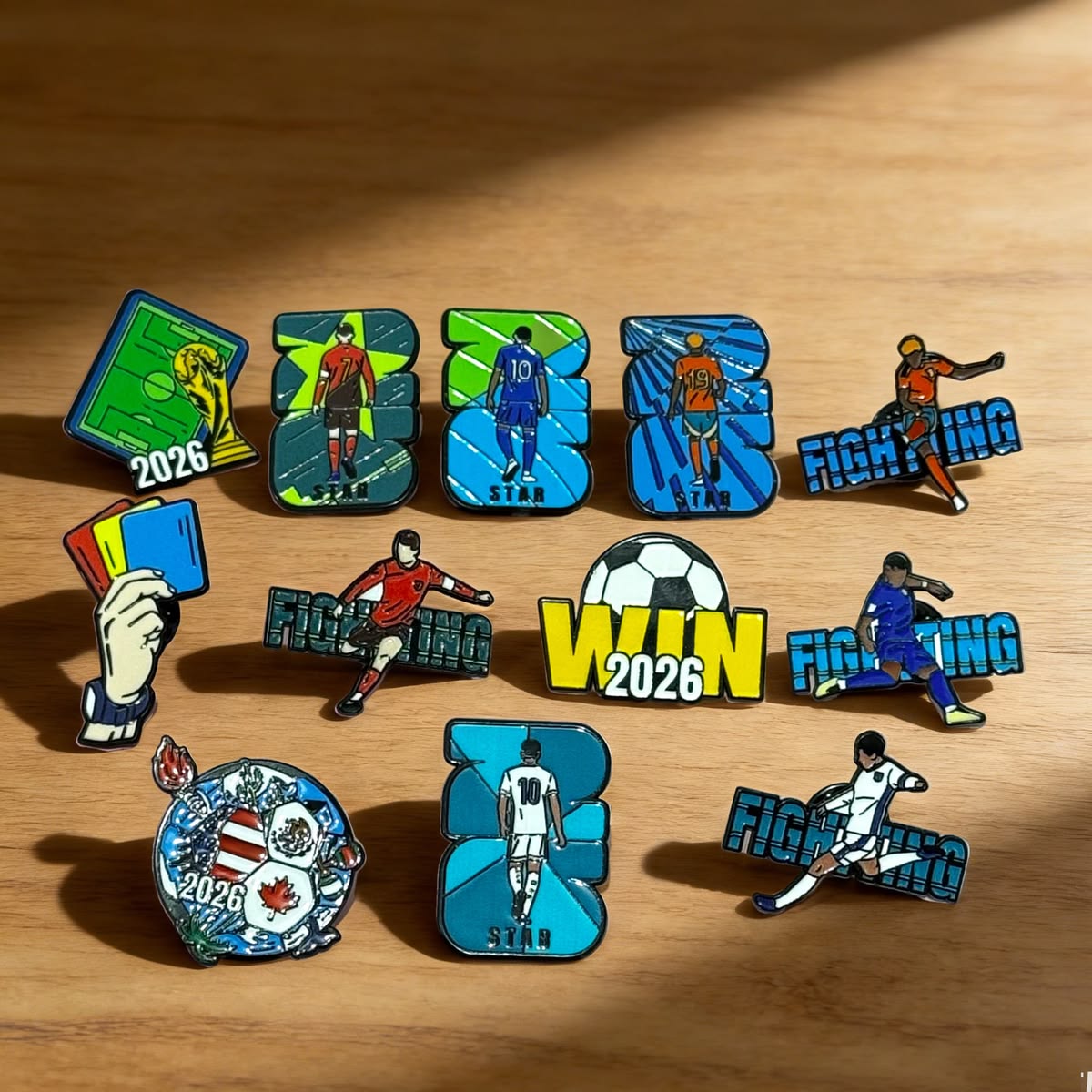
What Are Custom Pins?
At their simplest, custom pins are small badges made from metal (or occasionally other materials) with a pin mechanism on the back that allows them to be attached to clothing, bags, hats, or display boards. But that definition barely scratches the surface.
The Anatomy of a Custom Pin
| Component | Description | Considerations |
|---|---|---|
| Face | The front surface displaying the design | Can be recessed (soft enamel) or flush (hard enamel) |
| Metal base | The structural foundation | Typically copper, iron, or brass; plated afterward |
| Plating | The metal finish covering the base | Gold, silver, black nickel, antique brass, copper, etc. |
| Enamel/Color | The colored areas | Soft enamel (textured) vs. hard enamel (smooth) vs. printed |
| Mold lines | Raised metal borders separating color areas | Also called "die lines"—crucial for design clarity |
| Backing post(s) | Metal pins that go through fabric | Single post standard; double post for large pins |
| Clutch | The fastener that secures the pin | Rubber, metal, butterfly, magnetic |
The Main Types of Custom Pins
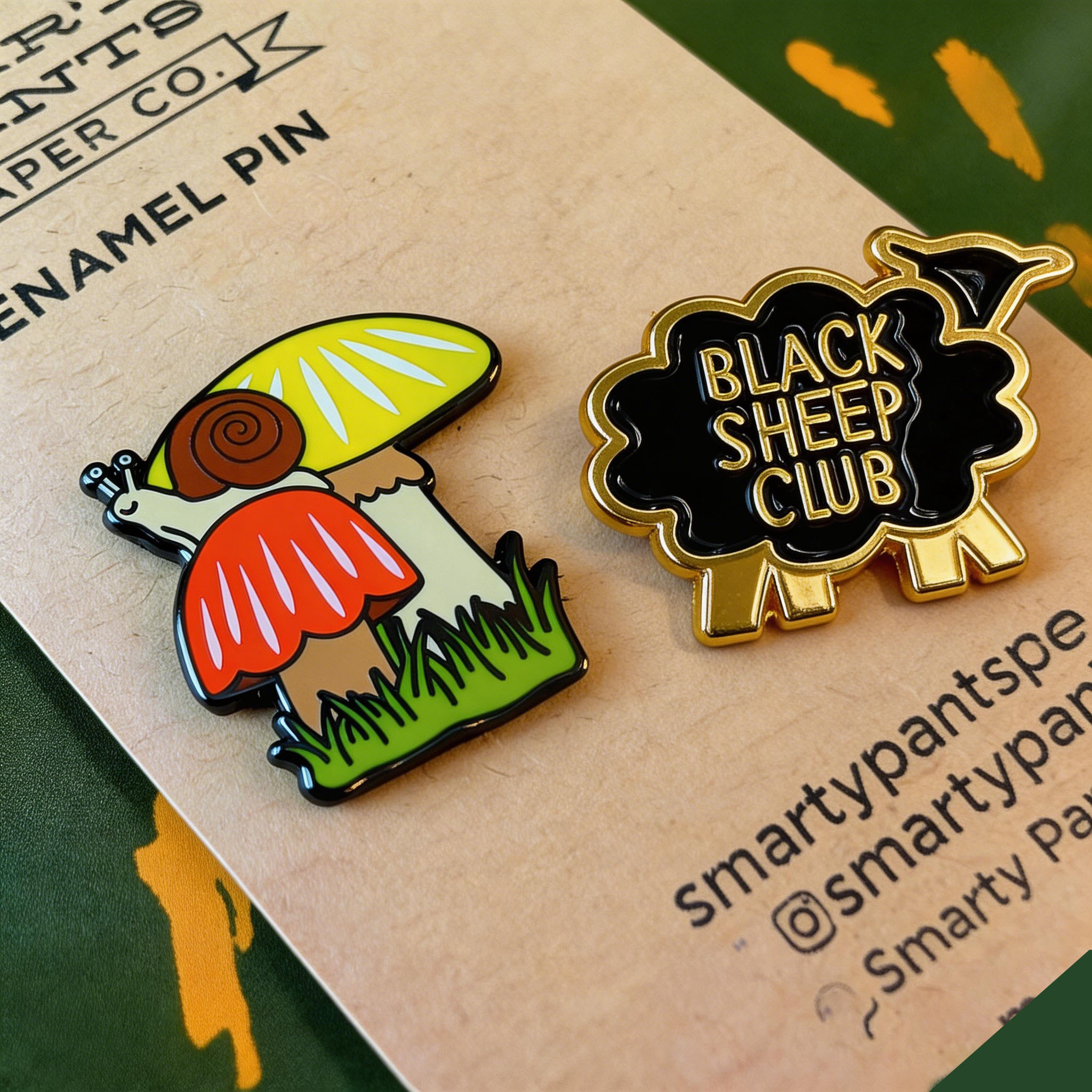
Understanding the different manufacturing methods is essential because each produces a distinctly different look, feel, and price point.
The Role & Advantages of Custom Pins: Why They Matter
Custom pins are often dismissed as trivial, but their strategic value across industries is substantial. Understanding these advantages helps justify the investment and informs how you position your pins.
Psychological Impact
Pins occupy a unique space in the world of merchandise and promotional products. Unlike flyers that get thrown away or stickers that get lost, pins are intentionally worn. When someone chooses to pin your design to their jacket or bag, they are making a public declaration of affiliation. This transforms a simple object into a social signal.
Tangible Business Benefits
| Advantage | Strategic Application | Measurable Impact |
|---|---|---|
| Walking billboard | Each pin worn in public generates impressions | Estimated 3,000–10,000 impressions per pin over its lifetime |
| Community building | Collectors trade, display, and discuss pins | Creates organic social media content and word-of-mouth |
| Perceived value | Metal pins feel substantial compared to paper goods | Allows premium pricing at merch tables ($10–$25 per pin) |
| Cost efficiency | 100 custom pins often cost less than a single Facebook ad campaign | Lower CPA (cost per acquisition) for loyal customers |
| Evergreen inventory | Pins don't expire; unsold stock remains sellable for years | Better ROI than perishable promotional items |
The Collector Economy
A robust secondary market exists for custom pins. Limited edition runs, artist collaborations, and event-exclusive pins regularly sell for 3–10 times their original retail price. This scarcity dynamic means that well-designed pins can appreciate in value, making them particularly attractive for brands looking to create high-demand merchandise.
Where Can Custom Pins Be Used?
The versatility of custom pins means they appear in contexts ranging from Fortune 500 boardrooms to underground punk shows. Here's a detailed breakdown by sector.
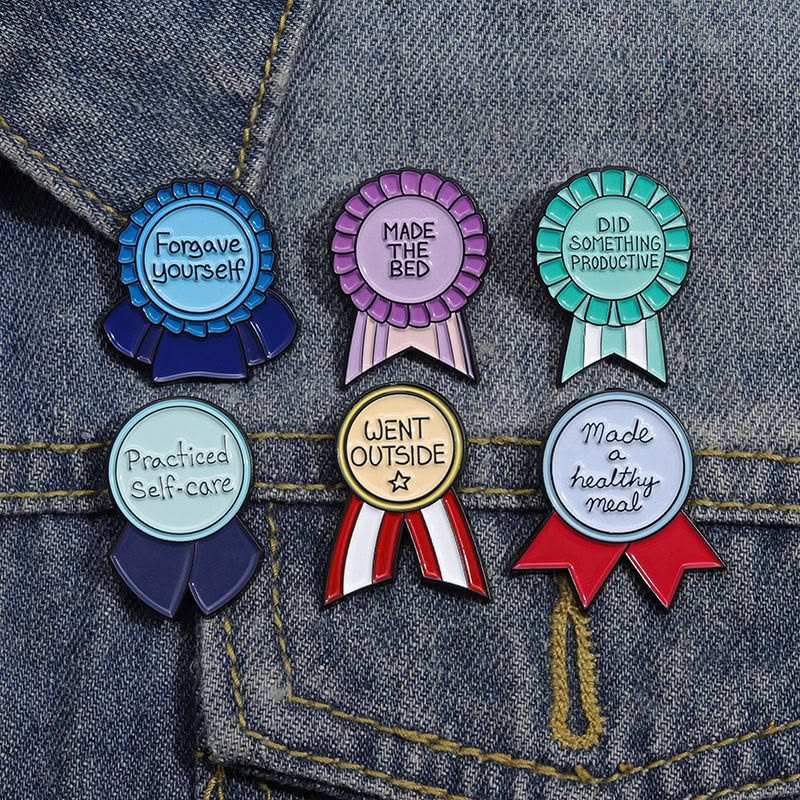
Corporate & Professional
Companies use custom pins for employee recognition programs, often with tiered designs (bronze, silver, gold) that signify years of service or achievement. Lapel pins for executives create subtle brand consistency at networking events. Tech companies increasingly adopt whimsical enamel pins as swag that employees actually want to wear.
Entertainment & Media
Music festivals like Coachella and Lollapalooza have turned pins into essential merchandise. Bands sell tour-exclusive pins that fans collect across cities. Film and TV studios create pins for premieres, fan conventions, and as promotional mailers to influencers. Streaming services use pins to reward superfans who binge-watch new series.
Non-Profit & Advocacy
Awareness ribbons translate perfectly into pin form. Organizations use pins as thank-you gifts for donors—a $50 donation might include a distinctive pin that serves as ongoing recognition. Political campaigns produce pins for volunteers and as low-cost fundraising items that build visible support.
Education & Youth Organizations
Schools use pins for honor societies, sports achievements, and extracurricular clubs. Scouts have long traditions of badge collecting. Universities create pins for study abroad programs, alumni events, and commencement souvenirs that students treasure for decades.
Arts & Independent Creators
The independent artist market for enamel pins has exploded. Platforms like Kickstarter regularly feature pin campaigns that raise $20,000–$50,000. Artists release seasonal collections, limited variants, and mystery bag assortments that build devoted collector bases.
Events & Hospitality
Conferences use pins as attendee badges that double as souvenirs. Weddings incorporate custom pins as favors, often with the couple's names and wedding date. Museums and attractions sell pins featuring iconic exhibits or landmarks.
How to Make Custom Pins: Step-by-Step
This section walks through the entire production process with the level of detail needed to avoid costly mistakes. Each step builds on the previous one, so follow sequentially.
Step 1: Concept Development
Before touching any design software, clarify your pin's purpose. Ask yourself: Who will wear this? (determines size, backing type, and aesthetic). Where will it be worn? (backpacks allow larger pins; dress shirts need lightweight options). What story does it tell? (collectors value narrative context). What is the budget per pin? (informs material choices and quantity).
Action: Sketch multiple concepts on paper. Aim for three distinct directions before committing to digital.
Step 2: Understanding Manufacturing Constraints
Pins are physically manufactured, which imposes constraints that digital designs don't face. Understanding these upfront prevents redesigns later.
| Constraint | Specification | Why It Matters |
|---|---|---|
| Minimum line thickness | 0.3mm (0.012 inches) | Thinner lines break during stamping |
| Minimum text size | 5pt for sans-serif, 6pt for serif | Smaller text becomes illegible |
| Maximum size | Typically 3 inches (76mm) | Larger pins require multiple posts and cost more |
| Color count | 3–6 colors recommended | More colors increase cost and production complexity |
| Metal separation | Colors must be separated by metal lines | Adjacent colors without metal borders will bleed |
Step 3: Creating Vector Artwork
You cannot produce an enamel pin from a JPG or PNG. Factories require vector files where every element is defined mathematically rather than by pixels. Software Options: Adobe Illustrator (industry standard), Affinity Designer (affordable alternative), Inkscape (free, open-source). File Format: .AI, .EPS, .CDR, or .SVG.
The Vector Conversion Process: Start with your sketch or concept. Trace the design using the pen tool, ensuring all lines are at least 0.3mm thick. Every distinct color area should be a closed shape. Assign Pantone colors to each area.
Critical Rule: All colors must be separated by metal lines. If two colors touch without a metal border, the enamel will flow together during production. This is the most common mistake first-time designers make.
Step 4: Selecting Pin Type and Plating
Based on your design complexity and budget, choose your pin type:
| Factor | Soft Enamel | Hard Enamel | Die-Struck |
|---|---|---|---|
| Best for | Intricate designs, first orders | Premium products, simple designs | Vintage aesthetic, text-heavy |
| Texture | Recessed enamel, raised metal | Smooth, glass-like | Textured metal only |
| Cost (100 pcs) | $1.50–$2.50 each | $2.50–$4.00 each | $1.80–$3.00 each |
| Minimum order | 50–100 | 100–200 | 50–100 |
| Lead time | 7–12 days | 10–15 days | 7–10 days |
Plating Options: Gold (classic), Silver (clean), Black nickel (contemporary), Antique brass (vintage), Antique silver (aged), Copper (distinctive), Rose gold (trendy premium).
Step 5: Determining Size and Shape
Standard Sizes: 0.75" (19mm), 1" (25mm) most common, 1.25" (32mm), 1.5" (38mm). Custom shapes require a mold fee ($30–$80) but improve collectibility. Avoid very thin protrusions.
Step 6: Backing Selection
Rubber Clutch (standard, comfortable), Metal Clutch (superior grip), Butterfly Clasp (very secure, for large pins), Magnetic Backing (delicate fabrics), Tie Tack / Long Post (thick materials), Double Post (prevents spinning on large pins).
Step 7: Working with Manufacturers
Look for clear pricing, digital proofs, responsive service, samples, quality guarantee. Provide vector artwork, pin type, size, quantity, plating, backing, special requirements. Avoid quotes too low, vague mold fees, no physical samples.
Step 8: Proofing and Approval
Verify Pantone colors, spelling, metal lines, post centering, special effects. Physical samples ($30–$60) recommended for orders 500+.
Step 9: Production Timeline
| Phase | Duration | Notes |
|---|---|---|
| Mold creation | 3–7 days | Custom shape molds take longer |
| Sample production | 3–5 days | Only if ordering a physical sample |
| Bulk production | 7–15 days | Varies by quantity and complexity |
| Quality control | 1–2 days | Factory inspection before shipping |
| Shipping | 3–15 days | Air freight faster; sea freight cheaper |
| Total | 3–6 weeks | Plan accordingly for events |
Step 10: Quality Control Upon Receipt
Count pins, check backs, surface inspection (scratches/bubbles), post alignment, test wear. Acceptable defect rate: 2–5% minor imperfections.
Common Design Mistakes to Avoid
Mistake 1: Ignoring the Pantone System
The Problem: Verbal color descriptions lead to inconsistency. Solution: Specify Pantone PMS numbers; use swatch book.
Mistake 2: Creating Thin Metal Bridges
The Problem: Lines under 0.3mm break. Solution: Verify stroke thickness; thicken delicate elements.
Mistake 3: Overcomplicating with Too Many Colors
The Problem: Higher cost, misalignment. Solution: Limit to 3–6 colors; consider printed pins for complex art.
Mistake 4: Placing Text That Is Too Small
The Problem: Text under 5pt becomes illegible. Solution: Use icons or increase pin size.
Mistake 5: Forgetting About the Back
The Problem: Factories stamp generic info by default. Solution: Specify custom back: logo, year, smooth finish.
Mistake 6: Choosing Wrong Backing for the Use Case
The Problem: Rubber fails on heavy pins; butterfly damages delicate fabrics. Solution: Match backing to activity and fabric type.
How to Choose a Pin Backing?
The backing mechanism is often treated as an afterthought, yet it fundamentally affects how people interact with your pin. A pin that falls off or damages clothing creates negative brand associations.
| Backing Type | Security Level | Comfort | Durability | Best Applications | Notes |
|---|---|---|---|---|---|
| Rubber Clutch | Medium | High | Medium | Giveaways, everyday wear, light pins | Most common; degrades after 2–3 years |
| Metal Clutch | High | Medium | High | Heavy pins, outdoor use, long-term wear | Requires more force to fasten |
| Butterfly Clasp | Very High | Low | High | Large pins (1.5"+), premium merchandise | Two-piece system; leaves visible backing |
| Magnetic | Low-Medium | Very High | Medium | Delicate fabrics, people with sensory issues | Not for heavy pins or active wear |
| Tie Tack | High | Medium | High | Suit lapels, hats, thick materials | Includes chain for extra security |
| Locking Pin Back | Maximum | Medium | Maximum | High-value pins, collector pieces | Requires tool to remove; prevents theft |
Advanced Backing Considerations: For backpacks use metal clutches or tie tack with extra-long posts. Denim jackets: request longer posts (10–12mm). Hats: butterfly clasps lie flat. Display boards: ensure post length accommodates thickness.
| Pin Size | Recommended Posts |
|---|---|
| Under 1 inch (25mm) | 1 post |
| 1–1.5 inches (25–38mm) | 1 post (consider 2 if heavy) |
| 1.5–2 inches (38–51mm) | 2 posts |
| Over 2 inches (51mm) | 2 posts (or 3 for large rectangles) |
Custom Panda: Your Premium Custom Pin Partner
In an industry filled with overseas factories offering inconsistent quality and opaque pricing, Custom Panda has established itself as a reliable partner for creators at every level.
Low Minimum Orders: Most manufacturers require 200–500 pieces; Custom Panda accepts orders as low as 50 pieces.
Transparent Pricing: No hidden mold fees for standard shapes. Quotes include all costs.
Design Support: Free artwork optimization, vector assistance.
Quality Guarantee: Defective pins replaced at no cost.
Eco-Friendly Options: Recycled metals, non-toxic enamel, minimal plastic packaging.
Fast Turnaround: Digital proofs within 24 hours, production 7–15 days.
How to Start: Submit artwork → receive quote & proof → approve → production photos → tracking.
FAQ
Q: How much do custom pins cost?
A: For 100 soft enamel pins (1 inch), $1.50–$2.50 per pin + $40–$60 mold fee. 500 pins: $0.80–$1.20 each.
Q: What are the hidden costs to watch for?
A: Mold fees, international shipping ($30–$80), customs/duties, rush fees.
Q: Can I make custom pins at home?
A: Button pins yes (button press), but enamel pins require industrial stamping, plating, kilns — not feasible at home.
Q: What file format do manufacturers need?
A: Vector formats: AI, EPS, CDR, SVG. Avoid JPG/PNG. Vectorization services available ($10–$30).
Q: Can I use gradients or photographs?
A: Not for enamel pins. Gradients/photos require printed pins (screen print/offset).
Q: How do I choose Pantone colors?
A: Use online Pantone finders or order a physical swatch book for critical matching.
Q: How long does production take?
A: 3–6 weeks total (mold 3–7d, production 7–15d, shipping 3–15d). Expedited options available.
Q: Can I get a sample before bulk production?
A: Yes, sample service ($30–$80 total) includes mold + 1–3 physical samples.
Q: What is an acceptable defect rate?
A: 2–5% minor defects; major defects (broken posts, missing enamel) replaced at manufacturer's cost.
Q: Will my pins rust?
A: Quality plating prevents rust; copper-base pins are more corrosion-resistant.
Q: How should I package pins for sale?
A: Poly bags (cheapest), backing cards with sleeves (professional), velvet pouches (premium), display boxes (collector).
Q: Where can I sell custom pins?
A: Etsy, Shopify, Big Cartel, Amazon Handmade, conventions, craft fairs, Kickstarter pre-orders.
Final Tips for Ordering
Tip 1: Start with a Small Test Order – 50–100 pieces to evaluate quality and market demand.
Tip 2: Order Extras – Request 10–20% extras to cover defects, samples, giveaways.
Tip 3: Document Everything – Save quotes, proofs, tracking, photos for dispute resolution.
Tip 4: Plan for Events – Add 2–3 weeks buffer; avoid Lunar New Year (Jan–Feb) closures.
Tip 5: Consider Seasonality – Order Sep–Nov or Mar–May for reliable timing.
Tip 6: Build a Relationship – Consistent orders bring better pricing, priority treatment.
Tip 7: Market Before They Arrive – Teaser posts, pre-orders, influencer unboxings.
Tip 8: Keep Detailed Records – Pantone colors, mold number, specs, cost, sales performance for easy reorders.
Final Insight: Thoughtful design, respect for manufacturing limits, and partnering with a reliable manufacturer turn custom pins into cherished collectibles. Your first order is the start of something memorable.
Conclusion
Making custom pins is simultaneously simpler and more complex than most people expect. The manufacturing process itself is straightforward once you understand it, but the decisions along the way—design choices, material selections, backing types, manufacturer selection—determine whether your pins become cherished collectibles or forgotten promotional items.
Start with a clear concept, respect the manufacturing constraints, choose quality materials, and partner with a reliable manufacturer. Whether you're creating pins for a global brand or a personal project, the same principles apply: thoughtful design, careful planning, and attention to detail produce pins that people proudly wear and collect.
The custom pin industry continues to grow, driven by collectors, artists, and organizations discovering the unique combination of affordability, durability, and emotional connection that pins provide. Your designs can become part of this vibrant ecosystem—starting with your first order.

