
th
Are Vinyl Labels Waterproof?
You just ordered custom vinyl labels for your product packaging, outdoor equipment, or industrial tools. They look professional—until the first time they get wet or exposed to moisture. Suddenly, the printing smears, edges curl, or the adhesive fails. You're left wondering whether vinyl labels were ever meant to handle real-world conditions.
The short answer? Most vinyl labels are water-resistant, but not all are truly waterproof. The difference comes down to three critical factors: the quality of the vinyl itself, the type of ink used, and whether a protective laminate is applied.
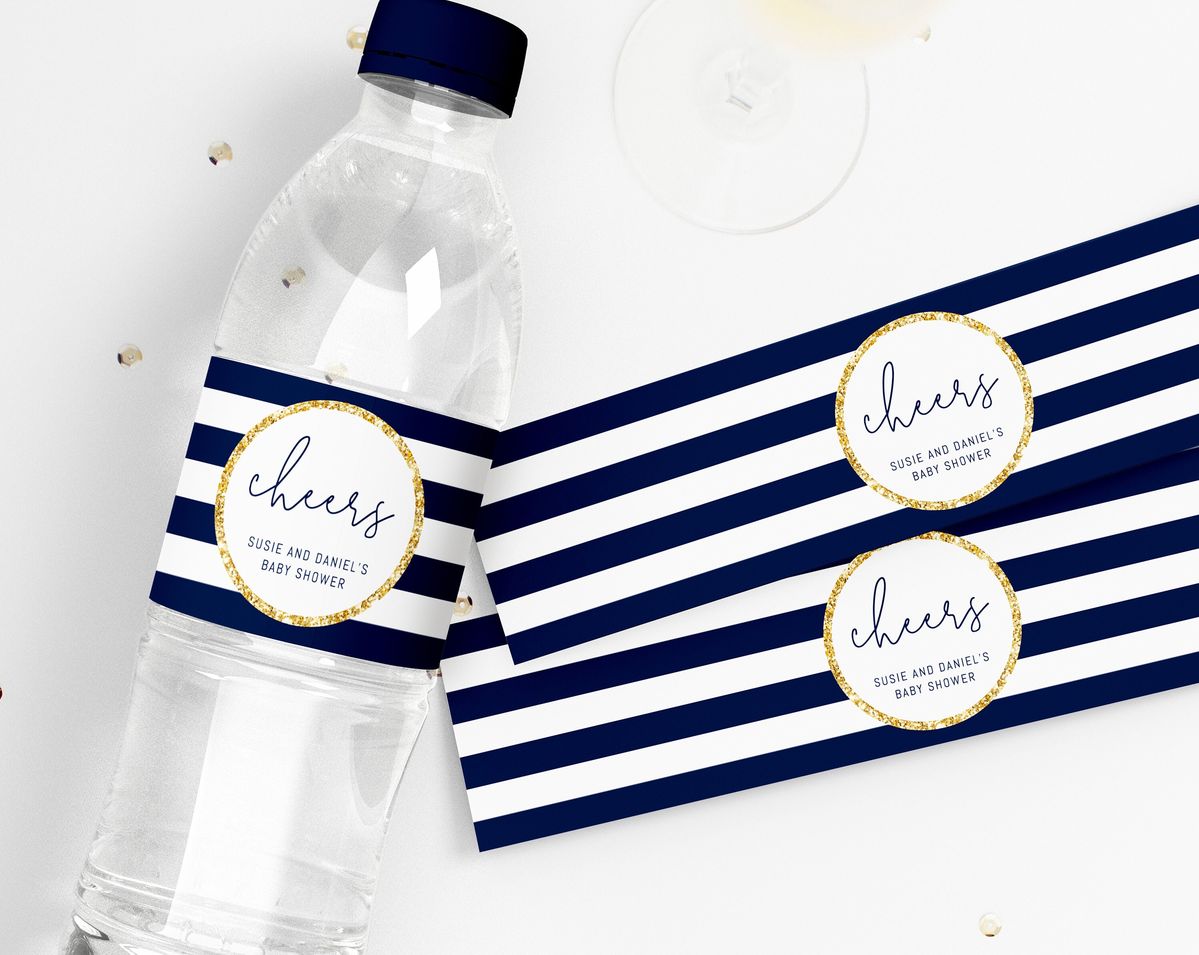
In this guide, we'll move beyond marketing claims and give you a practical, detailed look at what makes a vinyl label survive—or fail—when exposed to water, humidity, and cleaning agents. You'll learn how to test your labels, what to look for when ordering from manufacturers, and how to ensure they last for years in demanding environments.
What Are Vinyl Labels?
Vinyl labels are made from polyvinyl chloride (PVC), a synthetic plastic material. Unlike paper labels, which are porous and absorb moisture, vinyl is non-porous by nature. This gives it an inherent resistance to water—water simply cannot soak into the material itself.
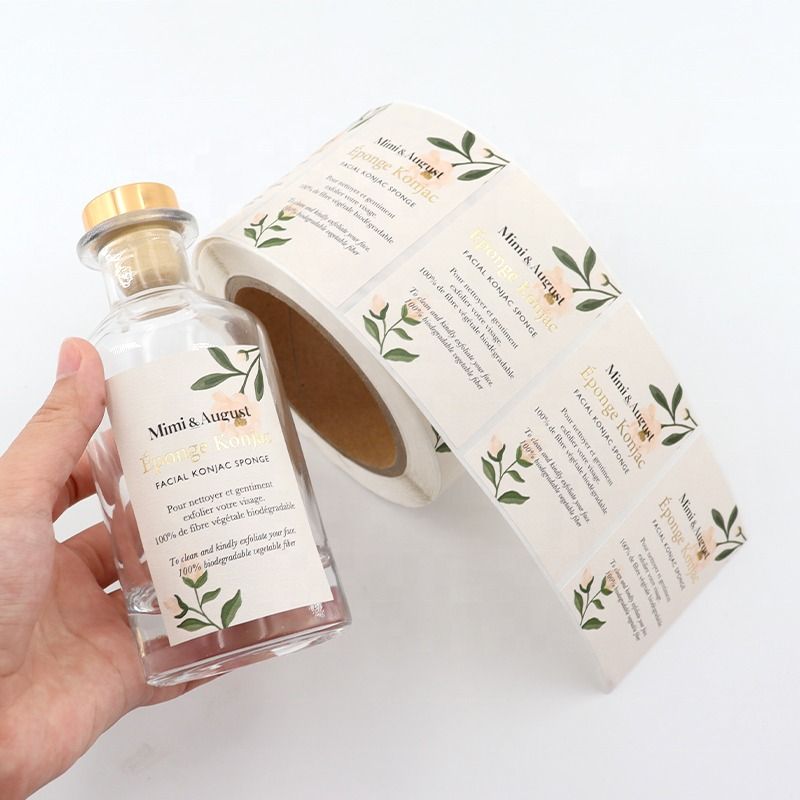
Vinyl labels are produced in several configurations:
Die-cut vinyl labels: Cut to the exact shape of your design, with no transparent background.
Kiss-cut vinyl labels: Cut through the vinyl layer but leave the backing paper intact, allowing for easy peeling.
Sheet-fed or roll labels: Supplied on rolls for automated application in manufacturing or packaging lines.
Vinyl is popular for labeling because it's durable, flexible, and can adhere to curved or irregular surfaces like industrial equipment, product bottles, or outdoor machinery. However, the raw vinyl sheet is just the starting point. What happens after printing determines whether your label is truly waterproof or merely water-resistant.
What Does "Waterproof" Really Mean for Labels?
Before we can answer whether vinyl labels are waterproof, we need to define the term clearly—because "waterproof" means different things to different industries and applications.
Water-Resistant vs. Waterproof
| Property | Water-Resistant | Waterproof |
|---|---|---|
| Can handle light moisture or splashes | ✅ Yes | ✅ Yes |
| Can be submerged in water for hours | ❌ No | ✅ Yes |
| Survives hand washing with soap | ⚠️ Possibly, but risky | ✅ Yes |
| Survives dishwasher cycles | ❌ No | ⚠️ Only with special adhesives |
| Resists humidity over time | ⚠️ Edges may lift | ✅ Yes |
Water-resistant labels repel water temporarily. They might survive a few raindrops or a quick wipe-down, but prolonged exposure—like sitting in a puddle or going through a wash—will eventually cause failure.
Waterproof labels, on the other hand, are engineered to withstand full immersion. They use waterproof materials at every layer: vinyl base, waterproof ink, and a sealed laminate top coat.
For the purpose of this article, when we ask "are vinyl labels waterproof?" we're really asking: Can they survive real-world wet conditions like dishwashing, rainstorms, and daily cleaning without damage?
Are Vinyl Labels Waterproof?
The direct answer: Yes and no.
Vinyl material is waterproof. The plastic sheet itself will never absorb water or fall apart like paper. However, a label is more than just the vinyl base. It includes:
The printed ink layer (which can bleed or dissolve in water)
The adhesive layer (which can lose its grip when wet)
The top surface (which can scratch or allow water to seep in from edges)
So while the vinyl itself is fine, the other components often fail. A truly waterproof vinyl label requires all three layers to be moisture-resistant.
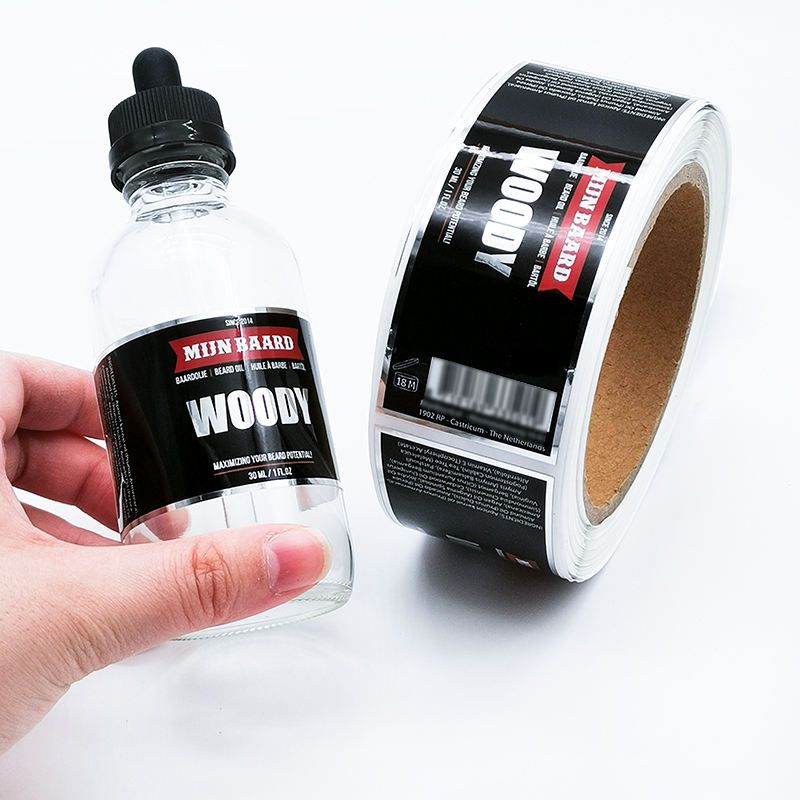
The Three Factors That Determine Waterproof Performance
| Factor | What Makes It Waterproof | What Causes Failure |
|---|---|---|
| Vinyl base | High-quality calendered or cast vinyl | Thin, low-grade vinyl that tears easily |
| Ink type | Solvent, eco-solvent, UV-cured, or latex inks | Water-based dye inks (common in home printers) |
| Laminate | Clear protective film applied over the print | No laminate, or low-quality laminate that peels |
If any of these three factors is weak, the label will not be fully waterproof—even if the vinyl itself is high quality.
Why Some "Vinyl Labels" Fail in Water: Many sellers call their labels "vinyl" when only the backing material is vinyl, or when they use a vinyl-compatible paper. More commonly, they print with standard water-based inks on vinyl sheets. Those inks look vibrant initially, but they are not chemically bonded to the plastic. The moment water touches the printed surface, the ink can smear, run, or bleed.
The bottom line: A label labeled "vinyl" is not automatically waterproof. You need to look for specific indicators of waterproof construction (which we'll cover in the next section).
How to Tell If a Label Is Waterproof?
You don't have to rely on marketing language. There are several simple, reliable tests you can perform at home or at your desk to evaluate a label's true waterproof capability.
Tear Test
Try to rip the label in half with your fingers. Paper label tears easily, leaving a fibrous edge. Non-waterproof vinyl may stretch slightly but still tears with effort. Waterproof vinyl does not tear—it stretches significantly before breaking.
Water Immersion Test
Apply label to clean surface, submerge for 24 hours. Colors unchanged & edges firmly adhered = waterproof. Ink bleeding or curling = not waterproof.
Rub Test (After Wetting)
After 24-hour soak, dry and rub printed area firmly with thumb. If color transfers = ink not waterproof. If nothing transfers = ink properly bonded or sealed.
Edge Lift Test
After soaking, try to gently lift one corner with fingernail. Difficult to lift = adhesive waterproof. Lifts easily = moisture compromised the adhesive.
What to Look for When Buying (No Testing Needed)
If you haven't bought the labels yet, look for these keywords in product descriptions:
"Solvent ink" or "UV-cured ink"
"Laminated" or "with protective laminate"
"Weatherproof" (broader than waterproof, includes UV protection)
"All-weather vinyl"
"Dishwasher safe" (though test this claim yourself)
Avoid labels that only say "water-resistant," "glossy finish," or "durable vinyl" without mentioning ink type or lamination.
Do Vinyl Labels Come Off When Cleaned or Exposed to Moisture?
This is one of the most common practical concerns. You want to label your product packaging, industrial equipment, or outdoor assets, but you also need to clean those items regularly.
Short answer: A high-quality laminated vinyl label will not come off with normal hand washing. However, aggressive washing or pressure washing can shorten its life.
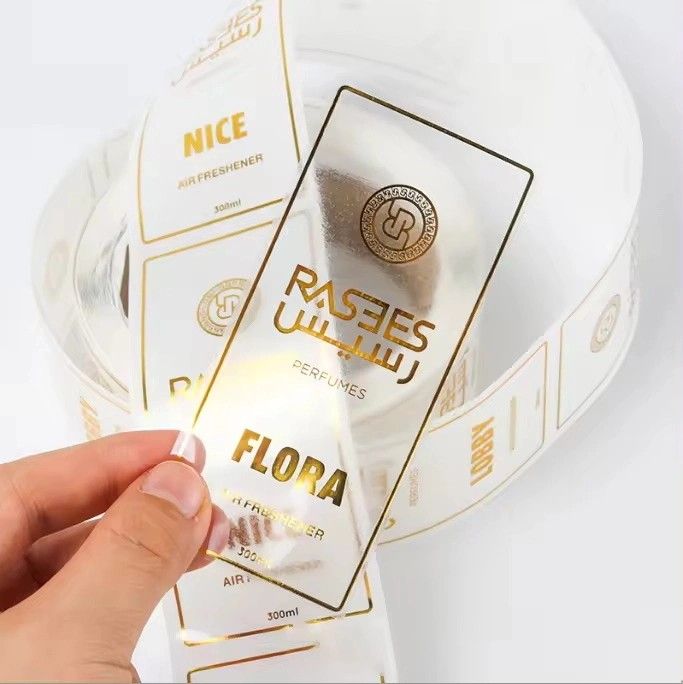
Hand Washing (Safe)
Use a soft sponge, mild dish soap, and lukewarm water. Gently wash around the label without scrubbing directly on its edges. Pat dry with a soft cloth. Under these conditions, a properly waterproof vinyl label will last for hundreds of washes without peeling or fading.
Pressure Washing (Risky)
Pressure washers combine three things that labels hate: high heat (which softens adhesive), high-pressure water jets (which can lift edges), and harsh detergents (which can break down laminate and ink). A typical waterproof vinyl label may survive 5–10 pressure washing cycles, but eventually, the adhesive will degrade. If you must use a pressure washer, use a wide nozzle and low pressure, and avoid direct spraying on label edges.
What About Soap and Chemicals?
Waterproof vinyl labels are generally resistant to mild soaps. However, avoid abrasive cleaners (scouring powders, melamine sponges), strong solvents (acetone, nail polish remover, bleach), and prolonged soaking in soapy water. The laminate layer protects against mild chemicals, but harsh substances can eventually break down the seal.
Do They Leave Residue When Removed?
Waterproof vinyl labels are designed for permanent or semi-permanent application. When removed, they may leave adhesive residue, especially if they've been in place for a long time or exposed to heat. To remove residue: warm the label with a hairdryer for 30 seconds, peel slowly at a 45-degree angle, then remove leftover adhesive with isopropyl alcohol (rubbing alcohol) or a citrus-based adhesive remover.
Conclusion
| Scenario | Verdict |
|---|---|
| Basic vinyl label, no laminate, unknown ink | ❌ Not waterproof – will bleed or peel when wet |
| Vinyl label with waterproof ink, no laminate | ⚠️ Partially waterproof – handles splashes but not submersion |
| Vinyl label + waterproof ink + laminate | ✅ Waterproof – survives hand washing, rain, and immersion |
The final answer: Vinyl itself is waterproof, but a vinyl label is only fully waterproof if it also uses waterproof ink and a protective laminate. Without those two additional layers, you have a water-resistant label that will eventually fail in wet conditions.
For product packaging, outdoor equipment, industrial tools, or any item that regularly gets wet, always choose laminated vinyl labels printed with solvent or UV-cured inks. They cost slightly more, but they last years instead of weeks.
Why Choose Custom Panda?
At Custom Panda, we don't just sell labels—we engineer durable, weather-resistant custom products that perform in real-world conditions. While we specialize in custom pins, custom patches, and custom labels, our commitment to quality applies to everything we produce.
High-quality custom patches, badges, and labels tailored perfectly to your brand needs.
Complete customization for any scale—from small batches to large bulk orders.
Save up to 30% on your custom orders with our competitive direct pricing.
Review and approve your custom design with a free digital proof provided within 12 hours.
Reliable global delivery ensuring your custom products arrive in just 5 to 7 days.
Experience extreme efficiency with quick 2–3 day production and rapid dispatch.
Why Customers Trust Custom Panda — Quality Guaranteed, Fast Turnaround, Free Design Support, Global Reach.
Ready to create custom labels or other branded products that actually last? Contact Custom Panda today for a free digital proof and factory-direct pricing.

