
th
How to Order Custom Paper Labels Online?
To order custom paper labels online, first understand what they are and what types exist. Then gather your requirements, find a reliable supplier, prepare your artwork correctly, choose the right materials, request a quote, and finally check everything before approving production.
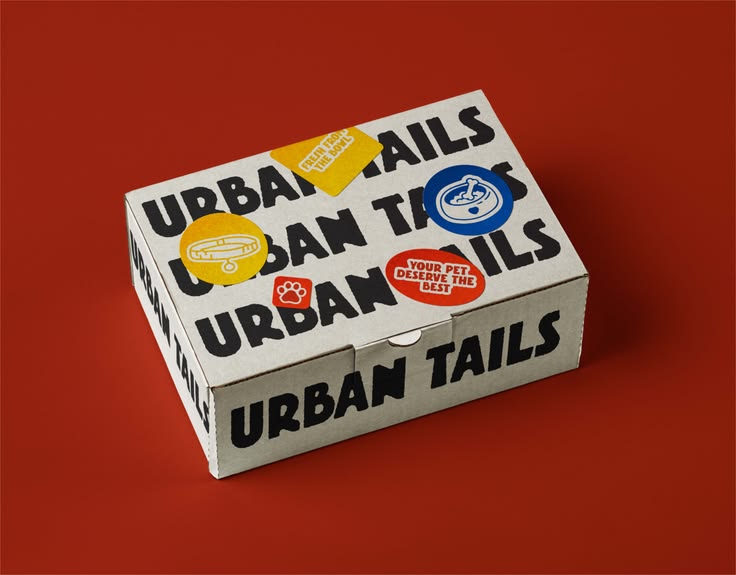
As someone who runs a custom label printing business, I see orders come through every single day. The difference between a perfect batch of labels and a disappointing one almost always comes down to preparation and knowing what to ask for. Getting the details right before you order is the most important part of the process. Let me walk you through the exact steps to ensure you get professional, consistent results without the usual headaches.
What Are Custom Paper Labels?
You keep hearing "custom paper labels" but are not entirely sure what makes them different from regular stickers. The terminology feels vague, and you do not want to order the wrong thing.
Custom paper labels are printed adhesive labels made from paper material, designed specifically to your size, shape, design, and finish requirements. They are used for product packaging, branding, shipping, and promotional purposes.
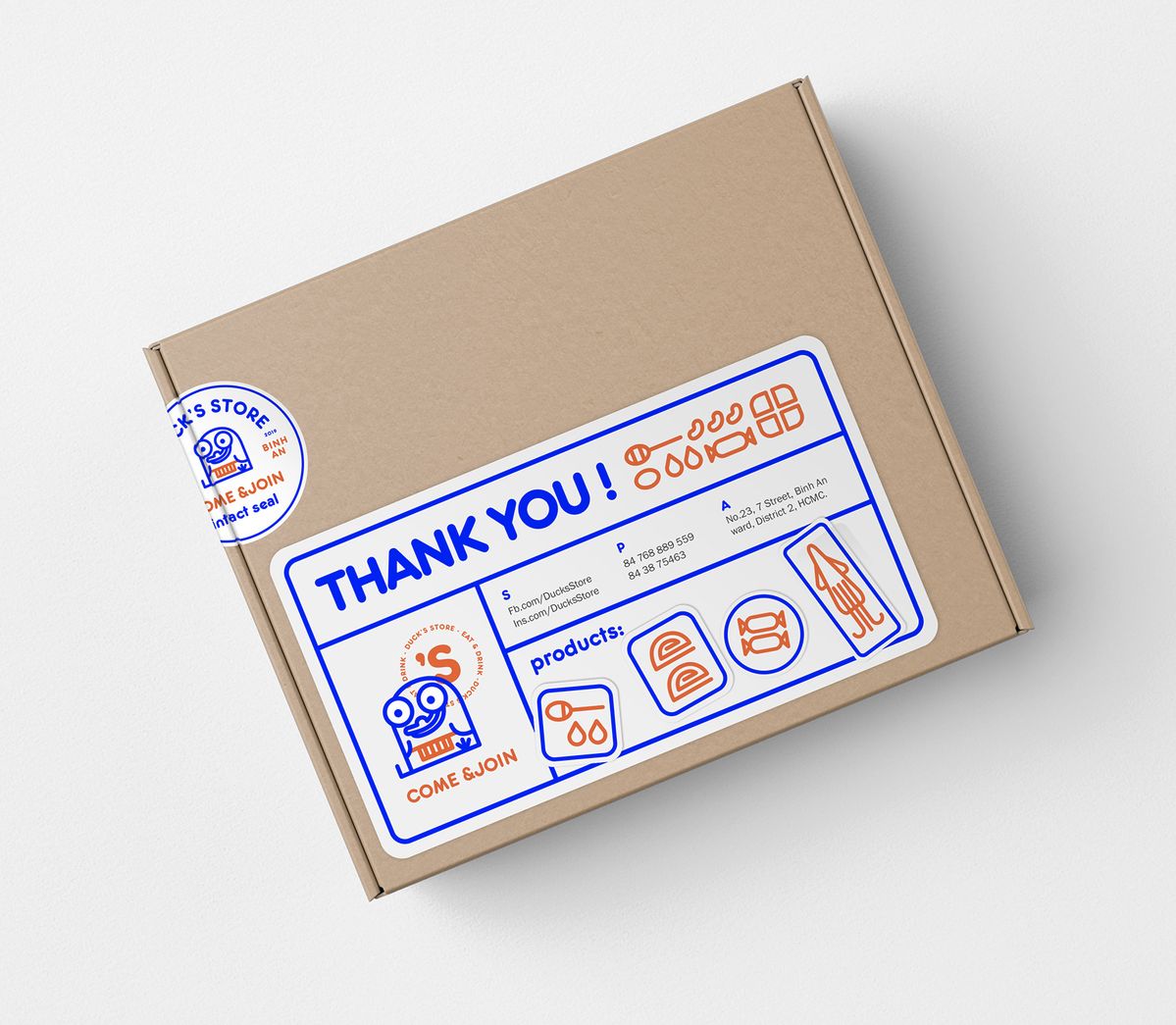
Custom paper labels are exactly what they sound like. You provide the design, choose the dimensions, and pick the paper type and adhesive. A printing company then manufactures them to your exact specifications. Unlike blank labels you buy at an office supply store and print yourself, custom labels are professionally printed in bulk. This means consistent colors, perfect cuts, and a finish that looks great on your products. The "paper" part is important here. Paper labels are different from vinyl or plastic labels. They are more economical, offer a natural feel, and are perfect for dry, indoor applications like boxes, bags, envelopes, or product manuals.
What Are the Different Types of Custom Paper Labels Available?
You are ready to order, but the list of options is overwhelming. Choosing the wrong paper type or finish feels like a costly mistake waiting to happen.
First, understand that paper labels come in different finishes. The most common types are matte paper labels, glossy paper labels, and kraft paper labels. Each serves a different purpose and looks different on your product.
Choosing the right type of paper label is the foundation of a great finished product. It is not just about how it looks, but also how it performs in the real world where it will be handled, shipped, or displayed. I always guide my customers through these three main categories to make sure they get exactly what their product needs.
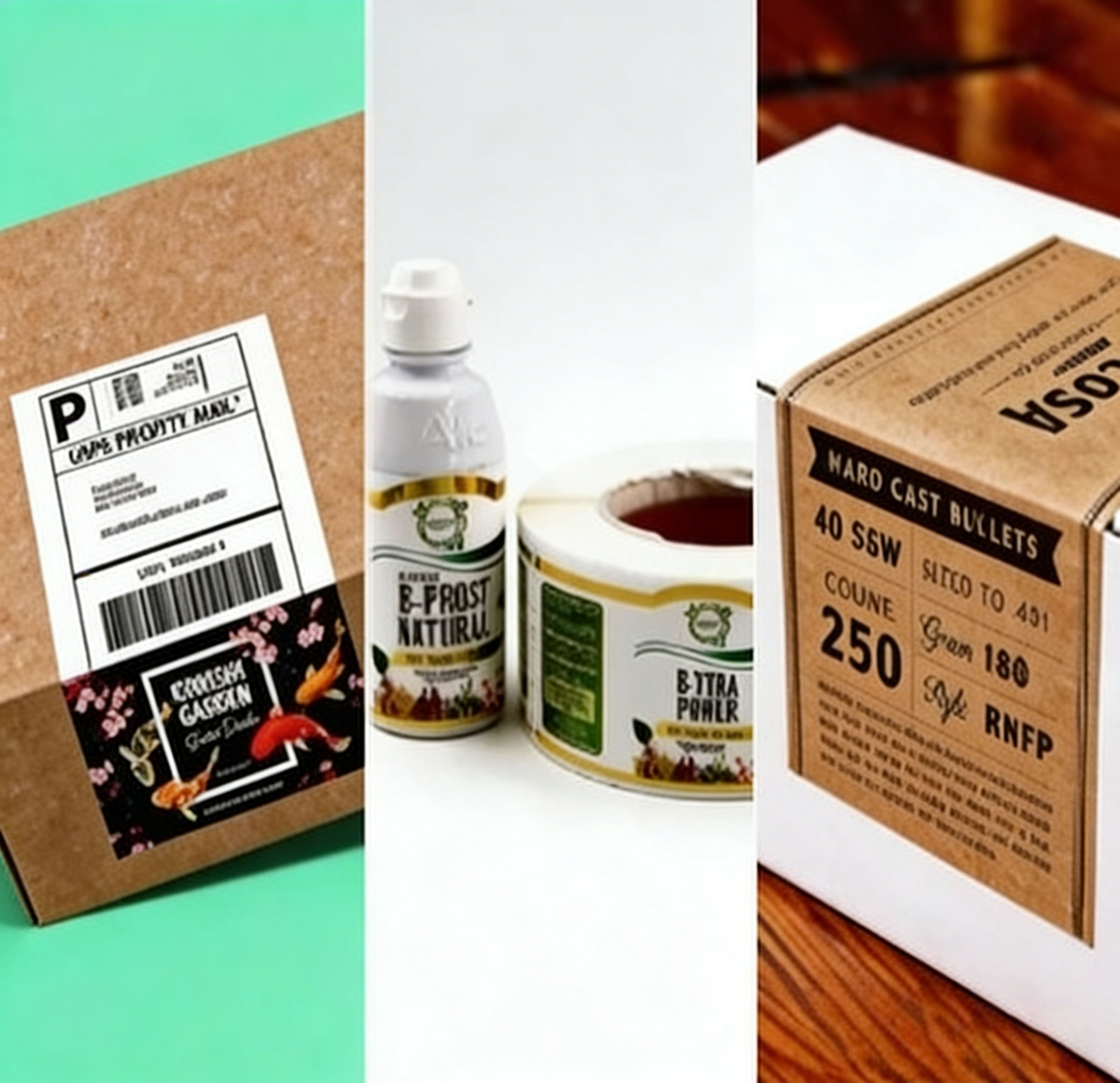
Matte Paper Labels
Non-reflective, smooth finish. Soft and natural to the touch. Excellent for writing with pens or markers — perfect for ingredient lists, address labels, modern packaging.
Writeable surface
Modern, premium look
Glossy Paper Labels
Shiny, reflective coating makes colors pop and images sharp. Go-to choice for candles, beauty products, food jars. More resistant to minor scuffs.
Vibrant colors
Scuff-resistant
Kraft Paper Labels
Brown, unbleached paper with a natural, rustic, eco-friendly look. Ideal for handmade goods, organic products, coffee bags, craft beer bottles.
Biodegradable appearance
Authentic & sustainable
| Paper Type | Best For | Key Characteristic |
|---|---|---|
| Matte | Ingredient lists, address labels, modern packaging | Writeable, non-reflective, soft feel |
| Glossy | Colorful product labels, candles, beauty products | Shiny, vibrant colors, scuff-resistant |
| Kraft | Handmade, organic, rustic or eco-friendly branding | Natural brown look, biodegradable appearance |
What Information Do You Need Before Ordering?
You want to start ordering, but you are missing key details. Jumping in without this information will cause delays, confusion, and potentially the wrong labels.
Before you contact any supplier, write down your label size, shape, quantity, and where you will apply the label. Also note if the label needs to be removable or permanent.
How to Find a Reliable Online Supplier
The internet is full of printing companies, and you have no idea which ones are trustworthy. You are afraid of paying for labels that never arrive or look terrible.
Look for a supplier with clear contact information, positive independent reviews, and a transparent ordering process. Request samples before placing a large order.
Finding a good supplier is like finding a good mechanic. You want someone who communicates clearly, stands behind their work, and knows what they are doing. Start by checking if the company lists a physical address and phone number. A real business is not afraid to be found. Read reviews on independent sites, not just the testimonials on their own website. Look for comments about print quality, shipping speed, and how they handle problems. A reliable supplier will also offer to send physical samples of their materials. Take them up on this offer. Feeling the paper and seeing the print quality in person is the only way to know if it meets your standards. Finally, a good supplier will have a simple, clear process for submitting artwork, getting a quote, and approving a proof. If the process is confusing or hidden, that is a red flag.
How to Prepare Your Artwork File Correctly
You have a perfect design, but you are afraid sending the wrong file type will result in a blurry or misaligned print. The technical jargon feels like a barrier.
Send your artwork as a high-resolution file at 300 dpi. Use formats like PDF or AI. For shaped labels, include a separate cutline layer. Keep all important text and logos at least 3mm away from the cut edge.
This is the step where most mistakes happen, but it is also the easiest one to get right with a little guidance. As a printer, receiving a well-prepared file is a dream. It means we can move to production quickly and deliver a perfect product. Your artwork needs to be 300 dpi (dots per inch). Anything lower can look pixelated or blurry when printed. Vector files like PDF or AI are best because they can be scaled to any size without losing quality. If you are designing in Canva or another online tool, export as a high-quality PDF. The most critical part for shaped labels is the cutline. This is an invisible line that tells our machine where to cut each label. For the best results, provide the cutline as a separate vector line in your file. This ensures precision. Also, keep all critical parts of your design at least 3mm inside the cutline. This is your safety margin. It guarantees that even if there is a microscopic shift during cutting, no part of your important design will be accidentally trimmed off.
How to Choose the Right Material, Adhesive, and Finish
The supplier has given you material options like "permanent adhesive" and "removable," and you are not sure which to pick. The wrong choice could ruin your products.
Choose the adhesive based on where you will apply the label. Pick the finish based on the look you want. Standard paper is best for indoor use. Select waterproof paper only if the label will touch moisture.
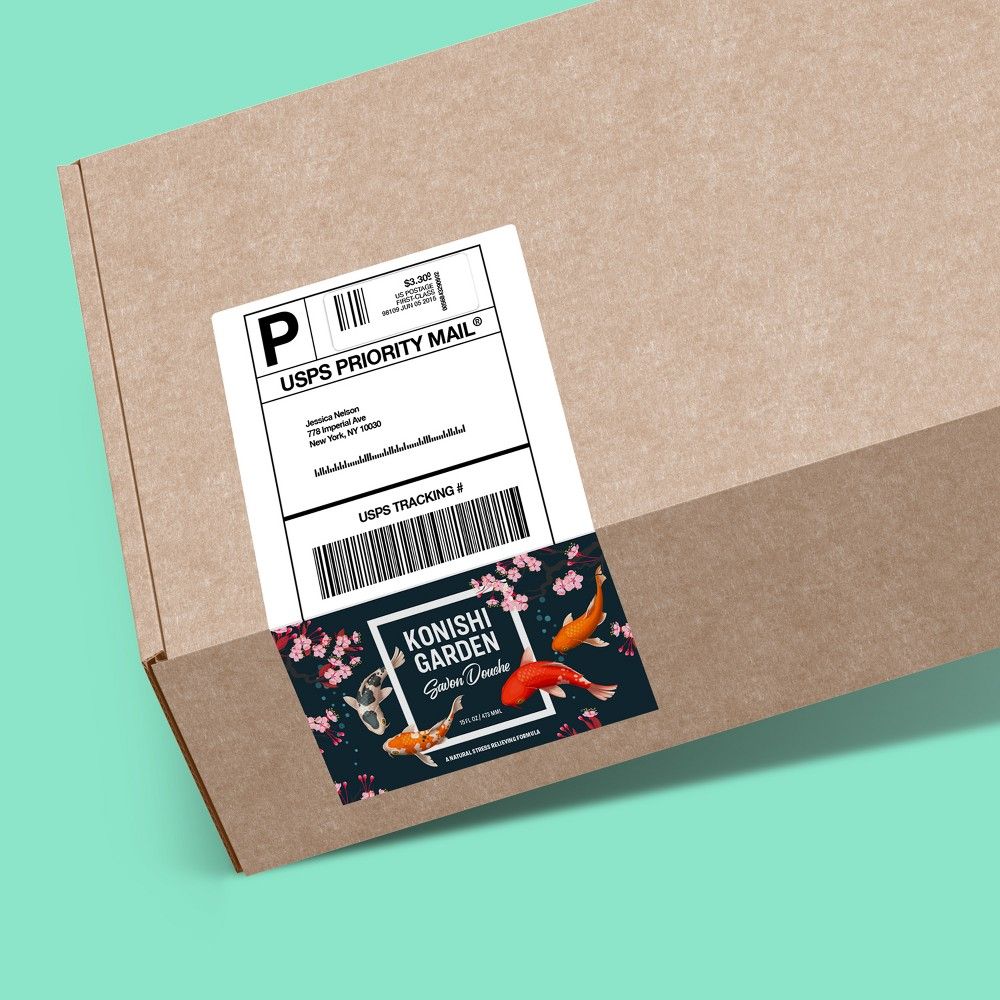
The material, adhesive, and finish are the three pillars of a functional label. Get one wrong, and the label might fall off, look bad, or damage the product it is stuck to. Let us break it down. For adhesive, you have two main choices. Permanent adhesive is designed to stick strongly and be very difficult to remove without tearing the label. Use this for product packaging, seals, or any label that should stay put. Removable adhesive sticks well but can be peeled off cleanly without leaving residue. Use this for price tags, temporary promotions, or labels on reusable containers. For material, standard paper is perfect for dry indoor applications like cardboard boxes, paper bags, and envelopes. If your label will touch moisture like a cold drink can or a bathroom product, you need waterproof paper or vinyl. For finish, refer back to section two. Matte gives a soft, modern, writeable surface. Glossy gives vibrant, shiny, scuff-resistant colors. Kraft gives a natural, rustic, eco-friendly look.
How to Request a Quote and Place Your Order
You are ready to order, but the quote form asks for details you do not understand. You are worried about requesting incorrectly and getting a wrong or expensive price.
Prepare a list of your specifications: size, quantity, shape, paper type, finish, and adhesive. Send this list to your chosen supplier and ask for a quote. Include your artwork file if possible.
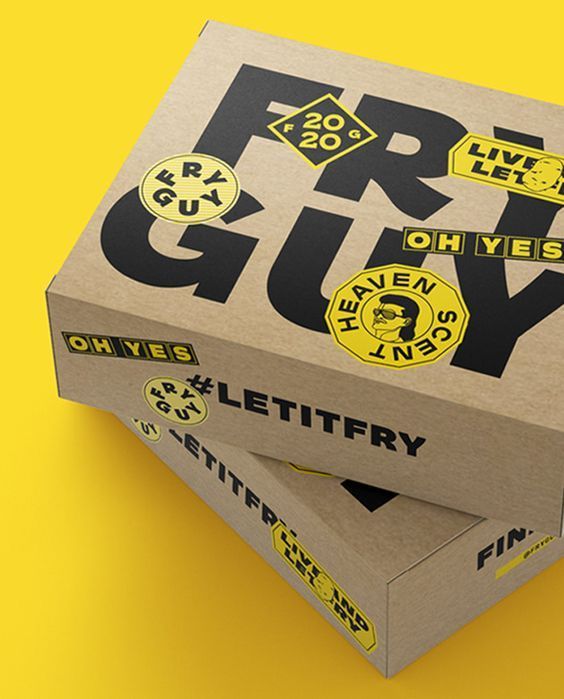
Requesting a quote is straightforward once you have done your homework from the previous steps. Contact the supplier through their website or email. Provide them with the following clear information: the exact dimensions of your label (width and height in inches or millimeters), the quantity you want to order, the shape (circle, square, rectangle, or custom die-cut), the paper type (matte, glossy, or kraft), the finish, and the adhesive type (permanent or removable). Also tell them if you want the labels on rolls or sheets. The more detail you provide, the more accurate the quote will be. A good supplier will respond within 24 hours with a price and estimated production time. They will also ask for your artwork file to check if it is print-ready. Once you agree on the price, they will send a digital proof for your approval before moving to production.
What to Check When You Receive Your Labels
The labels have arrived, but you are not sure if they are correct. You want to check them thoroughly before applying them to hundreds of products.
Check the size, shape, color, adhesive strength, and cut quality of a few labels from your order. Apply one to your product to confirm it sticks and looks right.
The moment your labels arrive is exciting, but do not start applying them to all your products yet. Act like a quality control inspector. First, compare a label to your original artwork or proof. Is the size exactly what you ordered? Use a ruler. Check the shape. Are the edges cut smoothly without any rough spots? Look at the color. Is it consistent across the sheet or roll? Hold it under different lighting. Next, test the adhesive. Peel a label and stick it onto the exact surface you designed it for. Does it stick immediately? Does it stay stuck when you try to peel it off? If you ordered removable, does it come off cleanly? Finally, check the print quality. Look for any smudges, missing dots, or blurry text. If everything looks good on the first few labels, you can confidently use the rest. If you find a problem, contact your supplier immediately with photos. A reputable supplier will make it right.
Why Choose Custom Panda?
Custom Panda specializes in designing and manufacturing premium custom products, including custom pins, custom patches, and custom labels. We are not just another printing company. We are your partner in bringing your brand vision to life with quality and care.

