
th
What Are Custom Patches?
What Are Custom Patches?
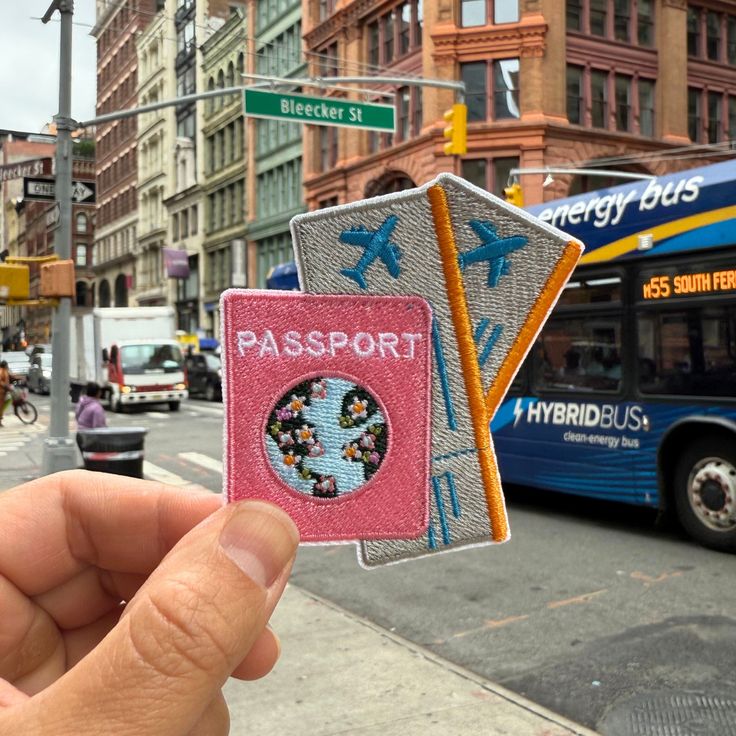
At their core, custom patches are personalized fabric emblems engineered to display a specific logo, message, or artistic design. Unlike off-the-shelf patches, each custom piece is created from scratch—digitized from your artwork, manufactured using specialized materials, and finished with attachment options tailored to your use case.
Think of custom patches as wearable brand assets. They transform ordinary uniforms, merchandise, or accessories into moving billboards for your organization. A well-crafted patch communicates professionalism, attention to detail, and brand personality without saying a word.
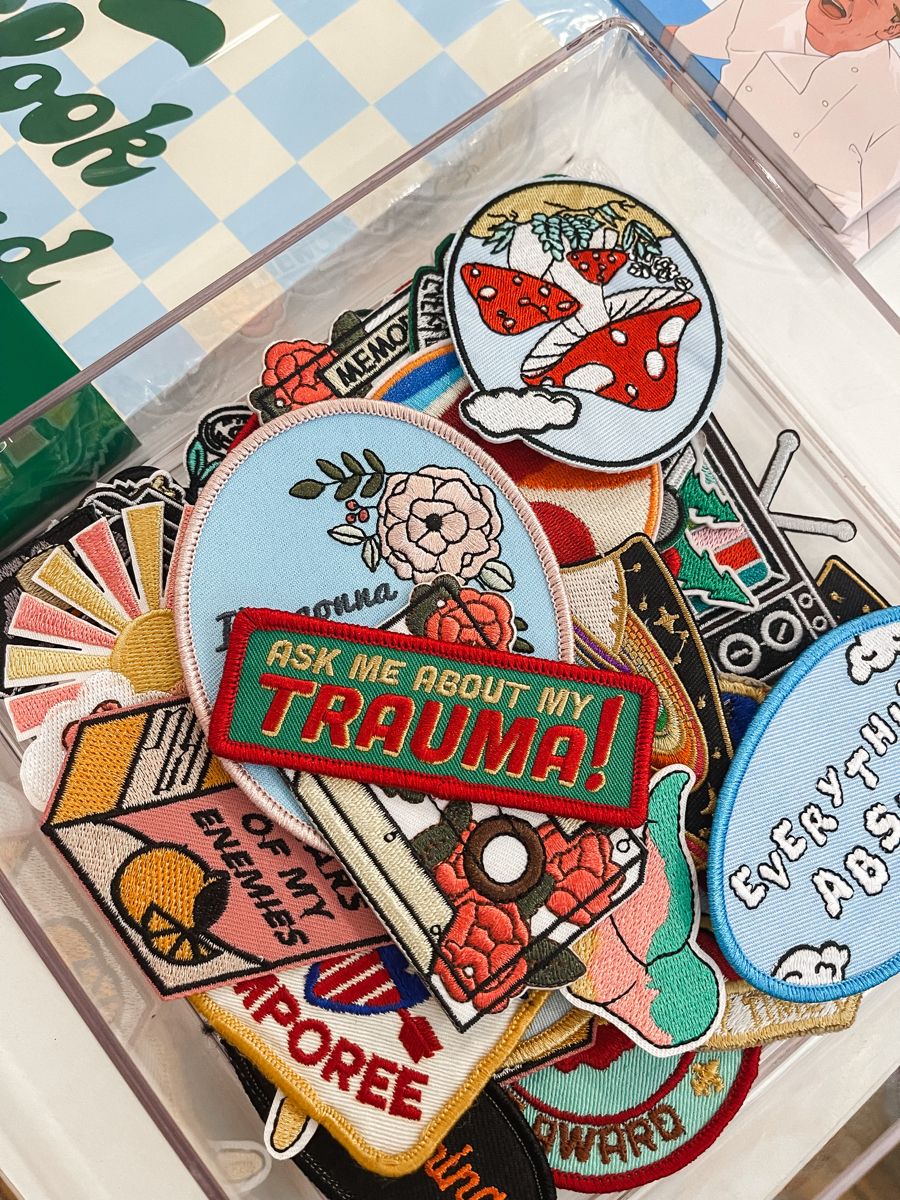
Key characteristics of custom patches:
Made from substrates like twill, leather, PVC, or chenille
Produced via embroidery, weaving, printing, or molding
Available in any shape (not just circles or shields)
Backed with sew-on, iron-on, Velcro, or adhesive options
Built to withstand washing, weather, and wear
For businesses, custom patches solve a simple equation: durable visibility + creative freedom = lasting brand impression. Whether sewn onto a chef's coat or Velcroed onto a tactical vest, each patch serves as a miniature ambassador for your identity.
Types of Custom Patches
Selecting the right patch type is crucial—each material and construction method offers distinct advantages. Below is a breakdown of the most popular styles available today.
Embroidered
Stitched threads on twill fabric. Perfect for bold logos, lettering, classic uniforms. Offers raised, textured and traditional look.
Best: uniforms & classic brandingWoven
Fine threads interwoven tightly. Handles intricate designs, small text & detailed artwork. Flat, smooth, high-definition finish.
Best: fine details & small textPVC
Molded rubber-like material. Waterproof, durable, perfect for outdoor gear, tactical equipment and sports. 3D & weatherproof.
Best: extreme conditions & modern looksChenille
Fuzzy yarns with raised loops. Varsity jackets, retro apparel, lifestyle brands. Soft, fluffy, nostalgic.
Best: vintage & athletic styleLeather
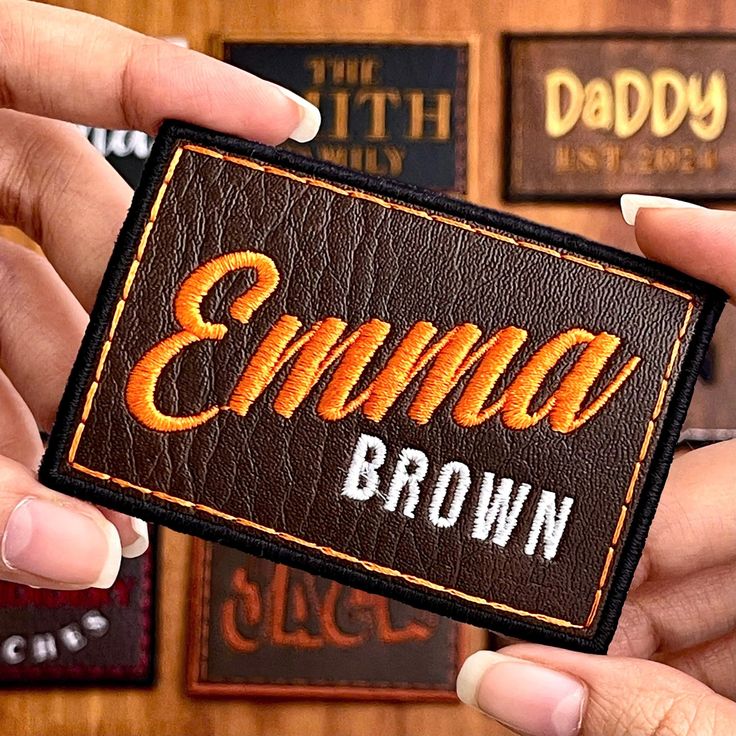
Embossed or debossed natural hide. Premium goods, denim, luxury accessories. Sleek, timeless, upscale.
Best: high-end fashion & heritageDye Sublimated
Heat-transferred ink into fabric. Photographic images, gradients, complex art. Full-color, seamless, photo-quality.
Best: complex artwork & gradientsPro tip: If your logo contains fine lines or small text (below 5mm), woven patches will outperform embroidered versions every time. Conversely, if you want a bold, rugged look that stands out from a distance, embroidered patches are your best bet.
Why Businesses Use Custom Patches
Companies invest in custom patches for reasons that go far beyond simple decoration. Here are the strategic drivers:
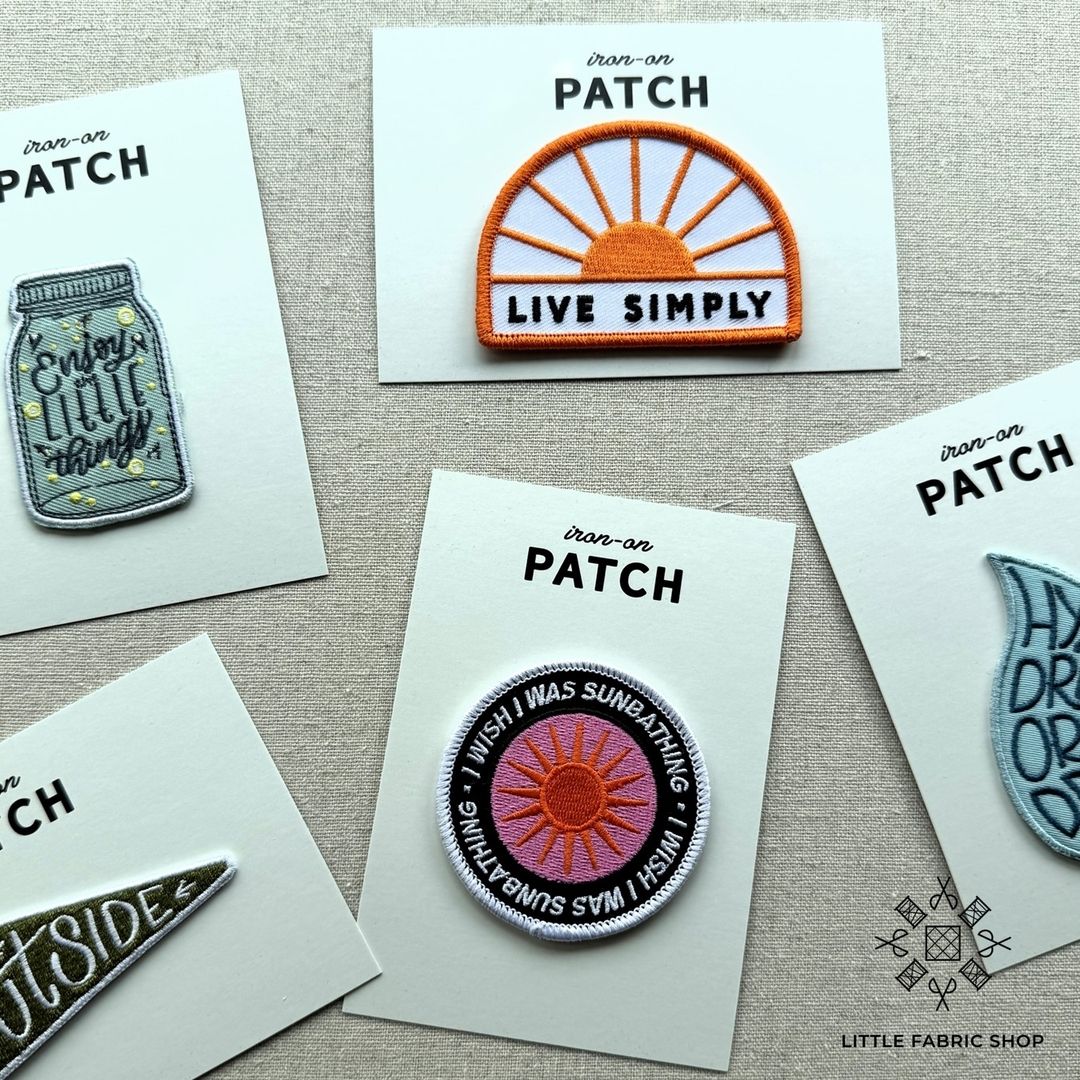
Brand Amplification Without Digital Noise
In a world saturated with pop-up ads and email campaigns, physical branding cuts through the clutter. A patch on a customer's backpack generates thousands of impressions over its lifetime—all without recurring ad spend.
Instant Credibility and Professionalism
First impressions matter. A security guard with a crisp embroidered patch or a hotel concierge wearing a woven logo patch communicates authority and attention to detail. Patches signal that your organization invests in quality.
Employee Engagement and Belonging
Custom patches can serve as achievement markers. Sales teams, safety committees, or tenure-based groups can earn special patches, fostering healthy competition and pride. This taps into the same psychology as military medals or scout badges.
Cost-Effective Merchandise
Patches are lightweight, stackable, and cheap to ship—making them ideal giveaway items at trade shows or as add-ons to online orders. Compare the cost of a custom patch ($0.50–$3.00) to a branded t-shirt ($8–$15), and the ROI becomes clear.
Adaptability Across Touchpoints
One patch design can serve multiple purposes: sew it on employee uniforms, iron it onto customer merchandise, Velcro it onto event banners, or frame it as a desk ornament. This versatility is rare among branded collateral.
Popular Uses of Custom Patches for Businesses
The applications for custom patches span nearly every industry. Below are real-world examples of how organizations deploy them.
Hospitality & Food Service
Use case: Logo patches on chef coats, aprons, and server vests. Why it works: Builds trust and differentiates roles (e.g., sommelier vs. manager). Example: A boutique hotel chain uses leather patches on bellhop uniforms for a vintage feel.
Security & Tactical
Use case: Velcro-backed patches on body armor, duty bags, and uniforms. Why it works: Allows quick identification and role changes (e.g., "K9 Unit" vs. "Supervisor"). Example: A private security firm issues color-coded PVC patches for different sites.
Fashion & Streetwear
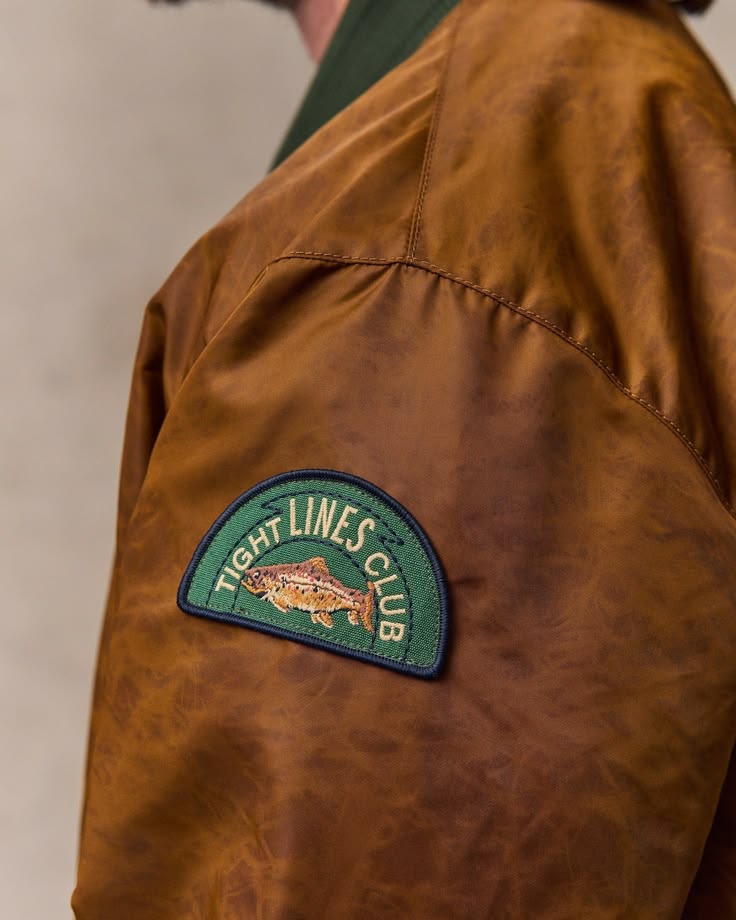
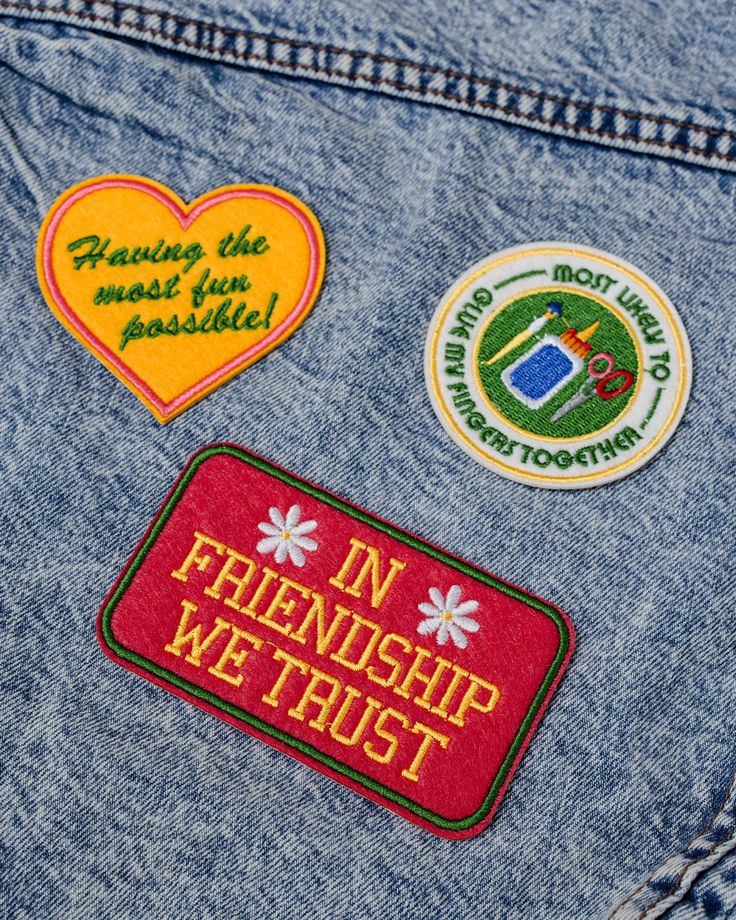
Use case: Detachable patches on jackets, jeans, and hats. Why it works: Encourages customization and self-expression, driving social media shares. Example: A denim brand includes a woven patch with every purchase, inviting customers to sew it anywhere.
Corporate Events & Trade Shows
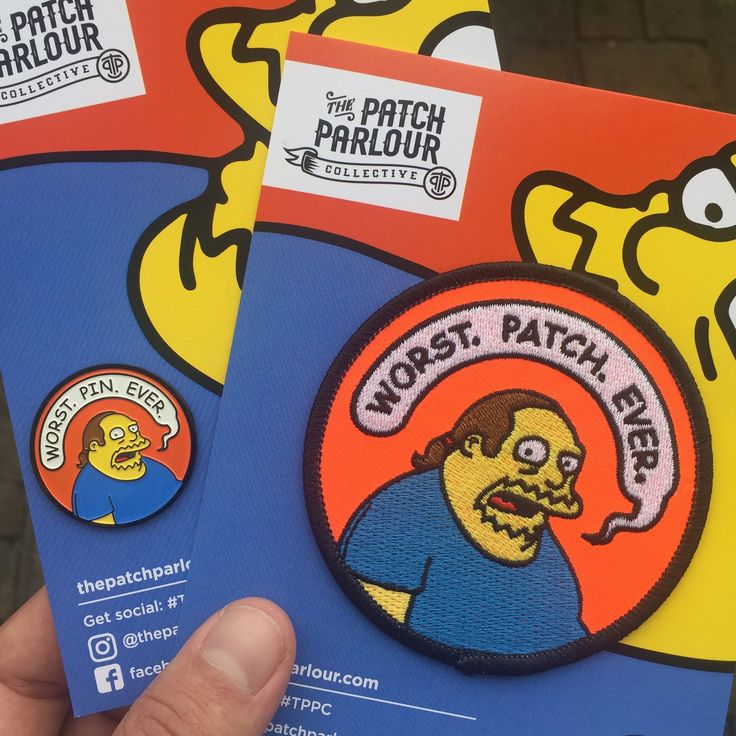
Use case: Limited-edition patches for attendees, speakers, or volunteers. Why it works: Creates collectible memorabilia that extends event visibility long after closing. Example: A tech conference designs dye-sublimated patches featuring each year's theme.
Sports & Recreation
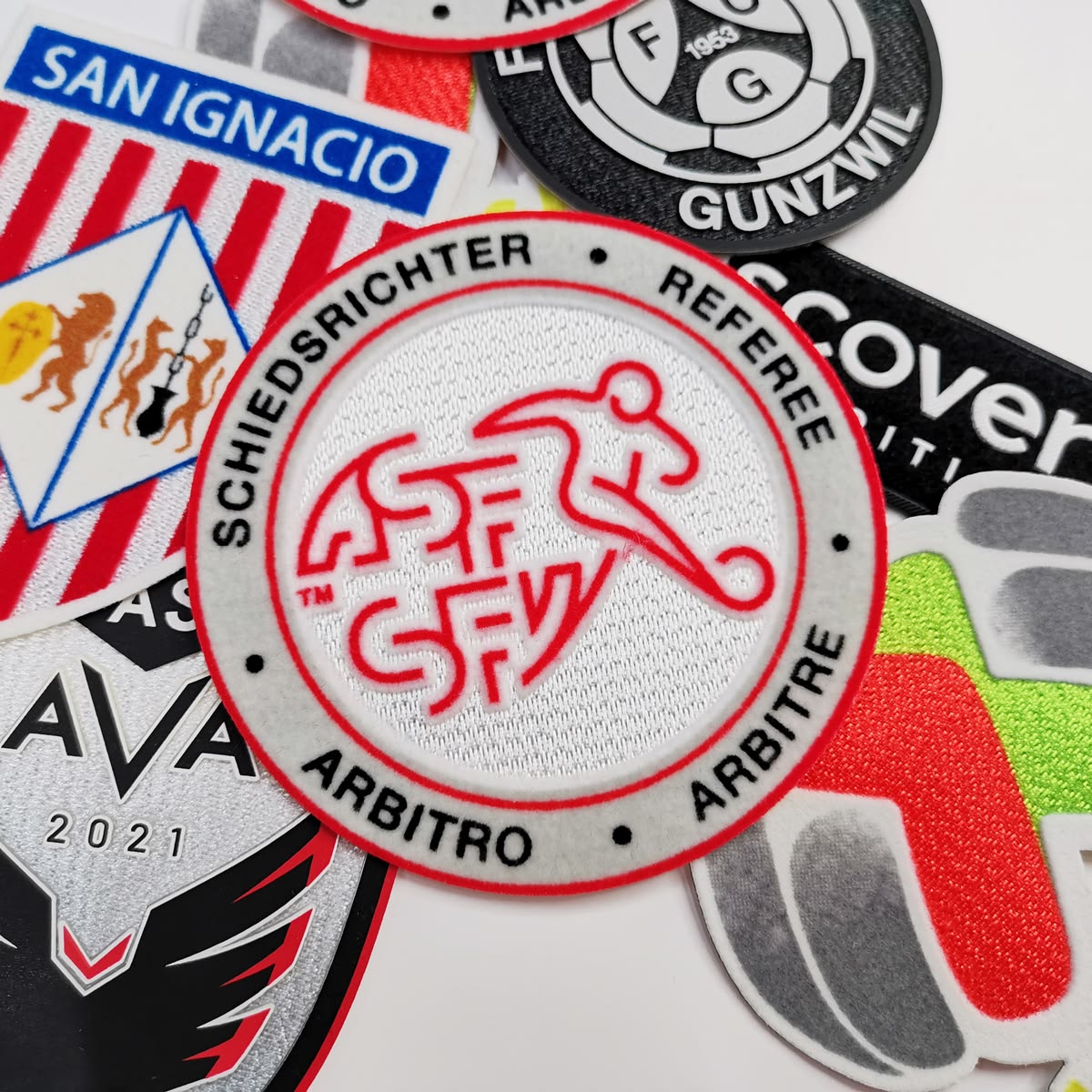
Use case: Team logos on jerseys, coach jackets, and fan merchandise. Why it works: Fosters community and allows affordable fan gear production. Example: A youth soccer league uses chenille patches for championship jackets.
How Custom Patches Are Made?
Understanding the production process helps businesses set realistic expectations for timelines, quality, and costs. While each patch type has unique steps, the general workflow follows this pattern:
Artwork Preparation
Your design (usually AI, EPS, or PDF format) is cleaned and optimized. For embroidered patches, every color becomes a separate thread; for woven patches, fine lines are preserved; for PVC, colors are mapped to solid pigments.
Digitization (for embroidered/woven)
Specialized software converts your artwork into a stitch file that tells embroidery machines where to place each needle penetration. This step requires human expertise—a poorly digitized logo will look distorted, no matter how good the machine.
Material Selection and Cutting
Based on your chosen patch type, materials are sourced: Embroidered: Twill backing + polyester or rayon threads; Leather: Genuine or synthetic hide, often laser-cut; PVC: Liquid polymer poured into molds.
Production
Embroidery machines stitch at speeds up to 1,000 stitches per minute. Woven looms interlace threads like fabric production. PVC molds are heated and cooled to set the rubber.
Border Trimming and Finishing
Patches are cut from larger sheets using Laser cutting (precise, seals edges), Die cutting (cost-effective for standard shapes), or Heat cutting (common for merrowed borders on embroidered patches).
Backing Application & Quality Inspection
The final production step adds the attachment method. Each patch is checked for loose threads, color accuracy, and shape consistency. Reputable manufacturers reject any patch that doesn't match the approved sample.
Typical lead time: 10–20 business days from artwork approval to delivery, depending on patch type and order volume.
Patch Backing Options Explained
Choosing the right backing determines how your patches will be used and how long they'll last. Below is a detailed comparison of the five main options.
| Backing Type | Attachment Method | Durability | Removal | Best Application |
|---|---|---|---|---|
| Sew-On | Stitched through fabric | Permanent | Difficult (requires seam ripper) | Uniforms, heavy jackets, bags |
| Iron-On | Heat-activated adhesive | Semi-permanent | Moderate (heat to remove) | Customer merchandise, DIY projects |
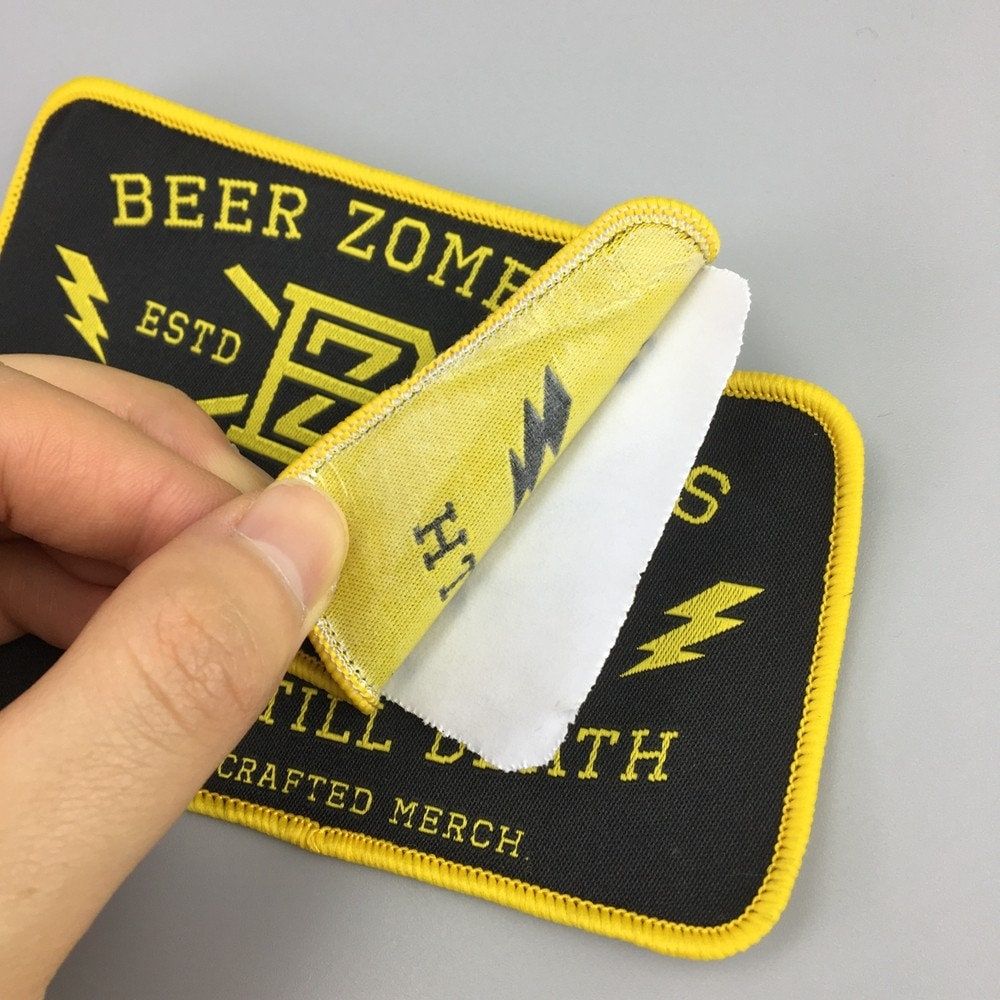
| Velcro (Hook & Loop) | Press-on with fabric strips | Removable | Easy (peel apart) | Tactical gear, badges that change often |
| Adhesive (Peel & Stick) | Pressure-sensitive glue | Temporary | Very easy | Events, samples, lightweight fabrics |
| Magnetic | Embedded magnets | Moderate | Easy | Office displays, removable branding |
Decision Framework for Businesses: For employee uniforms that require washing weekly → Sew-on (most durable). For retail merchandise sold to customers → Iron-on (easy for home application). For security or field staff who change roles → Velcro. For trade show giveaways → Adhesive. For desk or wall displays → Magnetic.
How to Choose Custom Patches for Your Business
Selecting the right custom patch involves balancing aesthetics, budget, durability, and application. Follow this step-by-step framework:
Define Your Use Case
Ask three questions: Where will the patch be attached? (Uniform, bag, hat, banner?) How often will the item be washed or worn? Should the patch be permanent or removable?
Match Patch Type to Design Complexity
Simple logo with 3–5 colors → Embroidered. Detailed illustration with gradients → Dye sublimated or woven. Need waterproof or 3D effect → PVC. Premium or vintage aesthetic → Leather or chenille.
Choose Your Backing
Refer to the backing options section. When in doubt, sew-on is the most versatile and durable option.
Determine Size and Shape
Minimum text size: 5mm for woven, 7mm for embroidered. Minimum detail line thickness: 1.5mm for embroidery, 0.5mm for woven. Recommended size range: 2–5 inches (badge size) or 1–2 inches (small logo).
Order a Sample First
Never commit to a large production run without seeing a physical sample. Colors, textures, and backing strength can look different in person than on a screen.
Compare Vendors on More Than Price
Look for digitization quality, minimum order quantities, turnaround time, and warranty (will they replace defective patches?).
Why Choose Custom Panda?
When selecting a custom patch manufacturer, you need a partner who combines technical expertise, design support, and business reliability. Custom Panda (custompanda.com) has emerged as a trusted name for organizations seeking premium patches without the typical headaches.
| Factor | Custom Panda Advantage |
|---|---|
| Design Assistance | Free digitization and artwork optimization—no hidden fees |
| Material Quality | Sources only commercial-grade threads, twill, and adhesives |
| Backing Options | All five types available (sew-on, iron-on, Velcro, adhesive, magnetic) |
| Minimum Order | Low MOQs starting at 50 pieces, ideal for small businesses |
| Turnaround | Standard 12 business days; rush options in 5–7 days |
| Quality Guarantee | 100% replacement for defects or color mismatch |
| Eco-Friendly Options | Recycled polyester threads and biodegradable backings available |
Who Uses Custom Panda? Startups needing affordable uniform branding, event organizers creating limited-edition memorabilia, fashion labels requiring small-batch production, and corporate teams ordering achievement patches for employees.
Proven result: Customers report that Custom Panda's pre-production proofs are accurate to within 95% of the final product—significantly higher than industry averages.
FAQ About Custom Patches
How much do custom patches cost?
Prices range from $0.50 to $5.00 per patch, depending on patch type (embroidered is cheapest; PVC and leather cost more), size (larger patches use more material), quantity (500+ pieces drop per-unit costs significantly), and backing type (iron-on and sew-on are similar; Velcro adds $0.20–$0.50).
What's the minimum order quantity (MOQ)?
Most manufacturers require 50–100 pieces. Some (like Custom Panda) offer 50-piece MOQs for embroidered patches. For PVC or leather, MOQs often start at 100.
How long do custom patches last?
With proper care: Sew-on patches last 5–10 years (outlasting the garment), iron-on patches last 2–5 years (adhesive degrades), PVC patches last 10+ years (virtually indestructible), and leather patches last 10+ years with conditioning.
Can I wash garments with patches attached?
Yes, with precautions: Sew-on patches can be machine washed cold and tumble dried low. Iron-on patches should be hand washed and kept out of dryers. Velcro patches should be removed before washing the garment. PVC patches can be machine washed warm but never ironed directly.
What file format should I send to the manufacturer?
Vector files (AI, EPS, PDF) are ideal because they scale without losing quality. High-resolution PNG or JPG (300 DPI or higher) is acceptable but may require cleanup.
Final Thoughts
Custom patches represent a rare intersection of tradition and innovation—an ancient craft (embroidery) meeting modern branding needs. For businesses willing to invest in thoughtful design and quality manufacturing, patches deliver unmatched longevity and emotional connection. Whether you're outfitting a 10-person food truck crew or creating merchandise for a 10,000-attendee conference, the right patch tells your story stitch by stitch.
Ready to start? Begin by sketching your design, identifying your use case, and requesting samples from 2–3 manufacturers. And remember: the cheapest patch often costs more in the long run through replacements and poor brand perception. Choose quality, choose clarity, and let your brand be seen.

