
th
How Custom Patches are Made?
Have you ever ordered patches that peeled after a few washes, faded in the sun, frayed at the edges, or simply looked unprofessional? This is a common frustration, and it usually happens because the buyer isn't familiar with how custom patches are made. The truth is, creating a high-quality patch involves careful design, specialized machinery, precise stitching techniques, and materials chosen for specific environmental conditions. Understanding this process is the key to getting durable, sharp-looking patches that perfectly meet your needs—whether for a sports team, military unit, motorcycle club, or fashion brand. This guide will walk you through every step, explain common pitfalls, and help you make informed decisions that save time, money, and disappointment.
What Are Custom Patches?
Custom patches are decorative or informational emblems made from various materials, designed to be attached to clothing, bags, hats, uniforms, or tactical gear. They are more than simple logos; they are versatile tools for branding, identification, recognition, and personal expression. While most people think of traditional embroidered fabric patches with a merrowed (overlocked) border, modern options include Custom PVC Patches, Custom Chenille Patches, Custom Leather Patches, woven patches, and more—each with unique physical properties, durability characteristics, and visual effects suitable for different applications.
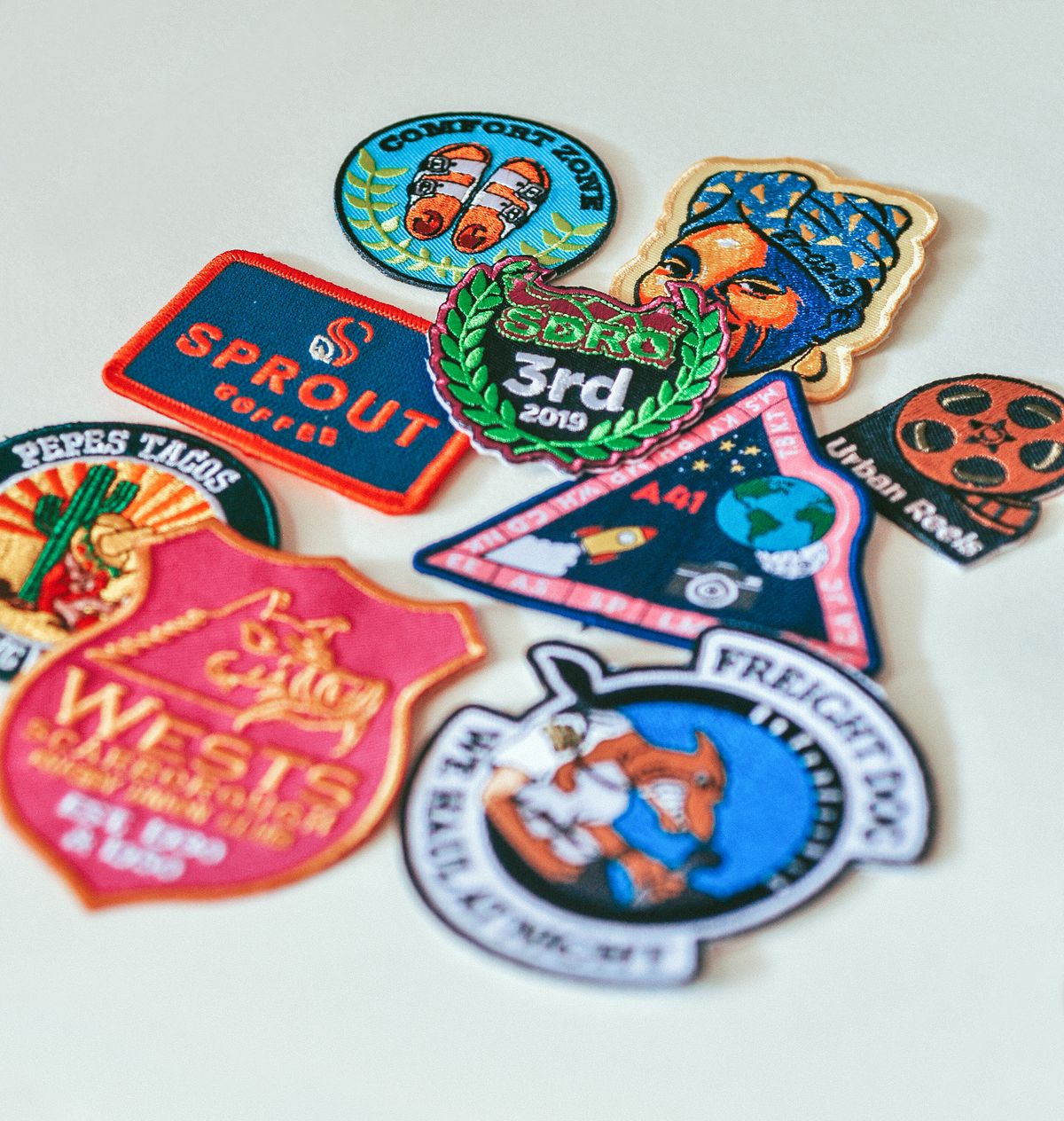
A custom patch typically consists of three layers: the face layer (visible design, made of thread, PVC, leather, or fabric), the backing layer (adhesive or hook-and-loop for attachment), and sometimes a middle stabilizer (for embroidered patches to prevent wrinkling). The quality of each layer directly impacts the patch's lifespan and appearance.
Functions and Uses of Custom Patches
Custom patches serve multiple practical and decorative purposes across different industries and communities:
Branding & Corporate Uniforms: Businesses use Custom Clothing Patches or Custom Embroidery Patches to display logos on staff uniforms, creating a professional, cohesive brand image.
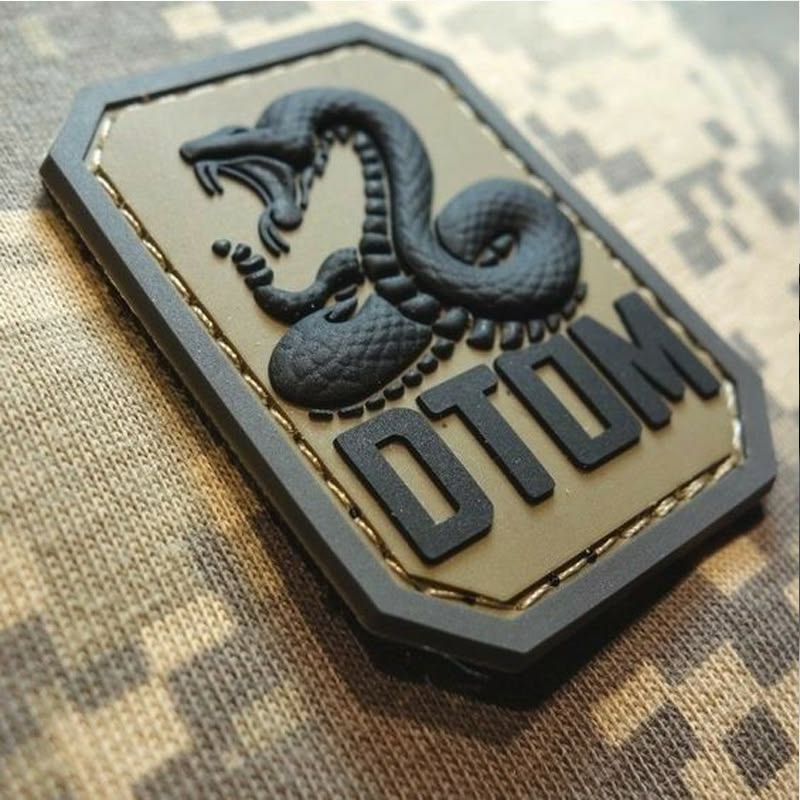
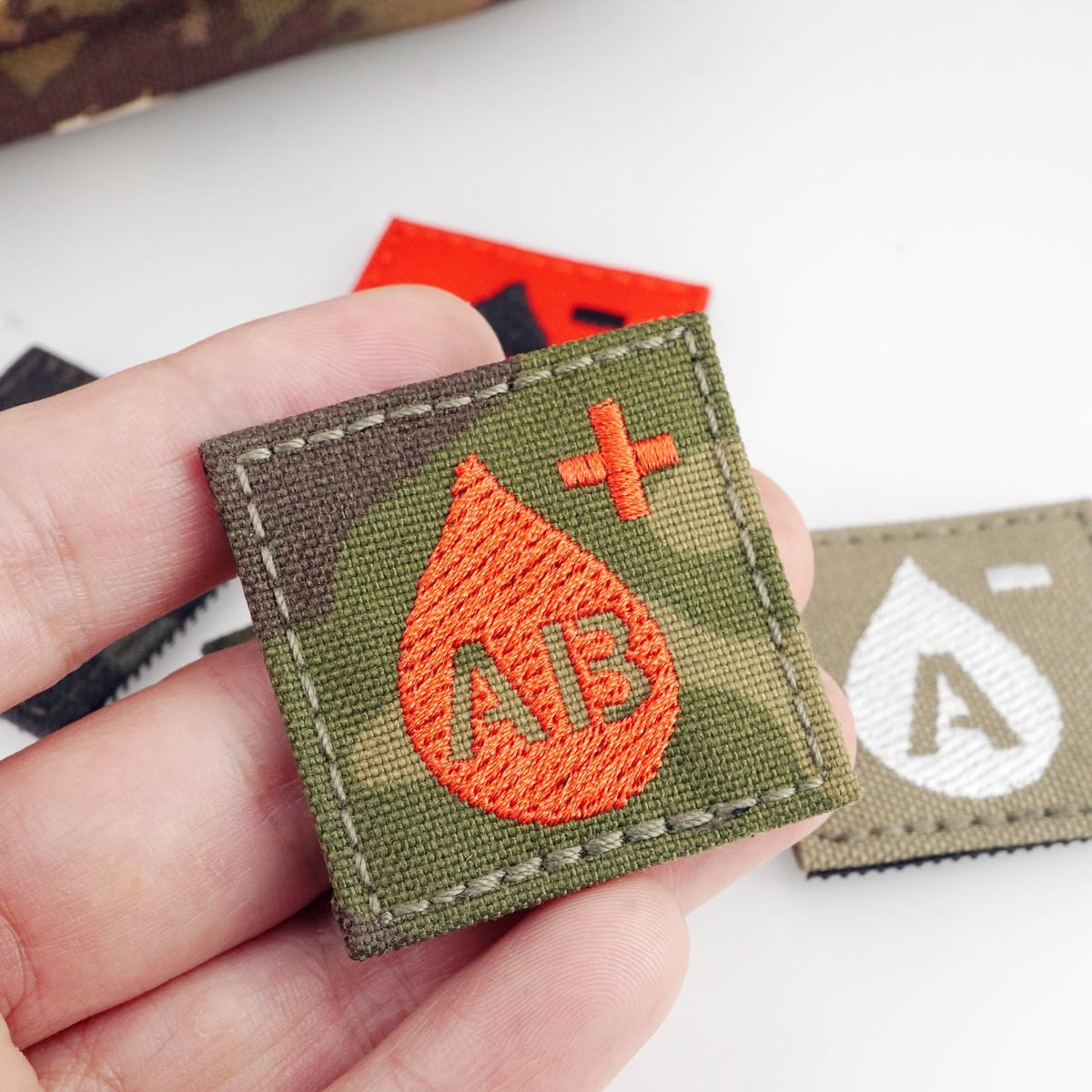
Military & Tactical Applications: Custom Military Patches are essential for unit identification. They almost always use Custom Velcro Patches for quick attachment and removal.
Sports Teams & Athletic Clubs: Teams use Custom Hat Patches, Custom Name Patches, and Custom Chenille Patches on varsity jackets to foster team spirit.
Motorcycle Clubs & Biker Gangs: Rocker-style patches are traditionally Custom Embroidered Patches with Custom Sew On Patches backing for permanent attachment to leather.
Promotional Events & Giveaways: Custom Iron On Patches are popular for concerts and brand activations.
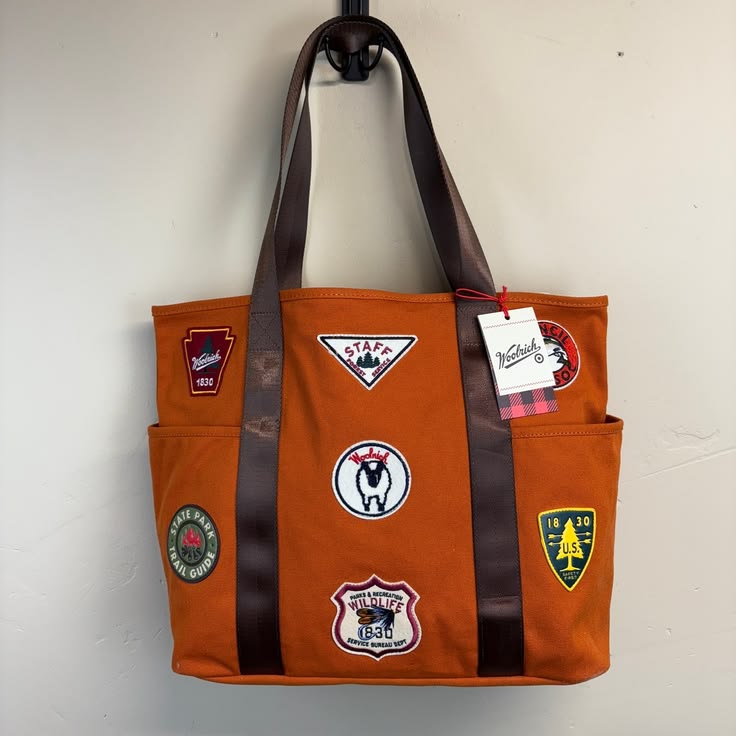
Fashion & Personal Expression: From Custom Leather Patches on jeans to Custom PVC Patches on backpacks.
Scouts & Youth Groups: Badges for achievements need to withstand outdoor activities — Custom Embroidered Patches with sew-on backing are standard.
How Are Custom Patches Made?
Step 1: Design File Creation – The Foundation
Every patch begins with a digital artwork file. Designers use specialized embroidery digitizing software to convert your 2D logo into a stitch-by-stitch digital file. During digitizing, decisions about stitch direction, stitch density, underlay stitches, color sequence and pull compensation directly affect final quality.
Step 2: Choosing the Correct Patch Type – Match Material to Purpose
| Patch Type | Key Features | Durability | Best Applications | Limitations |
|---|---|---|---|---|
| Custom Embroidered Patches | Raised thread texture, classic look | High – 5+ years | Uniforms, clubs, vests | No gradients, small text under 5mm |
| Custom PVC Patches | Rubbery, waterproof, 3D shapes | Very high (outdoor life) | Tactical gear, rain jackets | Cannot be ironed on |
| Custom Leather Patches | Natural grain, premium | High | Hats, jeans, bags | Limited colors, higher cost |
| Custom Chenille Patches | Soft fluffy pile, vintage | Medium | Varsity jackets, retro wear | Not for detailed logos |
| Custom Woven Patches | Smooth, ultra-fine detail | Medium | Complex logos, small text | Thinner, prone to fraying |
| Custom Velcro Patches | Hook-and-loop modular | Depends on face | Military gear, backpacks | Not permanent |
Step 3: Material & Machine Preparation
Manufacturers prepare fabric bases (twill, felt), polyester/rayon threads, or PVC compounds. Computerized multi-head embroidery machines or PVC injection molds bring designs to life.
Step 4: Embroidery or Molding Techniques
Stitch types: satin stitch (borders), fill stitch (large areas), bean stitch, and 3D puff embroidery. Edge finishing: merrowed border (classic overlock) or laser-cut border (precision, custom shapes). For PVC, liquid color is injected into molds and heat-cured.
Step 5: Adding the Correct Backing
| Backing Type | Best For | Key Consideration |
|---|---|---|
| Custom Iron On Patches | Cotton/denim, DIY projects | Avoid nylon/leather, may peel after many washes |
| Custom Velcro Patches | Military, bags, modular use | Removable, needs loop side sewn on garment |
| Custom Sew On Patches | Heavy-use uniforms, leather, denim | Most permanent, requires stitching |
Step 6: Quality Control and Packaging
Each patch is inspected for color accuracy, stitch integrity, edge finish, and backing adhesion. Patches are packaged flat to prevent creasing, and bulk orders use tissue layers to avoid scratching.
Common Mistakes When Ordering Custom Patches and How to Avoid Them
How to Choose the Right Backing?
Removable & reattachable? → Custom Velcro Patches
Permanent & can sew? → Custom Sew On Patches
DIY on cotton/denim? → Custom Iron On Patches
Never iron-on on leather, nylon, or vinyl.Special case for military/tactical gear: Always Velcro. Special case for leather: Only sew-on or Velcro (loop sewn to leather).
Comparison of Common Patch Types
Raised texture, classic. Ideal for uniforms & clubs. $
Waterproof, 3D molded. Outdoor/tactical. $$$
Smooth, fine details, small text. $$
Premium rustic, hats & jeans. $$$
Fluffy, varsity jackets. $$
Backing matters: modular, DIY or permanent.
For customers looking to test designs or order smaller quantities, we offer Custom Patches No Minimum – a flexible, low-risk way to get professional-quality patches without committing to large production runs.
Why Understanding the Process Matters
Reason 1: Avoid costly mistakes (iron-on + nylon = disaster).
Reason 2: Communicate precisely with your supplier.
Reason 3: Evaluate supplier quality (polyester thread? underlay stitches?).
Reason 4: Set realistic expectations about embroidery limits.
Real-World Example 1: Soccer team jerseys (polyester) → Custom Sew On Patches not iron-on.
Example 2: Military unit → Custom PVC Patches + Velcro backing.
Example 3: Coffee roastery with detailed logo → Custom Woven Patches + sew-on backing.
Conclusion
Custom patches are far more than fabric and thread. By understanding the 6-step process, avoiding common mistakes, and matching patch types to your application, you ensure patches that look professional and last. Key takeaways: match type to environment, choose backing based on use, respect material limitations, and always request a digital proof.
FAQ
Why Choose Custom Panda?
At Custom Panda, we provide tailored solutions with unmatched quality and service. From Custom Embroidered Patches, Custom PVC Patches, and Custom Leather Patches to Custom Chenille Patches, we do it all. We offer flexible options including Custom Patches for Hats, Custom Name Patches, and Custom Patches No Minimum—order as few as 1 patch for samples or personal projects. Our expert team helps you choose the right backing (Custom Iron On Patches, Custom Velcro Patches, or Custom Sew On Patches) based on your garment material and use case. Every patch undergoes strict quality control, and we provide a free digital proof before production so you know exactly what you're getting.
Ready to create your perfect patch? Browse our selection—Custom Patches Near Me (we ship worldwide)—or contact us directly for a free quote. Send us your artwork, tell us your quantity and backing preference, and we'll reply within 24 hours with pricing and a free digital proof. Let Custom Panda bring your design to life with quality, expertise, and care.

