
th
How to Make Professional Soap Labels: A Complete 10-Step Guide
What Is a Professional Soap Label?
A professional soap label is much more than a decorative sticker. It serves three critical roles: legal compliance, brand identity, and customer communication. A well-designed label transforms a handmade bar of soap into a market-ready product that inspires trust.
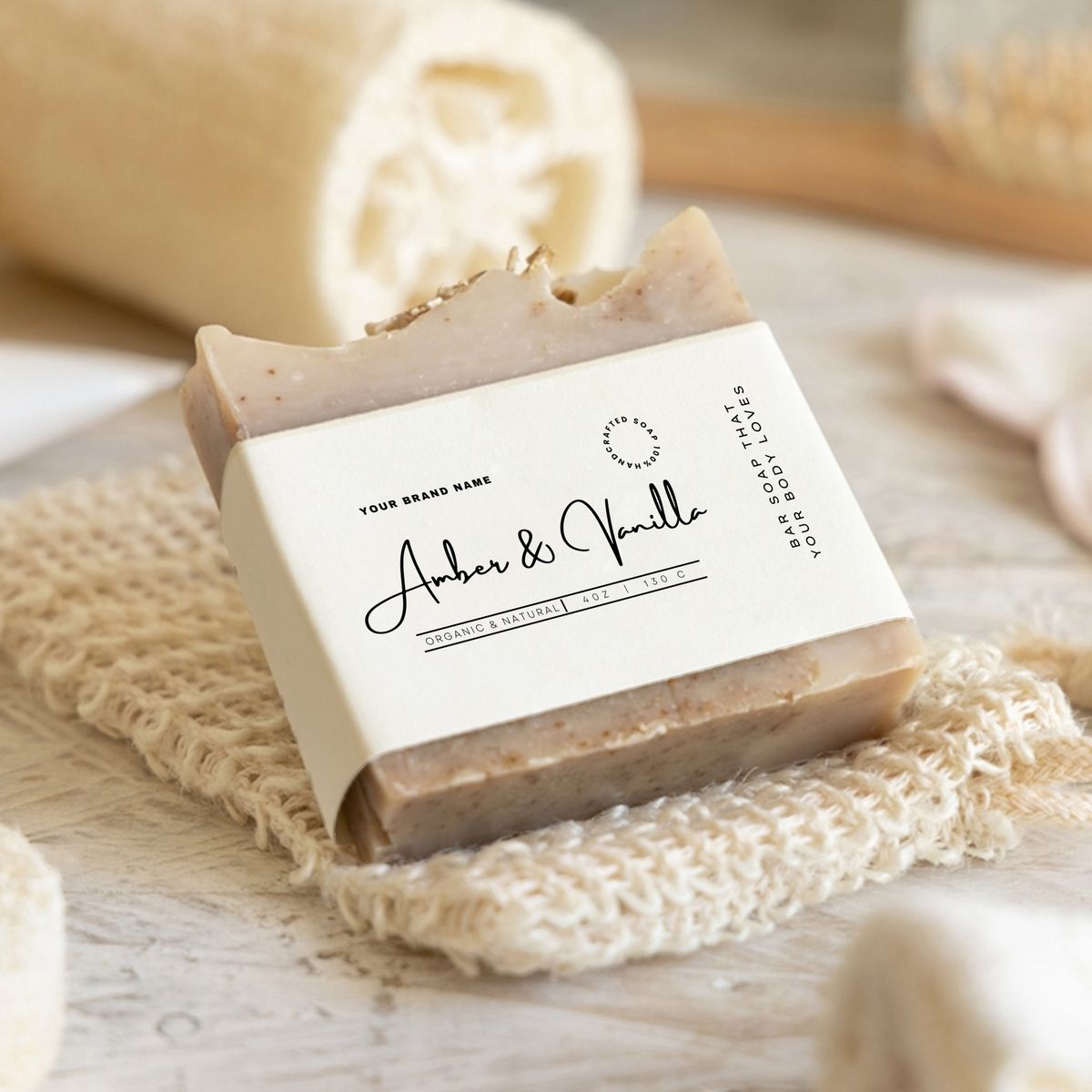
The three pillars of a professional label:
Legal compliance: Includes required elements like net weight, ingredient declaration, business address, and safety warnings.
Brand identity: Colors, typography, and finish quality communicate your brand's personality at first glance.
Customer communication: Answers key questions: What is this soap? What does it smell like? Who made it?
What separates professional from amateur labels? Professional labels have sharp text, complete legal information, durable materials that resist moisture, consistent design across product lines, and clean printed batch codes. Amateur labels often suffer from blurry printing, missing information, paper that wrinkles or peels, and inconsistent branding.
Classification of Soap
Before designing any label, you must determine what kind of soap you are making. This single decision determines which regulations apply and what information your label must include.
True Soap: Made from fats or oils and alkali (lye). Its sole function is cleansing. Regulated by the CPSC (Consumer Product Safety Commission). Labeling requirements are minimal: product name, net weight, and manufacturer address. An ingredient list is not legally required, though many sellers include it voluntarily. Key restriction: You cannot make any claims about moisturizing, softening, or other skin benefits.
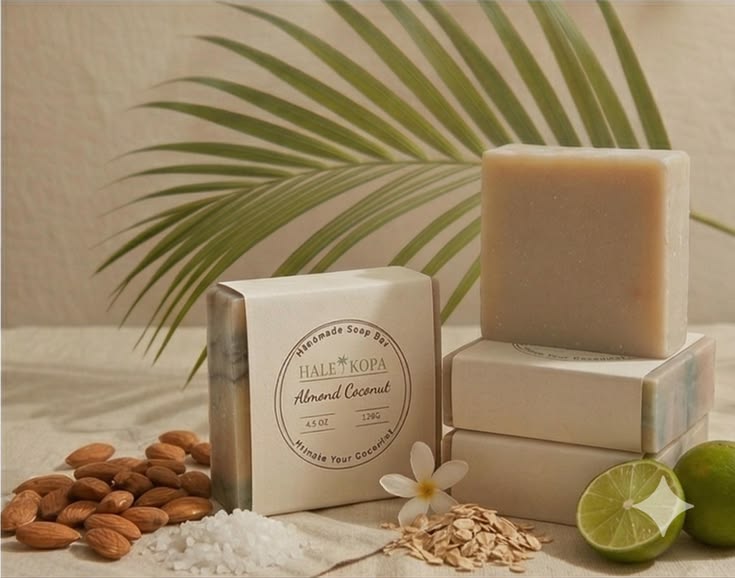
Cosmetic Soap: Contains added fragrances, moisturizers, exfoliants, or makes claims about altering the skin's appearance. Regulated by the FDA as a cosmetic. Labeling requirements are strict: product name, net weight, business address, and a complete ingredient list in descending order of predominance. If you claim moisturizing or exfoliating benefits, you must follow cosmetic rules.
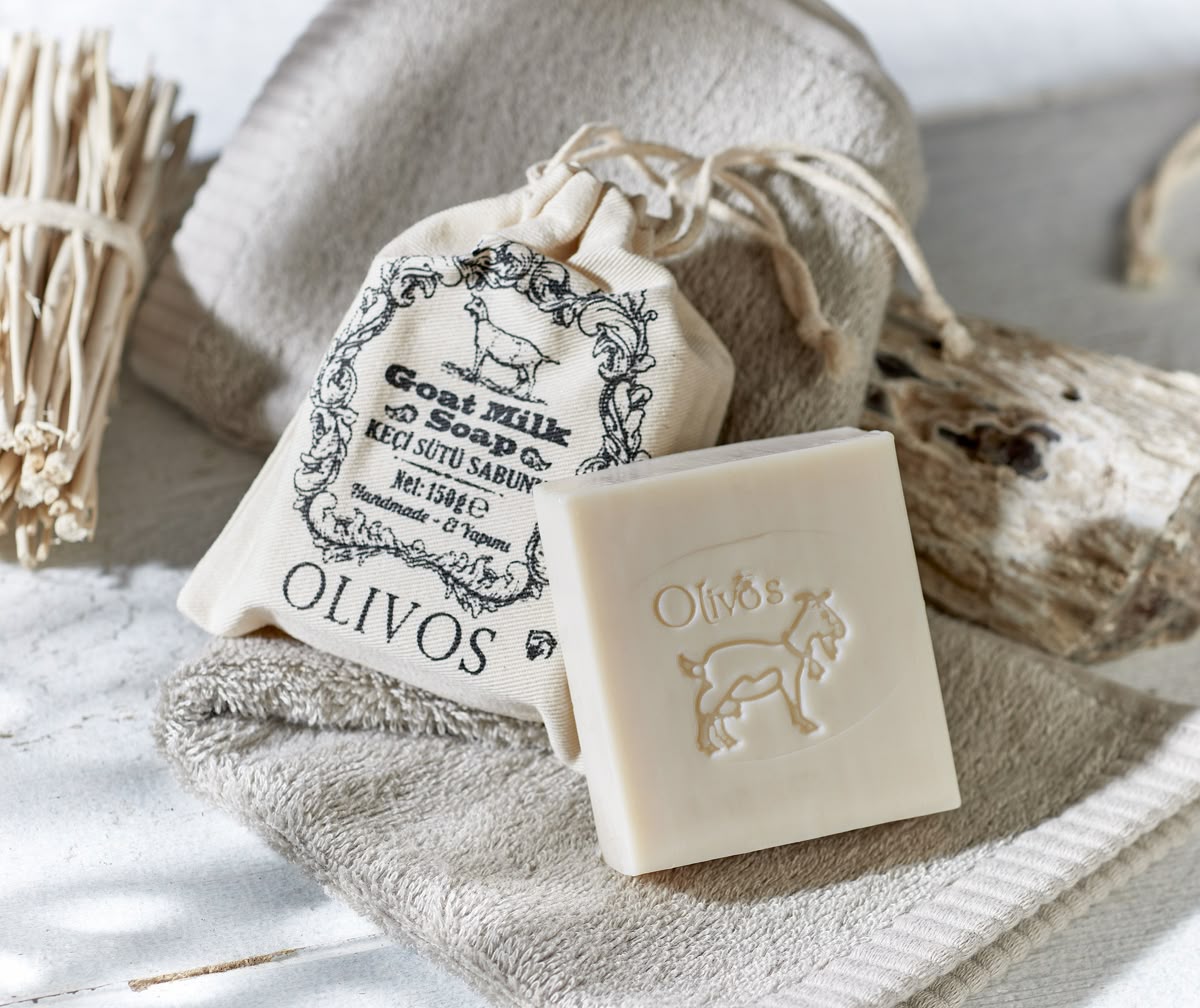
Why this matters for your label design: A cosmetic soap label must reserve significant space for the ingredient list, which can run to several lines of small text. This affects label size, font size requirements, and overall layout complexity.
Key Features of a Compliant Soap Label
A compliant label meets both legal standards and industry best practices. Here are the essential elements:
Product name: Must accurately represent the product and be the most prominent text.
Net weight: Expressed in both metric and imperial units. Must appear on the front panel's lower third.
Manufacturer information: Business name and street address (P.O. boxes alone are generally not accepted).
Ingredient declaration (cosmetic soap only): Listed in descending order of predominance. Use INCI names where applicable.
Strongly recommended elements:
Scent or variant name: Helps customers distinguish between products.
Warnings: "For external use only," "Avoid contact with eyes," etc.
Batch code: Essential for quality control and potential recalls.
Handmade notes: Optional but adds authenticity for artisanal brands.
How to Organize Information on the Label
Customers typically spend only 3-5 seconds looking at a soap label before making a purchase decision. Good organization helps them find what they need quickly.
The three-zone labeling system:
Zone 1 (Front label, top 70%): Brand logo, product name, scent/variant name.
Zone 2 (Front label, bottom 30%): Net weight statement (required by law).
Zone 3 (Back or side label): Full ingredient list, business address, warnings, batch code.
By label type: Wrap label (covers entire bar), band label (very limited space), liquid soap bottle, etc.
Typography guidelines: Body text minimum 6-7 points. Use sans-serif fonts for ingredient lists. Ensure high contrast (dark text on light background). For cosmetic soaps, the ingredient list must be legible – typically minimum 1/32 inch type height.
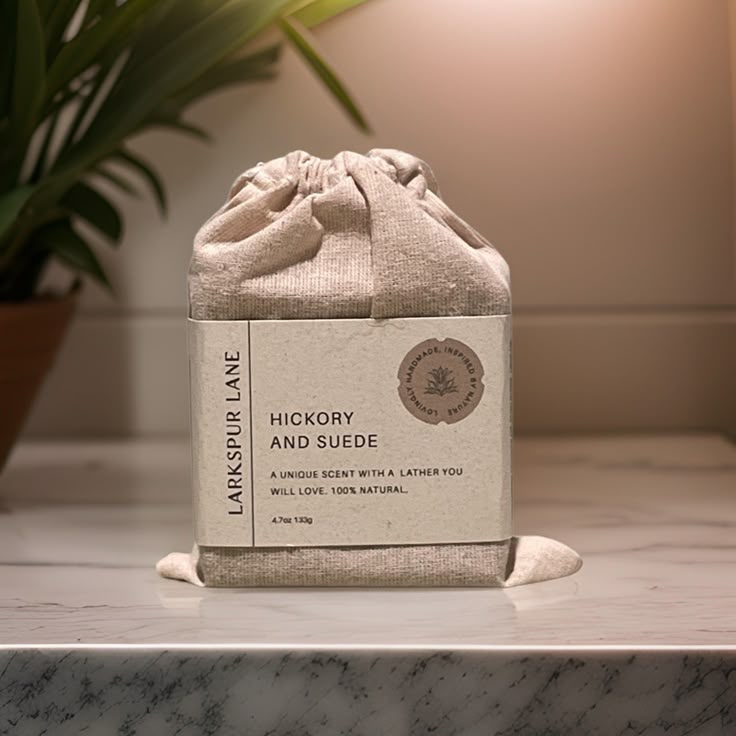
Features of Durable Label Materials
Soap is one of the most challenging products to label. Understanding material science will save you from peeling, wrinkled, or stained labels.
The five challenges soap creates: Post-cure shrinkage, oil migration, humidity, physical handling, fragrance oil staining.
| Material | Water Resistance | Oil Resistance | Best Use Case |
|---|---|---|---|
| Standard Paper | None | None | Not recommended |
| BOPP (polypropylene) | High | Medium | General soap labeling |
| Waterproof Vinyl | Very High | High | Humid environments, liquid bottles |
| UV DTF Transfer | Very High | Very High | Premium, no-background look |
Testing protocol: Apply labels to fully cured soap (minimum 4 weeks old). Store in a warm bathroom for 7 days. Run one bar under warm water and rub gently. If the label shows no edge lifting, staining, or peeling, it is suitable.
How to Design the Visual Look of Soap Labels
Visual design attracts the right customers and supports premium pricing. Shape selection by soap type: bar soap, round soap, liquid bottles, jars/lids.
Wrap Labels
Maximum space, full coverage branding
Bar soapsBand Labels
Minimalist & modern
Artisan barsRound / Scalloped
Follows natural round shape
Round soapsTall Rectangle
Ideal for liquid soap bottles
Bottles & jarsFinish options: Matte finish (natural/organic), Glossy finish (modern/vibrant), Kraft paper (eco-friendly), Clear/BOPP (minimalist).
Color psychology: Different colors trigger different associations. Purple suggests lavender, green suggests cucumber or natural ingredients, yellow suggests citrus. Using these conventions helps customers quickly identify the product.
How to Print Soap Labels: Methods & Options
The printing method you choose determines color accuracy, durability, and cost per label.
| Method | Best For | Pros | Cons |
|---|---|---|---|
| Home Inkjet | Prototyping only | Low upfront cost | Not waterproof, fades quickly |
| Commercial Digital | 500-10,000 labels | Excellent color, variable data | Higher per-label cost |
| UV DTF | Any quantity, premium finish | Oil-proof, no background, durable | Manual application |
| Flexographic | 50,000+ labels | Lowest per-label cost | High setup cost |
Pre-press checklist: Convert images to CMYK, add 1/8 inch bleed, keep text inside cut line, 300 DPI, convert fonts to outlines.
Always request a hard proof for your first order with any new printer. A physical sample reveals color accuracy, material feel, and text legibility that a screen cannot show.
Conclusion: Step-by-Step to Make a Professional Soap Label
Phase 1: Pre-Design
1. Classify your soap (true soap vs. cosmetic soap)
2. List all mandatory label elements based on classification
3. List optional elements (scent, batch code, warnings)
Phase 2: Design & Layout
4. Choose label type based on your packaging (wrap, band, front-only, etc.)
5. Create three-zone layout: front top (branding), front bottom (net weight), back (details)
6. Select typography: 6-7 point minimum, sans-serif for ingredients
7. Choose finish and material (BOPP, vinyl, or UV DTF)
Phase 3: Printing
8. Select printing method based on volume
9. Prepare print-ready files with proper bleed and resolution
10. Order a hard proof and test on a cured soap bar
Phase 4: Application
11. Wait for soap to fully cure (4-6 weeks for cold-process)
12. Ensure soap surface is clean, dry, and oil-free
13. Apply labels carefully, center outward to avoid bubbles
14. Test one labeled bar in bathroom conditions for 7 days
Following this process will eliminate common labeling failures and produce a professional result that survives from your workshop to your customer's bathroom.
Custom Panda: Professional Custom Soap Labels Supplier
When you are ready to print high-quality soap labels, choosing the right partner makes all the difference. Custom Panda specializes in designing and producing premium customized products, including Custom Pins, Custom Patches, and Custom Labels.
We are Your Trusted Partner for Premium Custom Creations. Our mission is to help soap makers present their products with professional-grade labels that stand out.
Whether you need waterproof vinyl, UV DTF transfers, or eco-friendly options, Custom Panda provides end-to-end solutions – all designed, produced, and quality-checked in-house.
FAQ about Making Professional Soap Labels
Q1: Do I legally need to list every ingredient on my soap label?
A: It depends on your soap classification. True soap (cleansing only) is not required to list ingredients, though it is recommended. Cosmetic soap (with moisturizing or skin benefit claims) must list all ingredients in descending order of predominance.
Q2: Can I use regular paper labels for handmade soap?
A: No. Paper absorbs moisture from bathroom humidity and oils from the soap, leading to wrinkling, peeling, and staining. Use waterproof vinyl, BOPP, or UV DTF materials.
Q3: How long should I wait before labeling freshly made soap?
A: Wait until the soap has fully cured – typically 4 to 6 weeks for cold-process soap. Labeling too early causes wrinkles as the soap shrinks.
Q4: What is the best label shape for round soap bars?
A: Round or scalloped labels work best because they follow the natural shape of the soap. Rectangle labels can also work if they are small and centered.
Q5: How can I test if my label material is oil-resistant?
A: Apply a few drops of soap-making oil onto a sample label. Leave for 24 hours, then wipe. If the label shows staining, adhesive weakening, or peeling, it is not sufficiently oil-resistant. Quality vinyl and UV DTF labels pass this test with no visible damage.

