

Choose Custom Jar Labels for Honey, Jam, and Sauces
A packaging order can look correct on a screen and still fail once jars reach a chilled shelf, a hot filling line, or a customer’s kitchen. Buyers often focus on artwork first, then discover too late that the label wrinkles around a tapered jar, absorbs oil from a sauce residue, or releases after condensation forms. Those are expensive avoidable problems.
For food and beverage brands, Custom Jar Labels must be specified around the product, container, filling conditions, storage environment, and application process. A honey label has different risks from a refrigerated jam label. A chili oil sauce jar creates different demands again. The right order brief makes supplier quotes comparable and gives production teams enough information to recommend a workable material and adhesive combination.
At custom panda, label production is supported by an ISO 9001:2015 Quality Management System Certified facility with an 8,000 m² production area, six production lines, and six HP digital label presses. We also provide photo or digital sample confirmation before production, which matters when brand color, clear material opacity, or label placement needs formal approval before a larger order proceeds.
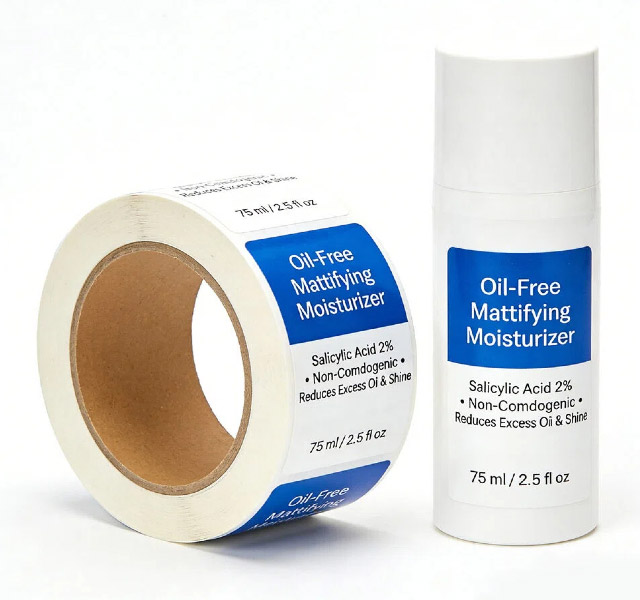
Build the RFQ around the conditions that can damage the label
Conclusion: send product and process details with the artwork instead of requesting a generic “waterproof label.” The reason is simple: water exposure, condensation, oil contact, heat, and curved glass do not affect every construction in the same way. A material that suits a dry pantry jar may not be the right choice for a cold jam jar or an oily sauce container.
This approach fits first-time food brands, contract packers, and established buyers changing either jar suppliers or filling methods. It does not replace validation on the actual production line. If your product is filled hot, stored cold, or handled in an environment with frequent moisture, confirm the proposed construction using production jars and representative conditions before committing to the full run.
Information to provide before requesting pricing
- Jar material and finish: State whether the container is glass, plastic, coated metal, or another substrate. Smooth glass jar labels usually apply differently from labels placed over surface texture, embossing, or seams.
- Container geometry: Supply the straight label panel height, circumference, taper, shoulder shape, lid dimensions, and any recessed area. A full wrap label on a tapered vessel can skew or wrinkle even when the artwork is correct.
- Product contact risks: Identify honey stickiness, fruit acids, sugar residue, oil, grease, sauce splashing, or other likely contamination. This tells the supplier where adhesive and finish selection require added attention.
- Filling and storage conditions: State whether jars are filled warm, moved through a cooler, refrigerated, frozen, or stored at ambient conditions. Condensation can interfere with adhesion if labels are applied to cold or damp surfaces.
- Application method: Explain whether labels will be hand applied, applied by a semi-automatic machine, or placed on an automated line. Roll direction, label gap, core format, and dispenser requirements must match the equipment.
- Compliance copy: Provide final ingredient, nutrition, barcode, batch, date, and warning information. Do not approve print files while regulated or operational copy remains provisional.
For a broad product range or several seasonal variants, custom labels printed in bulk can help consolidate specifications under a consistent print standard. That is useful when one brand needs front labels, lid seals, promotional stickers, and shipping identification at the same time. It is less suitable when each item has materially different cold, oil, or application exposure and should be quoted independently.
A product by product sourcing checklist matching jar contents, container shape, and application method to label specifications
Conclusion: match label construction to the actual use case, not merely to the jar category. The same round glass jar can need different materials and adhesives when it holds honey, refrigerated jam, or an oil-rich sauce. The table below turns that decision into an RFQ checklist and explains the risk behind every line.
| Product and use condition | Container shape | Application method | Recommended specification focus | Why the check matters | Limit or exception |
|---|---|---|---|---|---|
| Honey in pantry storage | Straight sided glass jar | Hand application | Paper or film face stock, permanent adhesive, front and lid label sizing, writable area if batch details are added later | Honey residue can transfer from hands or the jar rim during filling and packing. The label must remain clean looking and readable through normal handling. | Paper may suit a dry premium presentation, but it is not the first choice if jars will be chilled, frequently wiped, or exposed to moisture. |
| Honey gift sets | Hexagonal or faceted jar | Hand application | Separate front panel label, smaller side information label, foil option, placement guide | A wide wrap around label can bridge corners and create lifting or uneven contact. Separate labels keep key brand artwork on the flattest panel. | This adds more application steps, so it may not suit high volume lines without a clear placement process. |
| Refrigerated fruit jam | Round glass jar with curved shoulder | Semi automatic or automated application | Film construction, moisture resistant finish, adhesive suitable for clean dry application surfaces, roll format matched to equipment | Condensation is a common reason labels release in cold storage. Curved shoulders also make an oversized label more likely to wrinkle. | Even a moisture resistant choice can fail if applied over visible water, fruit residue, or dust. |
| Jam with frequent batch changes | Straight sided jar | Hand application | Digital printing, short run flexibility, space for variable batch information, proof approval process | Many flavors can require smaller quantities per design. Digital printing can suit custom items with no MOQ according to the production brief. | Standard offset bulk items have a 1,000-unit minimum, so compare the method against total quantities before selecting it. |
| Oil rich chili sauce | Cylindrical glass jar | Automated application | Film face stock, oil resistant surface consideration, permanent adhesive, scuff resistant finish, roll direction confirmation | Oil residue can affect appearance and adhesion around the neck and body. Machine compatibility also depends on the correct roll setup. | Material selection does not compensate for jars arriving at the label station with oil on the application panel. |
| Table sauce for retail shelves | Tapered jar or wide shoulder jar | Automated application | Shorter body label height, panel measurement, curvature review, durable print finish | A label extending into a changing diameter area can crease or lift. Using only the straightest panel reduces that risk. | A full body visual may require a container change, a smaller label, or a different decoration approach. |
| Premium sauce gift jars | Straight sided glass jar | Hand application | Matte finish or foil stamping, color approval, protective lamination where handling is heavy | Premium effects can strengthen shelf presentation, but rubbing and repeated handling can affect unprotected surfaces. | Foil and specialty finishes should be reviewed against the artwork and intended handling rather than selected only from a digital mockup. |
For food products that may encounter wet handling, start your comparison with waterproof food labels for packaging. For jars that contain oil based sauces or dressings, review oil resistant jar labels as part of the sourcing discussion. These are useful starting points, not substitutes for testing your filled jar, application surface, and supply chain conditions.
Choose face stock and finish by exposure rather than appearance alone
Conclusion: use paper when the product stays dry and the desired brand look supports it; use a synthetic film option when moisture, refrigeration, frequent wiping, or oil exposure is expected. This recommendation fits most honey, jam, and sauce packaging briefs because it starts with the handling risk. It does not mean film is automatically better for every project. A dry pantry product with a natural positioning may benefit from a paper based look if its handling conditions allow it.
| Option | Best fit | Decision benefit | Risk to control | When not to choose it |
|---|---|---|---|---|
| Matte paper labels | Dry shelf stable honey or jam products with a natural, handcrafted presentation | Supports a softer, less reflective visual direction and can provide a surface for handwriting where the selected stock allows it | Moisture, refrigeration, and repeated wiping can reduce the desired appearance or durability | Avoid as the default for cold, wet, or oil exposed supply chains without confirming protection requirements |
| Glossy paper labels | Dry retail jars needing stronger color impact | Provides a polished appearance for graphics and product photography | Gloss alone does not establish moisture or oil resistance | Do not assume it will suit damp storage merely because it looks coated |
| BOPP film labels | Jam jars, sauces, and other products likely to face moisture or frequent handling | Useful film choice to discuss for durable food packaging applications; BOPP lamination is available in our label production | Clear versions need adequate white ink beneath artwork when opacity is required | Do not select clear film if you need to hide a dark product, uneven fill level, or irregular container surface |
| Clear BOPP labels | Minimal packaging designs where the jar and product color should remain visible | Creates a reduced label look without fully covering the container | Weak white ink can make logos look washed out on clear substrates | Not appropriate when copy must remain highly opaque over dark sauces or visually busy product contents |
| Matte film with lamination | Premium sauces, spreads, and gift lines exposed to regular handling | Balances a restrained finish with added surface protection | Confirm that the selected finish remains compatible with all required small text and barcode scanning needs | It may be unnecessary for a low handling, dry pantry product with a simple paper label requirement |
Finish is not just an aesthetic choice. BOPP lamination, UV resistant inks, and custom foil stamping colors are available options in our label range. Use them where a real product or shelf condition justifies the added specification. For example, a sauce intended for high handling may benefit from a protective approach, while a short seasonal honey run may prioritize speed and a simpler construction.
Clear materials need special care in the artwork stage. If white graphics or pale brand colors are printed on a transparent substrate, specify where an opaque white underprint is needed. Otherwise, the contents and glass can alter the intended color. This is particularly relevant for clear custom bopp labels placed over amber honey, dark sauces, or fruit preserves.
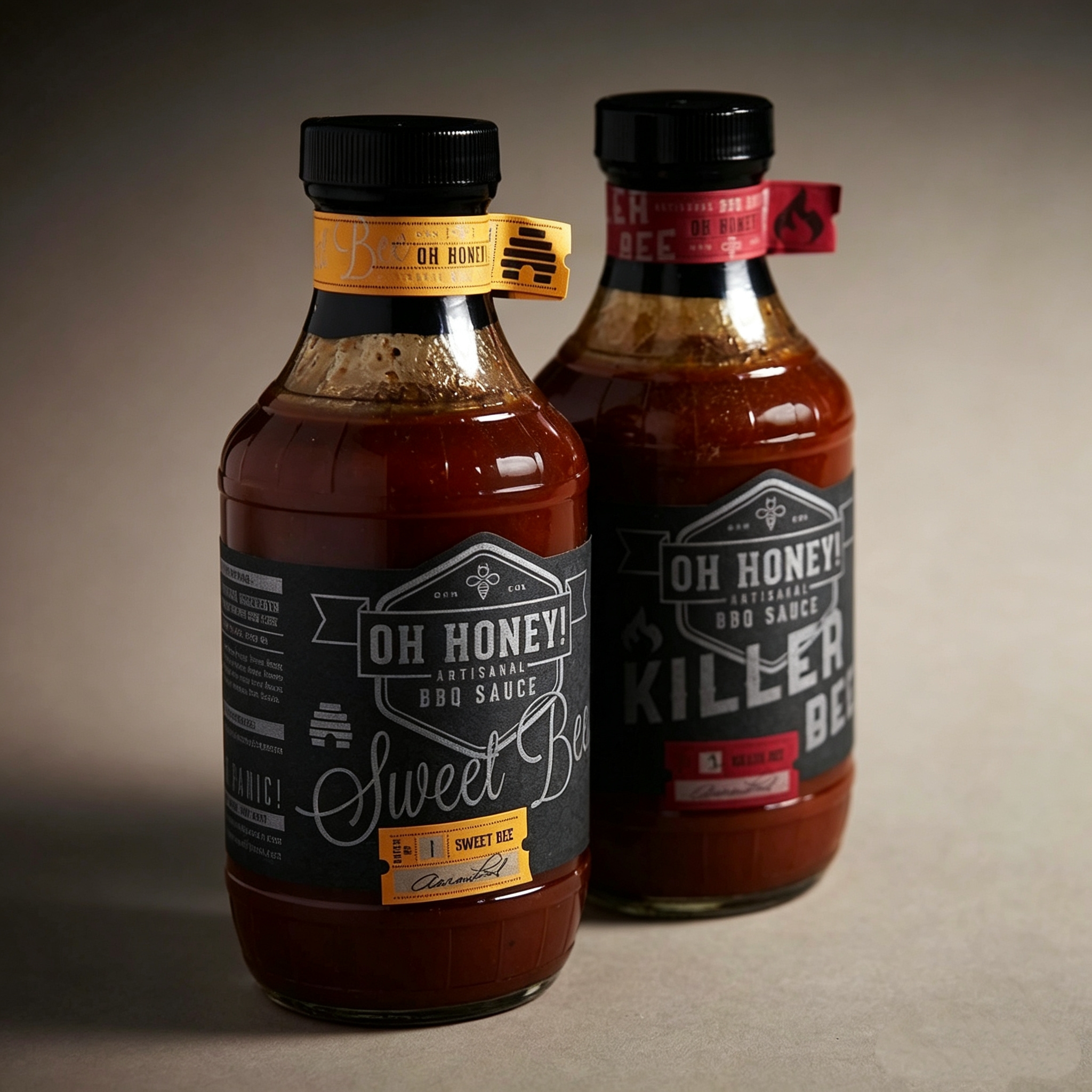
Prevent shape, artwork, and application failures before printing
Conclusion: approve a production proof only after the design has been checked against the printable label panel and the application process. A beautiful flat file does not confirm that a label will sit straight on a tapered jar or that fine copy will remain readable once the label curves around glass.
This is especially relevant for brands introducing a new jar shape, switching co packers, or moving from hand application to machine application. It is less demanding for a repeat order using an unchanged container, label size, material, and application method, although color and copy should still be reviewed.
Use this preproduction procedure
- Measure the usable panel. Identify the flattest area on the jar body. Keep required text, barcode, and key visual elements within that area rather than pushing them into a shoulder, seam, or steep taper.
- Separate label functions. Decide whether the project needs a front brand label, back information label, lid label, tamper seal, or all of these. Breaking one crowded wrap label into functional pieces can improve application and readability.
- Confirm copy ownership. Provide print ready text that has been reviewed by the responsible product and compliance team. A printer can reproduce supplied content but should not be asked to infer missing regulatory information.
- Specify finishing priorities. Identify whether the product requires matte presentation, gloss, transparent areas, foil, lamination, writable areas, or resistance to particular conditions. Each choice should relate to the product’s actual use.
- State roll requirements. If a machine applies the label, share the applicator information and required roll orientation before production. For hand application, request a format that supports accurate placement and manageable packing.
- Approve the sample evidence. Review the photo or digital sample confirmation for artwork, color placement, readable copy, and expected finish before mass production begins.
At custom panda, sample lead time for pins, patches, and labels is listed as 3 days, while bulk production is listed as 8 to 9 days. These are planning references, not a reason to postpone approval: the final schedule still depends on artwork readiness, order details, and shipping arrangements. U.S. shipping is listed at 5 to 6 business days, and same day dispatch is available only for select ready stock or digital items.
Compare supplier quotes on the details that change total cost
Conclusion: compare like for like. The lowest unit price is not a useful buying decision if one quotation assumes paper labels while another includes film, lamination, custom shape cutting, proofing, or a different roll setup. Ask every supplier to itemize the same production variables.
This method fits procurement teams collecting competitive bids and founders ordering packaging for the first time. It does not require sharing confidential margin targets. It requires a clear specification sheet so every supplier prices the same work.
Quote comparison checklist
- Quantity by design: List the units required for each flavor and each label component. A 5,000-unit total across five designs is not the same production request as 5,000 pieces of one design.
- Print method: Confirm whether the pricing is for digital printing or offset printing. Custom panda offers no MOQ for digital printing and select custom items, while standard bulk offset items have a 1,000-unit minimum.
- Material and adhesive: Require both items to be named in the quotation. A vague “waterproof” description does not show whether the construction fits cold storage, oil exposure, or your jar substrate.
- Finish and special effects: Separate lamination, foil stamping, white ink, clear film, and custom die cutting from base printing so there is no confusion about what is included.
- Roll configuration: Confirm label direction, core requirement, number of labels per roll, and winding requirements for machine applied work.
- Quality remedy: Check what happens if a confirmed production defect occurs. Our stated terms include color mismatch free reprint, proportional replacement for defects, 5 day fast re-stocking or repair, and 100 bonus pieces with every bulk order.
- Freight terms: Confirm the delivery destination, lead time assumptions, and whether the supplier’s quote includes the stated free shipping service.
A useful worked example is a brand launching three jam flavors in the same round glass jar. The buyer can use one label size and one material specification, then create three separate artwork files. If the jars go from a cold warehouse to a retail refrigerator, the RFQ should call out condensation exposure and require a material discussion rather than requesting standard paper by default. If the same brand also launches a dry pantry honey gift jar with a faceted shape, that product should receive its own label layout and application assessment instead of being forced into the jam specification.
Use production controls that protect color, adhesion, and brand consistency
Conclusion: formal approval steps are the best defense against the failures buyers notice after cartons arrive: color mismatch, labels that lift, insufficient white opacity on clear stock, torn materials, and design details that look blurred. The most effective control is to identify these risks before bulk production, not after products have been packed.
This applies to every new design and is especially useful when brand guidelines demand close color matching across several flavors or markets. It cannot compensate for later changes to the jar, formula, filling temperature, or label application equipment. Those changes should trigger another review.
- Approve actual color expectations: Send brand color references and identify colors that cannot shift. Color should be reviewed in the context of the chosen material and finish, not only on an uncoated digital proof.
- Check clear label opacity: Mark every area that needs white ink underneath. This prevents brand graphics from becoming too transparent against dark product contents.
- Inspect edge and corner placement: Keep fine elements away from die cut edges and high curvature zones where placement variation is more visible.
- Confirm adhesion conditions: Specify that jars should be clean, dry, and free of oil where labels are applied. Adhesive cannot reliably bond through contamination.
- Plan a controlled first run: Use approved samples and a clear receiving check before scheduling a full packing run, particularly when the jar or process is new.
For brands needing assistance turning a jar drawing, label size, and artwork into a practical order specification, request a quote with your jar photos, product conditions, application method, and target quantity for selection advice.