


What Are File Folder Labels?
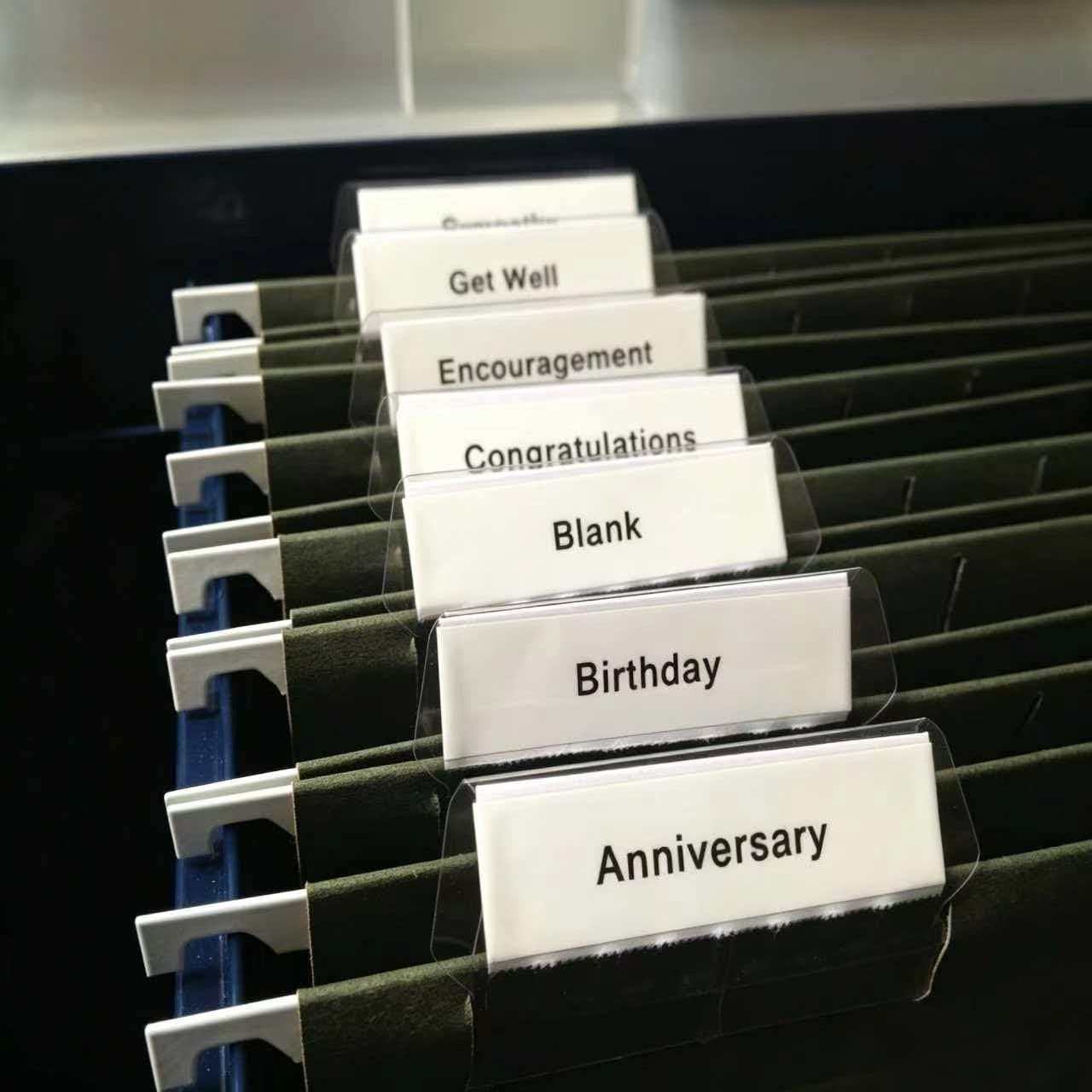
File folder labels are specialized self-adhesive identifiers designed specifically for application onto file folders, document storage boxes, hanging files, and other organizational systems used in office, legal, and personal record-keeping environments. These labels feature standardized dimensions that fit the designated label areas on standard file folders, making them easy to apply and replace as filing systems evolve. The label surfaces are engineered to accept both handwriting and printing, providing flexibility for various office workflows. The adhesive systems are formulated to provide secure, long-lasting attachment without damaging documents or folder surfaces when removed, preventing adhesive residue and paper tearing that could compromise important records. Many file folder labels feature colored borders or pre-printed color bars that enable visual classification and rapid identification of document categories at a glance, significantly improving filing efficiency and retrieval speed. These labels are essential organizational tools across office filing systems, legal case management, project documentation, and personal record-keeping, serving as the primary indexing system for physical records.
Types of File Folder Labels
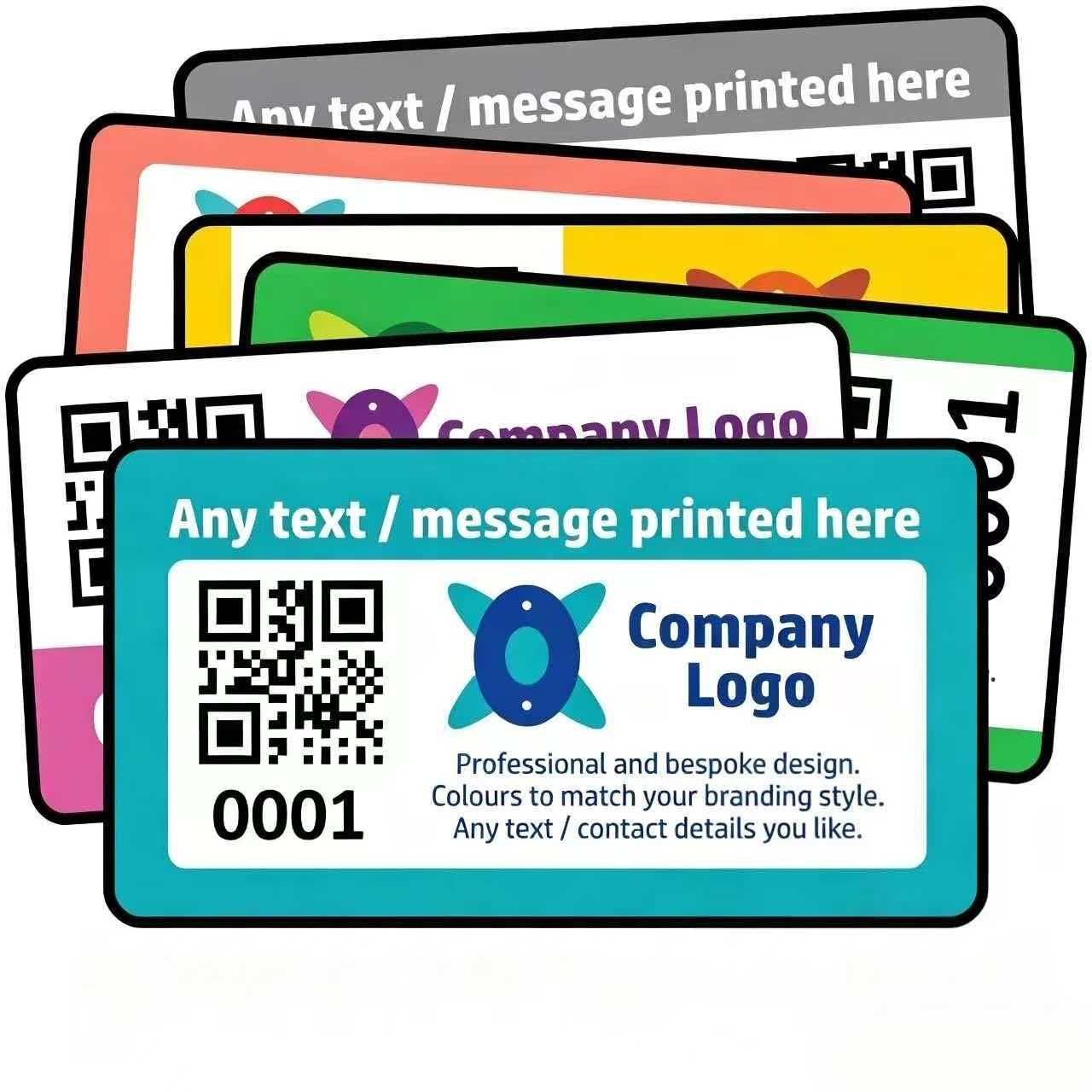
File folder labels can be categorized by application type, material characteristics, adhesive properties, and organizational features, each offering specific advantages for different filing systems and office environments. By application type, roll-fed labels are designed for use with automatic label dispensers and applicators, suitable for high-volume filing operations where efficiency is paramount. Sheet-fed labels are the most common for manual application, available in standard paper sizes with pre-cut perforated labels, easy to peel and apply by hand, and compatible with most desktop printers for template-based printing. By material characteristics, standard paper labels offer good writability and printability, suitable for general office use where durability requirements are moderate. The label material is typically bright white for maximum contrast with printed or written text. Reinforced paper or film labels provide extra durability and moisture resistance, ideal for active files that receive frequent handling or for long-term storage in less controlled environments. By adhesive properties, permanent adhesives provide secure, long-term attachment, ideal for active files that require stable labeling throughout their lifecycle. Repositionable adhesives allow for initial positioning adjustments during application, reducing waste and improving accuracy, especially valuable when multiple labels need precise alignment on folders. Removable adhesives enable clean removal and replacement as files are reclassified or archived, without leaving residue that could interfere with subsequent labeling. By organizational features, color-coded labels feature pre-printed colored borders, stripes, or blocks that enable visual classification systems, where specific colors represent categories, departments, or priority levels. Pre-printed templates include formats for name, date, department, category, and other fields, facilitating consistent labeling across the organization. Custom-printed labels with pre-printed fields or logos enhance branding and standardization across larger organizations or professional offices.
Features of File Folder Labels
The core features of modern file folder labels address the specific needs of document organization, retrieval efficiency, and archival integrity. The standardized dimensions are designed to match the designated label areas on standard file folders, including 1/3-cut, 1/5-cut, and other common formats, ensuring consistent placement and professional appearance across filing systems. The label surfaces are specially treated or coated to accept a wide range of writing instruments, including ballpoint pens, markers, and pencils, as well as various printing technologies including laser and inkjet printers and thermal transfer printers, providing flexibility for different office workflows and labeling methods. The adhesive systems are formulated for paper compatibility, providing secure attachment to folder surfaces without damaging the folder material or leaving residue upon removal. This "document-safe" adhesive ensures that even long-term labels can be removed without tearing the folder or compromising document integrity, which is essential for legal and archival applications. The printing and writing surfaces are engineered for clarity and permanence, with bright white backgrounds providing maximum contrast for text, and the label surface accepting sharp, smudge-resistant printing. The color-coded borders and pre-printed color sections enable visual organization systems, allowing users to assign specific colors to categories, departments, priority levels, or timeframes for instant visual recognition and faster retrieval. In 2026, sustainability is increasingly important, with the introduction of recycled paper labels, FSC-certified materials, and adhesives compatible with paper recycling, supporting office environmental programs and reducing the environmental impact of office supplies.
Functions of File Folder Labels
File folder labels perform essential functions that are fundamental to efficient document management, information retrieval, and office productivity. Their primary function is file identification, enabling users to distinguish between different files, cases, or projects through clear, consistent labeling that identifies the contents and purpose of each folder at a glance. This identification prevents misfiling and reduces time spent searching for documents. Their second function is organizational categorization, with color-coded labels visually grouping files by category, department, priority, date, or other classification criteria, creating an intuitive, easy-to-navigate filing system that facilitates rapid document location and efficient space management in filing cabinets and storage areas. Their third function is facilitating information retrieval, enabling quick location of specific documents through logical, consistent labeling systems that follow established naming conventions and organizational structures. This function is critical for legal, medical, and financial offices where rapid access to accurate records is essential for professional service delivery. Their fourth function is administrative efficiency, enabling streamlined filing and retrieval processes that reduce time spent on document management, allowing staff to focus on higher-value activities. Pre-printed templates and standardized labeling formats further improve efficiency by reducing errors and ensuring consistency. Their fifth function is records management and archival support, providing durable identification that remains legible throughout the document lifecycle, from active use through storage and eventual archiving, ensuring that critical records remain identifiable and accessible over time. Their sixth function is inventory and asset management, with labels on storage boxes and archive files enabling efficient inventory tracking, storage capacity monitoring, and management of off-site records storage.
Top File Folder Labels in 2026
Several innovative file folder label solutions have achieved market leadership across different office and organizational applications in 2026. Avery's permanent file folder labels with UltraGrip adhesive are the premier choice for general office filing, offering reliable attachment, clean removability, and excellent writability and printability with both laser and inkjet printers and standard writing instruments. Smead's color-coded file folder labels with reinforced materials provide the durability and visual organization system required for high-volume legal, medical, and financial office applications, with extensive color options and compatibility with standard folder cuts. ACCO Brands' removable and repositionable file labels offer the flexibility needed for dynamic filing systems where frequent reclassification is common, with adhesives that allow initial positioning adjustments and clean removal without residue. Universal Office's sustainable file folder labels, available in recycled paper with FSC certification and environmentally friendly adhesives, meet the growing demand for environmentally responsible office supplies across corporate and government offices. The growing category of print-at-home templates and online custom label generation, enabling users to print custom labels using standard office printers with pre-formatted templates, represents the 2026 trend toward flexibility and immediate availability. These solutions demonstrate continuous improvement in adhesive performance, print compatibility, and organizational functionality that defines the file folder labeling market.
How to Select File Folder Labels
Selecting the appropriate file folder labels requires consideration of application requirements, organizational needs, and office workflows. The first dimension is application method: determine whether labels will be applied manually, using a handheld dispenser, or through an automatic labeling system for high-volume filing operations. For manual application, sheet-fed labels with perforations are typically easiest to handle, while roll-fed labels are more efficient for high-volume or automated applications. The second dimension is adhesive type: evaluate whether labels will need to be repositioned during application, removed and replaced as files are reclassified, or remain permanently attached throughout the file lifecycle. Repositionable adhesives offer application flexibility, removable adhesives enable clean changes, and permanent adhesives ensure long-term stability. The third dimension is printing or writing method: determine whether labels will be handwritten, printed using a desktop laser or inkjet printer, or produced using a thermal printer. Ensure the label material and coating are compatible with your chosen method and that the label format (sheet or roll) matches your printer specifications. The fourth dimension is organizational needs: define the color-coding requirements for your filing system, including the number of categories or departments that need distinct colors, and select labels with appropriate color options or pre-printed color systems. Determine whether custom-printed labels with pre-printed fields or logos are needed for standardization across the organization. The fifth dimension is durability and environmental requirements: consider the handling frequency and storage conditions of your files. Active files may require more durable or reinforced labels, while archived files may need longer-term stability. Evaluate sustainability options such as recycled content and FSC-certified materials. The sixth dimension is cost efficiency: consider the total cost of ownership including material costs, labor savings from efficient application and retrieval, and the cost of filing errors or time wasted on misfiling. High-quality, well-designed labels often provide significant efficiency gains that outweigh small material cost differences.
File Folder Labels Size Guide
File folder labels are available in standardized sizes designed to match the label areas on common office filing products. The most common size is the 1/3-cut label, measuring approximately 67mm × 33mm (2-11/16 inches × 1-5/16 inches), which fits the standard label area on third-cut file folders commonly used in legal and general office filing. This size is widely available as pre-printed or printable sheets and is compatible with the majority of file folder products on the market. The 2/3-cut label, measuring approximately 102mm × 33mm (4 inches × 1-5/16 inches), provides a larger area for more detailed labeling, including name, subject, and date fields. It fits the label area on two-thirds-cut folders and is often used for thicker files requiring more information. The 1/5-cut label, measuring approximately 41mm × 33mm (1-5/8 inches × 1-5/16 inches), provides a smaller, compact label option for narrow label areas on certain filing systems and for short file names or codes on folders with limited space. For hanging file folder tabs, labels are often smaller, approximately 25mm × 30mm to 30mm × 35mm (1 inch × 1-3/16 inches to 1-3/16 inches × 1-3/8 inches), designed to fit the tabs on hanging file systems. For storage boxes, document cases, and archive boxes, larger label sizes of 50mm × 70mm to 70mm × 100mm (2 inches × 2-3/4 inches to 2-3/4 inches × 4 inches) provide space for storage dates, content descriptions, and inventory codes. Across all applications, ensure label sizes match the available labeling area on your specific filing products, allowing for 1mm to 2mm clearance from edges for clean application and to prevent overhang that could interfere with filing and retrieval.
How to Customize File Folder Labels
Customizing file folder labels can range from simple printer-printed templates to professionally designed, pre-printed labels with specific organizational features. The initial step is organizational system design: define your filing categories, color-coding system, and required information fields (name, date, department, case number, etc.) to ensure labels will effectively support your organizational workflow. The second step is template creation: for print-at-home applications, create or download printer-compatible templates using office software such as Microsoft Word or dedicated label software. Ensure the template matches your selected label sheet dimensions and printer compatibility. For professional pre-printed labels, provide design files in appropriate formats (AI, PDF, CDR) with required information and color specifications. The third step is label selection: choose the appropriate label size, material, adhesive type, and color options based on your application requirements and the customization option selected (print-at-home or professional printing). The fourth step is printing and verification: for print-at-home labels, print a test page on plain paper to verify alignment and formatting before printing on label sheets, ensuring correct positioning within label boundaries. For professional labels, request a sample for review before full production. The fifth step is application and integration: apply labels according to your labeling system, ensuring consistent placement on file folders for a professional appearance. For repositionable labels, apply labels initially in a lower-tack position and adjust as needed for accurate placement. The sixth step is system maintenance and updates: establish procedures for adding new labels, replacing outdated labels, and maintaining the filing system, including procedures for clean label removal and replacement when files are reclassified or archived.
Supplier of File Folder Labels
The global file folder label supply chain features specialized office product manufacturers, label converters, and sustainable material providers. Avery Products Corporation is the leading supplier of file folder labels, with comprehensive offerings in standard and repositionable adhesives, color-coded options, and print-at-home templates compatible with all major office printer brands. Smead Manufacturing Company is a leading supplier of color-coded filing systems and file folder labels, with specialized products for legal, medical, and professional office environments requiring advanced organizational systems. ACCO Brands provides a wide range of file folder labels under multiple brand names, including removable and repositionable options for dynamic filing environments. Universal Office Products specializes in sustainable file folder labels with recycled content, FSC certification, and environmentally responsible adhesives for corporate and government office programs. Custom Panda is your comprehensive partner for office and organizational labeling solutions, offering end-to-end services from template design through professional printing and global delivery. Our expertise in adhesive compatibility, color-coding systems, and print-on-demand capabilities ensures your file folder labels meet the highest standards of functionality, organization, and durability for your office environment.
About Custom Panda
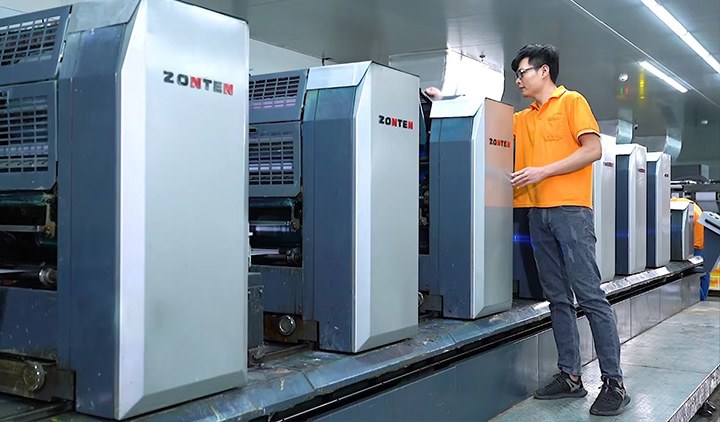
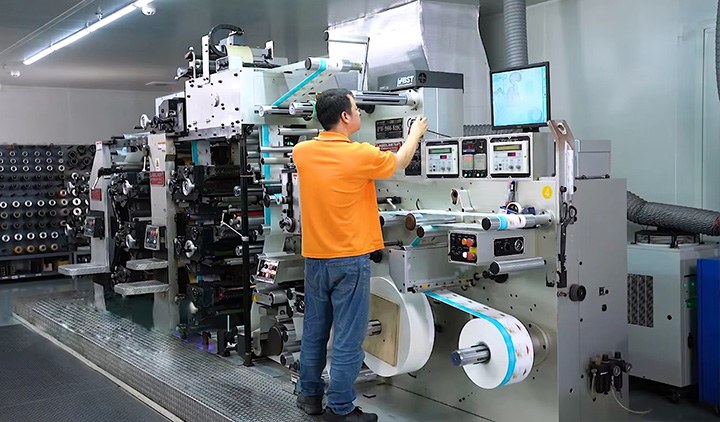
Custom Panda is a leading provider of office and organizational labeling solutions with specialized expertise in file folder, document management, and administrative applications. Our advanced manufacturing capabilities include high-speed flexo and digital printing, precision die-cutting, extensive color options, and automated quality inspection systems, enabling us to deliver consistent quality and reliable supply for customers ranging from individual professionals and small offices to large corporations and government agencies. Our technical team offers comprehensive consultation on adhesive engineering, organizational system design, color-coding optimization, and sustainability guidance, ensuring your file folder labels meet the demands of your filing environment and operational workflows. We provide rapid prototyping with digital proofing available in as little as 12 hours, accelerated production with typical lead times of 2 to 3 days after approval, and reliable global shipping through trusted logistics partners. Our proprietary adhesive formulations address common office labeling challenges including clean removability, repositionability, and compatibility across various folder materials. We believe every label is an opportunity to improve organization and efficiency, and we bring decades of industry experience, continuous innovation, and dedicated customer service to every project. Contact Custom Panda today to discuss your file folder labeling requirements and experience the difference of true end-to-end service and technical excellence.