


What are Die Struck Pins?
Die struck pins are the oldest and most traditional method of making custom metal pins. Unlike soft enamel pins, which use colored enamel to create vibrant designs, die struck pins rely purely on the shape and texture of the metal itself. The design is literally struck into a blank piece of metal using immense pressure, creating raised and recessed areas that form the artwork.
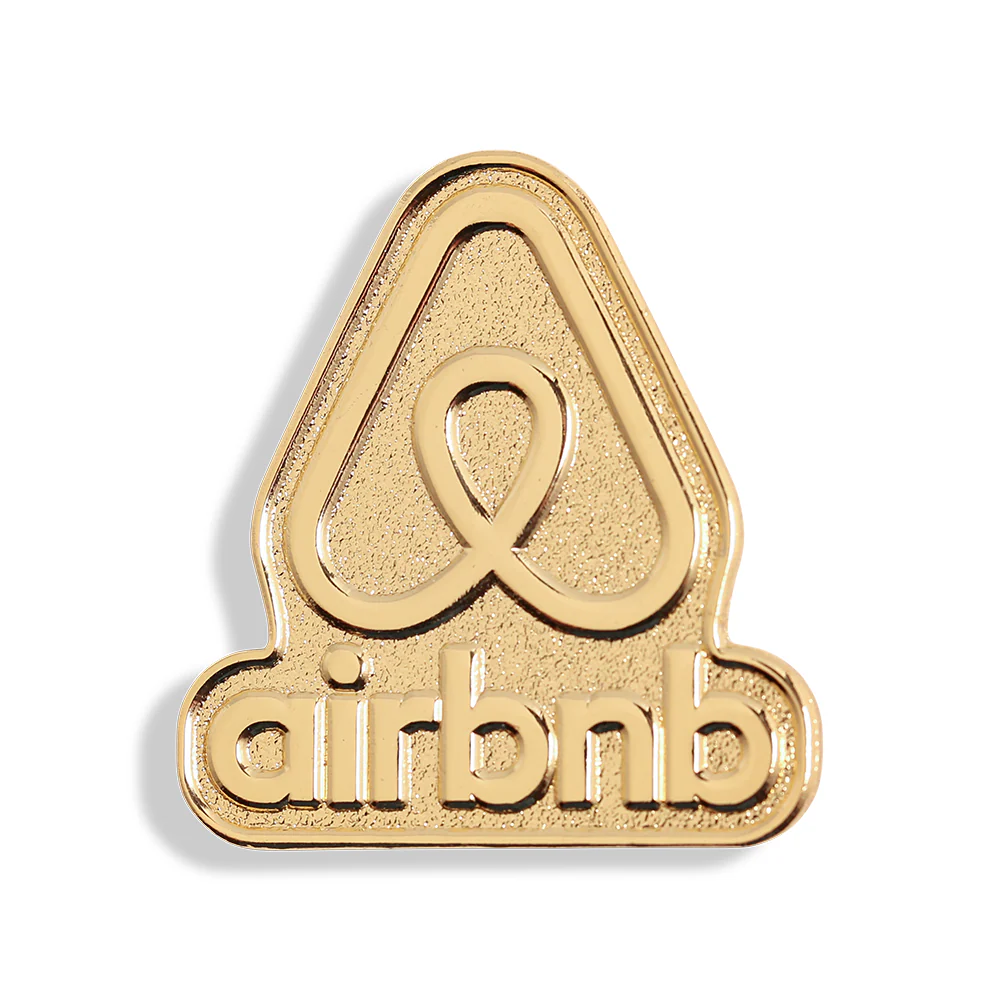
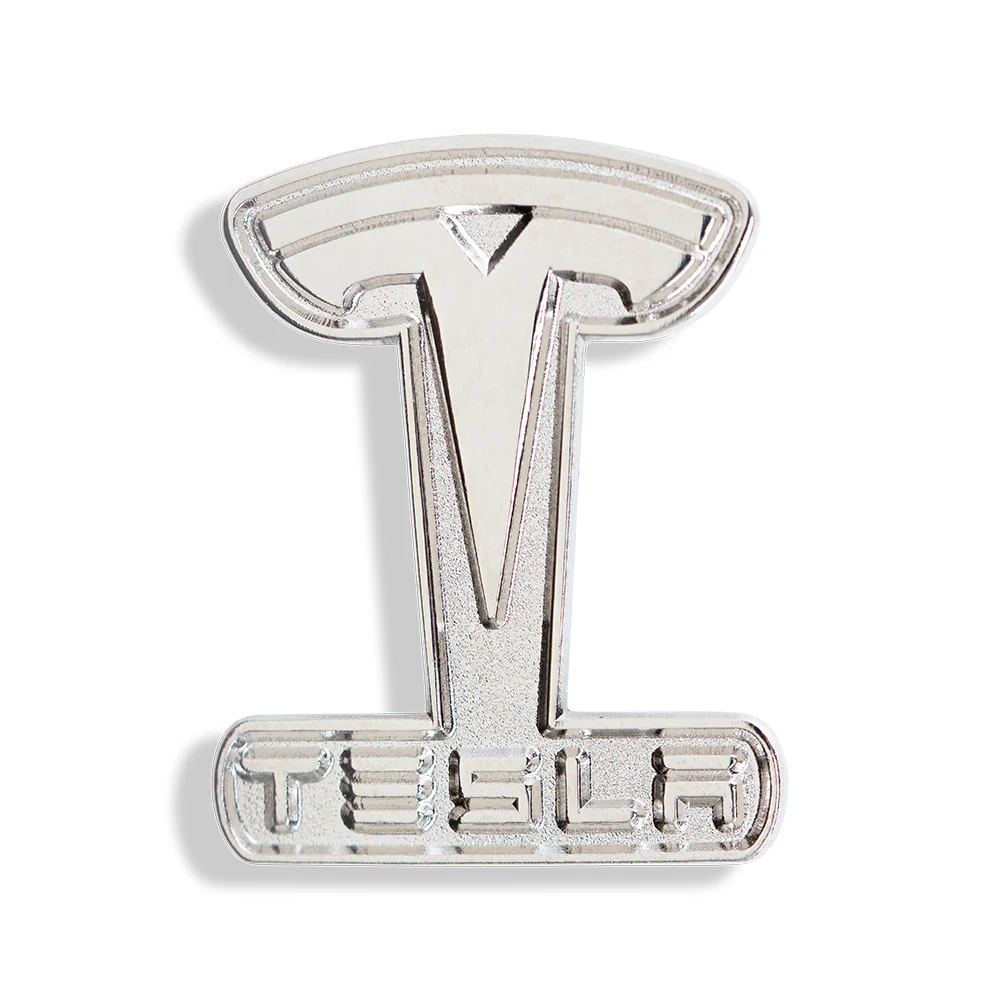
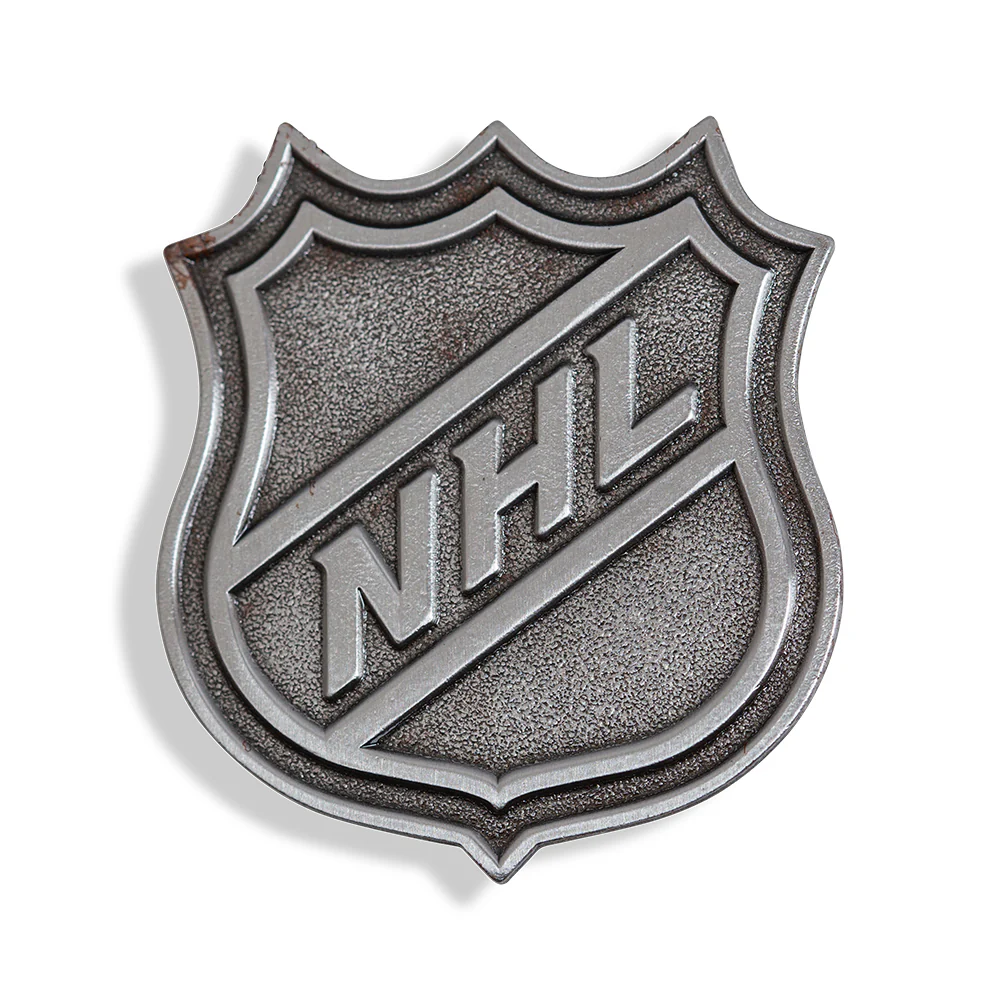
Because die struck pins do not use enamel, the beauty comes entirely from the metal. The raised areas are polished to a shine, while the recessed areas remain textured or matte. This creates a classic, elegant, and sophisticated look that cannot be achieved with enamel-filled pins. Die struck pins are often used for military insignia, challenge coins, corporate awards, and any application where a formal, timeless appearance is desired.
While die struck pins can be left as raw metal, they are frequently plated with gold, silver, nickel, or antique finishes to enhance their appearance. Some die struck pins also receive a color treatment called "painting" or "infill," where translucent or opaque paint is added to the recessed areas, but traditional die struck pins are metal-only.
Key Features of Die Struck Pins
Metal-Only Construction – The defining feature of die struck pins is the absence of enamel. The design is expressed entirely through raised and recessed metal, giving the pin a clean, classic, and professional appearance.
Raised and Recessed Detail – The stamping process creates dimensional texture. Raised areas catch the light and are polished to a shine, while recessed areas remain darker and matte. This contrast creates depth and visual interest without any color.
Premium Metal Plating – Die struck pins are almost always plated. Common plating options include shiny gold, shiny silver, nickel, antique gold, antique silver, antique bronze, and copper. The choice of plating dramatically affects the final look, with antique finishes being especially popular for vintage or heritage designs.
Durability – Because die struck pins are solid metal with no enamel to chip or crack, they are exceptionally durable. They can withstand years of wear on uniforms, backpacks, or lanyards without losing their appearance. This makes them ideal for items that will see heavy use.
Elegant and Formal Appearance – Die struck pins convey a sense of tradition, authority, and prestige. They are the standard choice for military insignia, law enforcement badges, corporate awards, and academic honors. A die struck pin looks serious and important in a way that colorful enamel pins do not.
Optional Color Infill – While traditional die struck pins are metal-only, many customers choose to add color to the recessed areas. This is done by applying hard enamel, soft enamel, or paint to the recessed sections after stamping and plating. The result is a pin that combines the dimensional texture of die striking with the visual impact of color.
No Color Bleeding Issues – Because die struck pins do not rely on enamel, there is no risk of colors running together or being misaligned. The design is physically stamped into the metal, so the detail is always sharp and precise.
Common Applications of Die Struck Pins
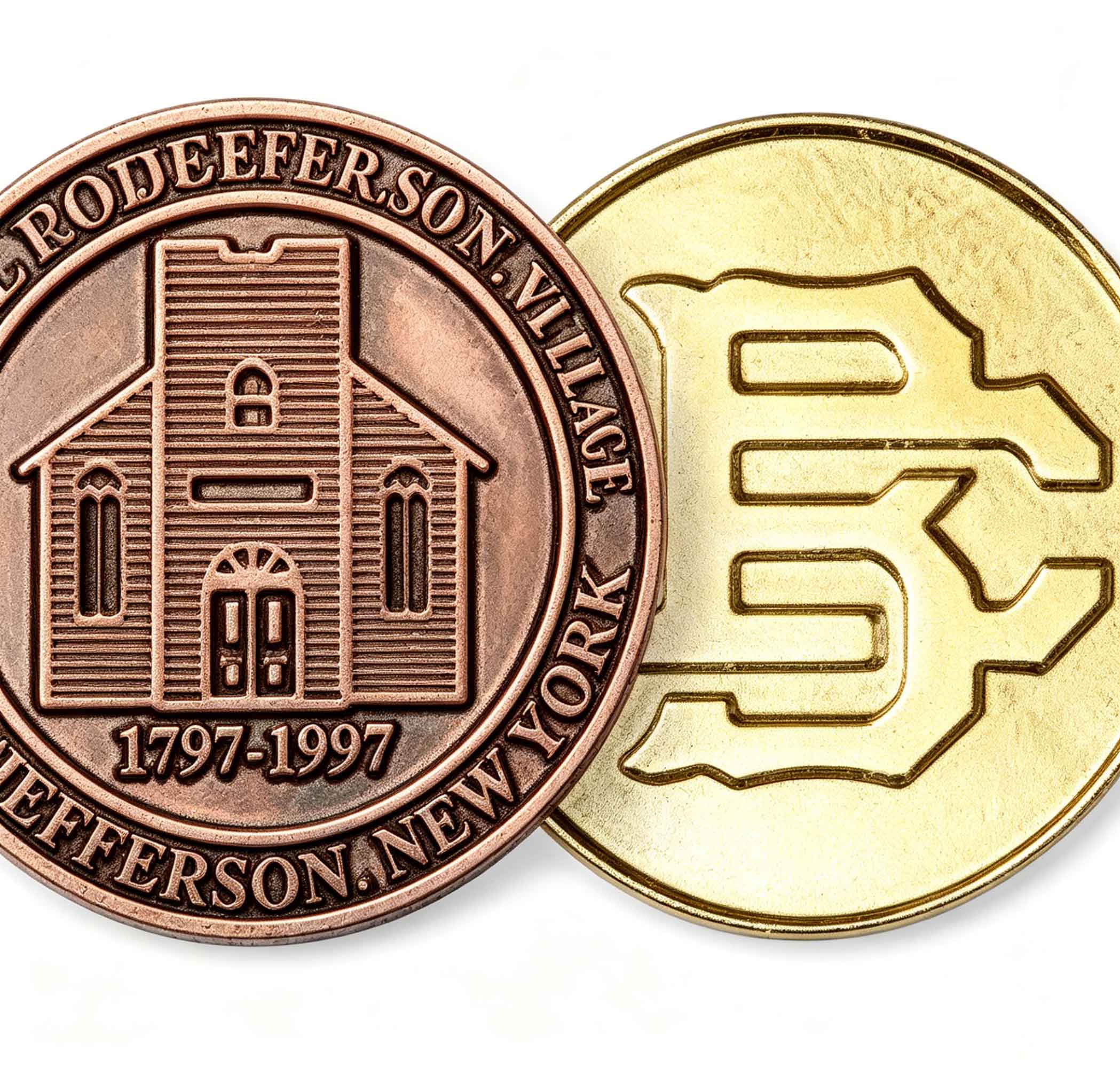
Military and Service Branches – Die struck pins are the traditional choice for military insignia, unit crests, rank insignia, and service branch identifiers. The serious, formal appearance of die struck metal matches the dignity of military service. Challenge coins, which are closely related to pins, are also almost always die struck.
Law Enforcement and First Responders – Police badges, fire department insignia, and EMS patches are frequently produced as die struck pins. The classic metal-on-metal look conveys authority and professionalism. Many first responders wear die struck pins on their dress uniforms for formal occasions.
Corporate Awards and Recognition – When a company wants to honor an employee for years of service, outstanding performance, or retirement, a die struck pin is an excellent choice. The elegant appearance of polished metal feels more substantial and meaningful than colorful enamel pins. Many companies use die struck pins for milestone anniversaries like 10, 20, or 30 years.
Academic Institutions – Universities, colleges, and high schools use die struck pins for graduation, honors societies, faculty recognition, and alumni associations. A die struck pin featuring the school crest or mascot in gold or silver plating makes a dignified keepsake that graduates will treasure for years.
Fraternal Organizations and Clubs – Masonic lodges, Elks clubs, veterans organizations, and other fraternal groups have a long tradition of using die struck pins to indicate membership, rank, and achievement. The classic look of die struck metal fits the heritage and formality of these organizations.
Associations and Professional Groups – Trade associations, medical societies, bar associations, and engineering groups often use die struck pins as membership badges or conference attendee identifiers. The professional appearance of die struck metal conveys the seriousness of the organization.
Heritage and Commemorative Items – For historical reenactment groups, museum souvenirs, or event commemoratives, die struck pins offer an authentic vintage look. Antique finishes like bronze or copper are especially popular for these applications.
How Die Struck Pins Are Made?
Step 1: Design and Die Creation – Your artwork is used to create a hardened steel die. Unlike soft enamel pins, where the die creates raised and recessed areas of specific depths, die struck pins require a die that will impress the design into a metal blank. The die is precision-machined to capture every detail of your artwork.
Step 2: Blank Preparation – Metal blanks are cut from sheets of raw metal. The most common metals for die struck pins are brass, copper, and iron. Brass and copper are softer and take detail well, while iron is harder and more durable. The choice of base metal affects the final appearance and cost.
Step 3: Striking – The metal blank is placed between two dies in a stamping press. The press applies tremendous force — often many tons of pressure — striking the design into the blank. This single strike creates all the raised and recessed areas of the pin in one instant. The excess metal around the design is then trimmed away.
Step 4: Heat Treating (Optional) – Depending on the metal used and the desired hardness, the struck pins may be heat treated. This process alters the molecular structure of the metal, making it harder and more durable. Heat treating is common for pins that will see heavy wear.
Step 5: Plating – The struck pins are cleaned and submerged in a plating bath. An electrical current deposits a thin layer of precious metal onto the surface. Common plating options include shiny gold, shiny silver, shiny nickel, antique gold, antique silver, antique bronze, and copper. The plating protects the base metal from tarnishing and gives the pin its final color.
Step 6: Polishing – After plating, the raised areas of the pin are polished to a high shine. The recessed areas retain a matte or textured finish. This contrast between shiny raised areas and dark recessed areas is what gives die struck pins their distinctive dimensional appearance.
Step 7: Color Infill (Optional) – If the design calls for color, paint or enamel is added to the recessed areas. Hard enamel is polished flat, soft enamel remains recessed, and paint offers a budget-friendly option. The color is applied carefully to avoid spilling onto the raised, plated areas.
Step 8: Backing Attachment – The final step is attaching the backing. Standard backings include butterfly clutches (two posts with metal clasps), rubber clutches (tighter grip), magnetic backings (no holes in clothing), and safety pin or brooch backings (for larger pins).
Price of Die Struck Pins
Quantity is the most significant factor in pricing. Die struck pins have higher setup costs than soft enamel pins because the dies must be precision-machined to capture fine detail. However, the per-unit cost drops significantly as quantity increases. For small quantities under 100 pieces, die struck pins can be expensive — often five to ten dollars each. For larger quantities of 500 or more, the price can fall to two to four dollars each.
Size affects price directly. A standard die struck pin is one inch or one and a quarter inches. Moving to one and a half or two inches increases the amount of metal and the force required to strike the design, adding cost. Very large pins may require multiple strikes or specialized equipment.
Complexity of Design influences the cost of die creation. A simple design with bold, simple shapes requires a less expensive die than a highly detailed design with fine lines and small text. Intricate details require more precise machining and may increase the die fee.
Base Metal choice affects both cost and appearance. Iron is the most economical option but can rust if not properly plated. Brass and copper are more expensive but take detail better and have a warmer appearance. For most applications, iron with quality plating is perfectly adequate.
Plating Type adds a variable. Standard plating like shiny gold, silver, or nickel is included in the base price. Antique finishes — antique gold, antique silver, antique bronze — typically add a small surcharge because they require additional processing steps.
Color Infill adds cost if chosen. Adding hard enamel, soft enamel, or paint to the recessed areas requires additional labor and materials. Hard enamel is the most expensive, followed by soft enamel, with paint being the most economical color option.
Typical Price Range – For a standard one-inch die struck pin with no color, using iron base metal and standard gold plating, ordered in quantities of 100 to 250 pieces, you can expect to pay three to five dollars per pin. Add one to two dollars for antique finishes or color infill. A one-time die fee of fifty to one hundred fifty dollars usually applies, depending on design complexity.
How to Customize Die Struck Pins for Your Project
Vector Artwork – You must supply your design as a vector file in AI, PDF, or SVG format. Die struck pins require sharp, clean lines because the design is physically impressed into metal. JPG and PNG files are not acceptable because they become blurry when enlarged.
Black and White Artwork Preferred – For traditional metal-only die struck pins, your artwork should be black and white. The black areas represent the raised, polished surfaces, and the white areas represent the recessed, matte surfaces. If you want color infill, provide a separate color guide.
Avoid Fine Details – Die struck pins have limitations. Lines that are thinner than 0.2 millimeters may not strike cleanly. Small text should be at least 4 points tall. Very intricate designs may need to be simplified. A pin specialist can review your artwork and advise on what is possible.
Pantone Codes for Color Infill – If you want color added to the recessed areas, label each color with a Pantone Solid Coated code. Hard enamel and soft enamel can match any Pantone shade. Paint offers a more limited range but is sufficient for most applications.
Size Specification – Decide on the finished size. Standard die struck pins range from 0.75 inches to 1.5 inches. Very small pins cannot capture fine detail. Very large pins may be too heavy for standard backings.
Plating Color – Choose the finish for the entire pin. Shiny gold, shiny silver, and shiny nickel are standard. Antique gold, antique silver, antique bronze, and copper are premium options. Antique finishes are especially popular for die struck pins because they enhance the vintage, classic look.
Base Metal – Choose between iron (most economical, durable but can rust), brass (warmer color, takes detail well), and copper (richest color, premium appearance). For most applications, iron with quality plating is sufficient.
Backing Type – Choose butterfly clutch (most common for pins worn on uniforms or lanyards), rubber clutch (tighter grip), magnetic (no holes in fabric, but not for pacemaker wearers), or safety pin (for thick fabrics like denim).
Quantity – Determine how many pins you need. Die struck pins have a higher die fee but lower per-unit costs at volume. Ordering extras in the initial run is much cheaper than placing a second, smaller order later.
Color Infill Decision – Decide whether you want traditional metal-only die struck pins or if you want color added to the recessed areas. Metal-only is more classic and elegant. Color infill adds visual pop but moves away from the traditional aesthetic.
The Process – Submit your vector artwork and specifications. A pin specialist will review your design for any potential issues with line thickness, small text, or intricate details. They will provide a quote including the one-time die fee and per-unit costs, then create a digital proof. You approve the proof, pay the invoice, and production begins. Typical turnaround is three to four weeks.
Need a large order or a tight deadline? Whether you need military insignia for a unit, awards for a corporate event, or membership pins for an organization, one of our team members will personally help you get your custom die struck pins done on time and on budget. Just reach out

