


What Are Custom Coins?
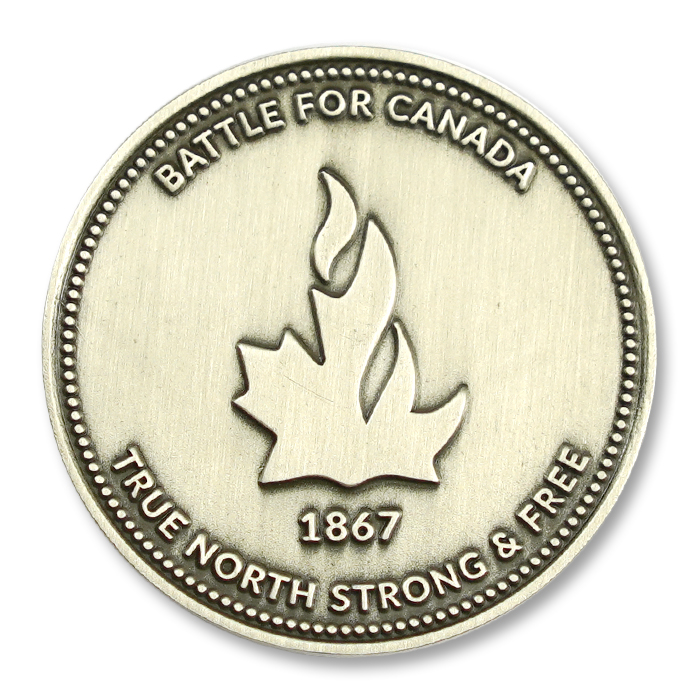
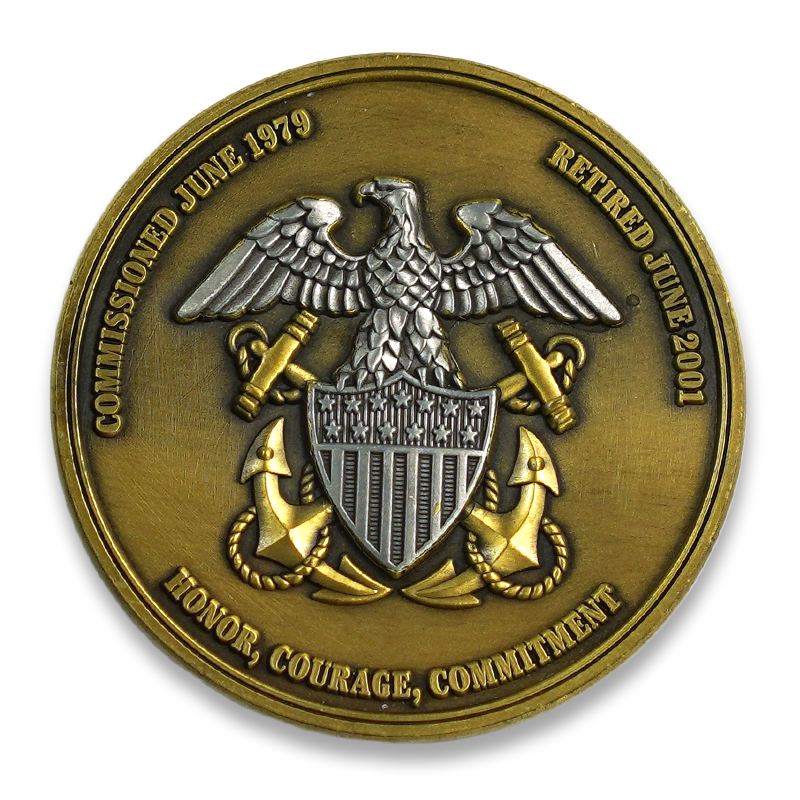
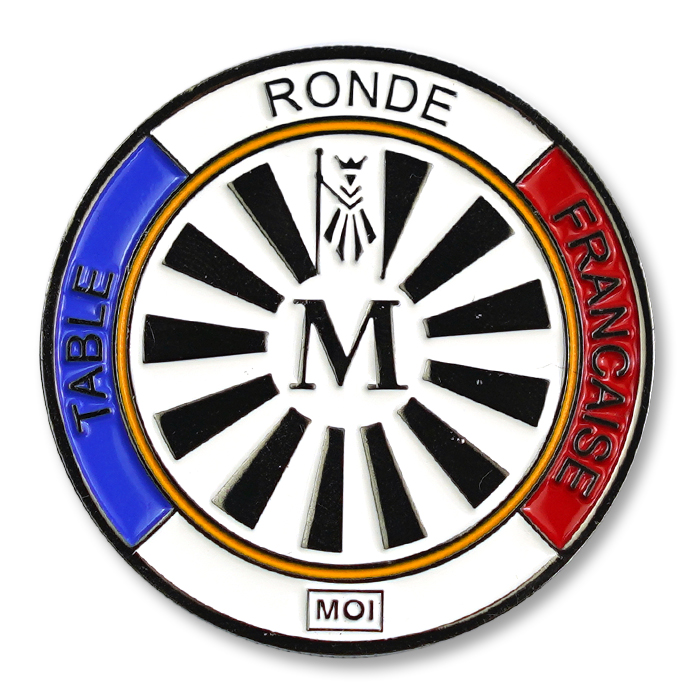
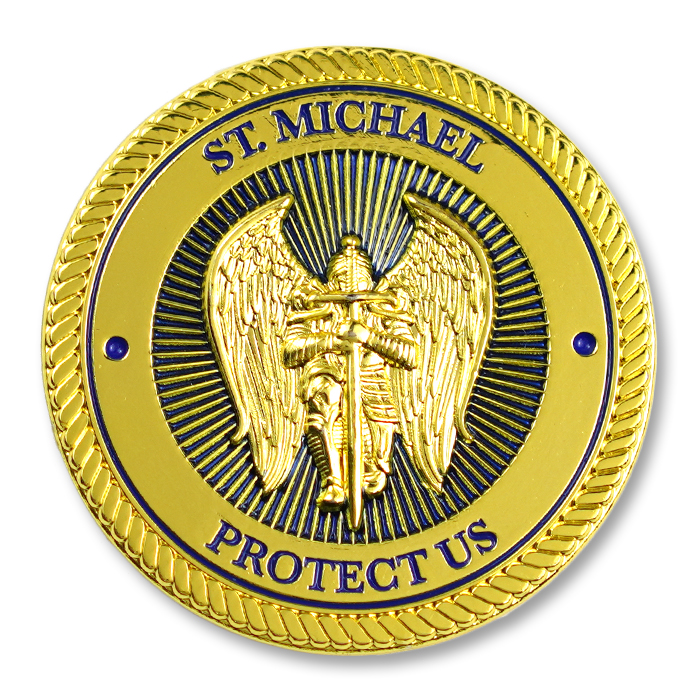
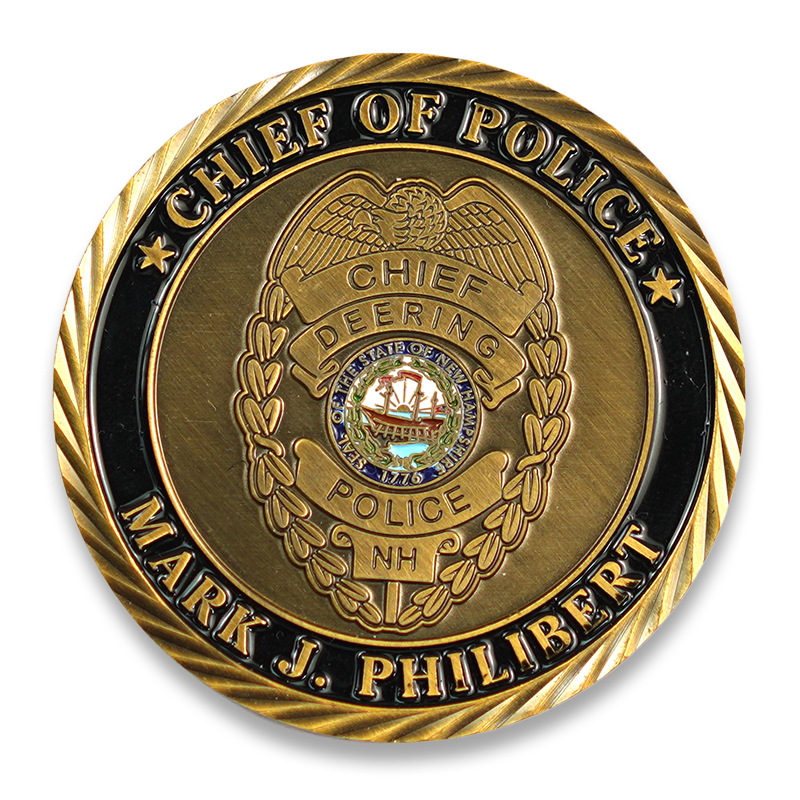
Custom Coins, often referred to as challenge coins or commemorative coins, have a long-standing tradition in military, corporate, and collector communities. Unlike lapel pins, which are worn on clothing, custom coins are designed to be held, displayed, or carried as a symbol of belonging, achievement, or remembrance. These heavy, metal tokens can feature intricate 3D sculpting, vibrant enamel colors, and a variety of antique or polished finishes. Whether you need coins for a military unit, a corporate recognition program, or a fundraising campaign, understanding the craft behind custom coins will help you create a lasting keepsake.
Key Features of Custom Coins
Custom Coins are distinguished by several unique characteristics that set them apart from pins and other promotional items:
Substantial Weight & Feel: Unlike pins, coins are designed to be handled. They are typically made from solid brass, copper, zinc alloy, or iron, giving them a satisfying heft.
Dual-Sided Design: Most custom coins feature artwork on both the front and back, maximizing the storytelling potential.
Variety of Shapes: While round is traditional, custom coins can be cut into any shape, including shields, badges, state outlines, or custom brand logos.
Metal Finishes: Options include polished gold/silver, antique bronze, antique silver, black nickel, and copper.
3D Sculpting Capabilities: Many coins feature raised or recessed 3D elements, creating depth and texture that flat designs cannot achieve.
Edge Options: Standard edges (smooth), diamond-cut edges (with a beveled shine), or rope edges (textured like an old coin).
Enamel or Epoxy: Color can be added using soft enamel (textured), hard enamel (polished flat), or epoxy (clear protective dome).
Main Types of Custom Coins
Custom coins come in several distinct varieties, each suited for different design needs and budgets:
Die-Struck Coins (No Enamel): These coins feature raw metal only, with no color fill. The design is stamped directly into the metal, creating raised and recessed areas. They are ideal for vintage, heritage, or classic looks and are typically the most affordable option.
Soft Enamel Coins: Color is filled into the recessed areas but sits below the metal border, creating a textured, tactile feel. This is the most popular and budget-friendly choice for colorful challenge coins.
Hard Enamel Coins (Cloisonné): The enamel is baked and then ground down to be perfectly flush with the metal surface, resulting in a smooth, glass-like finish. Hard enamel coins are more durable, scratch-resistant, and premium in feel, but also more expensive.
3D Cast Coins: Instead of being stamped from a flat die, these coins are cast from molten metal using a mold. This allows for true three-dimensional sculpting with varying heights—perfect for busts, animals, architectural replicas, and highly detailed organic shapes.
Dual Plated Coins: These coins feature two different metal platings on the same coin (e.g., gold and silver). The contrast between finishes adds a striking, high-end visual effect, often used for commemorative or award coins.
Printed (Photo) Coins: Full-color digital printing is applied directly to the coin surface, often under a protective epoxy dome. This allows for photorealistic images, gradients, and complex artwork that traditional enamel cannot achieve.
Epoxy Dome Coins: A clear, hard resin coating is poured over the surface of the coin. This creates a glossy, durable, and scratch-resistant finish that also makes colors appear deeper and more vibrant.
Advantages Over Lapel Pins
When comparing Custom Coins to lapel pins, several key differences make coins the better choice for certain applications:
Tangibility: Coins are meant to be held, flipped, and displayed on a desk or shelf, while pins are worn on clothing.
Dual-Sided Storytelling: Pins typically use only one side for artwork. Coins offer two full surfaces for design, text, or logos.
Perceived Value: A custom coin feels like currency or a medallion, carrying a higher perceived monetary and sentimental value than a pin.
Durability for Handling: Coins are designed to withstand being carried in pockets, tossed, or handled repeatedly without damage.
Best Use Cases: Lapel pins are ideal for daily wear, branding on uniforms, and giveaways. Custom coins are best for awards, retirements, unit morale, fundraisers, and collector trading.
Common Applications of Custom Coins
Custom Coins are used across a wide range of industries and communities:
Military Challenge Coins: The most traditional use. Each unit, squadron, or ship creates coins to honor service, celebrate deployments, or recognize achievements.
Corporate Recognition: Companies use custom coins as service awards, sales contest prizes, or retirement gifts for long-term employees.
First Responders & Fire Departments: Police, fire, and EMS units create coins to commemorate fallen members, promotions, or department anniversaries.
Nonprofit & Fundraising: Many organizations sell custom coins as donation incentives, with proceeds supporting causes like veterans' assistance or medical research.
Sports Teams & Fan Clubs: Championship coins, season ticket holder gifts, and fan club membership tokens are popular in the sports world.
Cryptocurrency & Tech Communities: Physical "crypto coins" featuring Bitcoin, Ethereum, or custom blockchain logos are popular collectibles.
Event Souvenirs: Conferences, reunions, festivals, and trade shows use custom coins as attendee gifts or VIP tokens.
How Custom Coins Are Made?
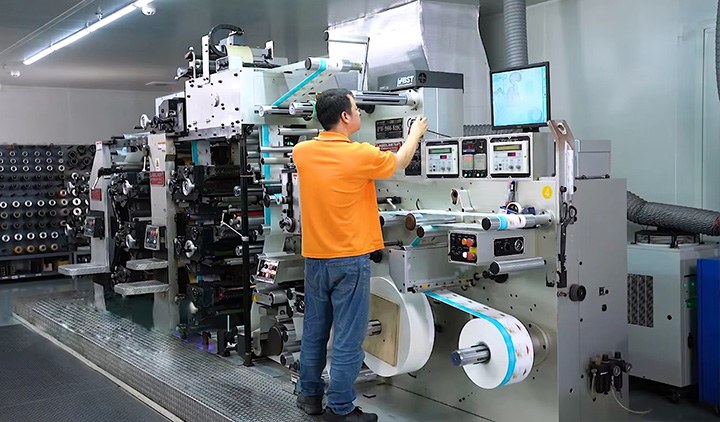
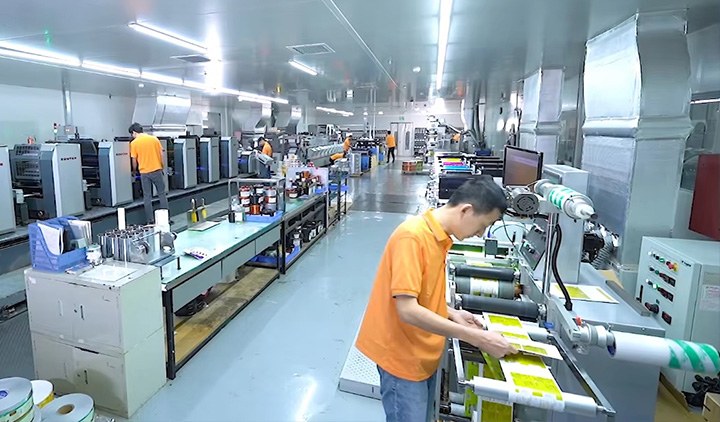
The production process for Custom Coins varies depending on the desired finish and color method. Below is the standard workflow for the most common type: die-struck coins.
Die-Struck Coins (Most Common)
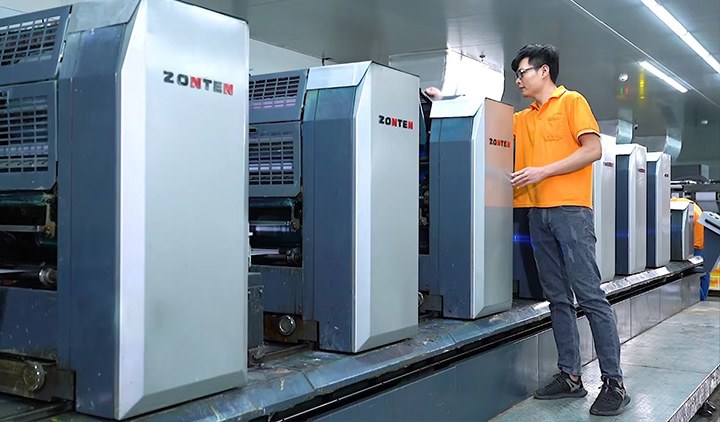
Die Creation: A hardened steel die is engraved with your artwork in reverse. This die will stamp the design into blank metal discs.
Striking: Metal blanks are placed between the upper and lower dies and pressed under high pressure, transferring the design onto both sides simultaneously.
Trimming: Excess metal around the edge is removed to create a clean outline.
Plating: The coin is electroplated with the chosen finish, such as gold, nickel, antique bronze, or black nickel.
Enamel Filling: Colored enamel is hand-filled into the recessed areas. For soft enamel, the enamel sits below the metal surface. For hard enamel, the coin is baked and ground completely flat.
Epoxy Coating (Optional): A clear protective dome can be added to enhance gloss and protect the surface.
Edge Finishing: The edge is polished, diamond-cut, or textured (such as a rope edge) for a finished look.
Cast 3D Coins (For Sculpted Designs)
For coins that require high-relief sculpting—such as a bust of a person, an animal, or a detailed emblem—a casting method is used instead of stamping. Molten metal is poured into a mold, then cooled, polished, plated, and colored as needed. This process allows for much greater depth and organic detail than die-striking.
Price of Custom Coins
Custom Coins are generally more expensive than lapel pins due to the larger size, dual-sided design, and heavier metal content. Here is the typical price hierarchy:
*Soft Enamel Pin < Hard Enamel Pin < Die-Struck Coin < 3D Cast Coin*
Die/Mold Cost: Ranges from 80to300, depending on size and whether both sides require engraving.
Unit Price (1000 pieces): Expect 1.50to5.00 per coin for standard 1.75" coins. Smaller runs (100-250 pieces) range from 3to8 per coin.
Volume Breaks: Prices drop significantly at 500+, 1000+, and 5000+ pieces.
Factors Increasing Cost: 3D sculpting, hard enamel vs. soft enamel, custom edge cuts, epoxy dome, and larger sizes.
How to Customize Custom Coins for Your Project?
Ready to order Custom Coins? Follow these steps to ensure a successful production run. With years of experience, CustomPanda provides a wide range of custom coin customization to set your brand apart, along with retail packaging (velvet bags, acrylic cases, or blister cards) to draw in a growing audience's interest.
1. Design for Both Sides
Front vs. Back: Decide what goes on each side. Common layouts: logo on front, text/dates on back; or mascot on front, unit motto on back.
Avoid fine lines on large areas: Metal needs sufficient thickness. Large empty metal areas can look dull—add texture or a radial pattern.
Keep text readable: Use appropriately sized fonts for stamped or recessed text. Teams like CustomPanda often provide free design reviews to help optimize your coin artwork.
2. Prepare Your Artwork Files
We accept all standard artwork formats but recommend uploading vector artwork when possible (such as .ai files or EPS files). Vector files ensure the cleanest lines and most accurate metal separation for the coin-striking process.
3. Choose Your Coin Specifications
Size: 1.5" (standard), 1.75" (popular), 2" (premium), or larger for collector grades.
Thickness: Standard thickness offers a solid, heavy feel.
Shape: Round is most affordable. Custom shapes (shield, star, outline) require an additional die fee.
Edge Type: Standard smooth edge (included), diamond-cut edge (adds shine), or rope edge (vintage look).
4. Select Your Coin Type
Refer to the "Main Types of Custom Coins" section above. Choose the type that best fits your design, budget, and desired aesthetic.
5. Select Your Metal & Plating
Gold Plating: Most premium, best for awards and commemoratives.
Antique Bronze / Antique Silver: Most popular for military and heritage coins.
Black Nickel: Modern, sleek, popular for tech and crypto coins.
Copper / Raw Brass: Natural, rustic look without heavy plating.
6. Select Your Backing & Packaging Options
Unlike pins, custom coins do not have posts. However, you can add:
Velvet or Satin Pouches: For premium presentation.
Acrylic Display Stands: For desk or shelf display.
Blister Cards: Retail-ready packaging for hanging on hooks.
Hole Drilling: Add a hole to turn the coin into a keychain or necklace pendant.
7. Work With a Specialist Manufacturer
Not all pin makers produce custom coins. Provide your manufacturer with:
Your vector artwork (AI, EPS, PDF) or high-resolution PNG for both front and back.
Desired size, shape, thickness, and edge type.
Target quantity for accurate pricing.
Pro tip: CustomPanda specializes in custom coins, offering free design reviews, competitive pricing, and premium packaging options to complement your coins and boost brand appeal.
8. Request a Digital Proof & Physical Sample
Before mass production, always ask for a color-accurate digital proof showing both sides. For larger orders, request a physical sample (also called a "strike-off") to check the actual metal finish, enamel colors, weight, and edge detail.
Conclusion
Custom Coins are far more than simple tokens—they are symbols of belonging, achievement, and memory. Whether you need military challenge coins for your unit, corporate awards for top performers, or commemorative pieces for a special event, custom coins offer a tangible, lasting way to honor people and mark moments.
With their substantial weight, dual-sided storytelling potential, and endless customization options (shapes, finishes, edges, and packaging), custom coins occupy a unique space between collectible and functional art. They outlast lapel pins in handling durability and carry a perceived value that feels closer to currency than a giveaway.
Looking for a way to recognize achievement, raise funds, or build community spirit? The weight, shine, and timeless appeal of Custom Coins leave a lasting impression every time someone holds one. With CustomPanda's experience, you can access a wide range of custom coin customization to set your brand apart, plus premium packaging solutions (velvet bags, acrylic cases, or blister cards) to draw in a growing audience's interest. Turn your vision into a keepsake that will be passed down for years to come.

