
What Are Custom Keychains?
Custom Keychains are personalized accessories designed to hold keys while also serving as a branding tool, promotional giveaway, or collectible keepsake. Unlike standard keychains bought in bulk from a retail store, custom keychains are manufactured according to your specific design—featuring your logo, artwork, mascot, or message. They can be made from a wide range of materials, including metal, acrylic, PVC soft rubber, leather, wood, and even eco-friendly compounds. Whether you need them for a corporate event, a retail product line, or a nonprofit fundraiser, custom keychains offer a practical and affordable way to keep your brand in someone's pocket every single day.
Types of Custom Keychains (By Material)
Custom keychains come in several distinct material types, each offering unique benefits for different budgets and use cases:
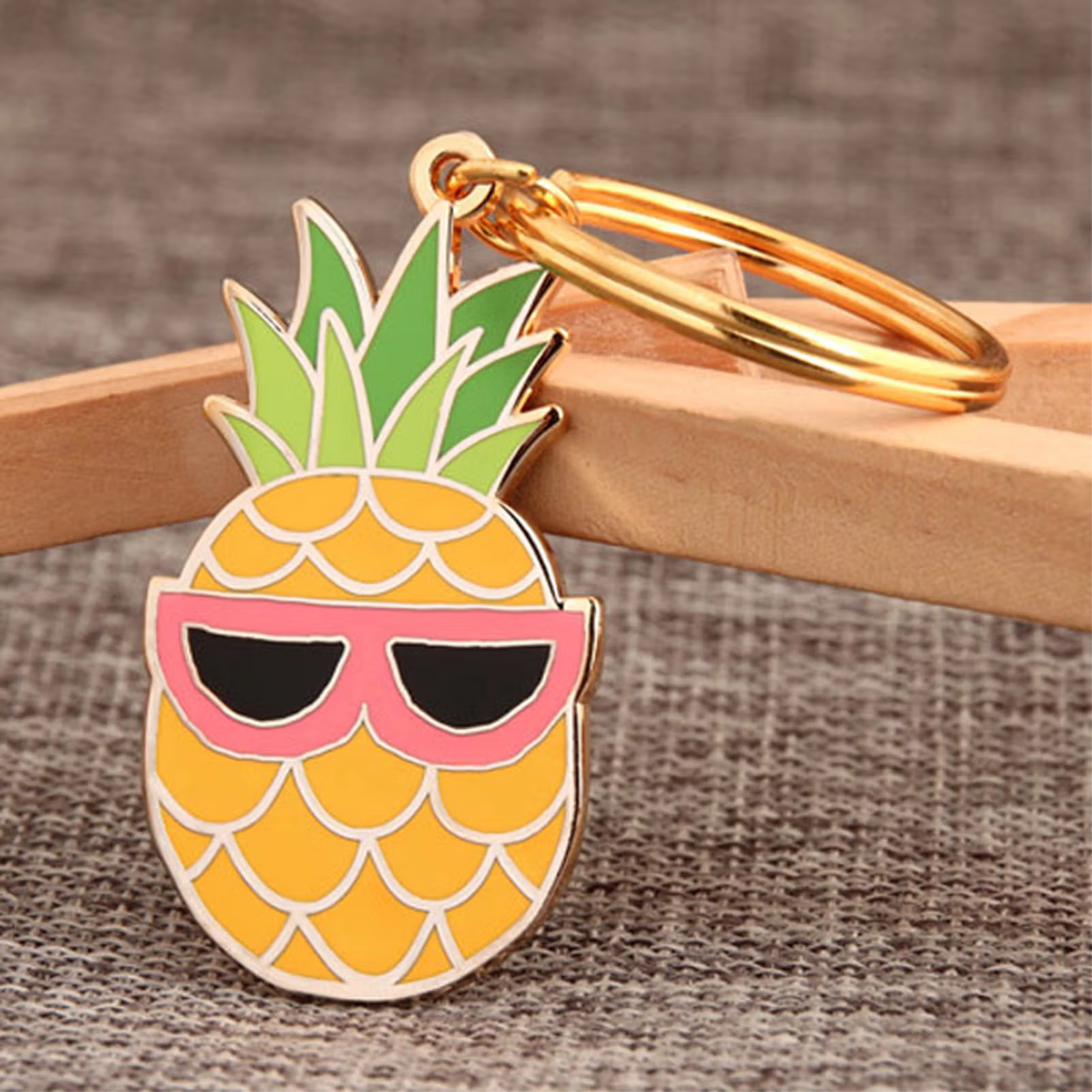
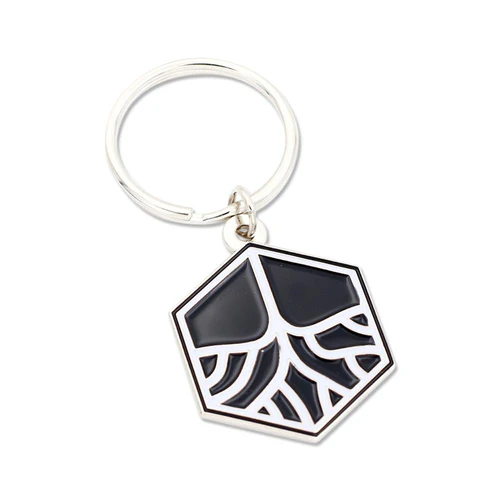
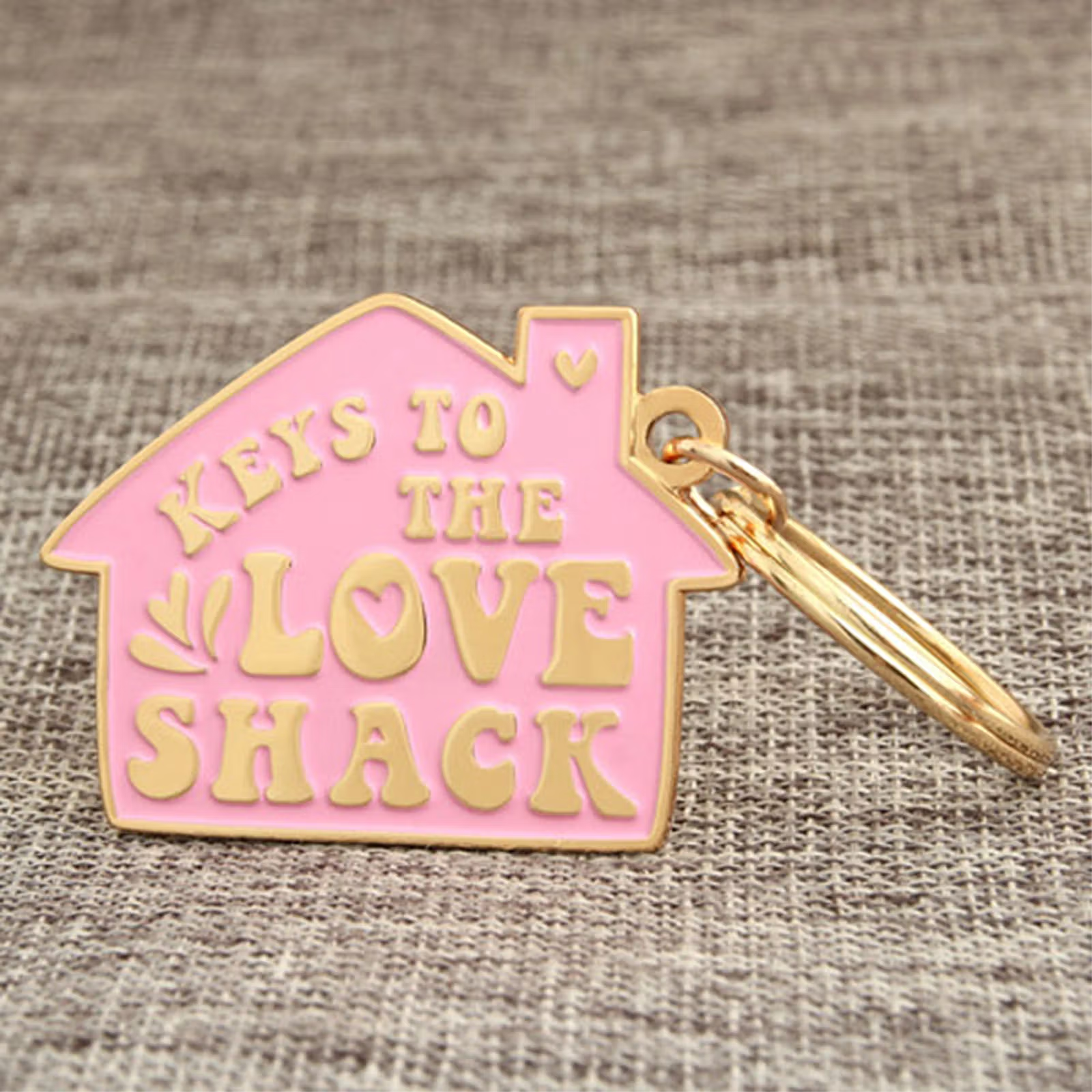
Metal Enamel Keychains: Made from zinc alloy, brass, or iron, then filled with soft or hard enamel. These feel premium, durable, and professional. Ideal for corporate gifts, brand loyalty programs, and high-end retail.
Transparent Acrylic Keychains: Laser-cut or engraved from clear acrylic sheets. They can be printed with full-color designs or left crystal clear with etched details. Lightweight, modern, and cost-effective for small batches.
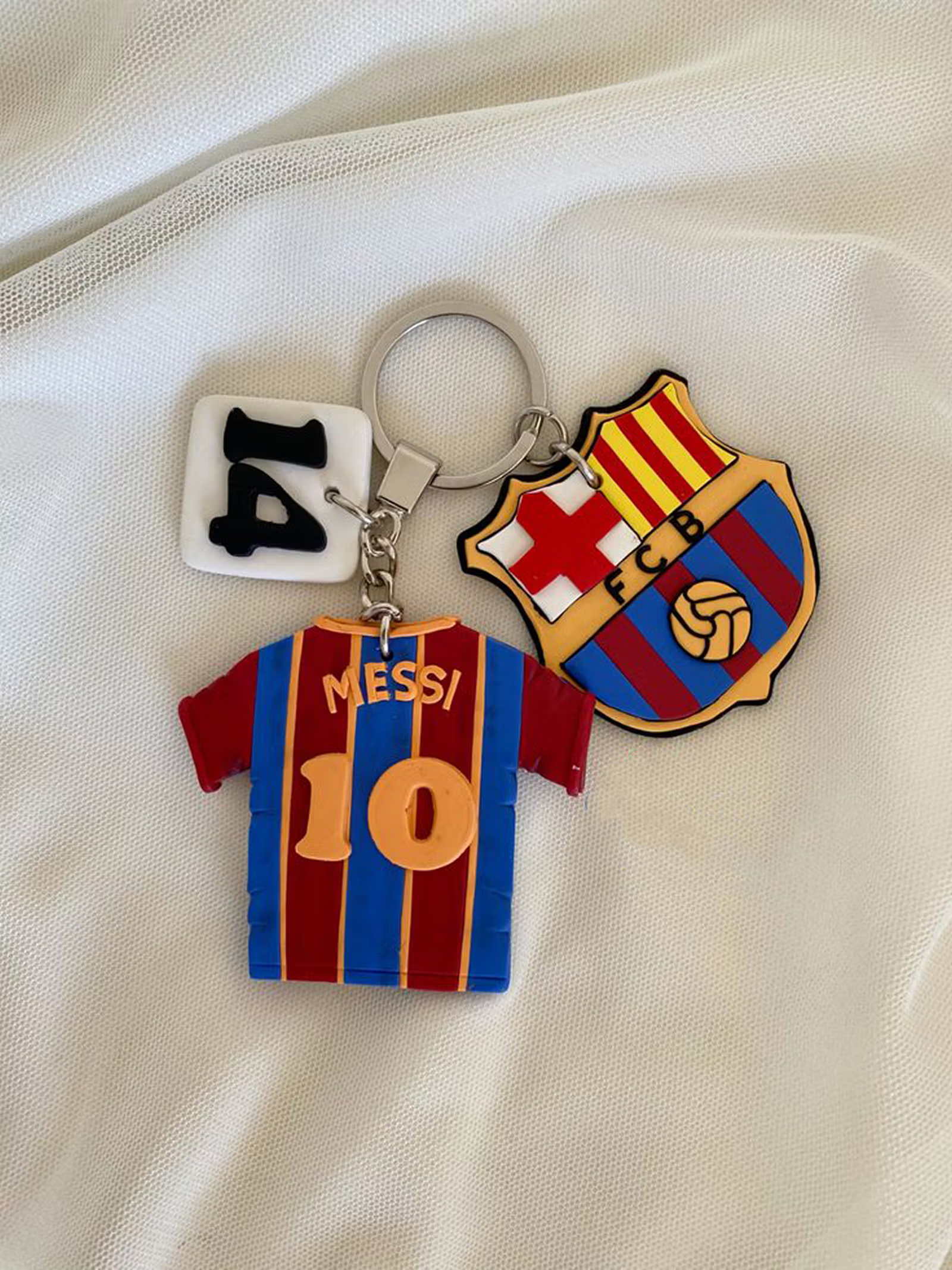
Cartoon PVC (Soft Rubber) Keychains: Made from flexible, colorful PVC material using injection molding. These are soft, durable, and great for 3D cartoon characters, mascots, or playful designs. Popular for children's events, sports teams, and amusement parks.
Leather Keychains: Crafted from genuine or faux leather, often embossed or debossed with logos. Elegant, professional, and perfect for luxury brands, real estate agents, or law firms.
Wooden Keychains: Made from bamboo, walnut, or birch wood. Laser-engraved with logos or text. Eco-friendly, rustic, and ideal for organic or sustainable brands.
LED Light Keychains: Feature a small built-in light that activates with a button. Great for night events, safety giveaways, or novelty items.
Bottle Opener Keychains: Combine a keychain with a functional bottle opener. Extremely popular for breweries, bars, weddings, and outdoor events.
Key Features of Custom Keychains
Custom keychains offer a unique set of features that make them a favorite for both promotional and personal use:
Practical & Functional: Unlike pins or stickers, keychains serve a daily purpose—holding keys. This ensures repeated exposure to your brand every time the user unlocks a door or starts a car.
Highly Portable: Small, lightweight, and easy to carry in a pocket, purse, or backpack. No special storage required.
Wide Material Selection: From premium metal to playful PVC, there is a material for every budget and brand personality.
Long Lifespan: A well-made keychain can last for years, providing ongoing brand visibility long after a single-use giveaway would have been thrown away.
Customizable Shape: Keychains can be cut into virtually any shape—logo outlines, animals, stars, hearts, or product silhouettes.
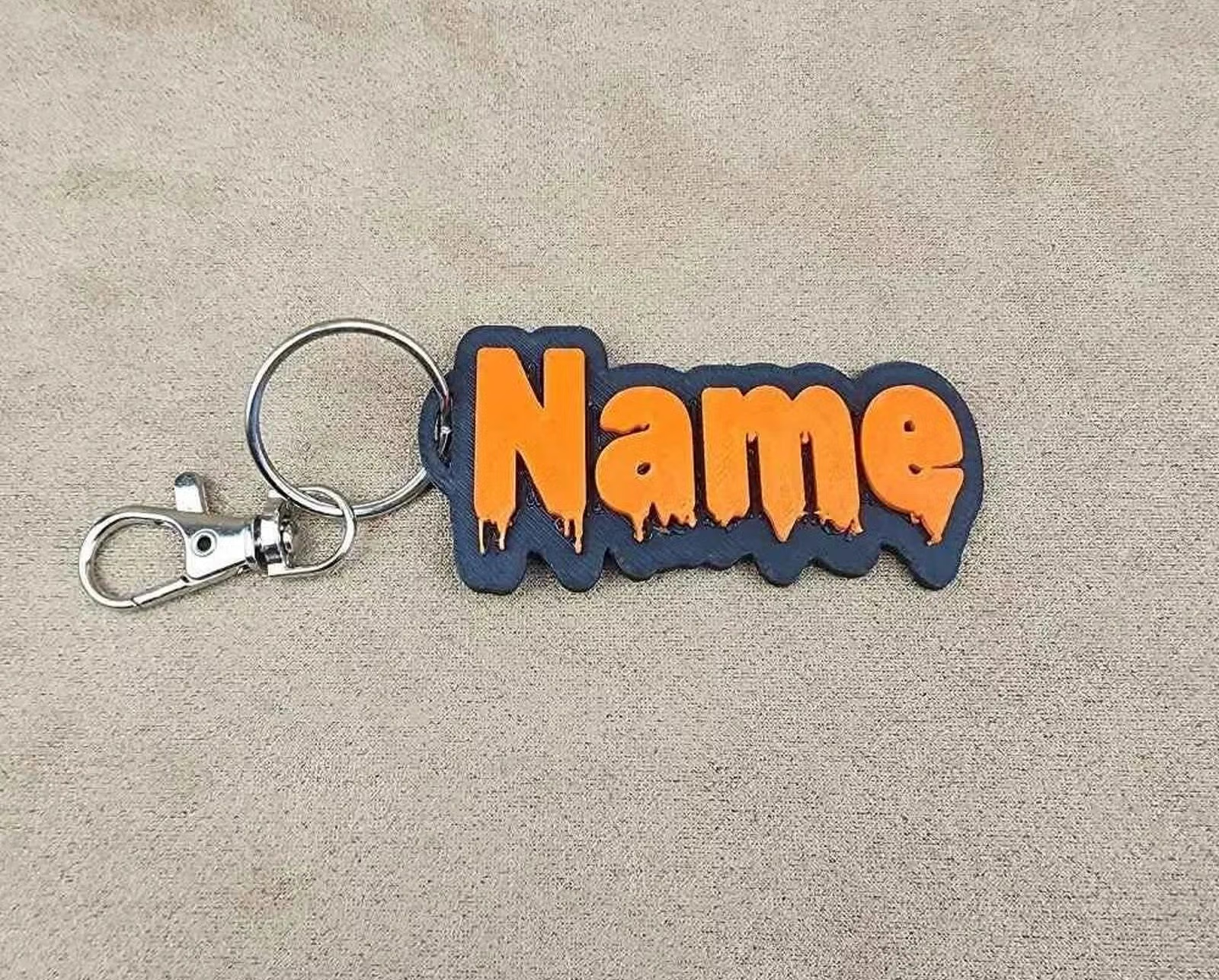
Attachment Options: Standard hardware includes split rings (for keys), ball chains, lobster clasps, and even carabiner clips.
Dual-Sided Printing: Many keychains allow artwork on both sides, maximizing your design space.
Common Applications of Custom Keychains
Custom keychains are used across virtually every industry. Here are the most popular applications:
Corporate Branding & Employee Gifts: Companies give custom keychains to employees as welcome kits, service anniversary gifts, or holiday tokens. They keep the company logo visible daily.
Trade Show & Event Giveaways: Keychains are one of the most popular promotional items at conferences, expos, and community events because they are useful and affordable.
Retail Merchandise: Many brands sell custom keychains as part of their product line. Fans love collecting keychains featuring logos, characters, or limited-edition designs.
Nonprofit & Fundraising Campaigns: Organizations sell custom keychains to raise money. Supporters receive a tangible token of their donation, often featuring the cause's logo or mascot.
Sports Teams & Fan Clubs: Keychains featuring team logos, player numbers, or championship years are popular among fans of all ages.
Weddings & Parties: Couples often give custom keychains as wedding favors, engraved with the couple's names and wedding date.
Real Estate & Automotive: Agents give keychains to new homeowners or car buyers as a welcoming gift that also serves as a constant reminder of their service.
Schools & Universities: Keychains are used for alumni fundraising, student orientation giveaways, and campus store merchandise.
How Custom Keychains Are Made
The manufacturing process for custom keychains varies significantly by material. Below are the most common methods:
Metal Enamel Keychains
Die Creation: A steel die is engraved with your design in reverse.
Stamping: Metal blanks are stamped under high pressure to create raised and recessed areas.
Plating: The metal is electroplated with gold, nickel, antique bronze, or black nickel.
Enamel Filling: Colored enamel is hand-filled into recessed areas. For soft enamel, the enamel sits below the metal border. For hard enamel, it is baked and ground flat.
Attachment Soldering: The split ring or keychain hardware is soldered onto the metal piece.
Acrylic Keychains
Design Printing: Artwork is printed onto a clear or colored acrylic sheet using UV printing.
Laser Cutting: A laser cutter traces the shape of your design, cutting through the acrylic sheet with high precision.
Edge Polishing: The cut edges are flame-polished to become smooth and transparent.
Drilling: A hole is drilled for the keychain hardware.
Assembly: The split ring or ball chain is attached.
PVC Soft Rubber Keychains
Mold Making: A steel mold is created based on your 2D or 3D artwork.
Injection Molding: Liquid PVC is injected into the mold under heat and pressure.
Cooling & Demolding: The PVC solidifies, and the keychain is removed from the mold.
Trimming: Excess flashing is cut away by hand.
Hardware Attachment: The split ring or ball chain is added.
Leather Keychains
Cutting: Leather sheets are die-cut into the desired shape.
Embossing/Debossing: Logos are pressed into the leather using heat and pressure.
Edge Finishing: Edges are painted, burnished, or stitched for a clean look.
Hardware Attachment: Rivets or screws secure the keychain hardware to the leather.
Price of Custom Keychains
The cost of custom keychains depends primarily on the material, size, quantity, and complexity of the design. Here is a general overview:
Acrylic Keychains: Typically the most budget-friendly option, with very low minimum order quantities. Ideal for small test runs or events.
PVC Soft Rubber Keychains: Moderately priced. Mold fees apply, so larger quantities (generally 100+ pieces) offer better value per unit.
Metal Enamel Keychains: Premium pricing due to the die-striking, plating, and hand-enamel filling process. Mold fees apply, and costs increase with more colors or 3D sculpting.
Leather Keychains: Mid-range to premium depending on genuine vs. faux leather and the complexity of embossing.
Factors That Affect Price: Mold/die fees, number of colors, size (larger = higher cost), double-sided vs. single-sided design, special attachments (carabiner, bottle opener), and packaging.
Volume Discounts: Most suppliers offer significantly lower per-unit pricing as quantities increase. Small batches (50–100 pieces) are possible for acrylic, while metal and PVC are more cost-effective at 100–500+ pieces.
How to Customize Custom Keychains for Your Project
Ready to order custom keychains? Follow these steps to ensure a smooth production process. With years of experience, CustomPanda provides a wide range of custom keychain customization to set your brand apart.
1. Choose Your Material
Select from metal enamel, transparent acrylic, cartoon PVC, leather, wood, or specialty options like LED or bottle opener keychains. Your choice should reflect your budget, brand image, and target audience.
2. Prepare Your Artwork Files
We accept all standard artwork formats but recommend uploading vector artwork when possible (such as .ai files or EPS files). Vector files ensure clean lines and accurate color reproduction. For PVC or 3D metal keychains, a 3D file (STL, OBJ) may be required.
3. Specify Size & Shape
The main body of the keychain (excluding the chain) is typically most portable between 1.5 and 2.5 inches (approximately 4–6 cm). Keychains can be cut into custom shapes—your logo outline, a star, a heart, or any silhouette you desire.
4. Confirm Your Quantity
Acrylic keychains often have low minimum order quantities (even a few pieces).
Metal and PVC keychains require mold creation, so ordering 100 pieces or more is generally recommended for better cost-effectiveness.
5. Select Hardware & Attachments
Choose how the keychain will attach to keys:
Split ring: The most common and secure option.
Ball chain: Lightweight and affordable, often used for giveaways.
Lobster clasp: Premium feel, easy to clip onto bags or belt loops.
Carabiner clip: Popular for outdoor or sports-themed keychains.
6. Request a Digital Proof & Physical Sample
Before mass production, always ask for a digital proof showing your design on the chosen keychain shape. For larger orders, request a physical sample (also called a "strike-off") to check material quality, color accuracy, and hardware durability.
Packaging Options for Custom Keychains
The right packaging can elevate a simple keychain into a memorable gift or retail product. Here are the most popular packaging options for custom keychains:
Poly Bags (Polyethylene Bags): The most basic and affordable option. Each keychain is sealed in a clear plastic bag. Ideal for bulk giveaways or trade show distribution.
Velvet or Velour Pouches: Small drawstring bags made of soft velvet. Adds a premium, jewelry-like feel. Perfect for metal enamel keychains, corporate gifts, or retail products.
Blister Cards (Carded Packaging): The keychain is attached to a printed cardboard card, often with a clear plastic blister covering. Allows you to display branding, barcodes, or product information. Great for retail shelves or fundraising sales.
Paper Boxes (Kraft or White): Small foldable boxes made of cardboard. Can be printed with your logo on the lid. Offers a professional unboxing experience without the high cost of custom foam.
Acrylic Display Boxes: Clear rigid boxes that showcase the keychain inside. Ideal for high-end or limited-edition keychains sold as collectibles.
Tin Boxes (Metal Tins): Small, reusable metal tins that fit one or more keychains. Popular for premium gift sets or holiday promotions.
Organza Bags: Sheer, decorative bags with a drawstring closure. Low-cost but visually appealing, often used for weddings, parties, or small retail items.
Custom Printed Hang Tags: Not a full package, but a branded tag attached directly to the keychain hardware. A minimalist option that still communicates your brand.
Pro tip: CustomPanda offers a variety of custom keychain packaging solutions, from velvet pouches to blister cards, to complement your keychains and enhance your brand presentation. Packaging can be customized with your logo, colors, and messaging.
Conclusion
Custom Keychains are one of the most practical, versatile, and cost-effective promotional products available. Unlike pins that sit in a drawer or stickers that get thrown away, keychains serve a daily function—keeping your brand visible every time someone reaches for their keys.
With a wide range of materials (metal, acrylic, PVC, leather, wood), shapes, and packaging options, there is a custom keychain solution for every budget and application. Whether you need 50 pieces for a small wedding favor or 5,000 pieces for a nationwide corporate campaign, custom keychains deliver lasting value and repeated brand exposure.
Looking for a promotional item that people will actually use every single day? The practicality and portability of Custom Keychains make them a smart choice. With CustomPanda's experience, you can access a wide range of custom keychain customization options—plus professional packaging solutions—to set your brand apart and keep your audience engaged, one set of keys at a time.

