

What Are Custom Medals?
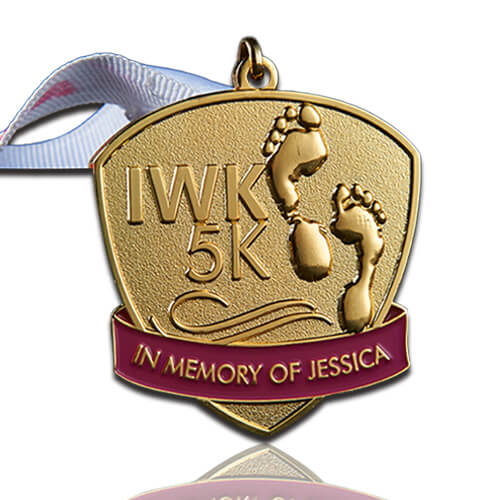
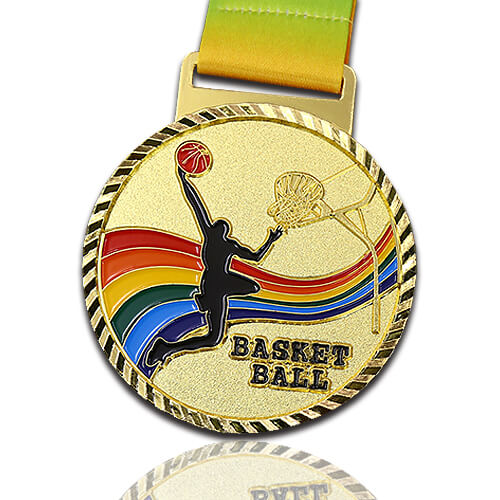
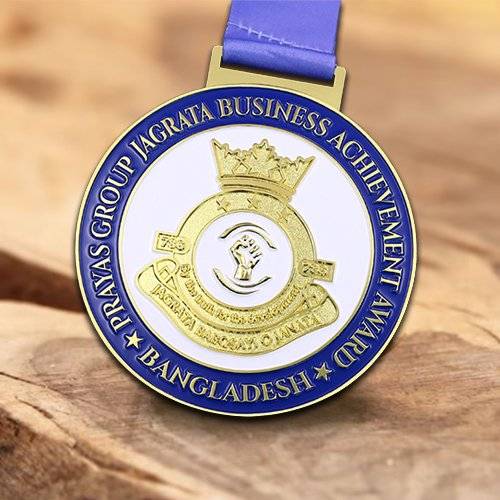
Custom medals are bespoke recognition tokens designed from the ground up to represent a specific event, organization, achievement, or message. Unlike stock medals purchased from a catalog, custom medals are manufactured according to unique artwork, often incorporating a logo, event name, date, and thematic elements.
They go beyond simple identification of "first place" or "participant." A well-designed custom medal tells a story. For example, a marathon medal might feature the race route, the host city’s landmark, and the year—all in one cohesive design. A corporate award medal can embed a company’s core values or product silhouette.
Custom medals are not limited to metal, though metal remains the most common material. They can include mixed materials such as wood, acrylic, leather accents, or even spinning elements. This flexibility makes them suitable for virtually any recognition need, from elite championship events to lighthearted charity fun runs.
From a psychological perspective, a custom medal serves as a durable, tangible reminder of a moment of success. Unlike digital badges or certificates that may be filed away, a medal is often displayed—hung on a wall, placed on a desk, or kept in a drawer where it can be handled and remembered repeatedly.
Key Features of Custom Medals
1. Full-Color Digital Printing
Modern custom medals support full-color printing with resolution high enough to reproduce complex artwork, including gradients, photographs, small text, and intricate logos. This printing is typically applied via pad printing or UV printing, then sealed with a clear epoxy dome for scratch resistance and a glossy finish. This feature enables photo-realistic details impossible with traditional enamel.
2. High-Quality Metal Construction
The base materials most commonly used are iron, zinc alloy, brass, and copper.
Iron is affordable, sturdy, and ideal for large runs.
Zinc alloy allows for sharper, more intricate 3D details.
Brass and copper are used for premium, heirloom-quality medals.
Each medal then receives an electroplated finish: polished gold, matte silver, antique bronze, black nickel, rose gold, and more. Plating not only improves appearance but also protects against tarnishing and wear.
3. Substantial Weight and Tactile Quality
Custom medals are designed with a satisfying, sturdy weight—typically between 70g and 150g for a standard 60mm medal, though heavier options exist for deluxe awards. This heft is intentional: lighter medals feel cheap, while a weighty medal communicates seriousness and respect. The tactile experience of a solid medal in the hand reinforces the emotional value of the achievement.
4. Fully Custom Shapes (Custom Die-Cut)
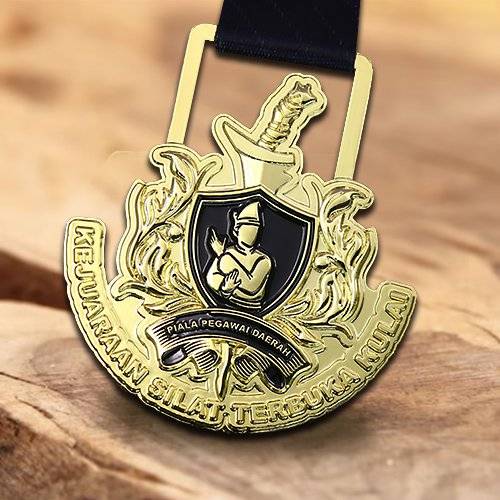
While round medals are traditional, modern manufacturing allows for any shape: corporate logos, animal silhouettes, geographic outlines, stars, shields, trophies, or abstract forms. This is achieved through custom steel molds and precision cutting. A shaped medal stands out instantly from standard round awards.
5. 3D Relief and Two-Sided Designs
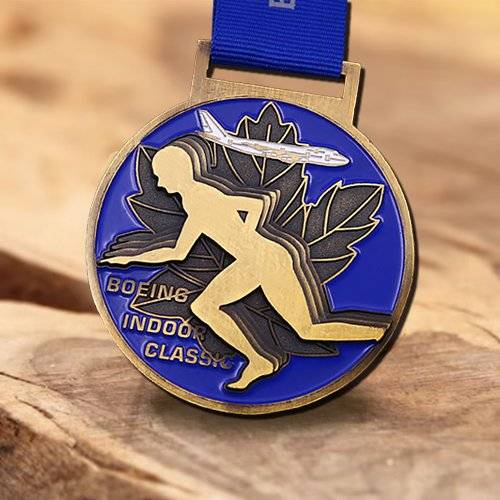
Medals can feature raised (embossed) or recessed (debossed) elements. 3D relief adds depth—for example, a runner in mid-stride or an eagle with spread wings. Both sides of a medal can be used, doubling the storytelling space. One side might show the event logo, while the other carries sponsor logos or a personalized message.
6. Custom-Printed Ribbons
The ribbon is an integral part of the medal experience. Ribbons can be custom dyed in specific Pantone colors, printed with event names, logos, or sponsor mentions, and finished with different edge weaves (satin, grosgrain, moiré). Attachments include metal clips (standard), keychain rings, or lanyard hooks.
7. Optional Functional Elements
Some custom medals include moving parts: spinners (a central rotating disc), cut-out windows revealing a second layer, or even bottle openers built into the edge. These features make the medal both an award and a functional keepsake.
Types of Custom Medals
1. Die-Cast Medals
In this process, molten metal (usually zinc alloy) is injected into a precision steel mold under high pressure. Die-casting is ideal for thick, three-dimensional designs with high relief and complex contours. The result feels very solid and premium.
Best for: Championship medals, military honors, corporate lifetime achievement awards.
2. Die-Struck Medals
A blank metal disc is struck with enormous force between two engraved steel dies. The metal flows into the recesses of the dies, creating sharp, crisp details. Die-struck medals have a classic, minted appearance. They are often left uncolored or given an antique finish to highlight the raised design.
Best for: Vintage-style awards, formal military medals, academic medals.
3. Soft Enamel Medals
After stamping, colored enamel paint is filled into the recessed areas. The paint sits slightly lower than the metal lines, creating a textured feel. Soft enamel is colorful, cost-effective, and fast to produce.
Best for: Sports events, fun runs, school competitions.
4. Hard Enamel (Cloisonné) Medals
The enamel is applied in multiple layers and polished completely flat, so the surface is perfectly smooth. Hard enamel is more durable and scratch-resistant, with a glass-like finish. It is more expensive and requires more production time.
Best for: High-end corporate awards, commemorative coins, premium brand medals.
5. Photo Insert Medals
A recessed area is cast into the medal, where a custom-printed photo or sticker is placed, then covered with a clear epoxy dome. This allows for individualization—each medal can have a different recipient name, photo, or QR code.
Best for: Retirement gifts, personalized participation medals, memorial events.
6. Wooden and Eco-Friendly Medals
Made from sustainable bamboo, birch plywood, or recycled materials. The design is laser-engraved or UV-printed directly onto the wood. These medals are lightweight, biodegradable, and increasingly popular for environmentally conscious events. Metal inserts can be added for weight.
Best for: Eco-friendly charity runs, school events, nature-themed competitions.
7. Challenge Coins (Miniature Medals)
While technically a coin format, challenge coins serve the same recognition purpose as medals. They are smaller (typically 38–50mm), thicker, and often carried in a pocket rather than worn around the neck.
Best for: Military units, corporate teams, VIP event tokens.
What Are Custom Medals Commonly Used For?
1. Sports Competitions
This is the most recognized use. From local 5K fun runs to Ironman triathlons, custom medals reward finishers, top three placements, and age-group winners. Increasingly, events give medals to all participants to encourage registration and foster a sense of accomplishment.
2. Corporate Events and Employee Recognition
Companies use custom medals for sales competitions, project completion awards, years-of-service milestones, and team-building events. A medal can carry more emotional weight than a generic plaque because it can be worn and shown publicly.
3. Fundraisers and Charity Days
Nonprofits give custom medals to major donors, top fundraisers, and event participants. The medal becomes a thank-you gift that also promotes the cause whenever the recipient wears it. Charity walks, gala dinners, and memorial rides all benefit from themed medals.
4. Academic Awards
Schools, colleges, and universities award custom medals for academic excellence, debate tournaments, science fairs, spelling bees, and graduation honors. Medals are also used in military academies for merit and conduct.
5. Military and First Responder Honors
Custom medals are used for formal decorations, service medals, retirement awards, unit citations, and reunion commemoratives. These medals often follow strict design guidelines and are treated with great respect.
6. Private and Social Events
Birthday parties (e.g., a "40th Birthday Champion" medal), bachelor/bachelorette weekends, family reunions, and even pet shows now use custom medals. They add a sense of occasion and make for memorable photo opportunities.
7. Esports and Gaming Tournaments
With the rise of competitive gaming, physical medals are awarded alongside digital trophies. Esports medals often feature futuristic shapes, game controller motifs, or team logos.
8. Trade Shows and Product Launches
Companies create limited-run custom medals as giveaways or scavenger hunt prizes. These medals keep the brand in the recipient’s hand (and on their wall) long after the event ends.
How Custom Medals Are Made (Detailed Process)
Step 1: Artwork Preparation
The customer provides a design file, typically in vector format (AI, EPS, CDR, PDF, SVG). The manufacturer checks for issues such as line thickness (minimum 0.3mm recommended), color separation, and text size (minimum 4pt for legibility). A die-line or cut-line is established.
Step 2: Digital Proof Creation
Using 3D modeling software, the manufacturer creates a photo-realistic or technical proof. This proof shows the medal from multiple angles, including thickness, relief height, color placement, and ribbon attachment point. The customer must approve this proof before any mold work begins.
Step 3: Mold or Die Making
For die-cast medals: A hardened steel mold is CNC-machined. This is the most expensive single step but can be used for tens of thousands of medals.
For die-struck medals: Engraved steel dies are created, with the design in reverse.
For custom shapes: A cutting die is also produced.
Step 4: Blank Production
Metal is heated (if casting) or fed as cold strip stock (if striking). For die-casting, molten zinc alloy is injected into the mold under pressure. For die-striking, the blank is placed between the two dies and pressed with a heavy stamping press. The result is a raw medal blank with the basic design formed.
Step 5: Trimming and Polishing
Excess metal (flash) is trimmed off. The medal is tumbled or hand-polished to remove burrs and achieve a smooth surface.
Step 6: Plating
The medal is electroplated by immersing it in a chemical bath with an electric current. Available finishes include: gold, silver, bronze, nickel, black nickel, antique silver, antique bronze, rose gold, and two-tone combinations. Plating thickness is measured in microns; thicker plating lasts longer.
Step 7: Coloring (Enamel or Paint)
For soft enamel: Paint is injected by hand or machine into recessed areas, then oven-dried. Paint sits below the metal rim.
For hard enamel: Multiple layers of glass-like powder are applied, fired at high temperatures, and then polished flush with the metal surface.
Step 8: Printing (if applicable)
For full-color areas or photo inserts, digital printing is used. A clear epoxy resin is domed over the printed area to protect it from scratches and UV fading.
Step 9: Quality Control
Each medal is inspected for: plating consistency (no bubbles or discoloration), color accuracy (matched to Pantone codes), text legibility, weight tolerance (±5%), and ribbon attachment strength.
Step 10: Ribbon Assembly
Ribbons are cut to length (standard 90cm folded length for a neck ribbon), folded, and stapled or heat-sealed to a metal clip. The clip is then attached to the medal’s top ring. Some medals use a lanyard instead of a traditional folded ribbon.
Step 11: Packaging
Medals are placed into their chosen packaging (poly bag, velvet pouch, display box, etc.) and boxed for shipment. For large events, medals are often arranged in trays with ribbons facing the same direction to speed up distribution.
Price of Custom Medals
The final price of a custom medal is determined by a combination of variables. No single price fits all projects, and it is essential to understand what influences cost.
The primary factors are:
Size – Larger medals require more metal, larger molds, and more finishing time. A 30mm medal is significantly cheaper than a 75mm medal.
Material – Iron is the most affordable. Zinc alloy costs slightly more but allows finer detail. Brass, copper, or bronze premiums are higher.
Design Complexity – Simple 2D designs with one color of enamel are cheap. Complex 3D relief, multiple colors (especially hard enamel), and two-sided detailing increase cost.
Quantity – This is the most influential factor. Mold and setup costs are fixed; therefore, the more medals you order, the lower the cost per medal.
Plating Type – Standard shiny gold/silver/bronze is included in most base prices. Antique, matte, black nickel, or two-tone finishes add a surcharge.
Packaging – Bulk poly bags are almost free. Velvet pouches, display boxes, or blister cards add to the unit cost.
Shipping and Customs – Most custom medals are manufactured overseas, so shipping weight and import duties affect final landed cost.
As a general benchmark for finished medals (including mold, plating, enamel, ribbon, and basic poly bag packaging), the price per medal typically falls in the range of 5.00 USD.
At the lower end (1.50), you will find small (30–40mm) iron medals, simple soft enamel, one-sided designs, ordered in high volumes (10,000+ pieces). At the higher end (5.00), you receive large (70–80mm) zinc alloy medals, full 3D relief, hard enamel, custom shaped, two-sided, with premium antique finishes and velvet pouches, ordered in smaller runs (100–500 pieces).
Important note on bulk pricing:
The setup cost (mold and die) is typically 400 USD, depending on complexity. Spread over 100 medals, that adds 4 per medal. Spread over 5,000 medals, it adds 0.08 per medal. Therefore, ordering a few hundred medals costs dramatically more per piece than ordering several thousand.
For exact pricing, always request a quote with your specific size, material, quantity, and design file.
How to Customize Custom Medals for Your Project
Customizing a medal is a structured process. Following these steps ensures a smooth result.
1. Define the Purpose and Audience
Ask yourself: Who will receive this medal? What did they achieve? Will they wear it around the neck (neck ribbon) or carry it (challenge coin style)? The answers guide every subsequent decision.
2. Establish Your Core Message
Decide which text must appear. Common elements: event name, year, placement (1st, 2nd, 3rd, Participant), organization name, and a short motivational phrase ("Finisher," "Hero," "Excellence").
3. Choose the Medal Shape
Standard round is safe and classic. Custom shapes make your medal memorable. For a beach run, consider a seashell or wave shape. For a tech conference, a microchip or gear shape.
4. Select Size and Thickness
Typical sizes: 40mm (small), 50mm (standard participant), 60mm (premium finisher), 70–80mm (deluxe champion). Thickness normally ranges from 2.5mm to 5mm. Thicker feels more substantial.
5. Pick Material and Plating
Iron + shiny gold plating = standard sports medal. Zinc alloy + antique bronze = prestigious vintage feel. Brass + polished silver = elegant corporate gift.
6. Design the Artwork
Use vector software. Keep critical elements away from the edge (at least 3mm margin). Convert all fonts to outlines. Provide colors as Pantone or CMYK values. For 3D relief, submit grayscale height maps or describe which elements should stand proud.
7. Choose Ribbon Style
Ribbon width: Standard 25mm or 38mm.
Ribbon material: Satin (shiny), grosgrain (textured), or moiré (watermarked).
Printing: Screen-printed text/logo or woven (stronger for long-term use).
Color: Match your brand colors.
8. Select Attachment Method
Top ring + folded ribbon: Most common.
Pin-back (butterfly clutch or safety pin): For lapel pins or smaller medals.
Magnetic back: For delicate fabrics.
Keychain ring: For functional keepsakes.
9. Request a Digital Proof
Never skip this step. Review dimensions, text spelling, color placement, and relief depth. Request corrections as needed. A good manufacturer offers 2–3 free revisions.
10. Order a Physical Sample
For orders over 500 pieces, order one or two physical samples before full production. Examine the plating consistency, enamel fill, weight, and ribbon printing. Approve the sample in writing.
11. Finalize Production and Quality Check
Once the sample is approved, full production begins. Typical lead time is 12–20 business days depending on complexity and quantity.
Packaging Options for Custom Medals
Packaging protects the medal during transit and significantly affects the recipient’s first impression. Below are professional packaging options, from economical to luxurious.
1. Individual Poly Bags
Clear or frosted low-density polyethylene (LDPE) bags with a peel-and-seal closure. Available in various sizes to fit different medal diameters.
Pros: Lowest cost, protects from scratches, see-through display.
Cons: Minimal perceived value, not gift-ready.
Best for: Large-scale events (5K runs, school sports days) where thousands of medals are handed out.
2. Velvet Pouches with Drawstring
Soft velvet or velour in colors such as black, royal blue, red, purple, or custom-dyed. Drawstring closure. The medal is gently wrapped inside.
Pros: Elegant, reusable, adds perceived value, available with logo printing.
Cons: More expensive than poly bags.
Best for: Corporate awards, charity galas, VIP medals.
3. Display Hinged Boxes
Rigid cardboard box with a foam or velvet insert cut exactly to the medal’s shape. Clear lid or solid lid with custom printing.
Pros: Maximum protection, museum-quality presentation, excellent for photography.
Cons: Higher cost, bulkier to ship.
Best for: Championship medals, lifetime achievement awards, military honors.
4. Blister Cards (Clamshell Packaging)
A clear plastic blister is heat-sealed to a printed cardboard backing card. The medal is visible and secure. The card can display event details, sponsor logos, or instructions.
Pros: Retail-ready, theft-resistant, good for merchandise sales.
Cons: Not reusable, plastic waste.
Best for: Medals sold at event merchandise booths or through online stores.
5. Ribbon Trays (Distribution Trays)
Cardboard trays with slotted compartments. Each medal lies flat with its ribbon folded neatly, facing the same direction. Often used by race organizers for fast hanging around runners’ necks.
Pros: Speeds up distribution, prevents ribbon tangles, low cost.
Cons: Not for individual gifting.
Best for: Marathons, triathlons, large competitive events.
6. Cotton Muslin or Eco-Friendly Bags
Natural, unbleached cotton or jute bags with a drawstring. Printed with eco-messages or left plain.
Pros: Sustainable, reusable, aligns with green event values.
Cons: Less protective than boxes, requires careful handling.
Best for: Eco-friendly runs, nature center events, school environmental programs.
7. Tin Tins or Metal Cases
Small metal tins (similar to mint tins) with a custom-printed sleeve or lid. The medal rests inside on a foam pad.
Pros: Unique, highly protective, collectible.
Cons: Expensive, heavy for shipping.
Best for: Limited edition medals, premium challenge coins.
8. Custom Printed Boxes with Foam Inserts
Fully bespoke rigid or folding boxes printed with your brand and event details. Inside, a foam layer die-cut to the exact medal shape.
Pros: Ultimate presentation, unboxing experience, protects completely.
Cons: Highest cost, long lead time for custom box production.
Best for: Product launches, high-end corporate awards, commemorative editions.
Recommendation by event type:
Mass participation race: Poly bag + ribbon tray for distribution.
Charity gala: Velvet pouch.
School sports day: Poly bag.
Corporate sales award: Display hinged box.
Eco-friendly event: Cotton muslin bag.
Conclusion
Custom medals are more than awards—they are lasting symbols of achievement, effort, and shared moments. Whether for a marathon, corporate event, charity run, or academic honor, a well-designed medal carries emotional weight that digital recognition cannot match. By carefully considering factors such as material, size, design complexity, and packaging, you can create a medal that feels as rewarding as the accomplishment it represents.
Ultimately, a custom medal lives on long after the event ends. It becomes a keepsake displayed on a wall, tucked in a drawer, or held in the hand years later to recall a proud moment. With thoughtful customization and quality craftsmanship, your medal will leave a lasting impression on every recipient—turning a simple token into a timeless memory.

