
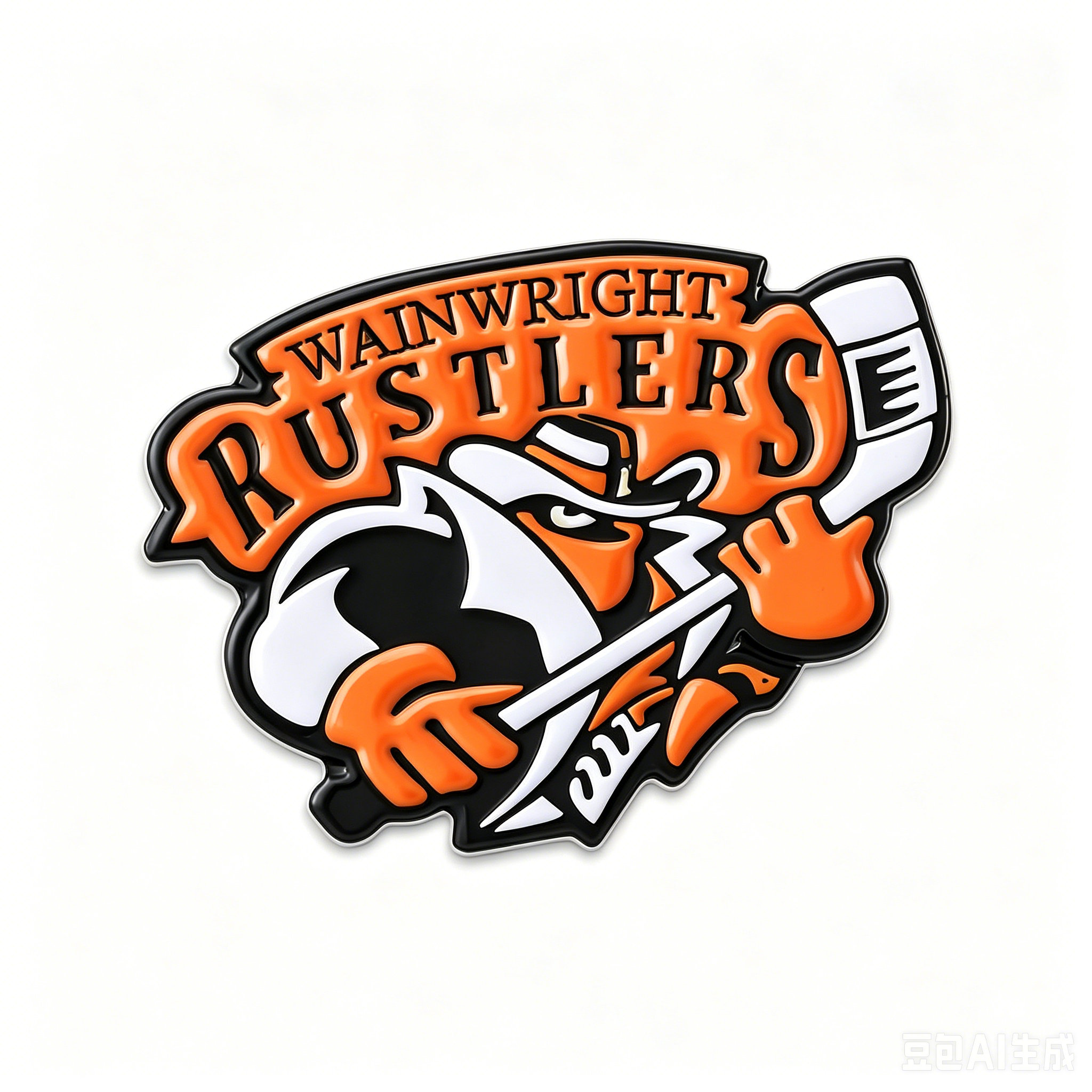
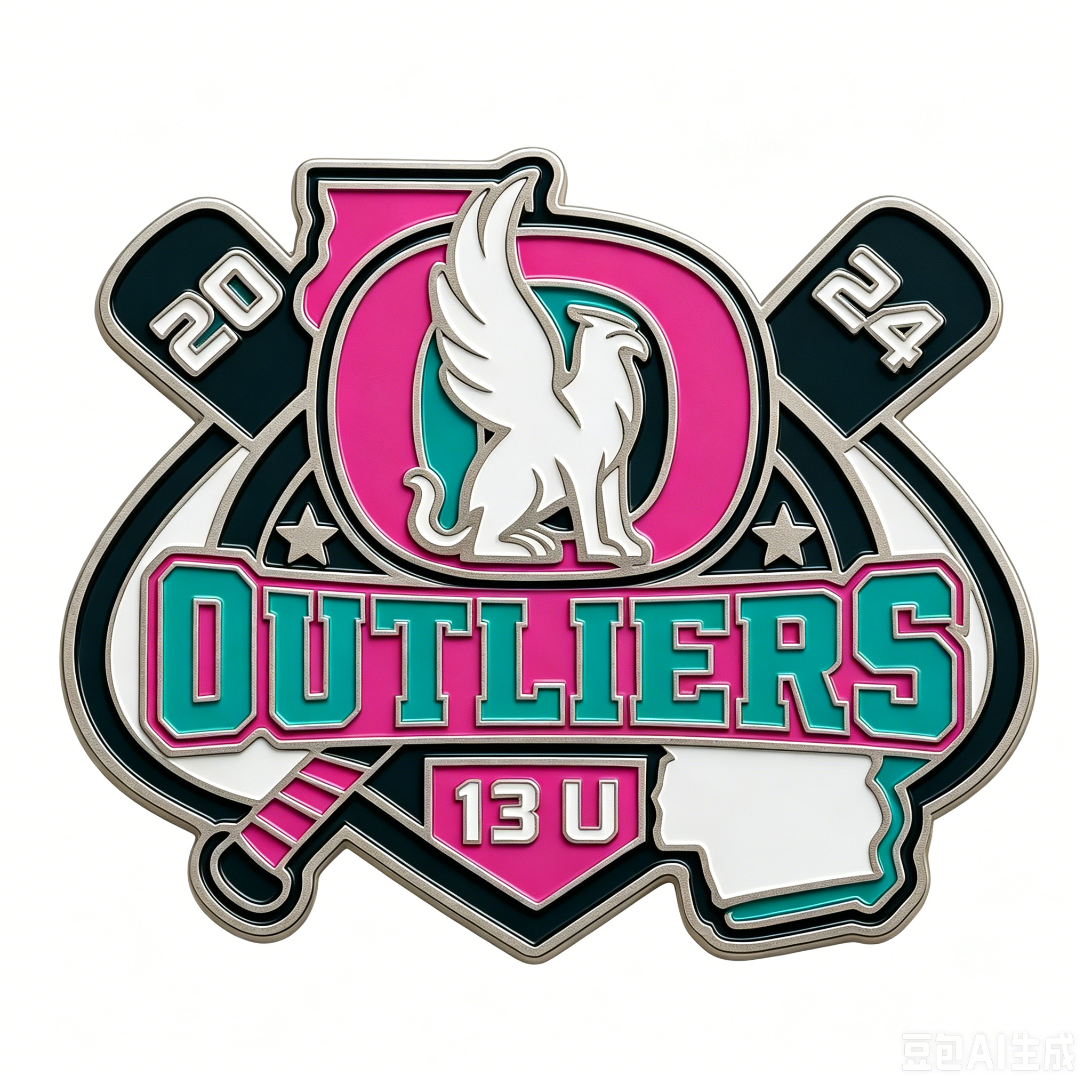
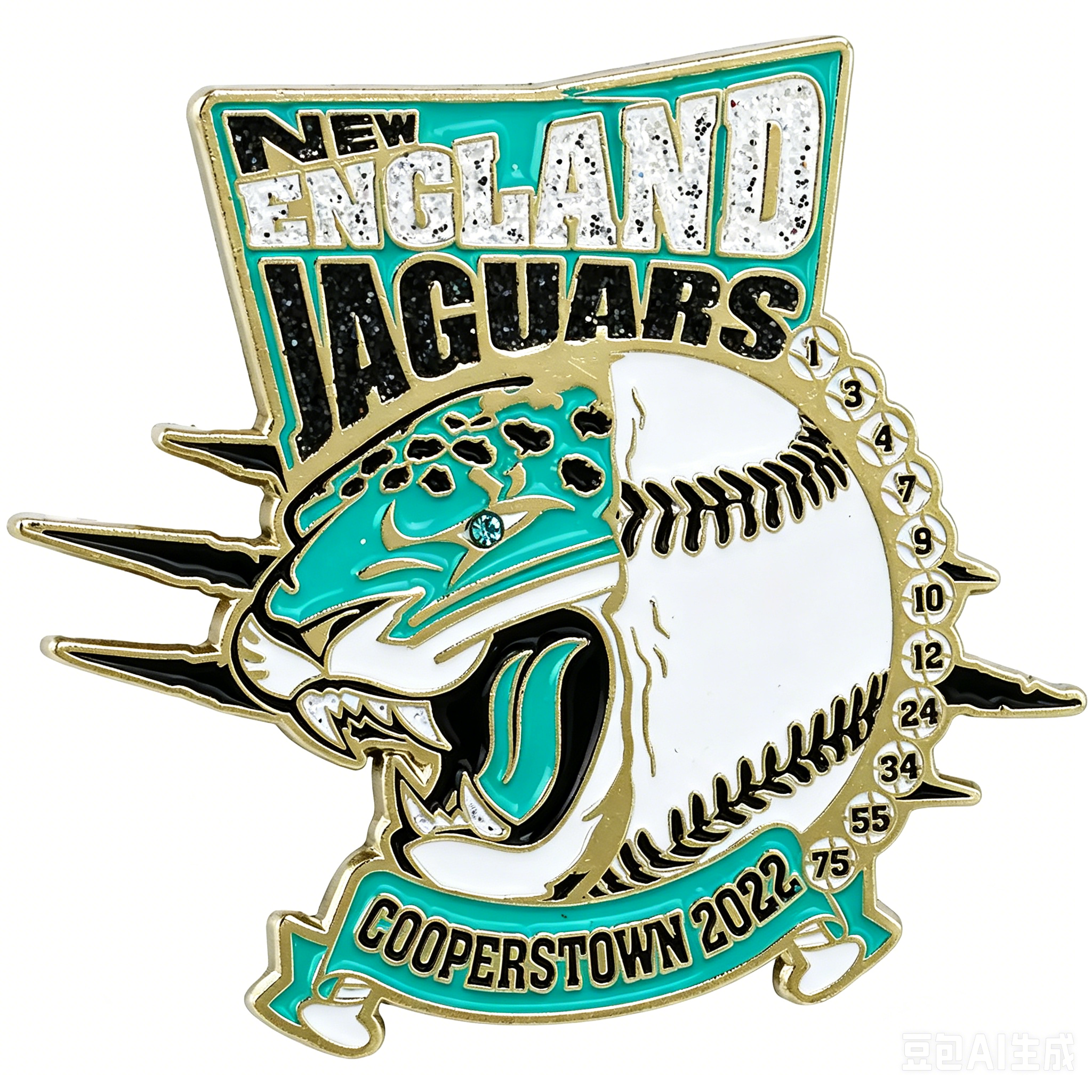
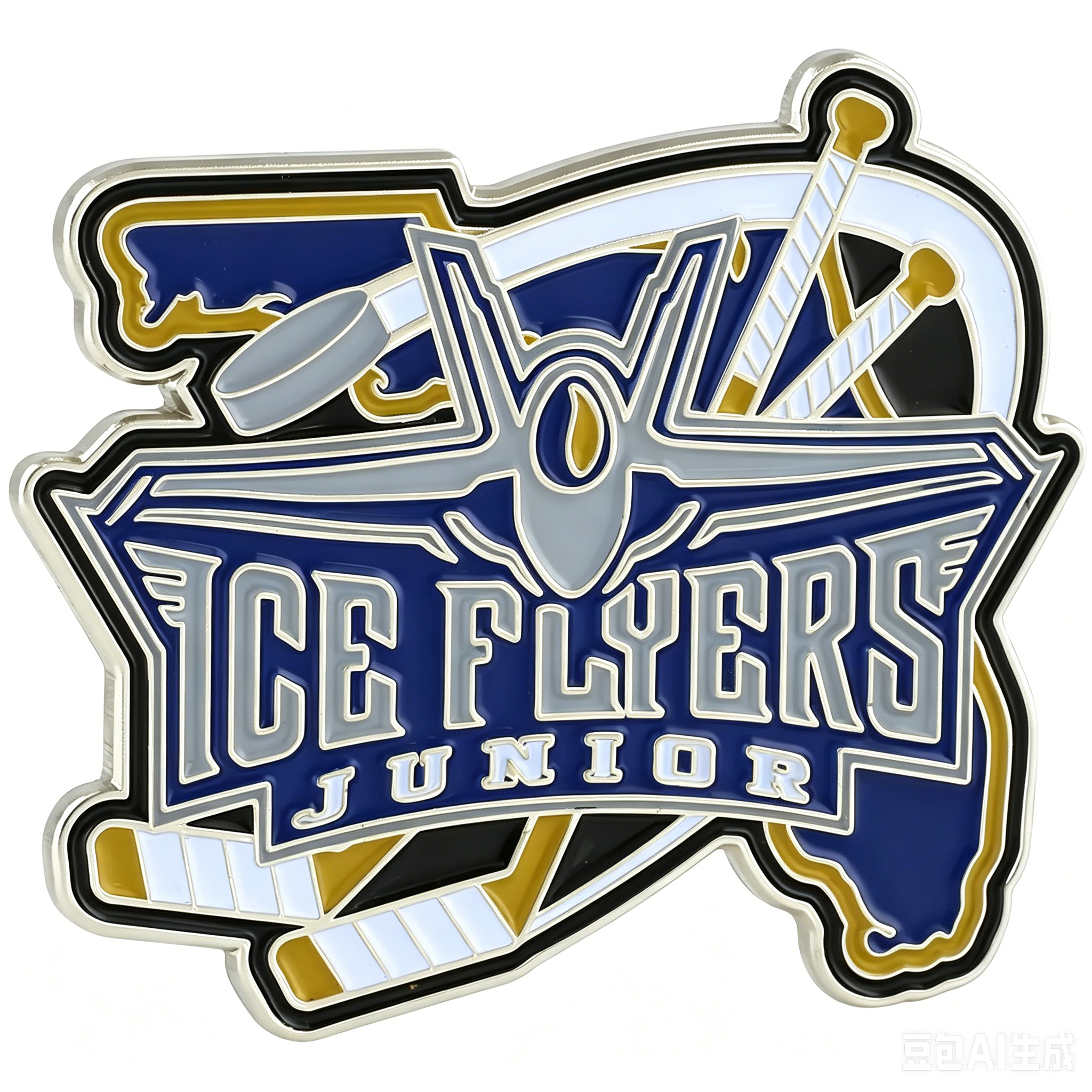


What Are Custom Trading Pins?
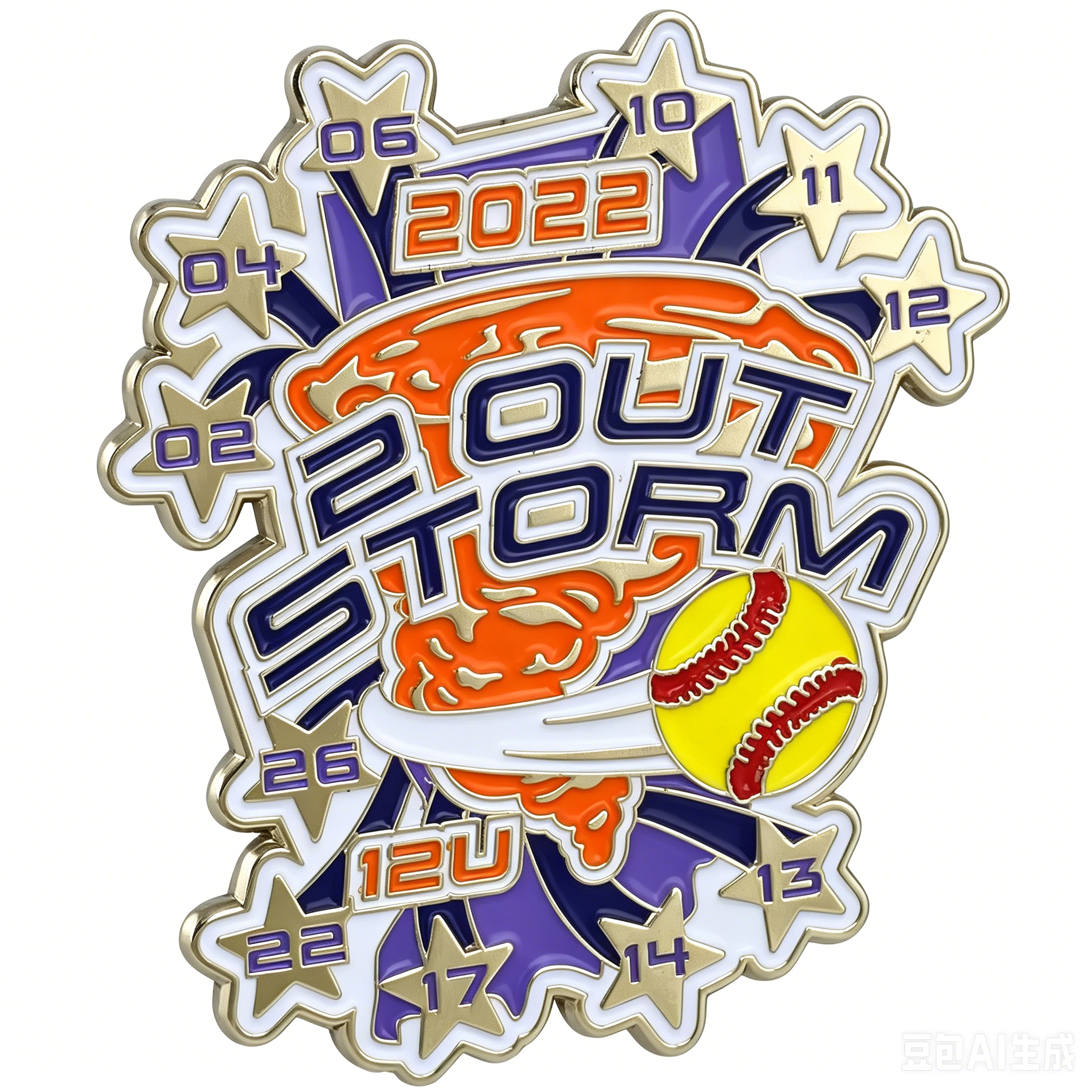
Custom trading pins are small, collectible pins made primarily from metal such as brass, copper, or iron, and finished with colorful enamel. They are designed to feature unique graphics, logos, mascots, or symbols that represent a team, event, organization, or achievement. Unlike mass-produced pins, custom trading pins are created according to specific client requirements, allowing for complete control over size, shape, color, plating, and special effects.
These pins are most famously associated with sports culture, particularly at major events like the Olympics, World Cup, and youth tournaments. Players, coaches, referees, and fans collect and trade these pins as a way to build camaraderie, commemorate participation, and create lasting memories. Beyond sports, custom trading pins are also popular at scout jamborees, corporate conventions, music festivals, and fan conventions like Comic-Con.
What makes custom trading pins truly special is their dual function. On one hand, they serve as a form of identification or recognition — showing that the wearer belongs to a specific team or attended a particular event. On the other hand, they are highly collectible items, with some rare pins becoming valuable over time. The tradition of trading pins encourages social interaction and friendly competition, making them much more than simple accessories.
Key Features of Custom Trading Pins
Custom trading pins come with a range of distinctive features that make them both durable and visually appealing. Understanding these features will help you make better design decisions for your project.
Material Composition – Most custom trading pins are made from zinc alloy or iron. Zinc alloy is preferred for intricate 3D designs because it flows better into detailed molds. Iron is more cost-effective and works well for simpler, die-struck designs. Both materials are sturdy and can withstand repeated handling and trading.
Plating Finishes – The metal base can be plated in various colors, including gold, silver, nickel, copper, black nickel, and antique finishes (antique gold, antique silver, or antique bronze). The plating significantly affects the pin's final look. For example, a black nickel finish gives a modern, sleek appearance, while antique finishes create a vintage, nostalgic feel.
Enamel Types – There are two main types of enamel used in custom trading pins. Soft enamel has recessed color areas with raised metal lines, creating a textured feel that many collectors enjoy. Hard enamel is polished completely flat and smooth, resulting in a more premium, glass-like surface. Hard enamel is generally more durable and scratch-resistant.
Size and Shape Flexibility – Custom trading pins can be produced in virtually any shape, thanks to die-casting technology. Common sizes range from 0.75 inches to 3 inches, though larger pins are possible for special editions. Popular shapes include circles, shields, stars, and custom die-cut silhouettes of mascots or logos.
Attachment Options – The back of a trading pin typically features one or two metal posts with clutches. Common clutch types include the butterfly clutch (metal spring mechanism), rubber clutch (softer and easier to use), magnetic backing (no holes required in clothing), and deluxe clutch (metal with rubber insert for extra security).
Special Effects – To make pins truly stand out, manufacturers offer various special effects. Glow-in-the-dark enamel makes pins visible at night. Glitter adds sparkle and is popular for cheer events. Epoxy dome coating is a clear, hard resin that adds depth and protects the surface. Spinners and sliders introduce moving parts, making the pin interactive and highly collectible. Translucent enamel allows the metal plating to show through colored areas, creating a stained-glass effect.
Types of Custom Trading Pins
There are several distinct types of custom trading pins, each suited for different purposes and budgets.
Soft Enamel Pins – These are the most common and cost-effective type. The recessed enamel creates a textured surface that feels slightly rough to the touch. Soft enamel pins are ideal for large quantity orders where budget is a primary concern, yet they still look vibrant and professional.
Hard Enamel Pins – Hard enamel pins are polished flat after firing, resulting in a smooth, glossy surface that is highly durable. They are more expensive to produce because they require multiple polishing steps, but they offer a premium look and feel that many collectors prefer.
Die-Cast (3D) Pins – These pins are molded with raised or recessed metal details and often contain little or no enamel. The three-dimensional effect gives them a sculptural quality, making them perfect for mascots, animal designs, or architectural elements.
Offset Printed Pins – Using a printing process similar to photograph printing, offset pins can reproduce complex images, gradients, and fine details that are impossible with traditional enamel. However, they are less durable and may scratch more easily.
Glow-in-the-Dark Pins – Special phosphorescent enamel absorbs light and glows in darkness. These are extremely popular for evening events, night games, or Halloween-themed tournaments.
Spinner and Slider Pins – These interactive pins have a movable component attached with a rivet. A spinner pin might feature a basketball that rotates around a hoop, while a slider pin has a piece that moves back and forth along a track. These mechanical features greatly increase collectible value.
Glitter Pins – Glitter is mixed into the enamel, creating a sparkling effect. This type is especially popular among cheerleading squads, dance teams, and women's sports events.
What Are Custom Trading Pins Commonly Used For?
Custom trading pins have an impressively wide range of applications across many industries and activities.
Sports Tournaments and Championships – This is the most traditional and common use. At basketball, baseball, soccer, hockey, and volleyball tournaments, players trade pins with opponents as a sign of mutual respect. Coaches and referees also participate. The tradition helps break down competitive barriers and builds a sense of community.
Team Spirit and Uniforms – Many teams order custom trading pins for their own players to wear on lanyards, hats, backpacks, or warm-up jackets. These pins foster internal pride and make players feel like they belong to something special.
Fan Collectibles and Merchandise – Professional sports teams often sell trading pins at team stores or give them away during promotional nights. Fans enjoy collecting pins from different seasons, playoff runs, or special events. Some pins become rare and valuable over time.
Corporate Events and Conventions – Companies use custom trading pins as branded giveaways at trade shows, product launches, and sales meetings. Employees trade pins with colleagues from different departments or regions, turning a corporate event into a more engaging experience.
Scout Jamborees – Scouting organizations have a long-standing tradition of trading custom pins. Local troops, councils, and national jamborees all produce unique pins that scouts eagerly trade as a way to document their scouting journey.
Schools and Booster Clubs – Schools award custom pins for academic achievements, perfect attendance, or athletic accomplishments. Booster clubs sell pins to raise funds for sports programs, uniforms, and equipment.
Fundraising Campaigns – Nonprofits and community organizations often sell custom trading pins as fundraisers. Because the per-unit cost is low when ordering in bulk, pins offer excellent profit margins.
Olympic and International Games – Pin trading is practically a sport unto itself at the Olympics. Athletes, coaches, media, and spectators all participate, with some collectors spending years building complete sets from multiple games.
How to Design Trading Pins That Get Noticed?
Designing a trading pin that people actually want to trade requires more than just shrinking your logo onto a metal circle. The best pins spark conversations, tell a story, and stand out from the hundreds of other pins on a collector's lanyard. Here are the key principles to follow.
Keep It Bold and Simple – Trading pins are small, typically 1 to 2 inches in size. Fine details and tiny text will become illegible. Focus on one central image — a mascot, a trophy, a bold number, or a key symbol. Use thick outlines and high-contrast colors. If a fan can understand your pin from five feet away, you have designed it well.
Leverage the Shape – Do not settle for a boring circle or square. Die-cut shapes that follow the outline of your design — a basketball, a soccer cleat, a hockey stick, or your mascot's head — are far more eye-catching. Custom shapes cost only slightly more than standard shapes but dramatically increase visual appeal and collectibility.
Use Color Strategically – Limit your palette to 4 to 6 colors maximum. Too many colors create visual chaos and drive up production costs. Prioritize your team's primary colors, then add one accent color for contrast. Metallic plating (gold, silver, black nickel) acts as an additional "color" that adds perceived value without increasing enamel complexity.
Tell a Story with Year and Event Details – Include the tournament year, location, or a specific achievement. "2026 Regional Champions" or "10th Annual Memorial Tournament" turns a generic pin into a time-stamped memory. Collectors love pins that mark a specific moment because they become souvenirs of personal history.
Add Movement or Interactivity – Spinners, sliders, and moving parts are the easiest way to make your pin a "must-have." A baseball spinner that rotates around a bat, a hockey puck that slides across a rink, or a basketball that drops through a hoop — these mechanical features create instant curiosity and make your pin stand out in a crowded trading pile.
Consider the Back of the Pin – Most people ignore the back, but smart designers use it. You can add a second clutch post for stability on larger pins. Some custom pins include a stamped year or website URL on the back. A few manufacturers even offer two-sided designs, though this increases cost significantly.
Test Your Design at Small Scale – Before finalizing, print your design at actual size (1.5 inches) on a piece of paper. Can you read the text? Are the colors distinct? Does the shape read clearly? If something looks muddy on paper, it will look worse on metal. Simplify until every element serves a purpose.
Study What Collectors Love – Look at popular trading pins from major events like the Olympics, NBA All-Star Weekend, or the Little League World Series. Notice patterns: bold mascots, interactive elements, limited edition markings, and series collections (e.g., "Set 1 of 4"). Emulate these successful strategies rather than reinventing the wheel.
By following these design principles, you will create trading pins that do not just get handed out — they get fought over.
How Custom Trading Pins Are Made
The manufacturing process for custom trading pins involves a series of precise steps, each requiring skilled craftsmanship.
Step 1: Artwork Submission – The client provides a design in vector format (AI, CDR, PDF, or EPS). If no digital file exists, a hand-drawn sketch can be converted by the manufacturer's art team. A professional proof is then created for client approval before any metal is cut.
Step 2: Die Creation – A hardened steel mold, called a die, is CNC-machined based on the approved artwork. This is the most expensive one-time cost because the die must be cut with extreme precision. The die's lifespan typically allows for thousands of strikes.
Step 3: Metal Stamping – The die is mounted in a stamping press, and a metal blank (usually brass or iron) is struck under high pressure. The design is permanently impressed into the metal. For 3D cast pins, molten metal is poured into a mold instead.
Step 4: Enamel Filling – Colored enamel paint is carefully injected into the recessed areas of the stamped metal. Each color is applied separately, and the pin is baked between colors to harden the enamel. Soft enamel pins receive a single bake; hard enamel pins receive multiple bakes and polishes.
Step 5: Polishing and Plating – The pin is polished to remove excess enamel and smooth rough edges. Then the entire pin receives its final metal plating — gold, silver, black nickel, or another finish. Plating not only enhances appearance but also prevents the base metal from tarnishing.
Step 6: Attachment Soldering – Clutch posts or other attachment mechanisms are welded onto the back of the pin using high-temperature soldering. Quality control ensures the posts are perfectly aligned and securely attached.
Step 7: Final Quality Inspection – Every pin is individually inspected for color accuracy, plating consistency, sharpness of details, and secure attachments. Defective pins are rejected and recycled.
The entire process typically takes 10 to 18 business days, though rush orders can be completed in as few as 5 days for an additional fee.
Price of Custom Trading Pins
The price of custom trading pins depends on several factors, including size, material, design complexity, and quantity. Generally, prices range from 5.00 per pin. Smaller, simpler designs with fewer colors are at the lower end of this range, while larger, intricate pins with special effects such as spinners, glow-in-the-dark features, or 3D casting are priced higher.
Ordering in bulk saves you money. A run of 500 pins may cost $2.00 per pin, but increasing your order to 5,000 pins can bring the price below1.00 per pin. Large quantities are ideal for tournaments, school districts, and national events.
Additional costs to consider include a one-time mold fee (typically 80 per design), rush production fees (if needed), and setup fees for complex special effects. Packaging also adds to the final price — individual poly bags are inexpensive, while custom-printed cards or velvet boxes increase costs.
To get the best value, it is recommended to request quotes from multiple manufacturers, combine multiple designs into a single production run to share mold fees, and order the largest quantity your budget allows.
How to Customize Custom Trading Pins for Your Project
Customizing your own trading pins is a straightforward process if you follow these ten steps.
1. Define Your Purpose – Are the pins for a single tournament, an entire season, a fan giveaway, or a fundraiser? The purpose affects every other decision.
2. Choose Your Design Elements – Decide what will appear on the pin: team logo, mascot, year, event name, slogan, or a combination. Keep in mind that simple, bold designs are more recognizable at small sizes.
3. Select Pin Type – Choose between soft enamel (budget-friendly, textured), hard enamel (premium, smooth), 3D cast (sculptural), or interactive (spinner/slider).
4. Specify Size and Shape – Standard 1-inch round pins are most economical, but custom die-cut shapes in the 1.5- to 2-inch range offer much greater visibility for only a modest cost increase.
5. Pick Plating Color – Gold and silver are classic choices. Black nickel gives a modern look. Antique finishes add vintage character.
6. Add Special Effects – Consider glow-in-the-dark for evening events, glitter for cheer teams, or epoxy dome for extra durability and shine.
7. Determine Quantity – Minimum orders typically start at 50 to 100 pieces, with no upper limit. Larger quantities dramatically lower unit cost.
8. Request a Digital Proof – Most manufacturers provide a free digital rendering showing exactly how the pin will look before production begins.
9. Approve a Physical Sample – For large or complex orders, request a physical sample. A small fee applies, but this allows you to see and feel the actual pin before full production.
10. Finalize Packaging and Shipping – Choose how pins will be packaged (poly bags, backing cards, boxes) and confirm delivery timeline.
Packaging Options for Custom Trading Pins
Proper packaging protects your custom trading pins and enhances their perceived value. The right packaging can turn a simple pin into a premium collectible.
Individual Poly Bags – These small, clear plastic bags are the most basic and cost-effective option. Each pin is sealed in its own bag to prevent scratching. This is ideal for bulk distribution where presentation is not a priority.
Custom Backing Cards – A cardboard card with custom printing displays the pin mounted on the front. The card can include your team logo, event details, or a QR code linking to your website. Backing cards make pins look professional and are popular for retail sales and trading events.
Velvet or Felt Pouches – Small drawstring pouches made from soft fabric offer an elegant presentation. These are often used for award pins, hall of fame inductees, or limited edition releases.
Plastic Display Boxes – Clear, rigid plastic boxes with foam inserts protect pins and make them easy to display. Collectors often store their pins in these boxes to keep them dust-free and organized.
Foam Trays – For tournament organizers distributing hundreds of pins, foam trays can hold dozens of pins securely. Players can easily see and select pins they want to trade.
Blister Packs – Retail-style packaging with a cardboard back and molded plastic front is ideal for selling pins at merchandise booths. Blister packs deter theft and look professional on display racks.
Custom Tin Boxes – Branded metal tins offer the highest perceived value. These are typically reserved for special edition pins, championship sets, or pins sold at premium prices.
Choosing the right packaging depends on your budget, distribution method, and whether the pins will be traded freely, sold to fans, or presented as awards. For most trading pin projects, custom backing cards offer the best balance of cost, protection, and presentation.

