




What Are Offset Printed Pins?
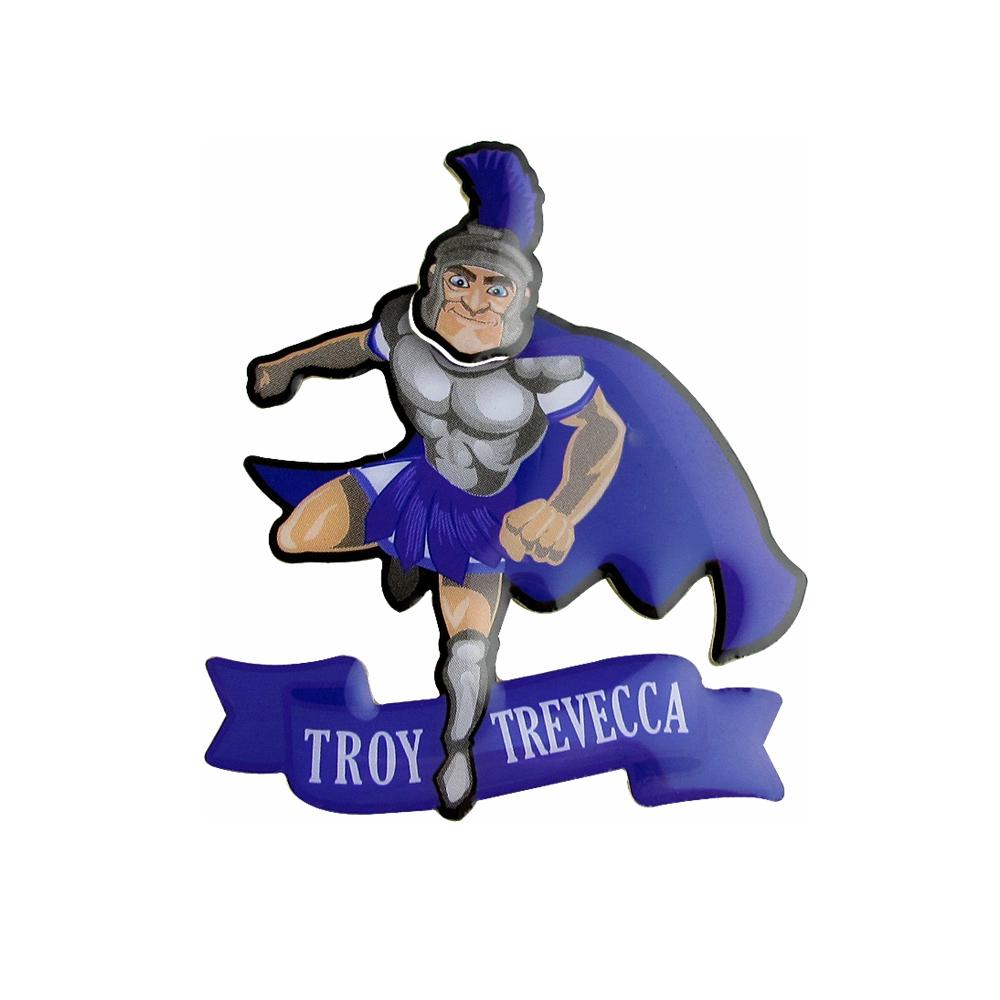
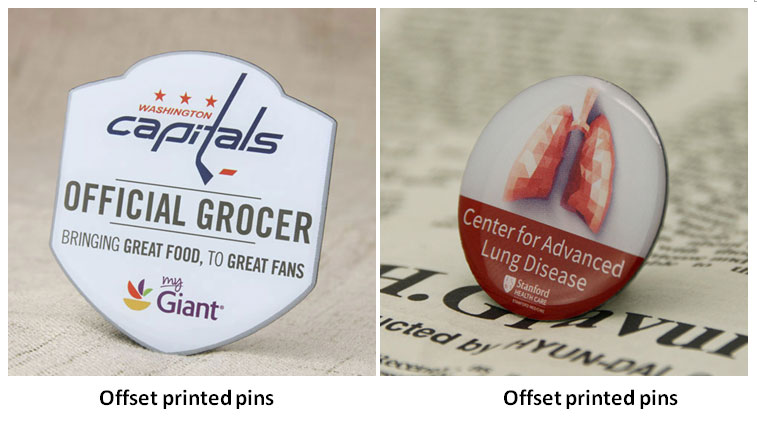
Offset Printed Pins are a type of custom lapel pin that uses high-precision offset printing technology to transfer a full-color design onto a flat metal base. Unlike traditional die-struck or soft enamel pins, offset printed pins do not rely on metal ridges or recessed areas to separate colors. Instead, they are printed much like a high-resolution photo onto the metal surface, enabling photographic quality, smooth color gradients, and extremely fine details.
The base metal (typically iron, copper, or zinc alloy) is first polished and plated. Then the design is printed directly onto the metal using CMYK (cyan, magenta, yellow, black) inks. Finally, a clear, hard epoxy resin coating is applied over the entire printed area. This resin layer protects the artwork from scratches, fading, and oxidation, while giving the pin a smooth, glossy, slightly domed finish.
In short, if you have a complex design with gradients, tiny text, portraits, or photographic elements, offset printed pins are usually your best choice.
Key Features of Offset Printed Pins
Compared to other pin types, offset printed pins offer a unique set of advantages:
Full-Color Capability: Supports the entire CMYK color gamut. Any color and any smooth gradient can be reproduced accurately – no color separation limits.
High Detail Resolution: Even very small text (as small as 4pt) or intricate linework can be clearly printed. Ideal for designs containing a lot of information.
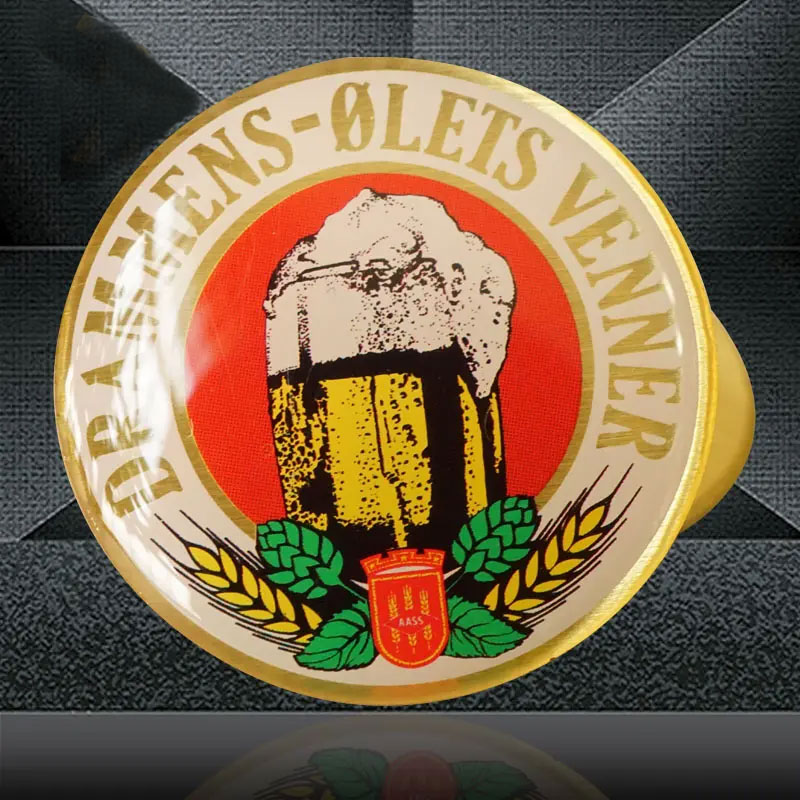
Smooth, Glossy Surface: The epoxy coating creates a perfectly flat, smooth, and slightly domed surface with a glossy finish. No metal ridges interrupting the artwork.
Cost-Effective for Complex Designs: For designs with many colors (especially over 5 colors), offset printing is far more economical than traditional soft enamel or hard enamel, which require manual color filling and multiple baking steps.
Fast Sampling and Production: Since no complex metal color-separation dies are needed, sampling is quicker. This is ideal for projects with tight deadlines.
Most Popular Lapel Pin Styles
Among offset printed pins, the following styles are the most popular:
Standard Flat Printed Pin: The most common style. The metal base is completely flat, and the entire surface is printed and covered with epoxy. Great for almost any design.
Custom Die-Cut Shape: The pin is cut precisely along the outline of your design, not limited to circles or squares. Combined with offset printing, die-cut shapes make the pin highly unique.
3D Dome Pins: A thicker domed epoxy layer is applied over the printed surface, creating a raised, crystal-clear, magnified effect. This gives the pin strong visual impact.
Glow or Glitter Offset Pins: Special effect powders (glow-in-the-dark or glitter) are mixed into the epoxy or printed ink layer, creating unique luminous or sparkling finishes.
Printed Pins with a Metal Rim: A thin, unprinted metal edge (gold, silver, or black) remains exposed. This protects the printed area while adding a touch of traditional metallic elegance.
Offset Printed Pins: Pros and Cons
To make a fully informed decision, it helps to weigh the advantages and disadvantages of offset printed pins against other common pin types (like soft enamel, hard enamel, or die-struck pins).
| Pros (Advantages) | Cons (Disadvantages) |
|---|---|
| True Full-Color & Gradients – Can reproduce photographic images and smooth color transitions that are impossible with enamel or die-struck methods. | Flat Surface Feel – The top surface is completely smooth due to the epoxy coating. Some customers miss the tactile raised metal ridges of soft enamel pins. |
| Extremely High Detail – Tiny text (as small as 4pt), fine lines, and intricate logos print clearly. | Less "Metallic" Appearance – Most of the design is covered by ink and epoxy, so the metallic luster of the base metal is largely hidden (except for the rim or back). |
| Cost-Effective for Complex & Multi-Color Designs – Adding more colors does not increase the cost, making it cheaper than enamel for designs with 6+ colors. | Not Suitable for Deep 3D Relief – Offset printing is essentially a 2D process. If you want raised or recessed metal textures, you need die-struck or enamel pins. |
| Faster Production & Sampling – No need to create complex metal color-separation dies. Sampling can take days instead of weeks. | Epoxy Can Yellow Over Time – Low-quality epoxy or prolonged direct sunlight exposure may cause slight yellowing over many years (though high-quality materials resist this well). |
| Consistent Results Across Large Batches – Being a printing process, every pin looks identical. No manual color-filling variations. | Scratches on Epoxy Are Visible – While the epoxy is hard, it is not scratch-proof. Deep scratches on the epoxy surface can be noticeable (though the print itself remains protected). |
| Great for Photographic or Artistic Designs – Ideal for character art, portraits, landscapes, or any design with soft shading. | Not as "Premium" Feeling to Some – Hard enamel pins often feel heavier and more jewelry-like. Offset pins feel more like a printed, coated product. |
Summary: Choose offset printed pins when your design relies on gradients, tiny text, many colors, or photographic elements. Choose traditional enamel or die-struck pins when you want a heavy, textured, antique-metal look and feel.
What Are Offset Printed Pins Commonly Used For?
Because of their excellent color reproduction and flexibility, offset printed pins are widely used in:
Corporate Branding & Events – Anniversaries, product launches, trade show giveaways. Perfect for logos with gradients or photographic backgrounds.
Fan Communities & Anime Merchandise – Doujinshi (fan art) pins, idol fandom pins. Fans love the full-color, high-quality character art.
Non-Profits & Awareness Campaigns – Fundraising events, breast cancer awareness month, etc. Campaign posters or photos can be easily turned into pins.
Personal Keepsakes & Gifts – Wedding favors, pet portrait pins, family photo pins. Low mold fees make personal custom orders feasible.
Sports Events & Educational Institutions – Marathon medals, school anniversaries, club recruitment pins. The event's key visual or mascot can be fully reproduced.
How to Design Trading Pins That Get Noticed
To create offset printed pins that truly stand out, follow these design principles:
Always Use High-Resolution Art – Offset printing is a printing process. Provide files at a minimum of 300 DPI (vector files like AI, PDF, or SVG are best). A blurry file makes a blurry pin.
Embrace Gradients & Shadows – This is offset printing's greatest strength. Don't limit yourself to solid colors. Use shading, drop shadows, and smooth transitions to give your pin a 3D, poster-like depth.
Watch Out for Extremely Small Details – While offset printing is accurate, there are physical limits. Avoid text smaller than 1.5mm in height. Keep fine lines of different colors at least 0.3mm apart.
Leave a Safe Margin – Keep important elements (especially text and faces) at least 1.5–2mm away from the edge of the pin, otherwise they may be cut off during die-cutting.
Understand the Epoxy Effect – Remember the final pin will be covered in a glossy, slightly thick resin. This makes dark colors appear deeper and bright colors more vivid – similar to applying a high-gloss lamination.
Plan Your Shape Early – Will it be a standard shape (circle, square) or custom die-cut? Die-cut shapes greatly improve recognition but add mold costs. Plan accordingly.
How Offset Printed Pins Are Made
Understanding the manufacturing process helps you communicate better with suppliers. The typical process for offset printed pins is as follows:
Mold Creation – A flat metal mold (not a relief mold) is created. This determines the basic shape and size of the pin.
Stamping & Shaping – Metal strip (usually iron or copper) is stamped or cut into the rough shape of the pin.
Polishing & Plating – The metal base is polished and then electroplated with the specified metal color (gold, silver, nickel, black metal, etc.). This determines the look of the rim and back of the pin.
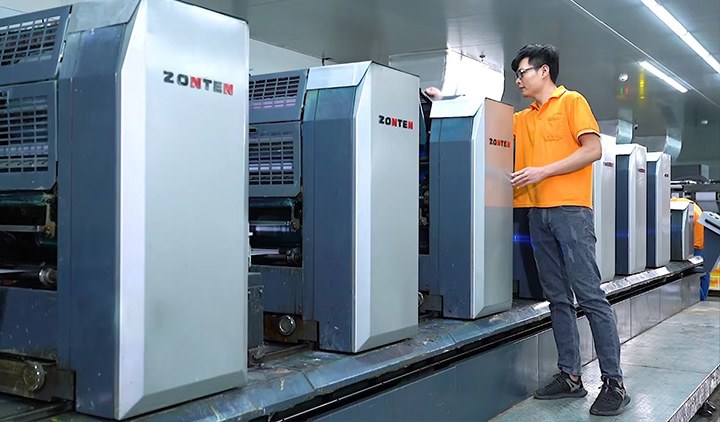
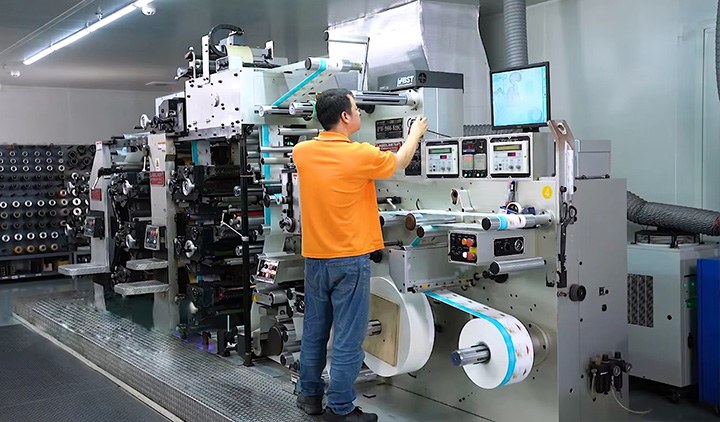
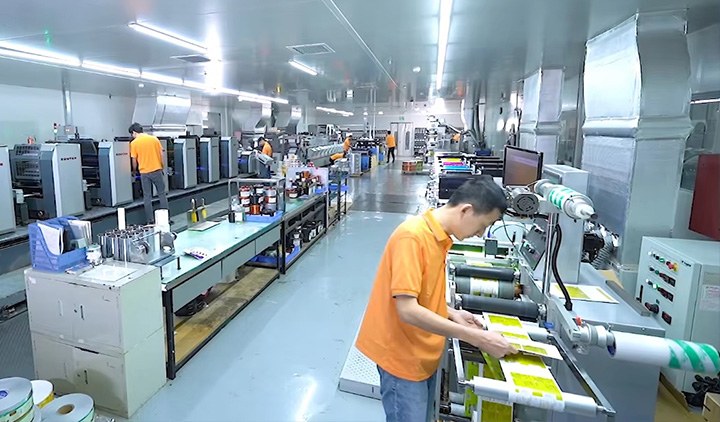
Offset Printing – The core step. Using a specialty metal offset printer, your design (separated into CMYK layers) is printed directly onto the flat metal surface. Each color layer requires a separate print and drying cycle.
Epoxy Coating – Liquid epoxy resin is carefully dropped onto the printed design and allowed to self-level. The resin forms a transparent, hard, slightly domed protective layer.
Baking & Curing – The pins go through an oven at a controlled temperature to cure the epoxy, making it hard and crystal-clear.
Die-Cutting & Edge Polishing – For custom-shaped pins, this stage performs precision cutting along the design outline, followed by edge polishing to ensure a smooth feel.
Attaching Backing Hardware – Using spot welding or strong adhesive, the specified backing is attached – commonly butterfly clutches, safety pins, magnets, or rubber clutches.
Quality Inspection & Packaging – Each pin is inspected for printing defects, bubbles, or scratches. Approved pins are then packaged according to your requirements.
Price of Offset Printed Pins
When discussing the price of offset printed pins, it is important to understand a different pricing logic compared to traditional pins (like soft enamel or die-struck). The price depends heavily on quantity, and color complexity works in your favor.
Comparison with Traditional Pins: If you design a soft enamel pin with 12 solid colors, the price will be high because each color must be hand-filled and baked separately. But for the same 12-color design made as offset printed pins, the cost barely increases – printing one color vs. twelve colors takes almost the same machine time. Thus, the more colors and the more complex your design, the greater the cost advantage of offset printed pins over traditional types.
Cost Components: The price consists of three main parts: mold fee (one-time) + printing & material cost + labor/post-processing. Generally, the mold fee for offset pins is lower than for intricate die-struck molds, but may be similar to a basic soft enamel mold.
How Price Changes with Quantity: This is the most critical factor. The unit price of offset printed pins drops dramatically as quantity increases.
At small quantities (50–200 pcs) , the unit price is relatively high due to amortized mold costs and machine setup time. This range is suitable for trial events or small fan community orders.
At medium quantities (500–1,000 pcs) , the unit price drops quickly to a very competitive level. This is the ideal order range for most businesses and organizations.
At large quantities (3,000+ pcs) , the unit price becomes very economical. Each pin may cost only a fraction of a regular cup of coffee.
A General Price Indication: For a typical full-color offset printed pin (standard size, e.g., 1.5 inches), at medium quantities, the price per pin is usually less than a fast-food meal. For more complex custom die-cut shapes, larger sizes, or special plating, the price will be higher. Compared to traditional enamel pins that require significant manual labor for the same complex design, offset printed pins often save you a noticeable amount of money, especially once you order several hundred pieces or more.
How to Get an Accurate Quote: The most effective approach is to send your supplier: 1) your vector design file, 2) desired dimensions, 3) target quantity, and 4) backing type. This will give you a customized price for your specific project.
How to Customize Offset Printed Pins for Your Project
If you are ready to customize your own offset printed pins, follow these steps:
Prepare Your Design File – Export a high-resolution (300 DPI) PNG or JPG, or better yet, provide the vector source file (AI, CDR, PDF). Ensure all text is converted to outlines.
Determine Physical Specifications – Define the exact dimensions (e.g., 25mm x 25mm, or "1 inch round") and whether the shape is standard (circle, square) or custom die-cut (along the artwork outline).
Select the Metal Plating (Rim Color) – What metal color should be exposed? Confirm whether you want gold, silver, black metal, or antique bronze for the rim and back.
Choose the Backing Attachment – Standard butterfly clutch is cost-effective. Safety pins are good for frequent attaching/removing. Magnetic backs are fabric-friendly. Rubber clutches hold firmly. Choose according to usage.
Contact Suppliers & Provide Your Artwork – Send all the above information and files to several reputable pin manufacturers. A good supplier will review your artwork for free and suggest adjustments to avoid production issues.
Approve a Physical Sample – Always request a physical sample before mass production. Use the sample to confirm that colors, dimensions, and epoxy quality meet your expectations.
Place Your Production Order – Once the sample is approved, proceed with the bulk order. Typical production lead time (from sample approval to shipment) is approximately 7–15 business days – faster than most traditional metal pins.
Packaging Options for Offset Printed Pins
Proper packaging not only enhances product value but also creates a better brand experience. Here are common packaging options for offset printed pins:
Individual OPP Bags – The most basic and economical option. Each pin goes into a clear plastic bag to prevent dust and scratches. Ideal for large giveaways or promotional use.
Backing Card + Plastic Sleeve – The pin is attached to a custom printed card (usually black, white, or with your brand info) and then sealed in a plastic sleeve. This is the most common retail and gift packaging, greatly improving display quality.
Velvet or Velour Pouch – Suitable for higher-end scenarios such as annual company awards or employee recognition pins. The soft fabric pouch protects the pin nicely and feels premium.
Clear Plastic Box – A square or round hard plastic box with a foam or sponge insert that holds the pin securely. This offers good protection while clearly displaying the product, making it ideal for selling at trade shows or retail counters.
Custom Printed Paper Box – A printed paper box designed to your size and quantity requirements, featuring your brand logo and product info. This is the highest-end option, suitable for gift sets or collector’s edition pins.
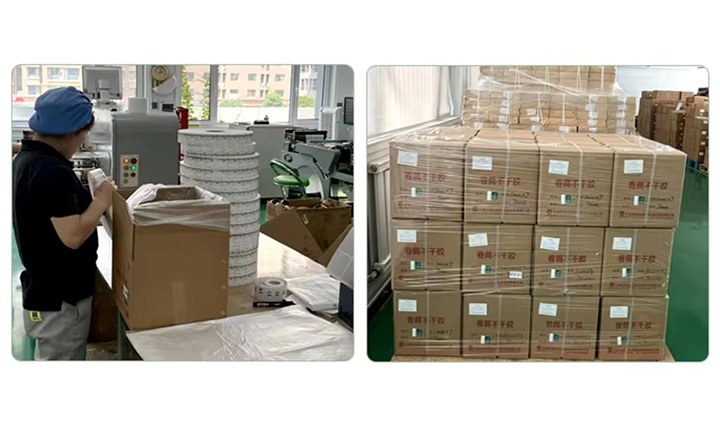
Bulk with Foam Lining (Master Carton) – For customers ordering large quantities without individual retail packaging, suppliers typically arrange hundreds of pins neatly in a sturdy carton with foam dividers, with soft paper between layers. This is the most economical and safe method for bulk shipping.

