
What Are Custom Printed Patches?
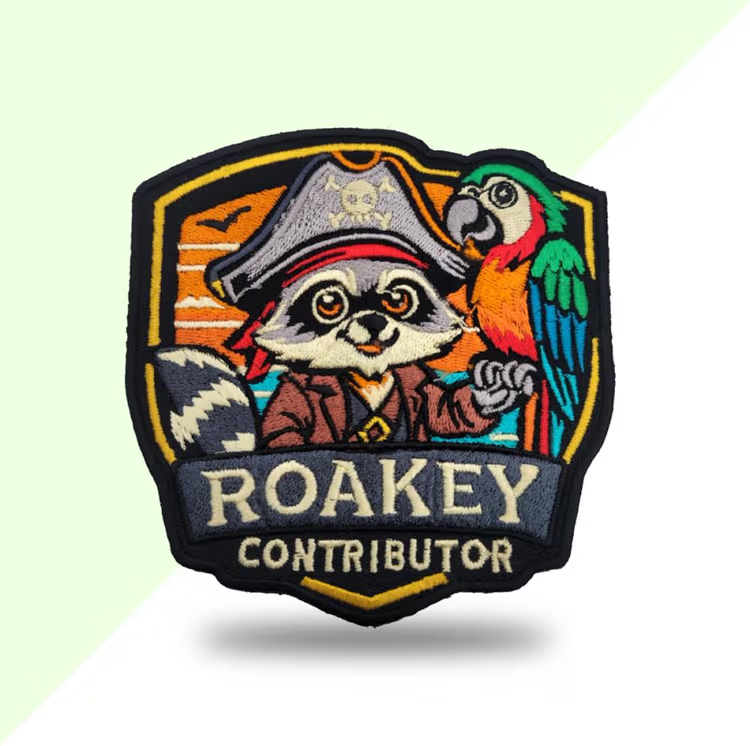
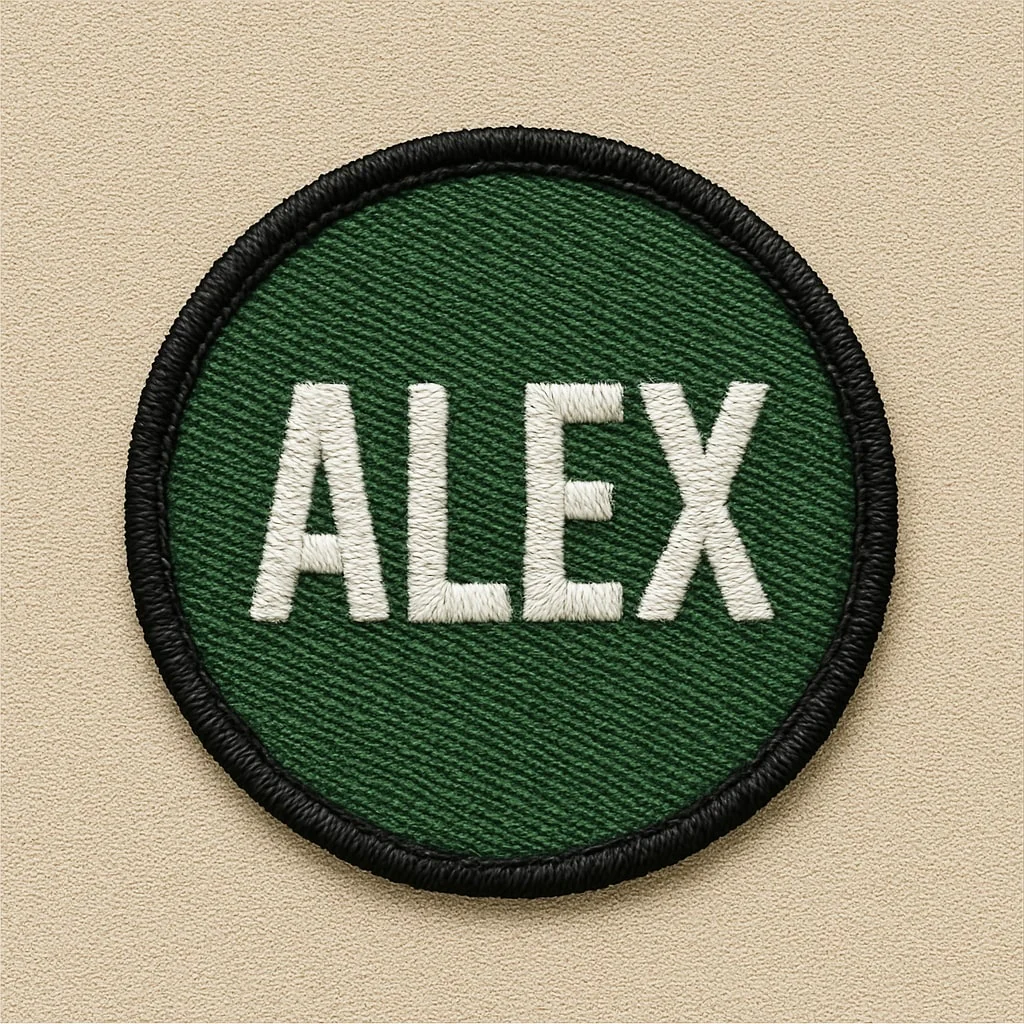
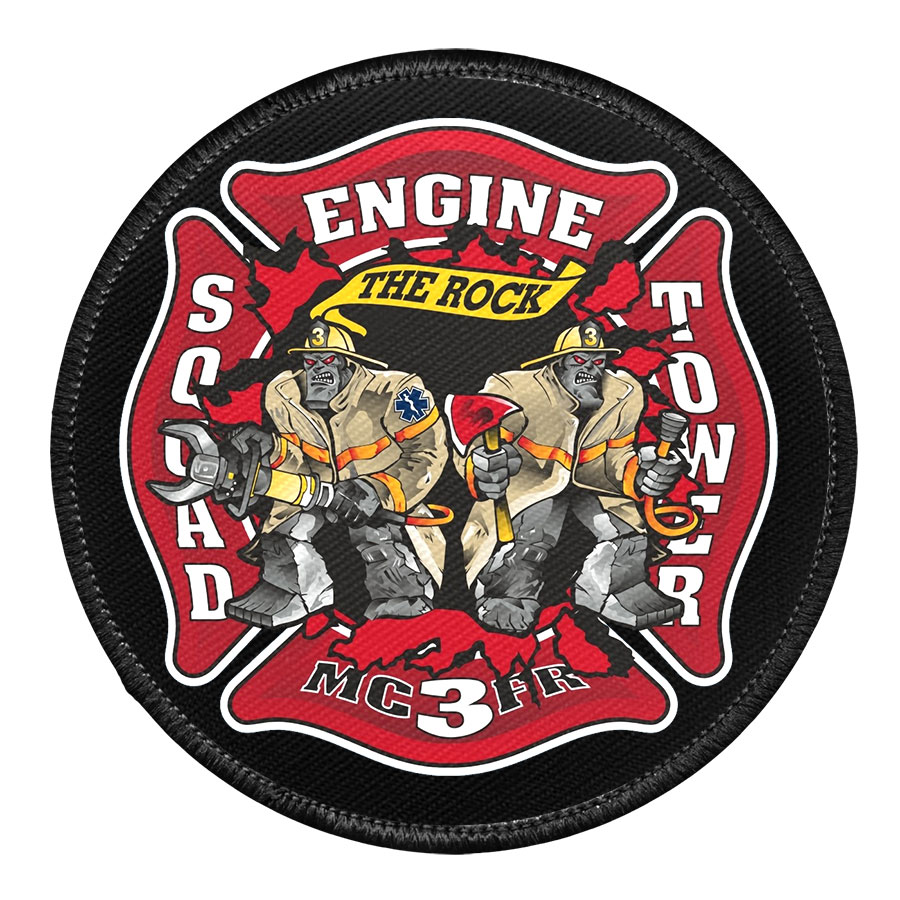
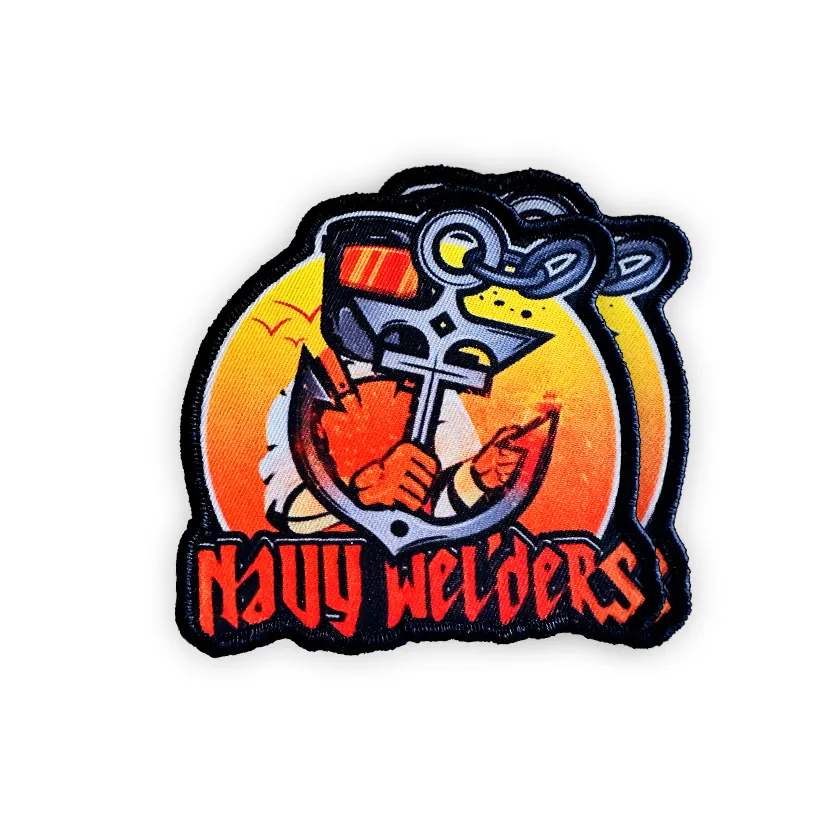
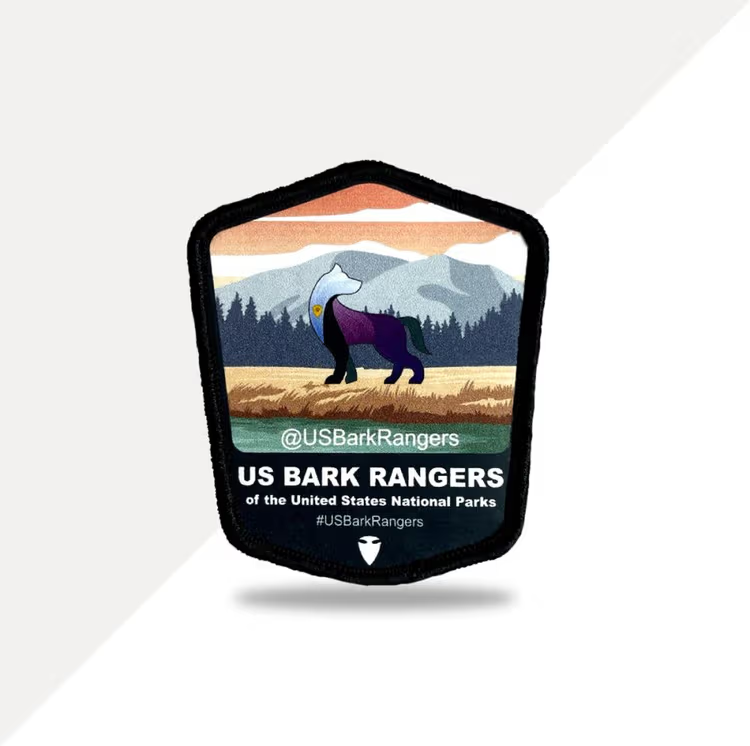
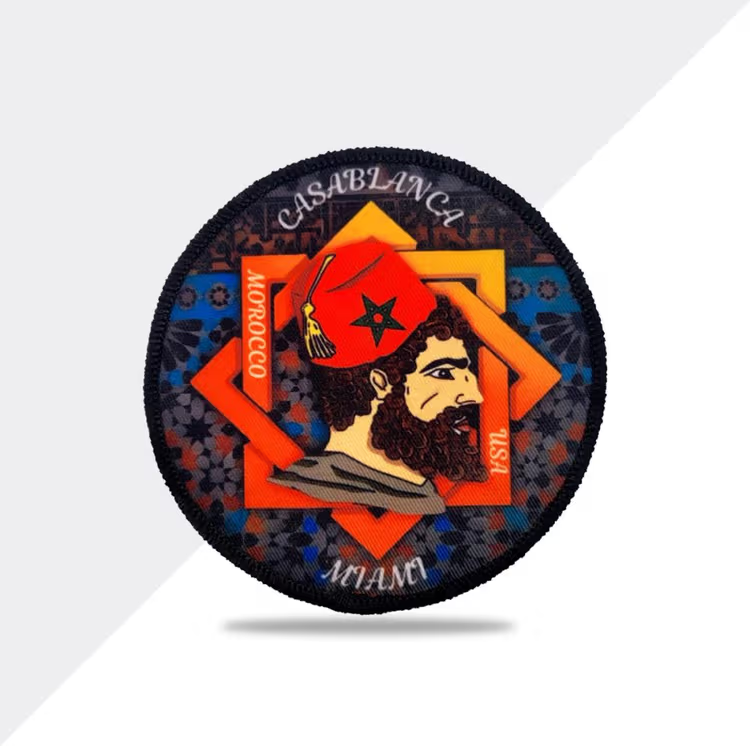
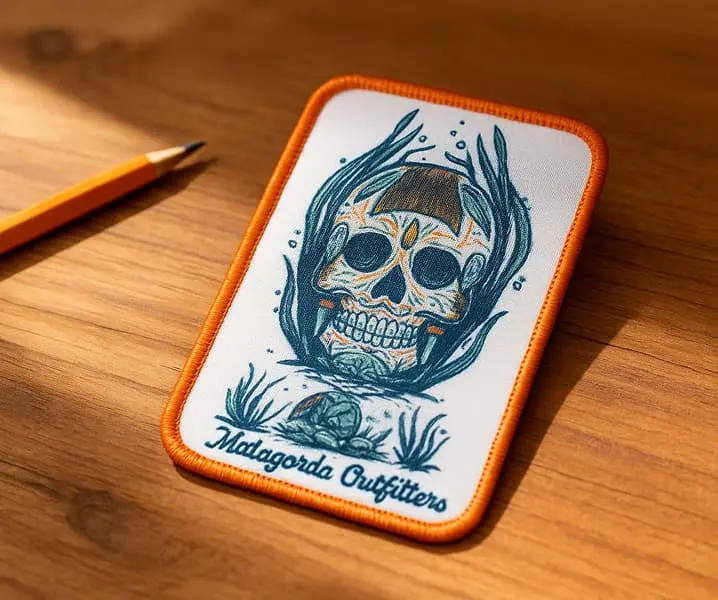
Custom printed patches are fabric patches made using full-color printing techniques—typically dye-sublimation or screen printing—to transfer any design onto a polyester or twill base. Unlike traditional embroidered patches, which use colored threads and have a textured, raised surface, printed patches create a smooth, flat surface that can reproduce photographs, gradients, shadows, and extremely fine details with no color limitations.
The printing process allows for unlimited colors in a single design without increasing production cost or complexity. This makes custom printed patches the ideal choice for complex artwork, team logos with gradient effects, event merchandise with photographic elements, and promotional giveaways where budget and detail matter.
Printed patches are lightweight, flexible, and available with various backing options including iron-on, Velcro (hook-and-loop), or sew-on. They are also one of the most affordable custom patch options, especially for small to medium quantities.
Key Features of Custom Printed Patches
Custom printed patches offer a distinct set of advantages over embroidered or woven patches:
Full-Color Capability – Supports unlimited colors, including gradients, shadows, and photographic images. No color separation or thread matching required.
High Detail Reproduction – Captures fine lines, small text (as small as 4–5pt), and intricate patterns that embroidery cannot achieve.
Smooth, Flat Surface – The printed design is flush with the fabric, creating a clean, modern look. No raised thread texture.
Lightweight & Flexible – Much lighter and more flexible than embroidered patches. Conforms well to curved garment surfaces like caps or sleeves.
Cost-Effective for Complex Designs – Unlike embroidery, where each additional thread color adds cost, printed patches have no per-color premium.
Affordable for Small Batches – Low setup costs make printed patches economical for runs as small as 50–100 pieces.
Most Popular Printed Patch Styles
Among custom printed patches, the following styles are the most popular:
Dye-Sublimated Patches – Full-color designs are printed onto polyester fabric using heat and pressure. The dye becomes part of the fabric fibers, resulting in vibrant, durable, wash-resistant patches.
Screen Printed Patches – Ink is pushed through a mesh screen onto twill or cotton fabric. Best for simple, bold designs with solid colors. Very durable and cost-effective for larger quantities.
UV Printed Patches – A digital printer applies UV-cured ink directly onto the patch surface. Excellent for small batches and prototypes. Produces a slightly raised, glossy print.
Glow-in-the-Dark Printed Patches – Special phosphorescent inks are printed onto the patch, allowing it to glow after exposure to light.
Reflective Printed Patches – Retroreflective inks or materials are used, making the patch highly visible when light hits it. Common for safety apparel, running clubs, and cycling gear.
Custom Printed Patches: Pros and Cons
Understanding the trade-offs between printed patches and other patch types will help you make the right choice.
| Pros (Advantages) | Cons (Disadvantages) |
|---|---|
| Unlimited Colors & Gradients – Reproduces photographs, complex logos, and smooth color transitions that embroidery cannot. | Less Textured, "Premium" Feel – Embroidered patches have a traditional, hefty, handcrafted feel that many prefer. Printed patches are flat and fabric-like. |
| Very High Detail – Fine text, small elements, and intricate linework print clearly. | Lower Durability Than Embroidery – Over many years and harsh wash cycles, printed inks may fade or crack, while embroidered threads hold up longer. |
| Lightweight & Flexible – Ideal for hats, lightweight jackets, and performance wear where heavy embroidery would cause puckering. | Not as "3D" or Tactile – Printed patches lack the raised texture of embroidery or the fuzzy plushness of chenille. |
| Cost-Effective for Small Batches – No expensive digitizing fees or color-change setup costs. Great for small runs (50–500 pieces). | Fabric Base Shows Through – On lighter designs, the underlying fabric texture may be slightly visible (though high-quality printing minimizes this). |
| Fast Turnaround – Digital printing allows for rapid sampling and production, often within 5–10 business days. | Limited to Polyester or Synthetic Fabrics – Dye-sublimation specifically requires high-polyester content fabric for proper ink bonding. |
Summary: Choose custom printed patches when your design has gradients, photos, many colors, or fine details and you need lightweight, affordable patches for smaller quantities. Choose embroidered patches when you want a traditional, textured, highly durable patch for a simple, solid-color design.
What Are Custom Printed Patches Commonly Used For?
Custom printed patches are incredibly versatile and appear in many applications:
Sports Teams & Clubs – Complex team logos with gradient effects, mascot images, and event-specific patches for tournaments or championships.
Corporate Branding & Promotions – Company logo patches for employee uniforms, trade show giveaways, and promotional merchandise. Printed patches allow for exact PMS color matching.
Music Bands & Festivals – Concert merchandise, band logo patches, and festival memorabilia. The ability to print photographs or complex album art is a major advantage.
Military & Tactical Gear – Morale patches, unit insignia, and flag patches printed on hook-and-loop backing for attachment to vests and packs.
Outdoor & Adventure Brands – Patches for camping, hiking, and climbing clubs. Reflective printed patches are popular for safety and visibility.
Personal & Gift Use – Custom pet portrait patches, family reunion patches, or memorial patches with photographic elements.
How to Design Printed Patches That Get Noticed
Designing for printed patches is more like designing for paper printing than for embroidery. Follow these simple guidelines.
Design Guidelines:
Use high-resolution images – Minimum 300 DPI at final patch size. Vector files (AI, PDF, SVG) are best.
Embrace full color – Use gradients, shadows, and photographic elements freely. There are no ink color limits.
Keep important elements away from the edge – Leave a 2–3mm safety margin to prevent cutting into critical details.
Avoid pure white backgrounds – A transparent or colored background looks better, as white fabric base may show slight texture.
Border Options to Consider:
Merrowed Border – The standard overlocked edge seen on most embroidered patches. A tight thread wrap that gives a clean, traditional finish. Best for patches with a circular or simple shape.
Laser-Cut / Heat-Cut Border – A sealed edge created by a laser or heated die. Very clean and precise. Ideal for custom die-cut shapes that follow your design outline. No fraying.
Stitched Border – A simple straight stitch or satin stitch around the edge. Less common on printed patches but available. Gives a softer, fabric-like edge.
No Border (Raw Edge) – The patch is cut and left unsealed. Suitable only for patches sewn directly onto fabric where the edge will be hidden under a hem or seam. Not recommended for general use.
For most custom printed patches, laser-cut or heat-cut borders work best, especially for custom shapes, because they prevent fraying without adding a thick thread edge that might curl.
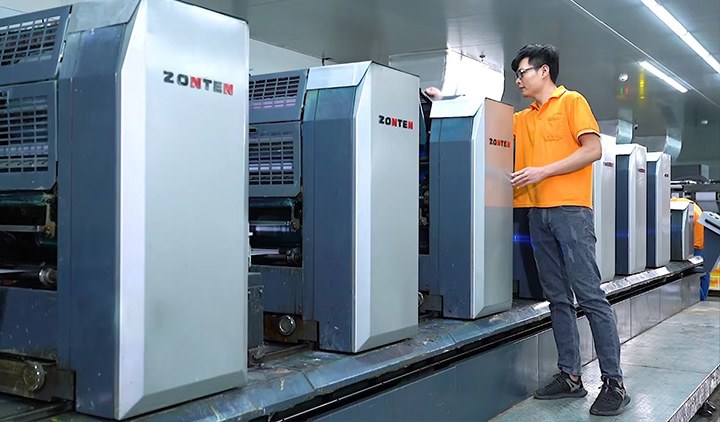
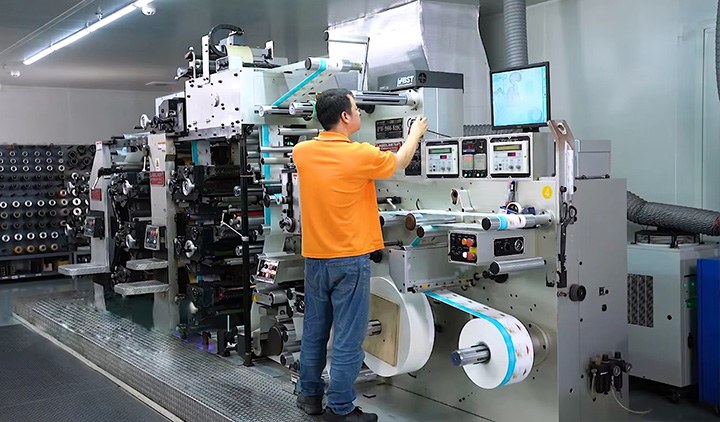
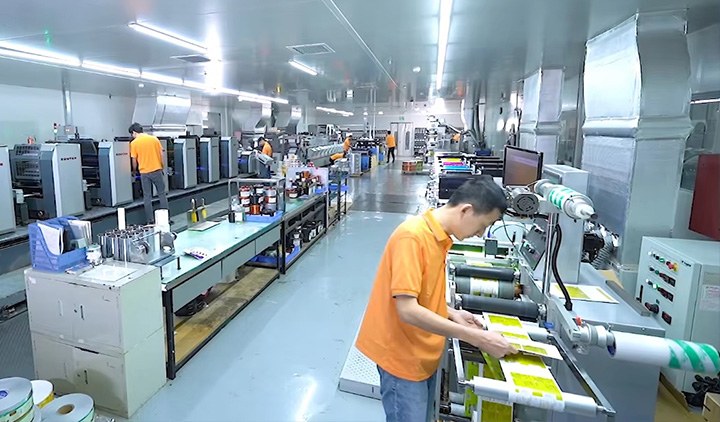
How Custom Printed Patches Are Made
The manufacturing process depends on the printing method. Here is the typical workflow for dye-sublimation printed patches:
Design Preparation – Your artwork is formatted and color-corrected for printing. A mirror image may be created if needed.
Printing onto Transfer Paper – The design is printed in reverse onto specialized sublimation transfer paper using sublimation inks.
Cutting the Fabric Base – High-polyester fabric (usually felt, twill, or microfiber) is cut to rough size or roll-fed into the heat press machine.
Heat Transfer – The transfer paper is placed against the fabric and passed through a heat press (around 400°F / 200°C). Heat and pressure turn the solid ink into gas, which bonds permanently with the polyester fibers.
Border Application – The printed fabric sheet is then die-cut or laser-cut into individual patches, applying the chosen border finish (merrowed, laser-cut, or stitched).
Backing Attachment – The chosen backing (iron-on adhesive, Velcro hook-and-loop, or sew-on) is applied to the back of each patch.
Quality Inspection – Each patch is checked for color accuracy, border integrity, and backing adhesion.
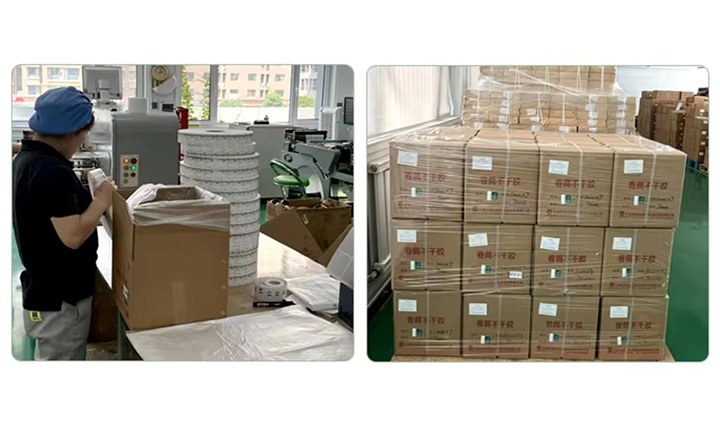
Packaging – Finished patches are packaged according to customer requirements.
Price of Custom Printed Patches
The pricing of custom printed patches is generally more straightforward than embroidered patches.
Comparison with Embroidered Patches: For a design with many colors (especially gradients or photographic elements), printed patches are almost always significantly cheaper than embroidered patches. Embroidery charges per 1,000 thread stitches and per color change; printing has no such costs. For simple, 1–2 color designs, embroidery may be comparable or slightly cheaper at very high quantities.
Key Price Factors:
Size – Larger patches use more ink and fabric material.
Quantity – Printed patches have very low setup costs, so the per-piece price drops quickly as quantity increases. Small batches (50–200 pieces) are very economical.
Border type – Laser-cut or merrowed borders add a small per-piece cost compared to simple heat-cut.
Backing type – Sew-on is cheapest. Iron-on and Velcro backings add a small cost.
Printing method – Dye-sublimation is standard for full-color. Screen printing may be cheaper for simple solid-color designs at high quantities.
A General Price Indication: For a typical 3-inch custom printed patch with full color and laser-cut border, at small quantities (100 pieces), the price per patch is often less than a cup of coffee. At medium quantities (500–1,000 pieces), the price drops to roughly the cost of a postage stamp per patch. Compared to an embroidered patch of the same size and complexity, printed patches typically cost 30–60% less.
How to Get an Accurate Quote: Send the following to any reputable patch manufacturer:
Your design file (300+ DPI PNG/JPG, or vector AI/PDF)
Desired size (e.g., 3 inches round, 4x2 inches rectangle)
Target quantity (e.g., 250 pieces, 1,000 pieces)
Preferred border (laser-cut, merrowed, or stitched)
Backing type (sew-on, iron-on, Velcro)
How to Customize Custom Printed Patches for Your Project
Ready to create your own printed patches? Follow these simple steps:
Prepare Your Artwork – Ensure your design is high-resolution (300 DPI minimum at final size). Vector files (AI, PDF, CDR, SVG) are preferred. Transparent backgrounds are helpful.
Determine Size & Shape – Decide on the dimensions (e.g., 3 inches round, 4 inches wide). Custom die-cut shapes follow your design outline.
Choose Border Type – Select from laser-cut (best for custom shapes), merrowed (traditional embroidered look), or stitched (soft edge).
Select Backing – Sew-on (traditional), iron-on (convenient for DIY application), or Velcro (for tactical gear and interchangeable patches).
Request Quotes – Send your artwork and specifications to 2–3 manufacturers. Printed patches are widely available; compare pricing and turnaround times.
Order a Sample – Always request a physical sample before bulk production. This confirms color accuracy, print quality, and border finish.
Approve & Place Bulk Order – Once the sample meets your expectations, approve it and place your order. Typical production: 7–12 business days.
Plan Packaging – Decide how you want patches delivered (see below).
Packaging Options for Custom Printed Patches
Printed patches are lightweight and flexible, offering several packaging choices:
Individual Poly Bags – Economical protection against dust and scratches. Suitable for bulk distribution.
Backing Cards – Patches are attached to custom-printed cards, often sealed in a clear sleeve. Ideal for retail or event giveaways.
Bulk Cartons – For large orders, patches are packed flat in sturdy cartons with tissue paper layers to prevent friction.
Clear View Boxes – Rigid plastic boxes with a clear lid, often with a foam insert. Premium option for collectible or limited-edition patches.
Header Cards – Patches are attached to a card with a hanging hole, suitable for peg hooks in retail stores.