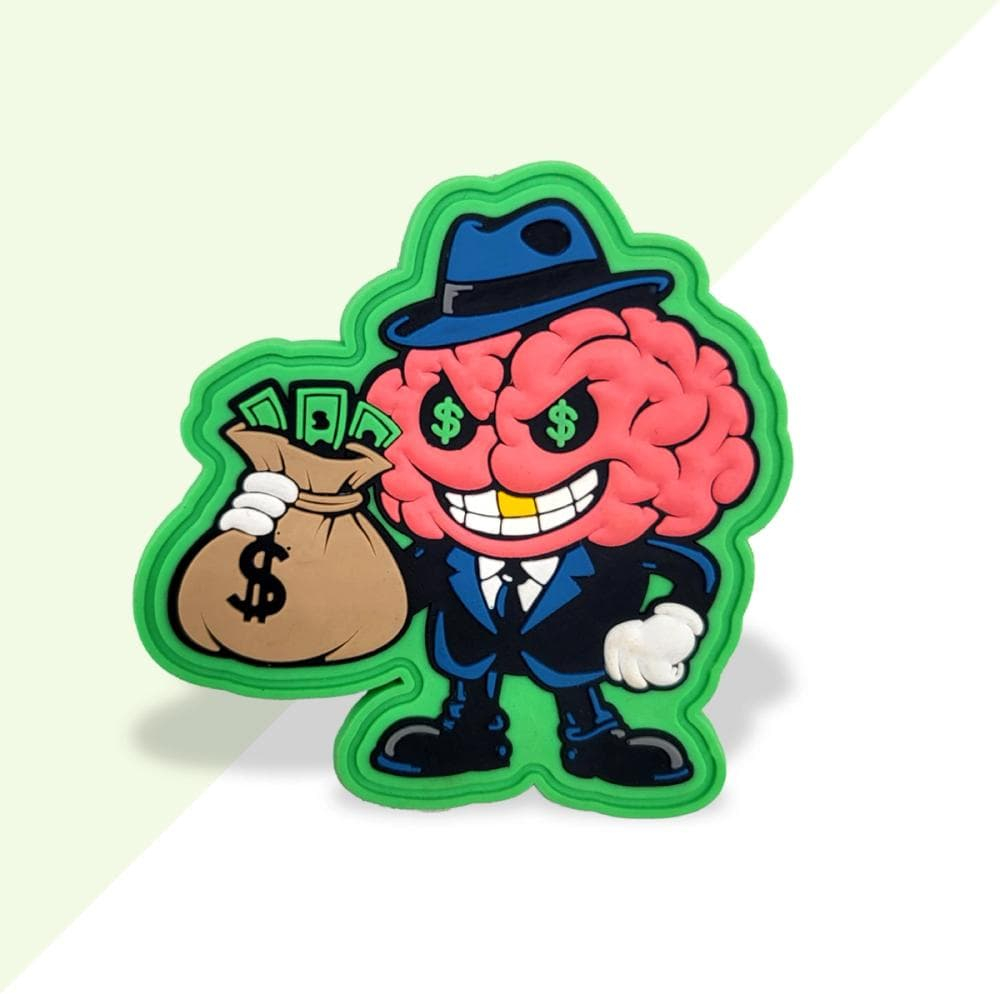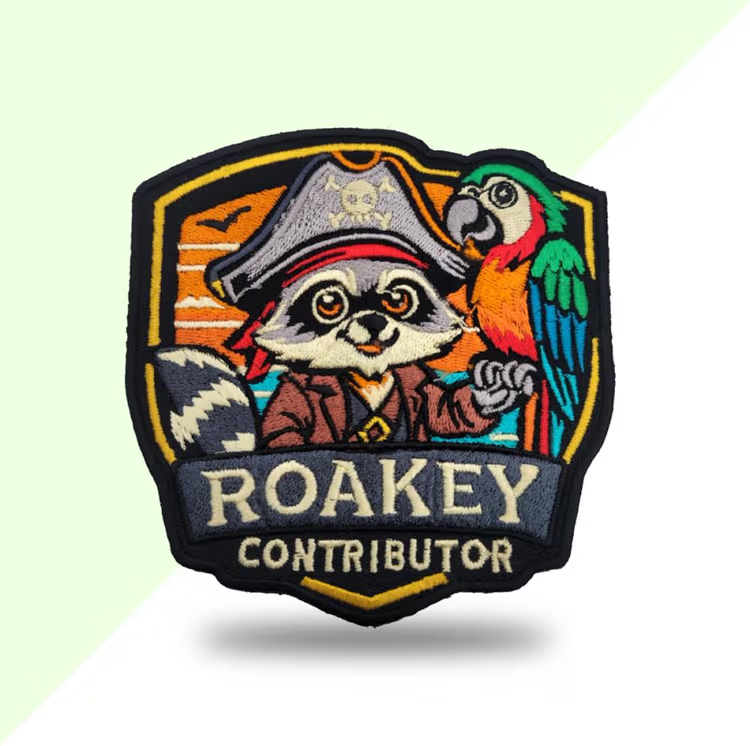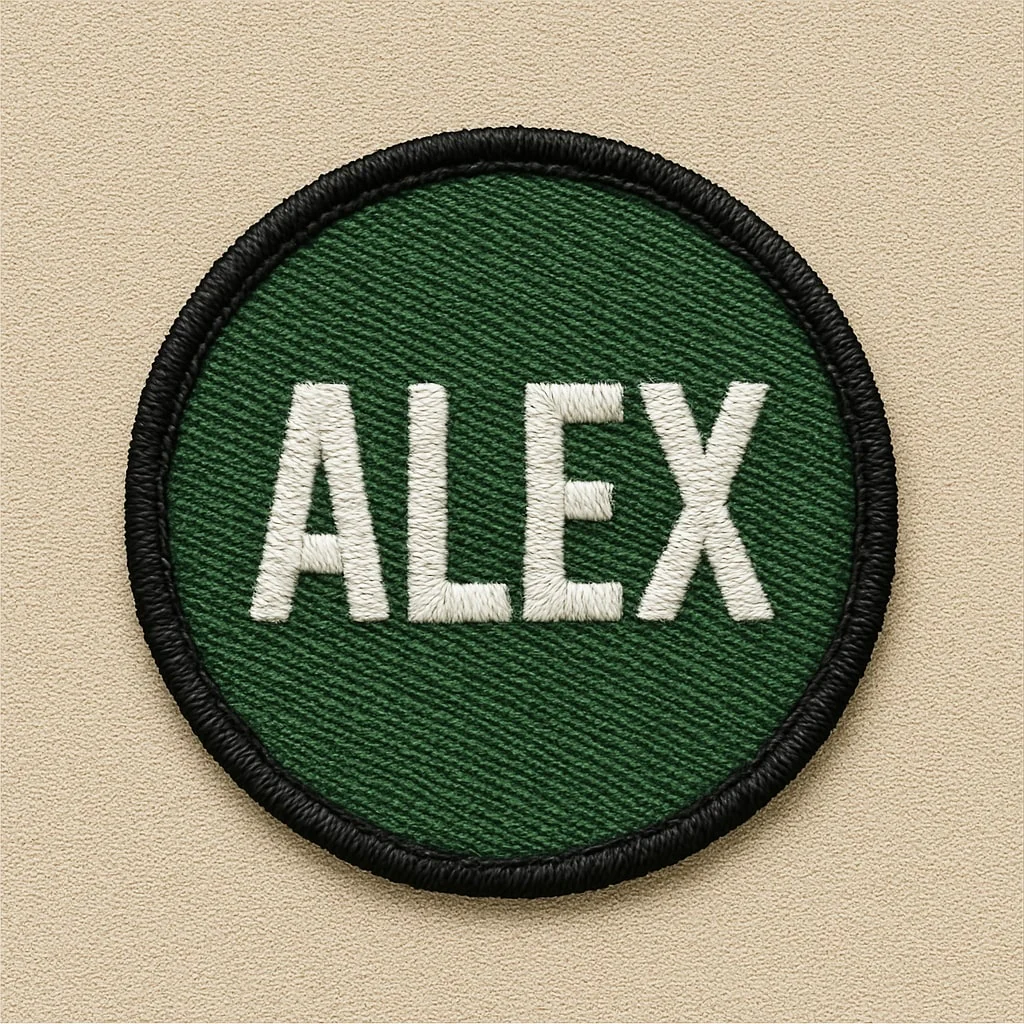
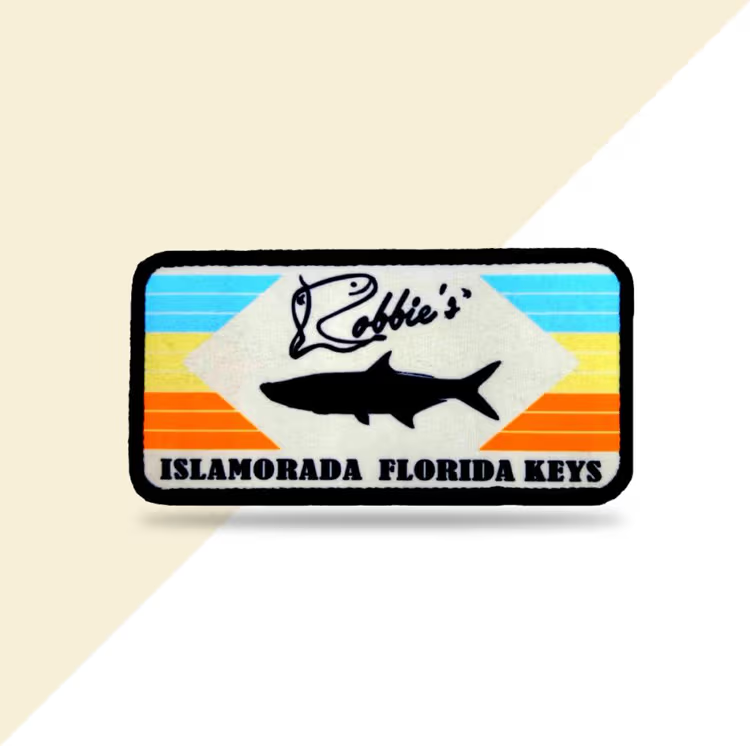

What Are Custom Woven Patches?
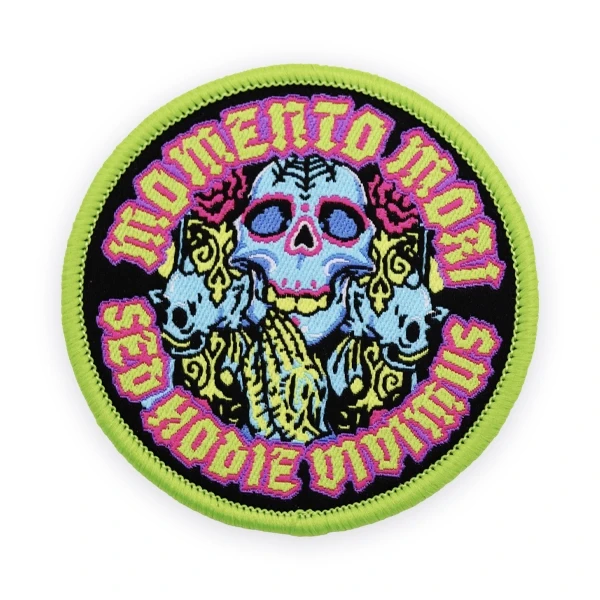
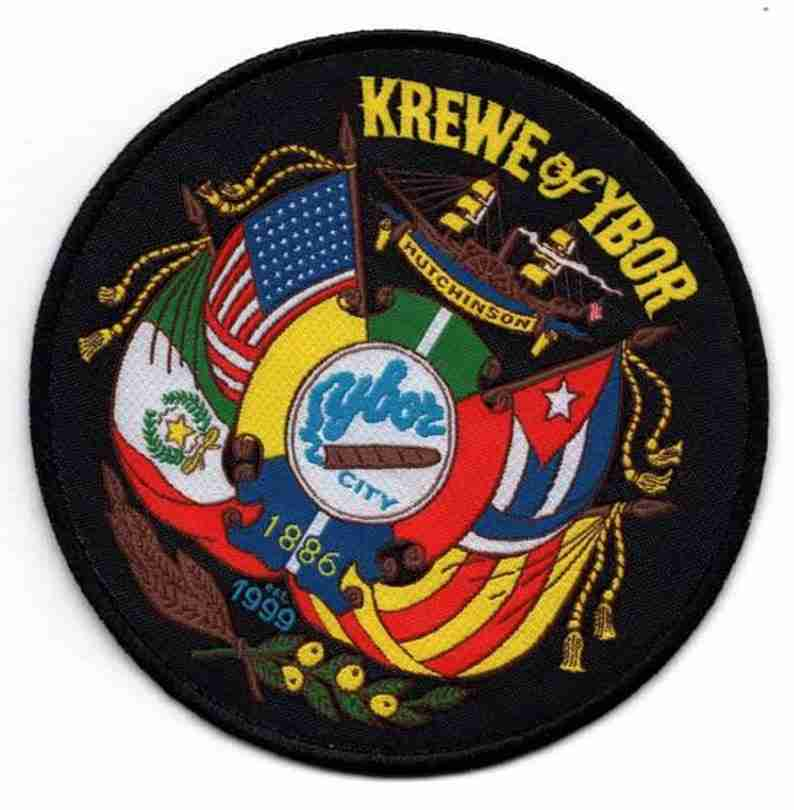
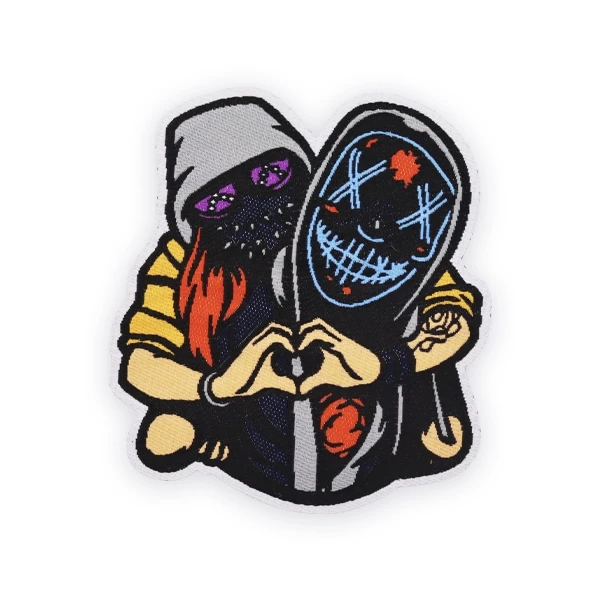
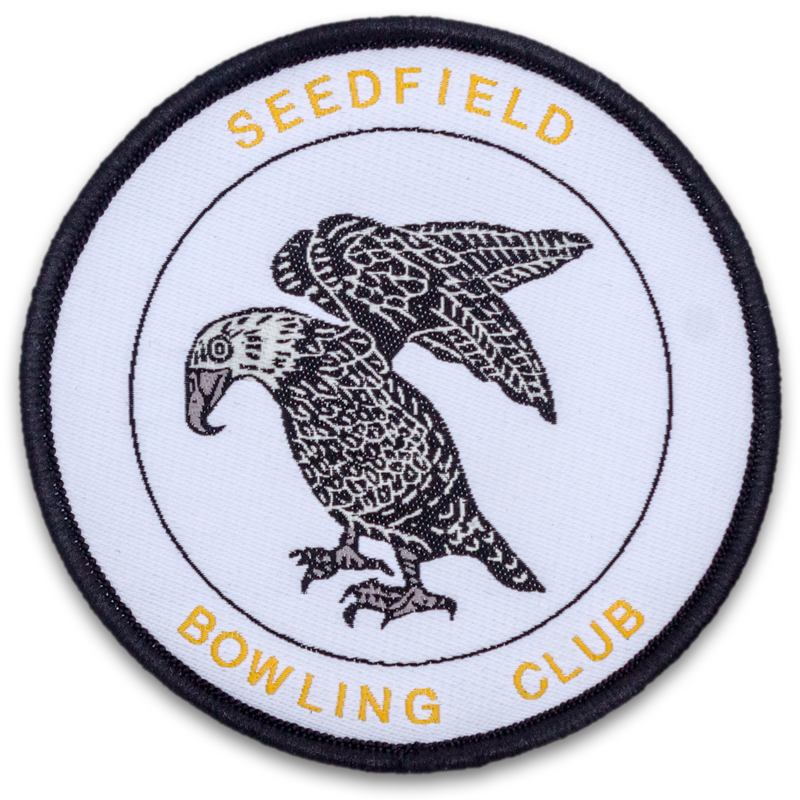
Custom woven patches are made by weaving thin polyester threads together on a specialized loom, creating a flat, detailed patch with exceptional clarity. Unlike embroidered patches, which use thicker threads and create a raised, textured surface, woven patches use very fine threads that allow for much higher detail and smaller text.
The weaving process interlocks warp and weft threads to form the design, much like a miniature fabric. Because the threads are thin, woven patches can capture fine lines, small text, and intricate borders that embroidery cannot achieve. The resulting surface is smooth, flat, and thin, making woven patches ideal for logos with detailed elements, small lettering, or delicate patterns.
Woven patches are durable, lightweight, and flexible. They are available with various backing options including iron-on, Velcro (hook-and-loop), or sew-on. For designs that require precision and detail without the bulk of embroidery, woven patches are an excellent choice.
Key Features of Custom Woven Patches
Custom woven patches offer a distinct set of advantages over embroidered or printed patches:
High Detail Resolution – Captures fine lines, small text (as small as 2–3mm), and intricate patterns that embroidery cannot achieve due to thread thickness limits.
Smooth, Flat Surface – The woven design sits flush with the background fabric, creating a clean, uniform appearance with no raised texture.
Thin & Lightweight – Much thinner than embroidered patches (typically 0.3–0.5mm thick). Ideal for garments where bulk or weight is a concern.
Excellent for Small Text & Logos – Small lettering, detailed borders, and complex linework weave clearly and legibly.
Durable & Fade-Resistant – Polyester threads are colorfast and resistant to UV fading, washing, and wear.
Cost-Effective for Detailed Designs – For designs with fine details, woven patches often cost less than high-stitch-count embroidery.
Most Popular Woven Patch Styles
Among custom woven patches, the following styles are the most popular:
Standard Woven Patches – The most common style. Fine polyester threads are woven on a loom to create the design directly. The background is woven, not cut away.
Woven with Merrowed Border – A tight overlocked thread border is added around the edge, giving the patch a traditional, finished look similar to embroidered patches.
Woven with Laser-Cut Border – The patch is precision-cut by laser, creating a clean, sealed edge without thread. Ideal for custom die-cut shapes.
Woven Name Patches – Rectangular patches featuring woven text, commonly used for uniforms, employee name badges, and military insignia.
Heat-Seal Woven Patches – A heat-activated adhesive is applied to the back, allowing the patch to be ironed onto garments. Popular for DIY application.
Woven with Velcro Backing – Hook-and-loop backing is attached, making the patch removable and interchangeable. Common for tactical gear and work uniforms.
Custom Woven Patches: Pros and Cons
Understanding the trade-offs between woven patches and other patch types will help you make the right choice.
| Pros (Advantages) | Cons (Disadvantages) |
|---|---|
| Very High Detail – Captures small text and intricate details that embroidered patches cannot. | Less "Premium" Texture – The flat, smooth surface lacks the raised, handcrafted feel of embroidered patches. |
| Thin & Lightweight – Ideal for lightweight garments, caps, and performance wear where heavy patches would cause puckering. | Limited Color Depth – Woven patches use thread colors, not inks. Gradients and photographic images are not possible. Colors must be solid. |
| Smooth Surface – No raised texture to snag on clothing or catch dirt. | Not Suitable for Very Large, Simple Designs – For a large, bold logo with thick lines, embroidery may be more cost-effective and visually striking. |
| Excellent for Small Text & Logos – Names, dates, and detailed borders weave clearly. | Background Color is Woven – The background is created by weaving thread, which may show subtle texture. You cannot have a completely "blank" transparent background. |
| Durable & Fade-Resistant – Polyester threads resist washing, sunlight, and abrasion well. | Smaller Minimum Dimensions – Woven patches need to be large enough to weave fine details, but very small patches (under 1 inch) may still be challenging. |
| Good Value for Detailed Designs – Often cheaper than high-detail embroidery with very high stitch counts. | Less Contrast Than Printed – Printed patches can achieve brighter, more saturated colors because they use ink rather than thread. |
Summary: Choose custom woven patches when your design has small text, fine details, or intricate borders and you need a thin, lightweight, durable patch. Choose embroidered patches for bold, simple designs where you want raised texture and a traditional look. Choose printed patches when you need gradients, photos, or unlimited colors.
What Are Custom Woven Patches Commonly Used For?
Custom woven patches are used in many applications where detail and a clean appearance matter:
Uniforms & Workwear – Employee name patches, company logo patches, and department insignia. The thin profile lies flat on uniform fabric without bulk.
Military & Law Enforcement – Unit patches, rank insignia, and flag patches. Woven patches provide clear detail and durability under harsh conditions.
Sports Teams & Clubs – Small team logos, year patches, and sponsor logos. The lightweight nature is ideal for jerseys and athletic wear.
Corporate Branding – Logo patches for polos, jackets, and bags. Woven patches look professional and refined without appearing bulky.
Outdoor & Tactical Gear – Morale patches, brand labels, and identification patches on backpacks, vests, and camping equipment. Velcro-backed woven patches are very common.
Academic & Institutional – School crests, club insignia, and honor society patches. The ability to weave small text (like mottos or founding years) is a major advantage.
How to Design Woven Patches That Get Noticed
Designing for woven patches requires understanding the limits and strengths of thread weaving. Here are simple guidelines and border options.
Design Guidelines:
Use vector files – AI, PDF, CDR, or SVG formats are best. Minimum 300 DPI if using raster images.
Keep text at least 2–3mm tall – Smaller than this becomes difficult to weave legibly.
Avoid gradients and photographs – Woven patches use solid thread colors only. Convert all design elements to solid colors.
Use clean, solid shapes – Fine lines can be woven, but extremely thin lines (under 0.3mm) may break or become faint.
Limit the number of colors – Each thread color adds complexity. 2–6 colors is the sweet spot for woven patches. More colors are possible but increase cost.
Avoid white text on dark backgrounds – Dark background threads can show through light text if the weave is not tight enough. Use a contrasting background color instead.
Border Options to Consider:
Merrowed Border – A tight overlocked thread edge wrapped around the patch. The most traditional and popular border for woven patches. Gives a clean, finished look. Best for standard shapes (circle, oval, shield, rectangle).
Laser-Cut / Heat-Cut Border – The patch is precision-cut with a laser or heated die, sealing the edge to prevent fraying. Ideal for custom die-cut shapes that follow your design outline. No thread border means a cleaner, more modern look.
Stitched Border – A simple straight or satin stitch around the edge. Less common on woven patches. Gives a softer, fabric-like edge.
No Border (Raw Edge) – The patch is cut without any edge finishing. Only suitable if the patch will be sewn directly into a seam or hem where the edge is hidden. Not recommended for general use.
For most custom woven patches, merrowed borders are standard for traditional shapes, while laser-cut borders are best for custom die-cut shapes.
How Custom Woven Patches Are Made
The manufacturing process for woven patches is quite different from embroidery or printing. Here is the typical workflow:
Design Digitizing – Your artwork is converted into a digital weaving file that tells the loom which thread colors to use and where. This is similar to embroidery digitizing but uses different software.
Loom Setup – The weaving loom is set up with the required thread colors. Multiple looms may run simultaneously for larger orders.
Weaving – The loom weaves the patch design by interlacing warp (vertical) and weft (horizontal) threads. The design is woven directly into the fabric base, not added on top.
Finishing & Cutting – The woven fabric sheet is removed from the loom and inspected. Individual patches are cut out using a die or laser cutter.
Border Application – If a merrowed border is requested, a specialized overlock machine wraps thread tightly around the edge of each patch.
Backing Attachment – The chosen backing (iron-on adhesive, Velcro hook-and-loop, or sew-on) is applied to the back of each patch.
Quality Inspection – Each patch is checked for weaving defects, color accuracy, border integrity, and backing adhesion.
Packaging – Finished patches are packaged according to customer requirements.
Price of Custom Woven Patches
The pricing of custom woven patches sits between printed patches and embroidered patches in many cases.
Comparison with Embroidered Patches: For designs with fine details or small text, woven patches are often cheaper than high-stitch-count embroidery because weaving handles detail more efficiently. For simple, bold designs with thick lines, embroidery may be less expensive or comparable.
Comparison with Printed Patches: Printed patches are generally cheaper for full-color or photographic designs. However, for designs that require a thin, fabric-based, thread-constructed look, woven patches are preferred despite the slightly higher cost.
Key Price Factors:
Size – Larger patches cost more due to more thread usage and longer weaving time.
Number of thread colors – More colors add complexity and cost. 2–4 colors is most economical.
Quantity – The per-piece price drops as quantity increases. The biggest drop usually occurs between 100–500 pieces.
Border type – Merrowed borders add a small per-piece cost. Laser-cut borders may be similar or slightly higher.
Backing type – Sew-on is cheapest. Iron-on and Velcro add a small cost.
A General Price Indication: For a typical 2.5-inch round custom woven patch with 3 thread colors and a merrowed border, at medium quantities (250–500 pieces), the price per patch is roughly equivalent to a basic lunch. Compared to an embroidered patch of the same size and detail level, woven patches typically cost 15–30% less for detailed designs. Printed patches are usually cheaper but cannot achieve the same woven-thread aesthetic.
How to Get an Accurate Quote: Send the following to any reputable patch manufacturer:
Your design file (vector format: AI, PDF, CDR – with colors clearly defined)
Desired size (e.g., 2.5 inches round, 3x1 inches rectangle)
Target quantity (e.g., 300 pieces, 1,000 pieces)
Preferred border (merrowed, laser-cut, or stitched)
Backing type (sew-on, iron-on, Velcro)
How to Customize Custom Woven Patches for Your Project
Ready to create your own woven patches? Follow these simple steps:
Prepare Your Artwork – Convert your design into solid colors with no gradients. Vector files (AI, PDF, CDR, SVG) are strongly preferred. Ensure text is large enough (minimum 2–3mm height at final size).
Determine Size & Shape – Decide on dimensions (e.g., 2.5 inches round, 4 inches wide). Standard shapes (circle, oval, rectangle, shield) are most economical. Custom die-cut shapes are possible but may cost more.
Choose Border Type – Select merrowed border for a traditional finished edge (best for standard shapes) or laser-cut border for custom die-cut shapes.
Select Backing – Sew-on (traditional, most durable), iron-on (convenient for DIY), or Velcro (for tactical or interchangeable applications).
Request Quotes – Send your artwork and specifications to 2–3 manufacturers who specialize in woven patches (not all patch makers offer weaving).
Order a Sample – Always request a physical sample before bulk production. Woven colors can look different on screen, and fine details need real-world verification.
Approve & Place Bulk Order – Once the sample meets your expectations, approve it and place your order. Typical production: 10–15 business days.
Plan Packaging – Decide how you want patches delivered (see below).
Packaging Options for Custom Woven Patches
Woven patches are thin and lightweight, offering flexible packaging options:
Individual Poly Bags – The most economical option. Each patch is placed in a clear plastic bag for dust and scratch protection. Suitable for bulk distribution.
Backing Cards – Patches are attached to custom-printed cards, often sealed in a clear sleeve. Ideal for retail, events, or branded giveaways.
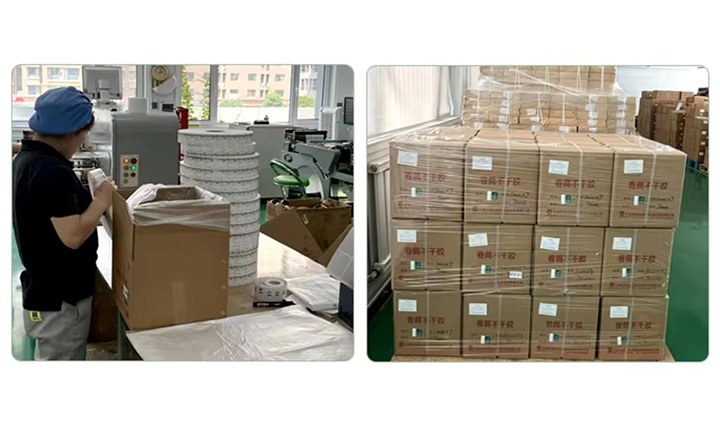
Bulk Cartons – For large orders, patches are packed flat in sturdy cartons with tissue paper layers between to prevent friction damage.
Clear View Boxes – Rigid plastic boxes with a clear lid, often with a foam insert. Premium option for collectible or limited-edition patches.
Header Cards – Patches are attached to a card with a hanging hole, suitable for peg hooks in retail stores or trade show displays.