
What Are Custom Silicone Labels?
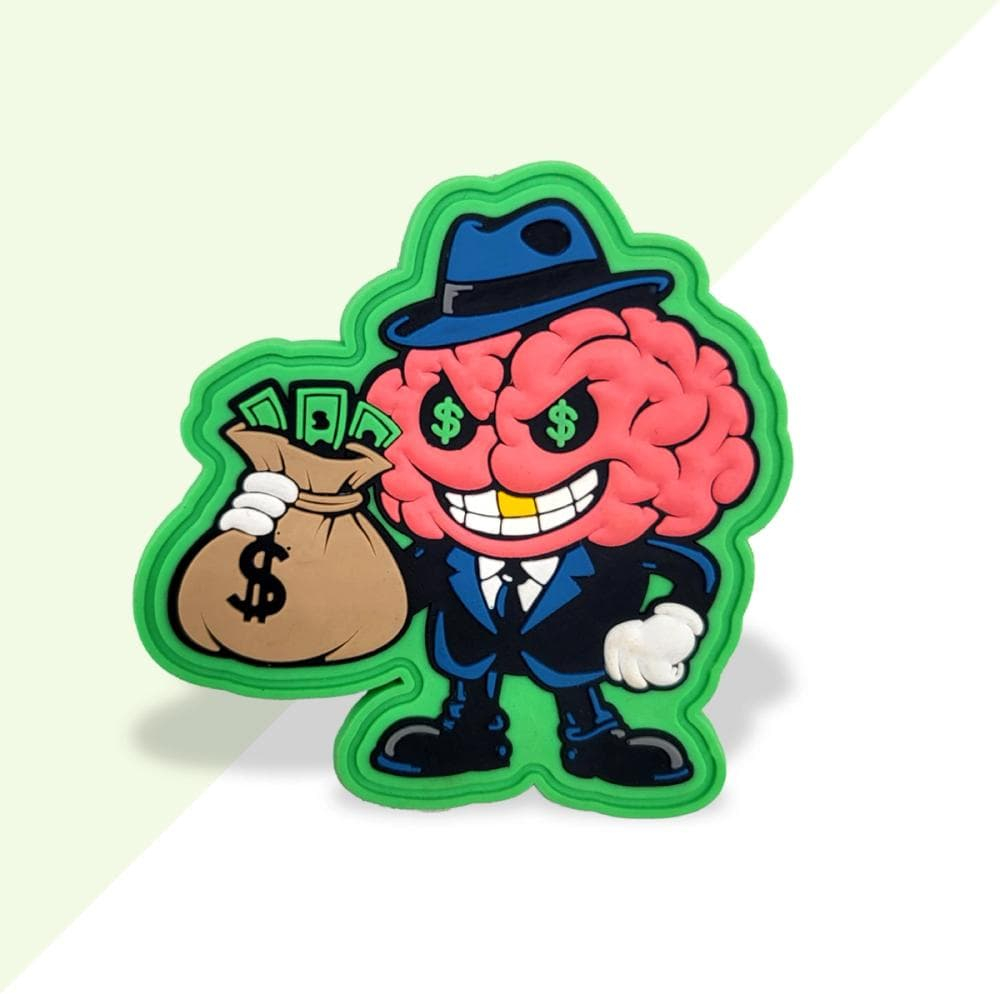
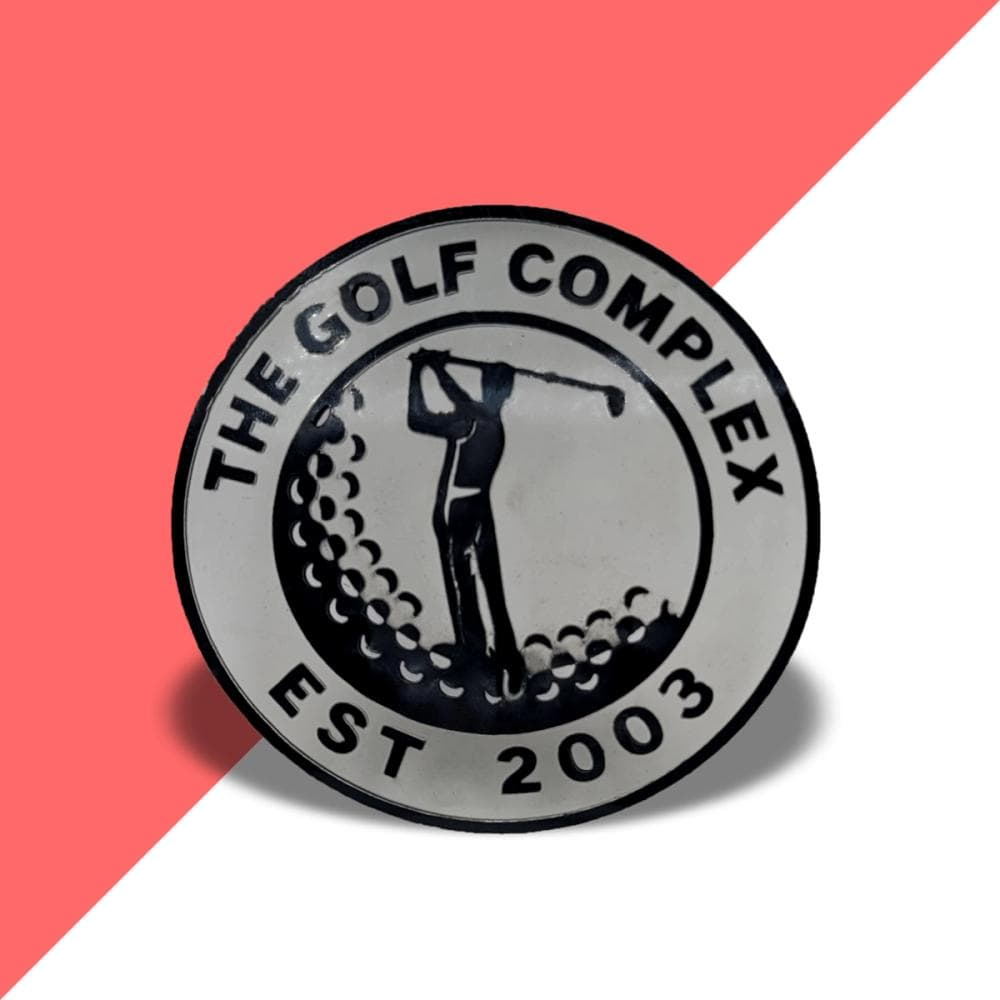
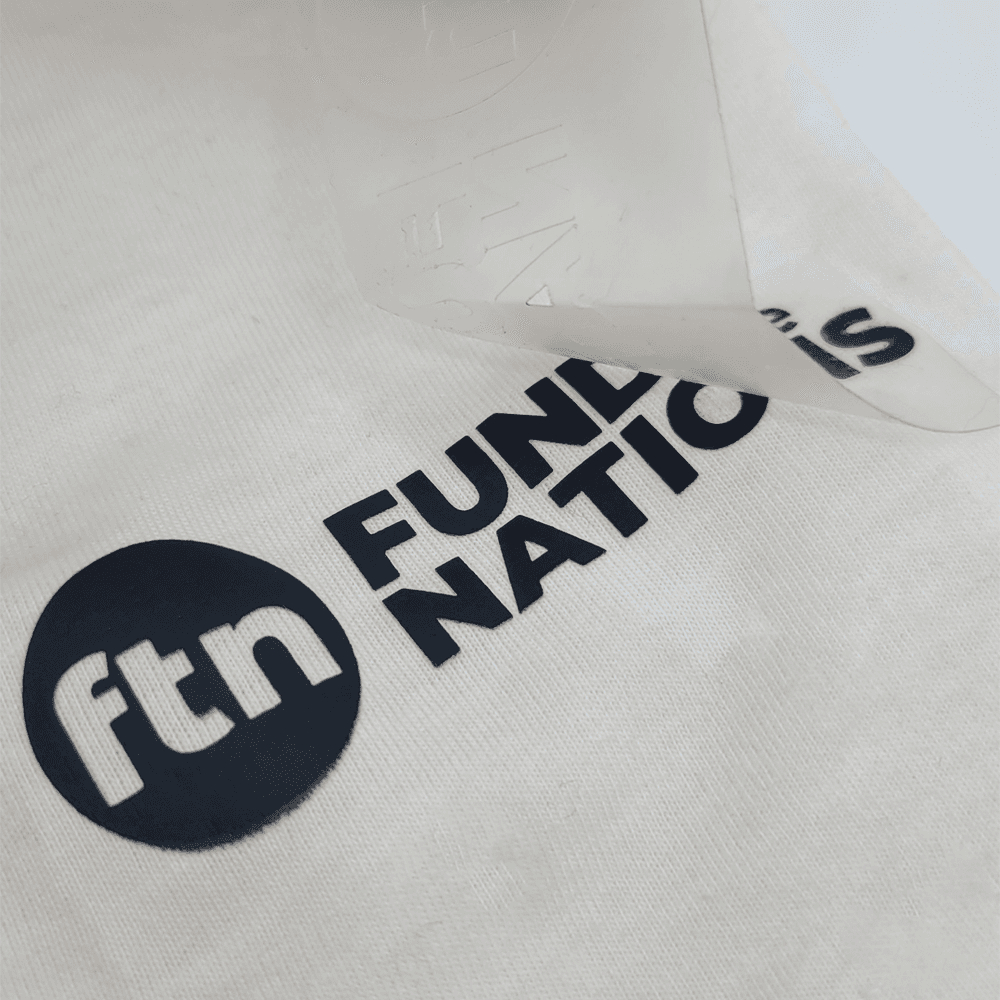
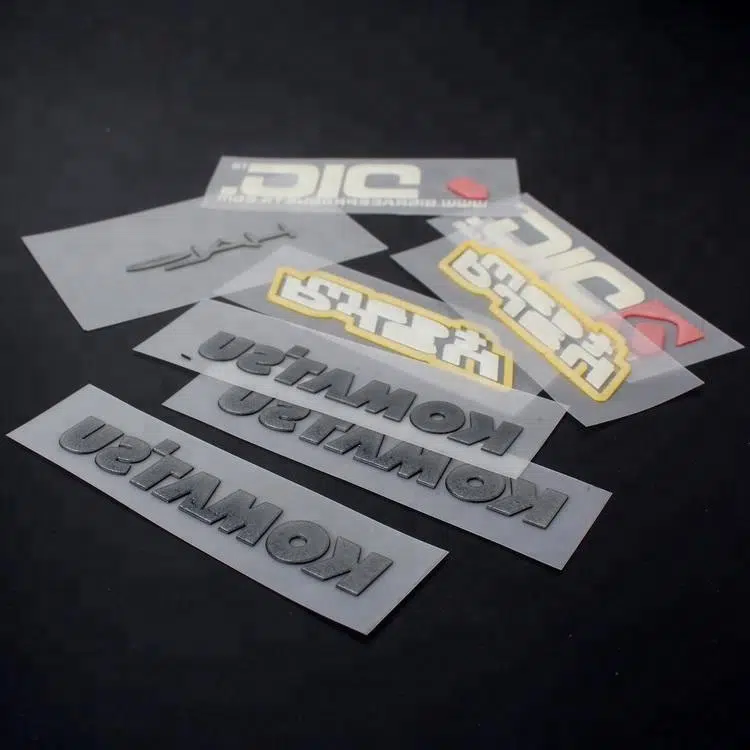
Custom silicone labels are soft, flexible, durable labels made from 100% silicone rubber. Unlike traditional woven, leather, or PVC labels, silicone labels are created through a molding process that produces raised (embossed) or recessed (debossed) logos and text, resulting in a distinctive 3D, tactile finish.
Silicone labels are waterproof, washable, and resistant to extreme temperatures, UV exposure, and chemicals. They do not fade, crack, or peel over time, even after hundreds of washing cycles. This makes them ideal for outdoor gear, sportswear, bags, children's products, and any application where durability and a modern aesthetic are required.
The soft, rubbery texture is pleasant to touch and adds a premium, contemporary feel to products. Silicone labels can be produced in virtually any color (Pantone matching available), and can include glow-in-the-dark or reflective properties. They are typically sewn onto garments or accessories, though adhesive-backed versions are also available.
Key Features of Custom Silicone Labels
Custom silicone labels offer a unique set of features that set them apart from fabric or leather labels:
Soft & Flexible – Silicone is柔韧 and rubbery, conforming to curved surfaces without cracking or losing shape.
Waterproof & Washable – Withstands hundreds of machine washing cycles without fading, peeling, or degrading.
3D Raised or Recessed Design – Molding creates true three-dimensional logos and text that you can feel.
UV & Weather Resistant – Will not degrade in sunlight, rain, or extreme temperatures. Ideal for outdoor gear.
Non-Toxic & Safe – Silicone is food-grade, BPA-free, and hypoallergenic. Safe for children's products and direct skin contact.
Vibrant, Fade-Proof Colors – Color is mixed into the silicone before molding, so it will not fade or rub off.
Custom Colors Available – Any Pantone color can be matched.
Special Effects Available – Glow-in-the-dark, reflective, glitter, or matte/glossy finishes.
Most Popular Silicone Label Styles
Among custom silicone labels, the following styles are the most popular:
Raised Logo (Embossed) – The logo or text stands up from the surrounding surface. Creates a prominent, tactile 3D effect. Most popular style.
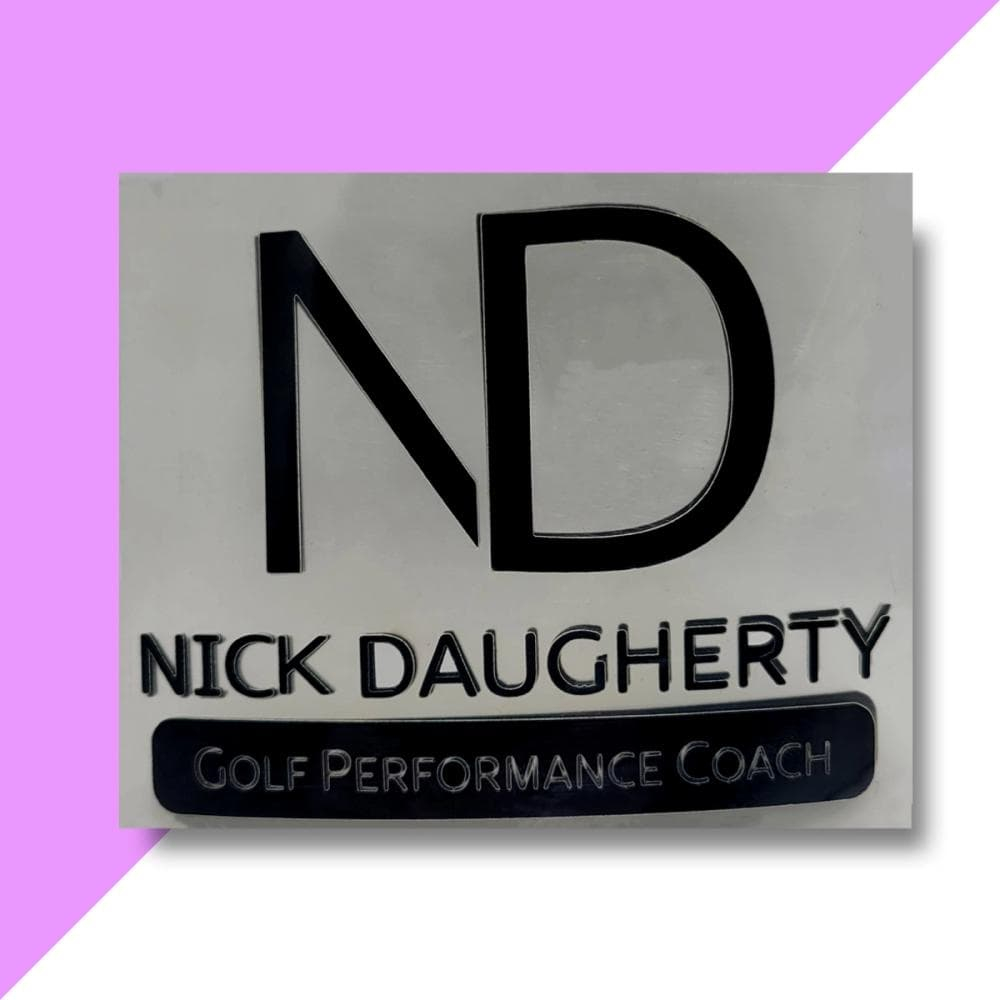
Recessed Logo (Debossed) – The logo or text is sunken into the surface. More subtle than raised. Often combined with a different color in the recessed area.
Printed Silicone Labels – Ink is printed onto a flat silicone surface. Less common because color-molded silicone is more durable. Suitable for complex, multi-color designs.
Glow-in-the-Dark Silicone Labels – Photoluminescent powder is mixed into the silicone. The label glows after exposure to light. Popular for outdoor gear and kids' products.
Reflective Silicone Labels – Reflective beads are embedded in the silicone. The label shines brightly when light hits it. Common for running gear, cycling apparel, and safety wear.
Two-Tone or Multi-Color Silicone Labels – Two or more colors of silicone are molded together in a single label. Requires more complex tooling but achieves a striking look.
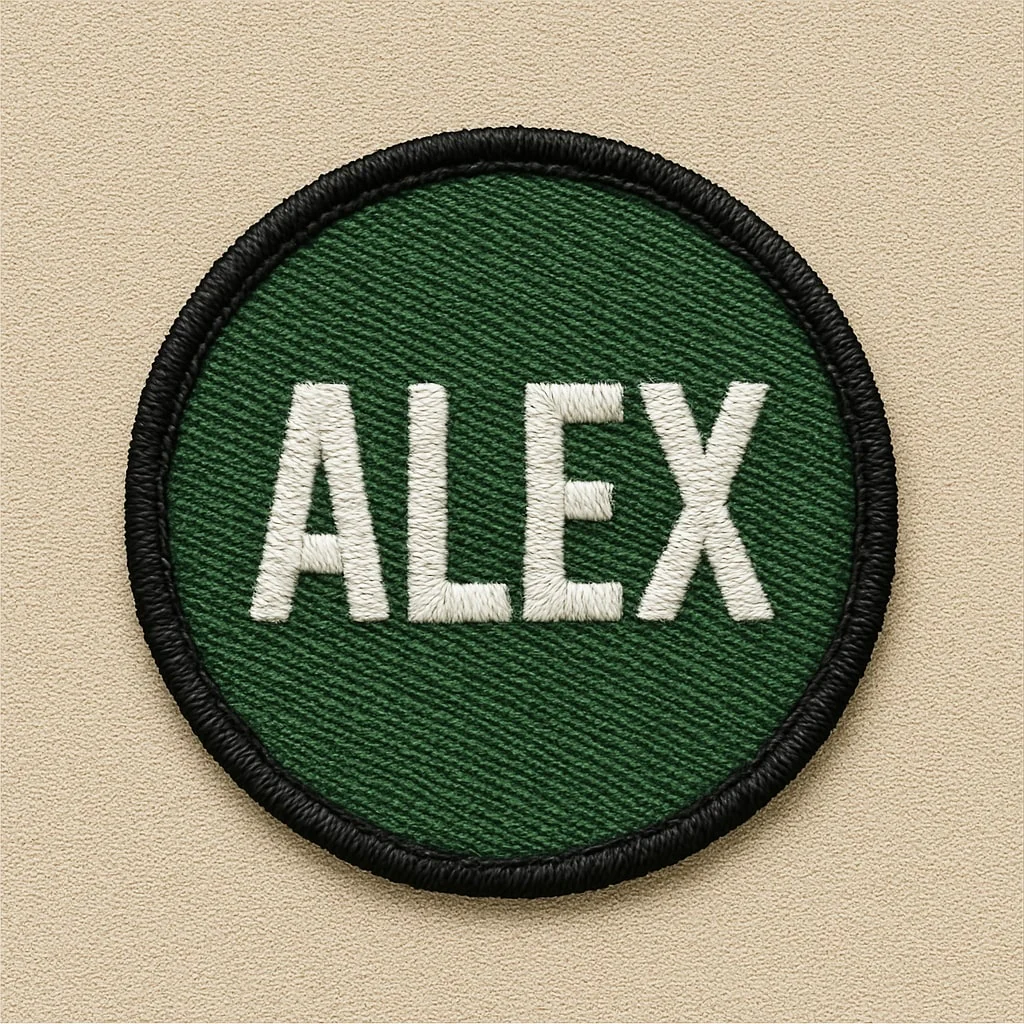
Woven or Fabric Backing Labels – The silicone label is attached to a woven or fabric base, then sewn onto the product. Makes sewing easier and adds a traditional label edge.
Silicone Labels vs. PVC Labels: A Detailed Comparison
If you are considering soft, rubbery labels, you may have come across both silicone and PVC (polyvinyl chloride) options. They look and feel somewhat similar, but their performance, safety, and durability characteristics are very different. Here is a direct comparison to help you decide.
| Feature | Silicone Labels | PVC Labels |
|---|---|---|
| Material Safety | Non-toxic, BPA-free, food-grade, hypoallergenic. Safe for children and direct skin contact. | Contains plasticizers and phthalates (in most cases). Not considered food-safe. May cause allergic reactions in sensitive individuals. |
| Temperature Resistance | Excellent. Withstands -40°C to +230°C (-40°F to 450°F). Remains flexible in freezing cold. | Poor. Becomes stiff and brittle in cold (below 0°C / 32°F). Can deform or melt in high heat (above 80°C / 176°F). |
| Durability & Aging | Does not degrade over time. No cracking, no "sweating" (oil leakage). UV resistant. | Prone to plasticizer migration (becomes sticky or oily over time). Cracks and hardens with age and UV exposure. |
| Washability | Withstands hundreds of machine wash cycles. No fading or damage. | Limited wash life. Heat from dryers can warp or melt PVC labels. Hand wash recommended. |
| Environmental Impact | Eco-friendly. Silicone is made from silica (sand). Does not release harmful chemicals. Can be incinerated cleanly. | Poor. PVC production and disposal release toxic dioxins. Not biodegradable. Difficult to recycle. |
| Color & Finish | Vibrant, fade-proof colors. Matte or glossy finish available. Color is mixed in, will not rub off. | Bright colors available. Can be printed or molded. May fade or yellow over time. |
| Texture & Feel | Soft, smooth, dry, and pleasant to touch. Feels premium. | Softer and more "tacky" (slightly sticky) feel. Often feels cheaper to some users. |
| Cost | Higher. Due to higher material cost and more complex molding. | Lower to moderate. PVC is cheaper to produce. |
| Best For | High-end outdoor gear, sportswear, children's products, premium bags, anything that will be washed frequently or exposed to weather. | Low-cost promotional items, keychains, single-color patches, applications with minimal wash and sun exposure. |
Which One Should You Choose?
Choose Silicone Labels if:
Your product will be washed frequently (sportswear, uniforms, kids' backpacks).
Your product will be used outdoors in sun, rain, or cold (camping gear, ski wear, cycling apparel).
Safety is critical (children's products, pet collars, items in contact with skin).
You want a premium, durable, long-lasting brand mark.
Choose PVC Labels if:
You need the absolute lowest cost and quality is secondary.
The label will be on a low-wear item (keychain, cheap promotional bag, single-use item).
You do not care about long-term durability or environmental impact.
Our recommendation: For any product that will be worn, washed, used outdoors, or given to children, silicone is the clearly superior choice. The extra cost is justified by the vastly better performance and safety profile.
What Are Custom Silicone Labels Commonly Used For?
Custom silicone labels are used in applications where durability and a modern aesthetic matter:
Outdoor & Camping Gear – Backpacks, tents, sleeping bags, and camping accessories. Silicone resists rain, mud, and UV.
Sportswear & Athletic Apparel – Gym bags, yoga mats, running vests, cycling jerseys, and team uniforms. Withstands sweat and frequent washing.
Children's Products – Backpacks, lunch bags, raincoats, and footwear. Non-toxic, soft, and safe for kids.
Bags & Luggage – Travel bags, laptop bags, tote bags, and suitcases. The 3D look adds a premium, modern brand mark.
Headwear & Caps – Baseball caps, trucker hats, and beanies. Silicone labels are flexible and conform to curved hat fronts.
Footwear – Sneakers, outdoor shoes, and sandals. Silicone labels resist scuffing and weather exposure.
Pet Products – Dog collars, leashes, and harnesses. Durable, waterproof, and safe for pets.
Promotional Merchandise – Branded giveaways, corporate gifts, and event merchandise that need to last.
How to Design Silicone Labels That Get Noticed
Designing for silicone labels requires understanding the molding process. Follow these guidelines:
Design Guidelines:
Keep designs bold and simple – Thick lines and chunky shapes mold best. Avoid very thin lines or intricate details.
Minimum text height: 2–3mm – Smaller text may not mold clearly. Sans-serif fonts work best.
Use vector files – AI, PDF, CDR, or SVG formats are essential for mold making.
Limit the number of colors – Each additional color requires more complex (and expensive) multi-shot molding. 1–2 colors is most economical. 3+ colors is possible but costly.
Consider raised vs. recessed – Raised (embossed) designs are more visible and tactile. Recessed (debossed) designs are more subtle and collect less dirt.
Leave a solid border – A minimum 1.5–2mm margin around the design prevents weak edges that could tear.
Choose simple shapes – Rectangle, square, circle, oval, or shield. Complex die-cut shapes require expensive custom molds.
Border Options to Consider:
Straight Cut Edge – The label is cut straight through the silicone. Clean, simple, and economical.
Rounded Corners – Rectangular labels with rounded corners. Softer look, less likely to snag. Very common.
Stitched Edge Frame – A simulated stitched border is molded into the silicone around the edge. Gives a crafted, textile-like appearance.
Grooved or Ribbed Border – A decorative groove or ribbed pattern is molded around the label edge. Adds visual interest.
For most silicone labels, rounded corners on a rectangular shape with a raised logo is the standard, most popular choice.
How Custom Silicone Labels Are Made
The manufacturing process for silicone labels is a form of compression molding or injection molding. Here is the typical workflow:
Mold Creation (Tooling) – A precision metal mold (usually brass or aluminum) is created from your vector artwork. The mold has cavities that form the raised or recessed design. This is the main upfront cost.
Color Mixing – Liquid silicone rubber is mixed with color pigments to match your required Pantone colors.
Molding – The colored silicone is injected or placed into the mold cavity. The mold is closed and heated under high pressure. The silicone cures (hardens) into its final shape.
Demolding – The mold is opened, and the cured silicone labels are removed. Excess flashing (thin excess material) is trimmed away.
Multi-Color Molding (Optional) – For two-tone or multi-color labels, a second shot of silicone in a different color is injected into a specific area of the same mold, bonding with the first layer.
Quality Inspection – Each label is checked for molding defects, color accuracy, surface bubbles, and edge completeness.
Backing Application (Optional) – For labels that will be sewn on, no backing is needed. For adhesive-backed labels, a peel-and-stick adhesive is applied.
Packaging – Finished labels are packaged flat to prevent deformation.
Price of Custom Silicone Labels
The pricing of custom silicone labels is driven primarily by mold costs and material.
Comparison with Woven Labels: Silicone labels are significantly more expensive than woven labels, especially for small quantities. A woven label can cost pennies; a silicone label costs significantly more. However, silicone offers durability and 3D look that woven cannot match.
Comparison with PVC Labels: Silicone labels are more expensive than PVC labels for equivalent designs. However, the higher price reflects superior safety, washability, and long-term durability. If your product will be washed often or used outdoors, silicone's price premium is well justified.
Key Price Factors:
Mold cost (one-time fee) – A metal mold typically costs from moderate to high depending on size and complexity. This is paid once.
Quantity – Unit price drops significantly as quantity increases because the mold cost is spread over more pieces.
Size – Larger labels use more silicone material.
Number of colors – 1–2 colors is standard. 3+ colors requires multi-shot molding and adds cost.
Special effects – Glow-in-the-dark, reflective, or glitter additives increase per-piece cost.
Adhesive backing – Adds a small per-piece cost.
A General Price Indication: For a typical 1.5 x 0.75 inch single-color raised silicone label with sew-on backing, at medium quantities (500–1,000 pieces), the price per label is roughly equivalent to a premium coffee drink. For small batches (100–250 pieces), the mold cost dominates, making unit prices much higher. For very large quantities (5,000+ pieces), the per-piece price becomes very competitive. Compared to a PVC label of the same size, expect to pay roughly 30–50% more for silicone.
How to Get an Accurate Quote: Send the following to any reputable silicone label manufacturer:
Your design file (vector format: AI, PDF, CDR)
Desired dimensions (e.g., 40mm x 20mm)
Target quantity (e.g., 500 pieces, 2,000 pieces)
Number of colors and Pantone codes
Raised (embossed) or recessed (debossed)?
Backing type (sew-on or adhesive)
How to Customize Custom Silicone Labels for Your Project
Ready to create your own silicone labels? Follow these steps:
Prepare Your Artwork – Simplify your design. Use bold, chunky shapes, thick lines, and text at least 2–3mm tall. Vector files only (AI, PDF, CDR, SVG). Avoid gradients and fine details.
Choose Your Style – Raised (embossed) or recessed (debossed)? Raised is more visible and popular.
Select Colors – Choose 1–2 Pantone colors. If you need more colors, be prepared for higher costs.
Determine Size & Shape – Rectangular with rounded corners is most common and economical. Simple shapes only.
Consider Special Effects – Glow-in-the-dark, reflective, or matte/glossy finish?
Request Quotes – Send your artwork and specifications to 2–3 manufacturers who specialize in silicone (not all label makers work with silicone).
Order a Sample – Silicone molding has nuances. Always order a physical sample to confirm dimensions, color accuracy, and 3D effect.
Approve & Place Bulk Order – Once the sample meets your expectations, approve it and place your order. Typical production: 12–20 business days (mold making takes time).
Plan Packaging – Silicone labels can stick to each other. Discuss anti-stick packaging (tissue paper interleaving or individual bags) with your manufacturer.
Packaging Options for Custom Silicone Labels
Silicone labels require care in packaging because they can attract dust and stick together.
Tissue Paper Interleaving – Layers of labels are separated by tissue paper. Prevents sticking and scratching. Standard for bulk orders.
Individual Poly Bags – Each label is placed in its own small poly bag. Maximum protection. Recommended for smaller quantities or retail distribution.
Flat Cartons with Dividers – For larger labels, rigid cartons with cardboard dividers keep labels flat and separated.
Peel-and-Stick Backing Sheets – For adhesive-backed labels, labels are arranged on a release liner sheet (like a sticker sheet). Easy to apply. Common for promotional use.