

What Are Custom Sequin Patches?
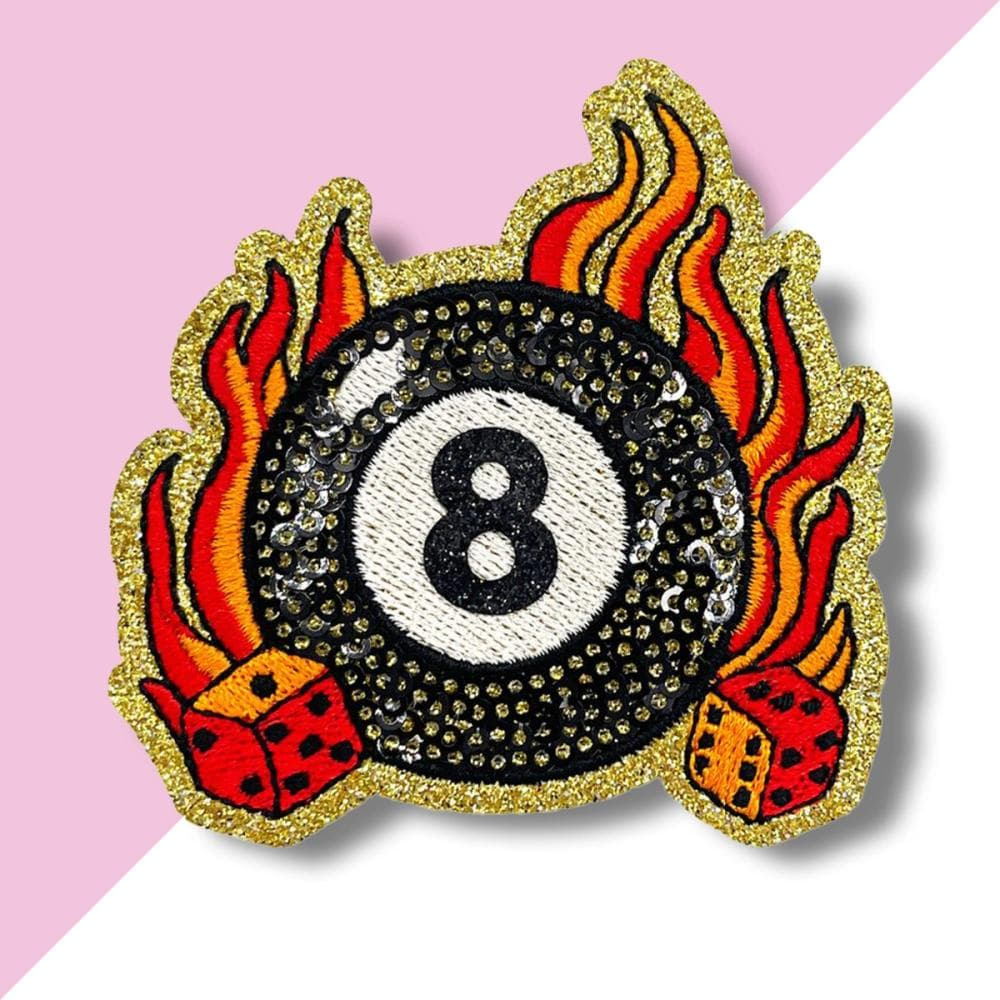
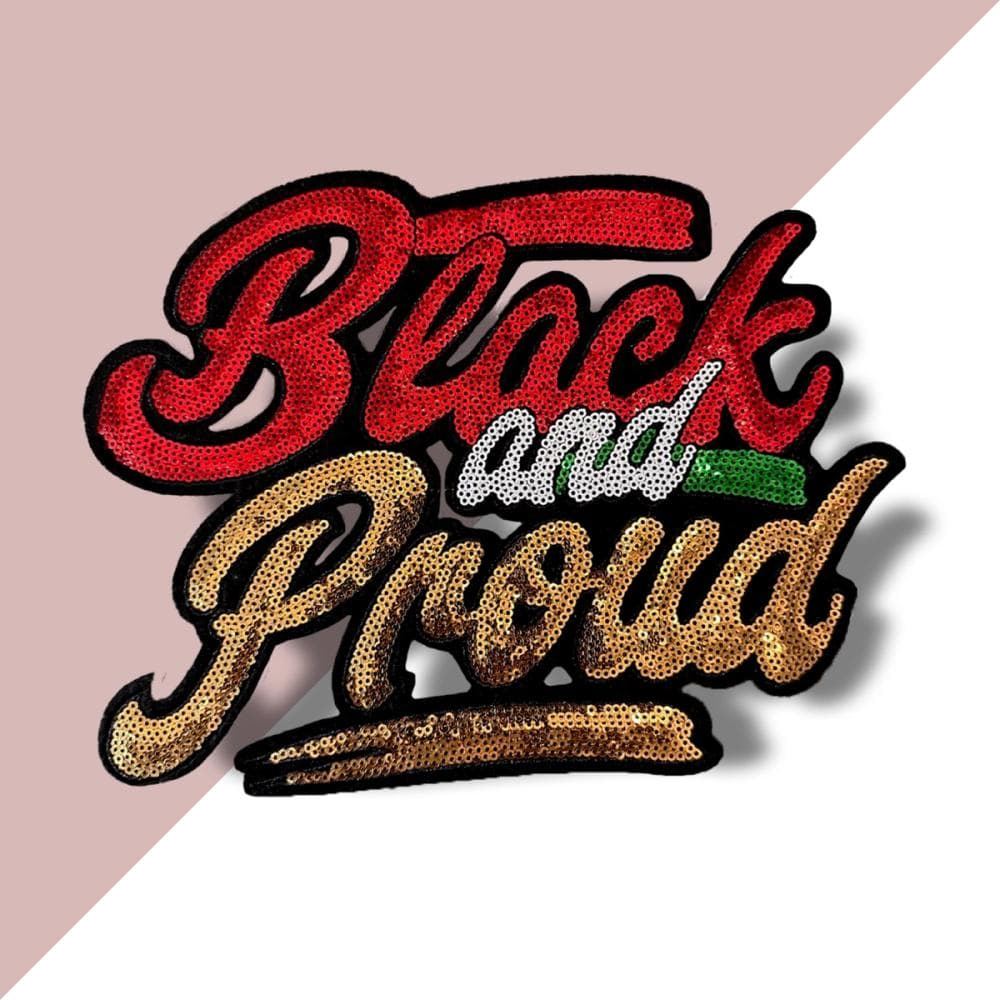
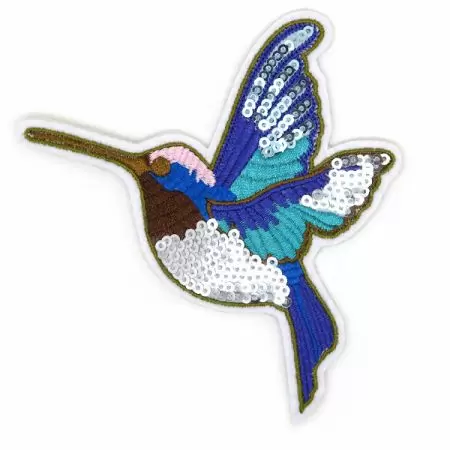
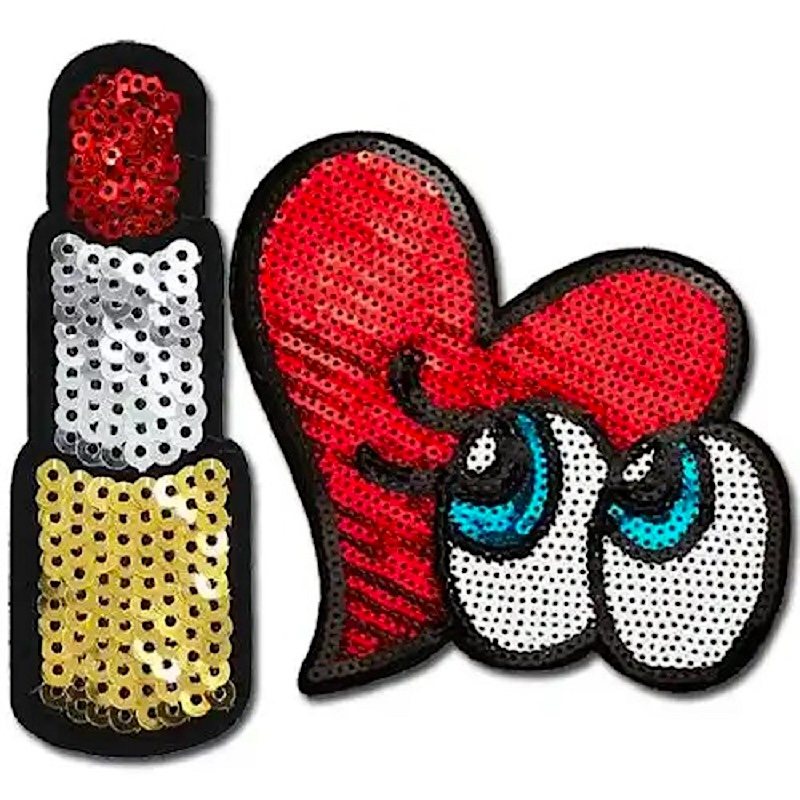
Custom sequin patches are patches made from shiny, overlapping sequin discs sewn onto a fabric backing. Sequins are small, flat, disc-shaped beads with a hole in the center, typically made from shiny plastic (PVC or PET). When sewn onto a backing in overlapping rows, they create a sparkling, textured surface that catches light beautifully.
The most distinctive feature of many sequin patches is their reversible (flip) effect – sequins are attached at a single point, allowing them to flip over to reveal a second color underneath. When brushed by hand or against a surface, the patch "changes color" or reveals a hidden design. This interactive, playful quality makes sequin patches incredibly popular for dance costumes, cheerleading gear, festival wear, and children's apparel.
Non-reversible (fixed) sequin patches are also available, where sequins are sewn flat and do not flip. These offer a simpler, permanent sparkling effect.
Sequin patches are lightweight, flexible, and can be sewn or ironed onto most fabrics. They add glamour, movement, and a tactile, shimmering finish that no other patch type can match.
Key Features of Custom Sequin Patches
Custom sequin patches offer a unique set of features that set them apart from other patch types:
Sparkling, Light-Reflecting Surface – Sequins catch and reflect light, creating a dazzling, eye-catching effect.
Reversible (Color-Flip) Option – Sequins flip to reveal a second color or hidden design. Interactive and playful.
Smooth, Scaly Texture – The overlapping sequin discs create a unique tactile surface that is soft and pleasant to touch (in one direction).
Lightweight & Flexible – Despite the shiny surface, sequin patches are surprisingly light and conform well to curved garment surfaces.
Wide Color Options – Sequins are available in virtually any color, including metallics, neons, pastels, and iridescent finishes.
Custom Shapes Available – Patches can be cut into any shape (heart, star, circle, custom logo outline).
Sew-On or Iron-On Backing – Most sequin patches are sewn on for security, but iron-on versions are available for DIY application.
Most Popular Sequin Patch Styles
Among custom sequin patches, the following styles are the most popular:
Reversible (Flip) Sequin Patches – Sequins flip between two colors (e.g., gold to silver, red to white). When brushed, the patch appears to change color or reveal a hidden design. The most popular and distinctive style.
Fixed (Non-Reversible) Sequin Patches – Sequins are sewn flat and do not flip. Offers a permanent, uniform sparkling surface. Simpler and more durable for high-wear applications.
Letter & Number Patches – Individual letters or numbers made entirely of sequins. Popular for cheerleading squad names, team initials, or dancer IDs.
Shape Patches – Custom shapes such as hearts, stars, circles, diamonds, or lightning bolts. Often used for dance costumes, party favors, and kids' accessories.
Logo or Custom Design Patches – A brand logo or custom graphic created using sequins (usually fixed style, as reversible is difficult for complex shapes). Best for simple, bold logos.
Glow-in-the-Dark Sequin Patches – Sequins with photoluminescent properties. Glow after exposure to light. Popular for festival wear, rave accessories, and Halloween costumes.
Sequin Patches vs. Traditional Patches (Embroidered / Woven / Printed)
If you are considering sequin patches, you may wonder how they compare to more traditional patch types. Here is a direct comparison to help you decide.
| Feature | Sequin Patches | Embroidered / Woven / Printed Patches |
|---|---|---|
| Visual Effect | Sparkling, shimmering, light-reflecting. Catches attention from a distance. | Matte or slightly shiny (thread or ink). More subtle and professional. |
| Texture | Smooth, scaly, directional (feels smooth one way, rough the other if reversible). | Flat (printed/woven) or slightly raised (embroidered). |
| Interactivity | Reversible styles flip colors when brushed. Playful and engaging. | Static. No color change or movement. |
| Best For | Costumes, cheerleading, dancewear, festival fashion, kids' products, party accessories. | Corporate branding, uniforms, outdoor gear, everyday wear, professional settings. |
| Durability | Moderate. Sequins can be pulled off or snagged. Hand wash recommended. | High to very high. Embroidered patches are extremely durable. Machine washable. |
| Detail Level | Low to moderate. Best for bold, simple shapes and large text. Not for fine details. | High (woven/printed) to moderate (embroidered). Fine details possible. |
| Cost | Moderate. Cheaper than high-end embroidery, comparable to woven patches. | Low to high depending on complexity. |
| Washability | Hand wash only. Machine washing may damage sequins or cause flipping. | Machine washable (embroidered/woven). |
Which One Should You Choose?
Choose Sequin Patches if:
You want a sparkling, eye-catching, glamorous effect.
Interactivity (color-flip) is appealing for your application.
The patch is for a costume, dancewear, festival gear, or children's product.
Your design is bold and simple (large shapes, minimal fine detail).
Choose Traditional Patches (Embroidered / Woven / Printed) if:
You need durability and machine washability.
Your design has fine details or small text.
The application is professional (corporate uniform, outdoor gear, everyday apparel).
You want a subtle, classic look rather than sparkle.
What Are Custom Sequin Patches Commonly Used For?
Custom sequin patches are used in applications where sparkle, fun, and visual impact matter:
Dance & Cheerleading Costumes – Squad names, team initials, or decorative shapes on competition costumes. Sequins catch stage lighting beautifully.
Festival & Rave Wear – Sparkling patches on backpacks, hats, vests, and shorts. Reversible (color-flip) patches are especially popular for interactive fun.
Children's Apparel & Accessories – Backpacks, jackets, hats, and shoes. Kids love the flip-effect and shiny surface.
Party & Event Wear – Birthday sashes, bachelorette party accessories, New Year's Eve outfits, and holiday costumes.
Cheerleading & Spirit Wear – Team letters, mascot shapes, and spirit patches on uniforms and warm-ups.
Costumes & Cosplay – Decorative patches for stage costumes, theater productions, and cosplay outfits.
DIY Craft & Apparel Decoration – Iron-on sequin patches for customizing jeans, jackets, tote bags, and phone cases.
How to Design Sequin Patches That Get Noticed
Designing for sequin patches is different from designing for embroidery or printing. Follow these guidelines:
Design Guidelines:
Keep designs bold and simple – Sequins are chunky (typically 3–5mm diameter). Thin lines and intricate details will not work.
Use large, solid shapes – Think hearts, stars, circles, block letters, and simple mascot outlines.
Minimum text height: 1.5–2 inches (38–50mm) for reversible sequins. Smaller text is very difficult to read because each sequin is a single "pixel."
Limit the number of colors – For reversible patches, each flip color requires the sequins to be aligned. Two colors (one on top, one underneath) is standard. Fixed patches can have multiple colors by using different colored sequins in different areas.
Consider the direction of the sequins – Reversible sequins flip in one direction. Designs should consider the "brush" direction for the flip effect to work properly.
Use vector files – AI, PDF, CDR, or SVG formats are essential for creating cutting dies.
Border Options to Consider:
Stitched Border – A thread border (satin stitch or straight stitch) around the edge of the sequin area. Gives a clean, finished look and helps prevent sequins from unravelling.
Heat-Cut Border – The fabric backing is cut with a heated die, sealing the edge. Clean and economical. No thread border.
Merrowed Border – A tight overlocked thread edge wrapped around the entire patch. Traditional patch border. Less common on sequin patches but available.
No Border (Raw Edge) – The patch is cut without any edge finishing. Only suitable if the patch will be sewn directly into a seam. Not recommended.
For most sequin patches, a stitched border or heat-cut border works best.
How Custom Sequin Patches Are Made
The manufacturing process for sequin patches is quite different from other patch types. Here is the typical workflow for reversible sequin patches:
Design & Digitizing – Your design is converted into a sequin-placement file that tells the machine where to sew each sequin.
Material Preparation – Sequins are loaded onto the machine. For reversible patches, two colors of sequins are pre-strung in alternating orientation.
Fabric Backing Cutting – The backing fabric (typically felt or twill) is cut to the rough shape of the patch.
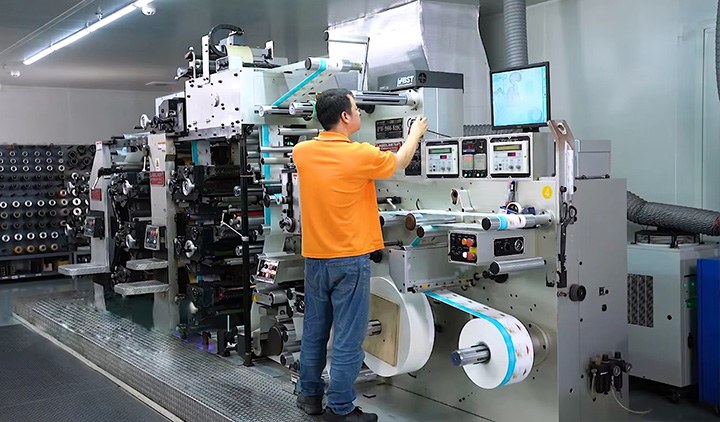
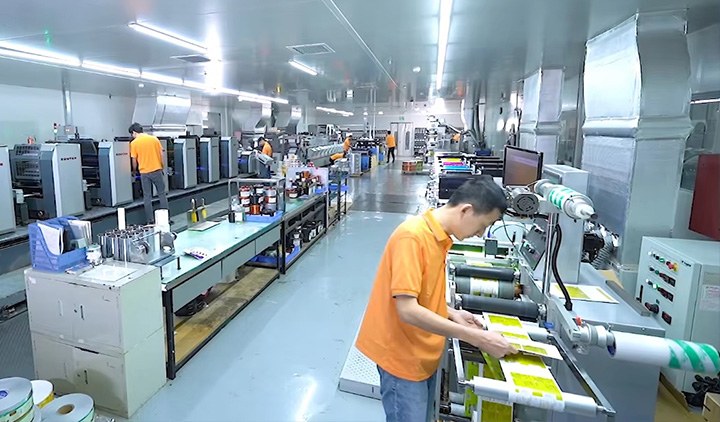
Sequin Sewing – A specialized sequin sewing machine (or multi-head embroidery machine with a sequin attachment) sews individual sequins onto the backing fabric in overlapping rows. For reversible patches, each sequin is attached at a single point so it can flip.
Border Application – A stitched or heat-cut border is applied around the edge of the sequin area.
Shape Cutting – The patch is die-cut or laser-cut into its final shape.
Backing Attachment – The chosen backing (sew-on or iron-on adhesive) is applied to the back of the patch.
Quality Inspection – Each patch is checked for missing sequins, misaligned rows, border defects, and backing adhesion.
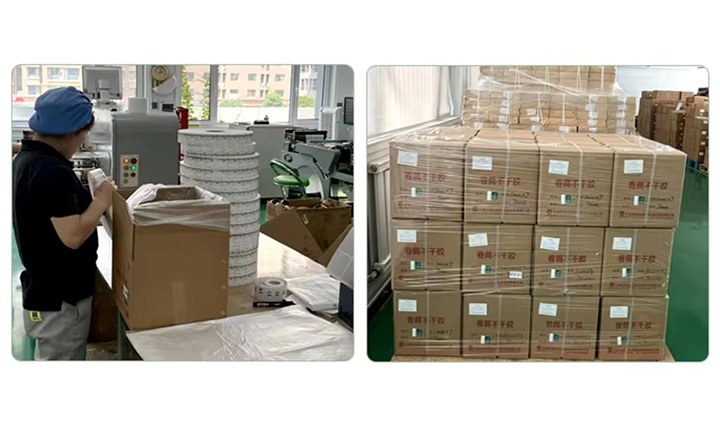
Packaging – Finished patches are packaged flat to prevent sequin damage.
Price of Custom Sequin Patches
The pricing of custom sequin patches is driven by size, sequin type, and quantity.
Comparison with Embroidered Patches: For a simple, bold design (e.g., a 3-inch star), sequin patches are generally comparable in price or slightly more expensive than embroidered patches. For larger designs, sequin patches become more economical because sequin application is faster than dense embroidery stitching.
Comparison with Woven or Printed Patches: Sequin patches are more expensive than woven or printed patches, which are the lowest-cost options. The premium reflects the sparkling, interactive effect.
Key Price Factors:
Size – Larger patches use more sequins and take longer to sew.
Sequin type – Reversible (color-flip) sequins are more expensive than fixed (non-reversible) sequins.
Number of colors – Fixed patches with multiple sequin colors require more complex machine setup. Reversible patches typically use two colors (top and bottom).
Quantity – Unit price drops as quantity increases. The biggest drop occurs between 100–500 pieces.
Border type – Stitched borders add cost compared to heat-cut borders.
Backing type – Sew-on is cheapest. Iron-on backing adds a small per-piece cost.
A General Price Indication: For a typical 3-inch round reversible sequin patch (flip between two colors) with sew-on backing, at medium quantities (250–500 pieces), the price per patch is roughly equivalent to a fast-food meal. For small batches (50–100 pieces), the price is higher due to setup costs. For larger patches (5+ inches), the price increases proportionally. Compared to an embroidered patch of the same size, sequin patches are often 10–30% more expensive.
How to Get an Accurate Quote: Send the following to any reputable sequin patch manufacturer:
Your design file (vector format: AI, PDF, CDR – bold, simple shapes only)
Desired dimensions (e.g., 3 inches round, 4 inches wide)
Target quantity (e.g., 200 pieces, 1,000 pieces)
Sequin type (reversible flip or fixed)
Colors (top and bottom for reversible; list of colors for fixed)
Border preference (stitched or heat-cut)
Backing type (sew-on or iron-on)
How to Customize Custom Sequin Patches for Your Project
Ready to create your own sequin patches? Follow these steps:
Prepare Your Artwork – Simplify your design into bold, solid shapes. Use large text (minimum 1.5 inches tall for letter patches). Vector files only (AI, PDF, CDR, SVG). Avoid fine details, gradients, and small elements.
Choose Your Sequin Type – Reversible (color-flip) for interactive, playful effect. Fixed (non-reversible) for permanent, uniform sparkle.
Select Colors – For reversible: choose top color and bottom (flip) color. For fixed: choose 1–3 sequin colors (more colors add cost).
Determine Size & Shape – Simple shapes (circle, heart, star, rectangle, custom outline). Minimum size: at least 2 inches in the smallest dimension (sequins need space).
Choose Border – Stitched border (clean, finished) or heat-cut border (economical).
Select Backing – Sew-on (most durable, recommended) or iron-on (convenient for DIY).
Request Quotes – Send your artwork and specifications to 2–3 manufacturers who specialize in sequin patches (not all patch makers offer sequins).
Order a Sample – Sequin patches vary in sequin density, flip quality, and color accuracy. Always order a physical sample before bulk production.
Approve & Place Bulk Order – Once the sample meets your expectations, approve it and place your order. Typical production: 10–15 business days.
Plan Packaging – Sequin patches can snag on each other. Discuss protective packaging (individual bags or tissue paper interleaving) with your manufacturer.
Packaging Options for Custom Sequin Patches
Sequin patches require careful packaging to prevent snagging, scratching, or sequin loss.
Individual Poly Bags – Each patch is placed in a separate clear poly bag. The best protection. Recommended for all sequin patches.
Tissue Paper Interleaving – Layers of patches are separated by tissue paper. Prevents sequins from catching on each other. Suitable for bulk orders.
Backing Cards – Patches are attached to custom-printed cards, often sealed in a clear sleeve. Keeps the patch flat and protected. Ideal for retail.
Flat Cartons with Dividers – For larger patches or higher-value orders, rigid cartons with cardboard dividers keep patches separated and flat.
Avoid Loose Bulk Packing – Do not allow patches to be thrown loosely into a bag. Sequins will snag and may be pulled off.