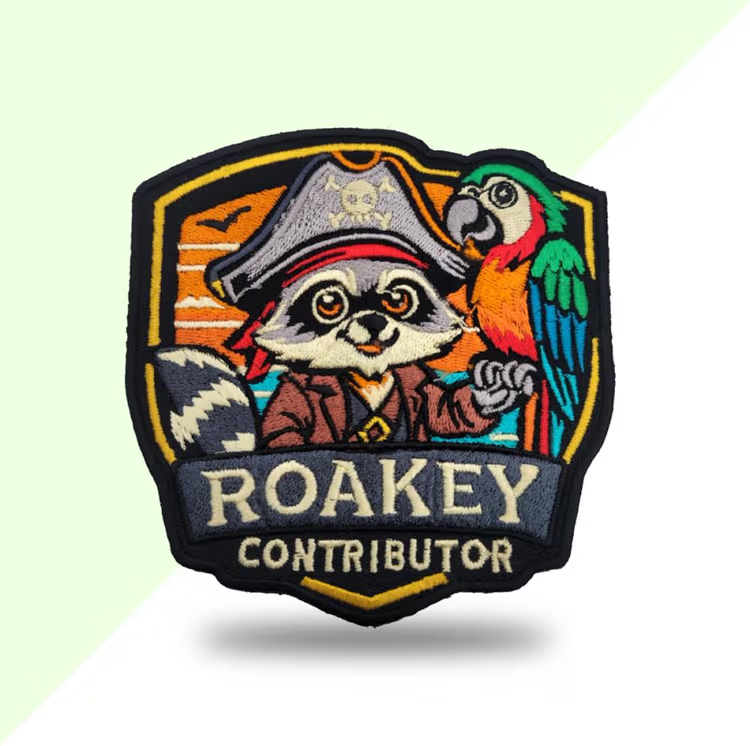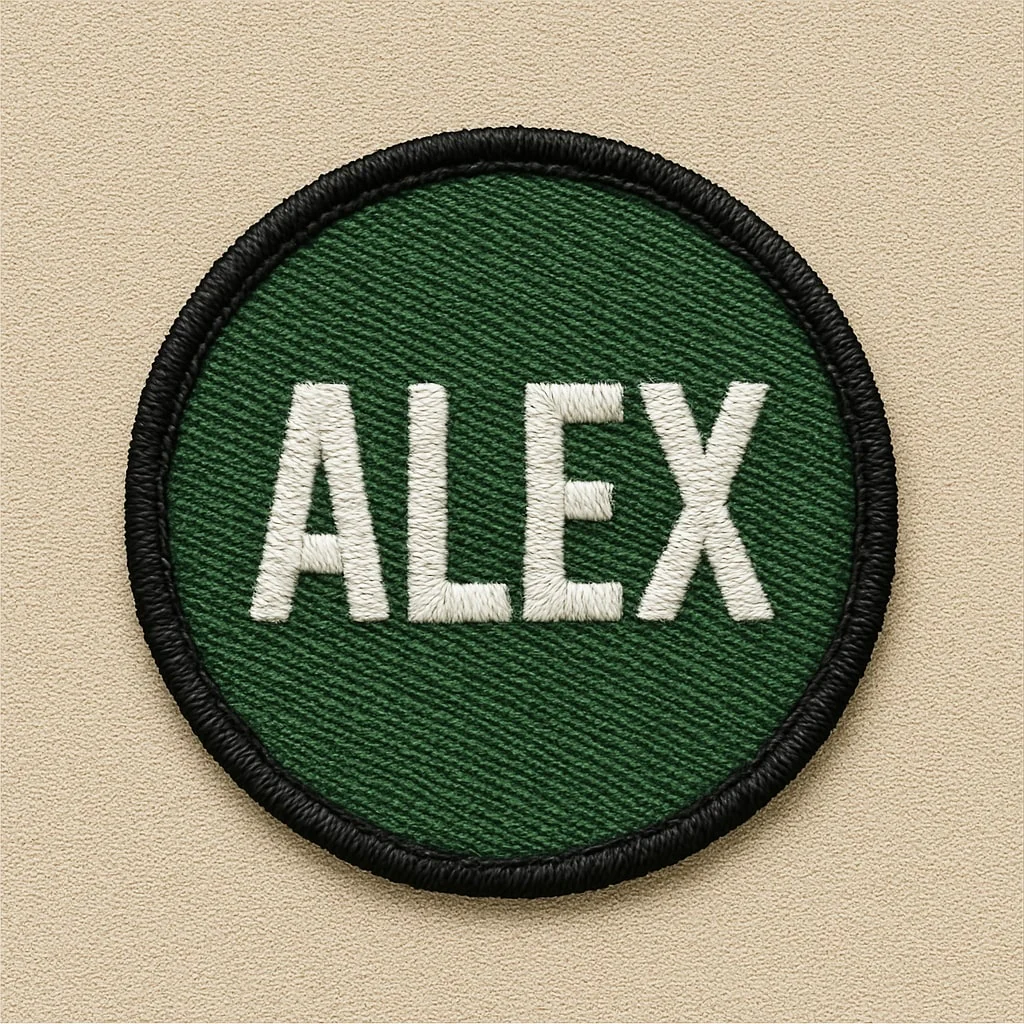
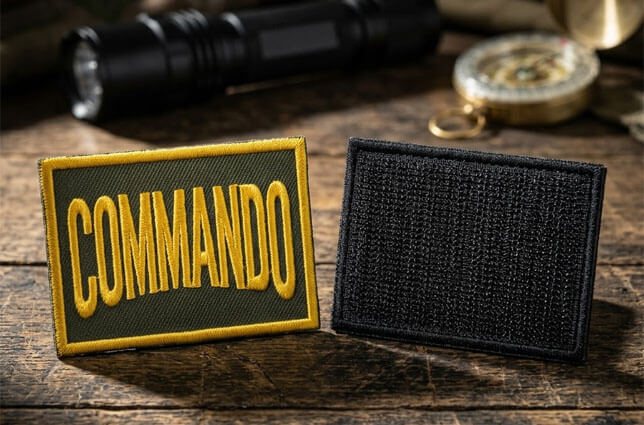
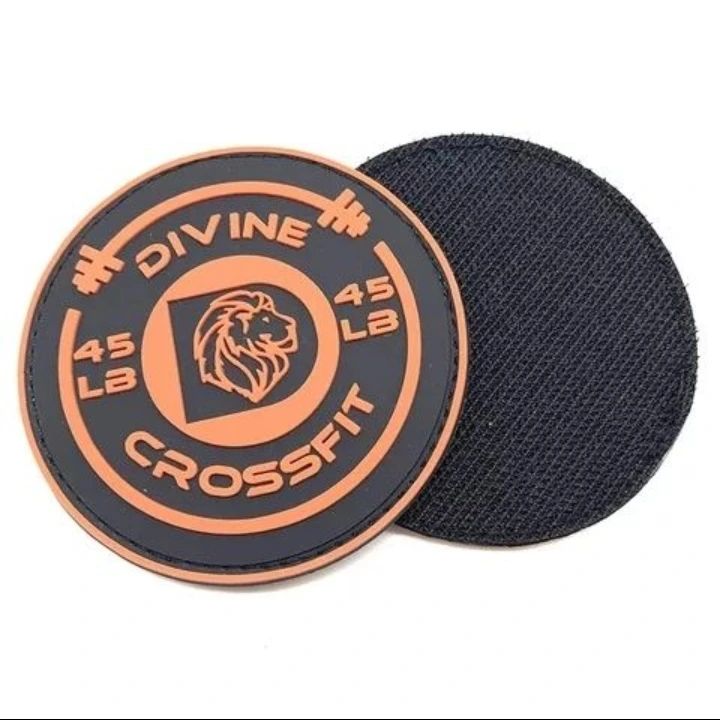

What Are Custom Velcro Patches?
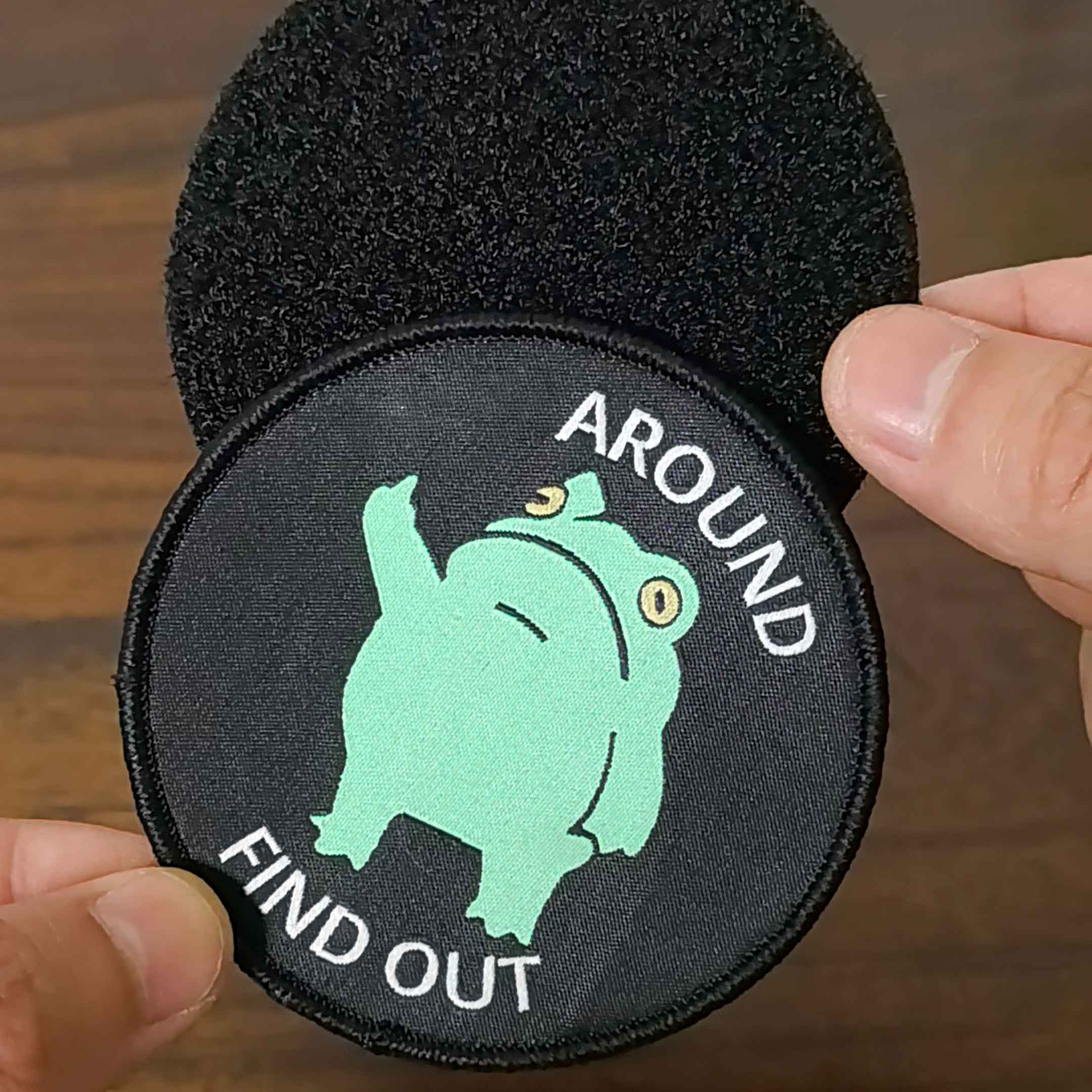
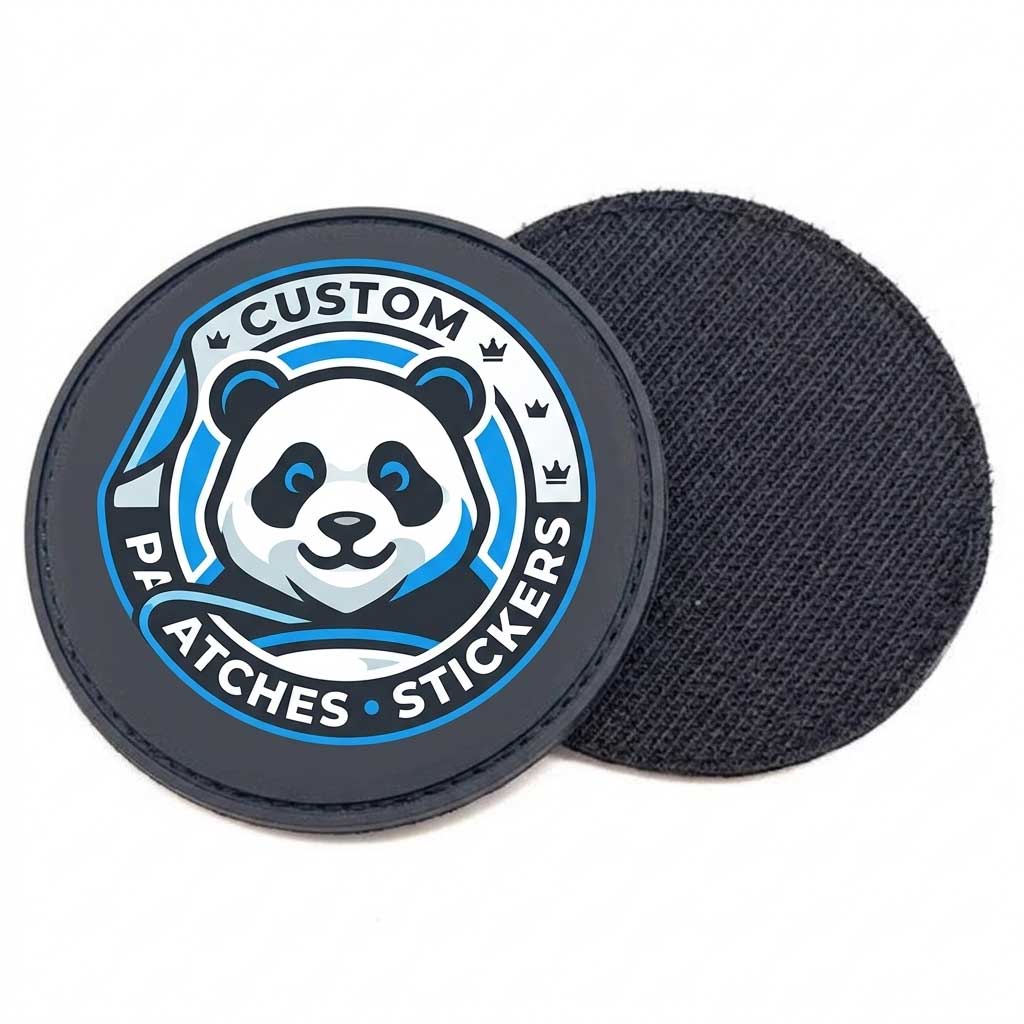
Custom Velcro patches are patches that have a hook-and-loop backing (commonly known as Velcro) attached to the reverse side, allowing them to be easily attached to and removed from any surface that has the corresponding loop or hook material. Unlike traditional patches that must be sewn or ironed on permanently, Velcro patches are interchangeable, reusable, and highly versatile.
The patch itself can be made using various manufacturing methods – embroidered, woven, printed, PVC, leather, or chenille. The Velcro backing is then glued or heat-bonded to the back of the patch. The hook side (scratchy) is typically attached to the patch, while the loop side (soft) is sewn onto the garment or gear. This allows the user to swap patches instantly without any tools or sewing.
Custom Velcro patches are incredibly popular in tactical, military, law enforcement, and outdoor communities, but they have also gained widespread use in fashion, backpacks, hats, and workwear. The ability to change patches on demand – for different missions, moods, uniforms, or seasons – makes them a favorite for collectors and professionals alike.
Key Features of Custom Velcro Patches
Custom Velcro patches offer a unique set of features that set them apart from permanent patches:
Removable & Interchangeable – Attach and remove patches instantly. Swap them out as often as you like.
No Sewing or Ironing Required – Just stick the patch onto any Velcro-compatible surface. No tools, no heat, no damage to the garment.
Reusable – Velcro patches can be removed and reattached hundreds of times without losing holding power.
Compatible with Existing Gear – Works with any surface that has loop or hook material, including tactical vests, backpacks, caps, and uniform panels.
Available in Any Patch Style – Choose from embroidered, woven, printed, PVC, leather, chenille, or sequin – all can be backed with Velcro.
Durable Attachment – Quality Velcro holds firmly through movement, sweat, and light weather.
Easy to Organize & Display – Collectors can store patches on Velcro display boards or panels.
Customizable Shape & Size – Any shape or size patch can be fitted with Velcro backing.
Most Popular Velcro Patch Styles
Since Velcro is a backing type rather than a patch construction method, almost any patch style can be made with Velcro. The most popular styles include:
Embroidered Velcro Patches – Traditional thread-based patches with a soft, textured feel. Most common for morale patches, unit insignia, and brand logos.
PVC Velcro Patches – Soft, rubbery, waterproof patches with 3D raised details. Extremely popular in tactical and outdoor communities.
Woven Velcro Patches – Thin, high-detail patches with fine text and intricate lines. Great for detailed logos or small text.
Printed Velcro Patches – Full-color patches with unlimited colors, gradients, and photographic details. Ideal for complex artwork.
Leather Velcro Patches – Rugged, premium patches for hats, bags, and workwear. Develops a unique patina over time.
Glow-in-the-Dark Velcro Patches – Patches that glow after exposure to light. Popular for nighttime tactical use and events.
Reflective Velcro Patches – High-visibility patches that shine when light hits them. Common for safety, running, and cycling gear.
Custom Velcro Patches: Pros and Cons
Here is a straightforward look at the advantages and disadvantages of custom Velcro patches.
| Pros (Advantages) | Cons (Disadvantages) |
|---|---|
| Removable & Reusable – Swap patches anytime. No permanent commitment to one design. | Velcro Wears Over Time – After hundreds of attachments, the hook-and-loop may lose holding power. Replaceable, but a consideration. |
| No Sewing or Ironing – Attach instantly to any Velcro-compatible surface. No damage to garments. | Requires Loop Panel on Garment – The garment or gear must have the soft loop side sewn on. Not all items come with Velcro. |
| Great for Collectors – Build a collection of patches and display or swap them easily. | Adds Thickness – The Velcro backing adds 2–3mm of thickness compared to sew-on patches. |
| Interchangeable for Different Occasions – Change patches for different missions, uniforms, seasons, or moods. | Can Collect Lint & Debris – The hook side can attract fuzz, hair, and dirt over time. |
| Works with Many Patch Types – Embroidered, PVC, woven, printed, leather – all can have Velcro backing. | Not as Low-Profile as Sew-On – Sew-on patches lie flat against fabric. Velcro patches stand slightly proud. |
| Easy to Display – Store patches on Velcro display boards, panels, or backpacks. | Heat Sensitivity (for some materials) – PVC patches with Velcro can melt in dryers. Check care instructions. |
| No Damage to Garments – Remove patches without leaving holes, adhesive residue, or scorch marks. | Higher Cost Than Sew-On – Adding Velcro backing adds a small per-piece cost compared to sew-only patches. |
Summary: Is Velcro Right for You?
Choose Velcro Patches if:
You want to swap patches frequently (different missions, uniforms, or moods).
You are a collector who likes to display or trade patches.
Your gear already has Velcro loop panels (tactical vests, backpacks, caps).
You do not want to sew or iron patches onto your garments.
You want a reusable, interchangeable patch system.
Choose Sew-On or Iron-On Patches if:
You want a permanent, low-profile attachment.
Your garment does not have Velcro panels and you cannot add them.
You need the thinnest possible patch profile.
The patch will be washed frequently (Velcro can catch on other items in the wash).
What Are Custom Velcro Patches Commonly Used For?
Custom Velcro patches are used in a wide range of applications where removability and interchangeability matter:
Tactical & Military Gear – Morale patches, unit insignia, flag patches, and identification patches on plate carriers, vests, helmets, and backpacks.
Law Enforcement & Security – Badge patches, duty assignment identifiers, and team patches on duty belts and vests.
Outdoor & Camping – Brand patches, fun morale patches, and identification on backpacks, tents, and camping gear.
Workwear & Uniforms – Company logos, name patches, and safety certifications on industrial uniforms, mechanic shirts, and outdoor worker gear.
Hats & Caps – Interchangeable hat patches. Swap your patch to match your outfit, team, or mood.
Backpacks & Bags – Personalize bags with interchangeable patches. Great for students, travelers, and collectors.
Collectors & Trading – Patch trading events, fan conventions, and collector communities. Velcro makes swapping easy.
Pet Gear – Dog collars, harnesses, and leashes with interchangeable name or ID patches.
How to Design Velcro Patches That Get Noticed
Designing for Velcro patches depends on the patch construction method (embroidered, PVC, printed, etc.), but here are general guidelines:
Design Guidelines:
Consider the base patch type first – Will your patch be embroidered, PVC, woven, printed, or leather? Each has different design limits.
Keep designs bold for embroidered/PVC – Thick lines and simple shapes work best. Minimum text height: 3–4mm for embroidery, 2–3mm for woven.
Use vector files – AI, PDF, CDR, or SVG formats are essential for all patch types.
Unlimited colors for printed/PVC – Printed and PVC patches allow unlimited colors. Embroidered patches have thread color limits.
Leave a border – A solid border around the design (1.5–2mm) helps the patch hold its shape and prevents fraying or edge damage.
Consider the Velcro backing – The patch shape should be simple enough that the Velcro backing can be cut cleanly to match. Very intricate shapes may have Velcro showing at the edges.
Border Options to Consider:
Merrowed Border – A tight overlocked thread edge. Traditional for embroidered patches. Works well with Velcro backing.
Laser-Cut / Heat-Cut Border – A sealed edge, common for printed, woven, and PVC patches. Clean and modern.
Stitched Border – A simple satin stitch around the edge. Adds a crafted look.
Die-Cut Edge – The patch is cut to the exact shape of your design using a mold (for PVC) or cutting die. Most common for PVC and leather patches.
For Velcro patches, merrowed borders (for embroidered) and laser-cut borders (for printed/woven) are the most popular choices.
How Custom Velcro Patches Are Made
The manufacturing process for Velcro patches has two main stages: making the patch itself, then adding the Velcro backing. Here is the typical workflow for embroidered Velcro patches (the most common type):
Patch Manufacturing – The patch is created using the chosen method (embroidery, weaving, printing, PVC molding, etc.). This follows the standard process for that patch type.
Velcro Cutting – Hook-and-loop material (typically the hook side) is die-cut to match the exact shape and size of the patch.
Adhesive Application – A strong heat-activated or pressure-sensitive adhesive is applied to the back of the patch or to the Velcro piece.
Bonding – The Velcro backing is pressed onto the back of the patch under heat and pressure, creating a permanent bond.
Edge Sealing (Optional) – For some patch types, the edge where the Velcro meets the patch is sealed to prevent peeling.
Quality Inspection – Each patch is checked for proper Velcro adhesion, alignment, and holding strength.
Packaging – Finished patches are packaged flat, often with the Velcro side protected to prevent sticking to other patches.
For PVC patches: The Velcro is glued to the smooth PVC back using specialized adhesives.
For printed/woven patches: The Velcro is heat-bonded to the fabric backing.
Price of Custom Velcro Patches
The pricing of custom Velcro patches depends on the base patch type plus the added cost of Velcro backing.
Comparison with Sew-On Patches: Adding Velcro backing typically adds a small per-piece cost (usually 10–30% more than the same patch with sew-on backing). The exact premium depends on quantity and patch size.
Comparison with Iron-On Patches: Velcro patches are generally comparable in price to iron-on patches. However, Velcro offers reusability while iron-on is permanent.
Key Price Factors:
Base patch type – Embroidered is cheapest, PVC and leather are more expensive.
Size – Larger patches cost more for both the patch and the Velcro material.
Quantity – Unit price drops as quantity increases. The biggest drop occurs between 100–500 pieces.
Shape complexity – Very intricate shapes require custom-cut Velcro, which adds cost.
Velcro quality – Standard Velcro is included. High-grade or military-spec Velcro adds a premium.
Patch complexity – Number of colors, stitch count (for embroidery), or mold complexity (for PVC) affects the base patch price.
A General Price Indication: For a typical 3-inch round custom embroidered Velcro patch with 4 colors and merrowed border, at medium quantities (250–500 pieces), the price per patch is roughly equivalent to a fast-food meal. For the same patch without Velcro (sew-on only), expect to pay about 15–25% less. For PVC Velcro patches, prices are generally higher than embroidered.
How to Get an Accurate Quote: Send the following to any reputable patch manufacturer:
Your design file (vector format: AI, PDF, CDR)
Desired dimensions (e.g., 3 inches round)
Target quantity (e.g., 300 pieces, 1,000 pieces)
Base patch type (embroidered, PVC, woven, printed, etc.)
Number of colors and Pantone codes (if applicable)
Border preference (merrowed, laser-cut, etc.)
Specify "Velcro backing" (hook side on patch, loop side on garment)
How to Customize Custom Velcro Patches for Your Project
Ready to create your own Velcro patches? Follow these steps:
Choose Your Patch Type – Decide on embroidered, PVC, woven, printed, or leather. Each has different strengths (see previous sections).
Prepare Your Artwork – Simplify your design based on the patch type. Use vector files (AI, PDF, CDR, SVG). Avoid gradients for embroidered patches.
Determine Size & Shape – Standard shapes (circle, square, shield) or custom die-cut. Ensure the shape is not too intricate for Velcro backing.
Select Colors – Provide Pantone codes for accurate color matching.
Choose Border – Merrowed (traditional) or laser-cut (clean/modern).
Specify Velcro Backing – Confirm that you want hook-and-loop backing. Standard is hook side on the patch (scratchy side). The garment will need the soft loop side.
Request Quotes – Send your artwork and specifications to 2–3 patch manufacturers. Make sure they offer Velcro backing (most do).
Order a Sample – Always order a physical sample to confirm patch quality, Velcro adhesion, and color accuracy.
Approve & Place Bulk Order – Once the sample meets your expectations, approve it and place your order. Typical production: 10–18 business days depending on patch type.
Plan Your Garment or Gear – Remember that Velcro patches require the soft loop side on the garment. You may need to sew loop panels onto your bags, hats, or uniforms.
Packaging Options for Custom Velcro Patches
Velcro patches require some care in packaging because the hook side can stick to fabrics and other patches.
Individual Poly Bags – Each patch is placed in a separate clear poly bag. Prevents patches from sticking to each other. Highly recommended.
Backing Cards – Patches are attached to custom-printed cards, often with the Velcro side facing up. The card protects the patch and prevents sticking. Ideal for retail.
Tissue Paper Interleaving – Layers of patches are separated by tissue paper, with the Velcro sides facing the same direction. Standard for bulk orders.
Velcro Display Boards – For collectors or retailers, patches can be shipped already attached to a Velcro display board.
Bulk Boxes – For very large orders, patches can be packed in boxes with tissue paper layers. Ensure the Velcro sides do not touch fabric surfaces.