

What Are Custom Hat Patches?
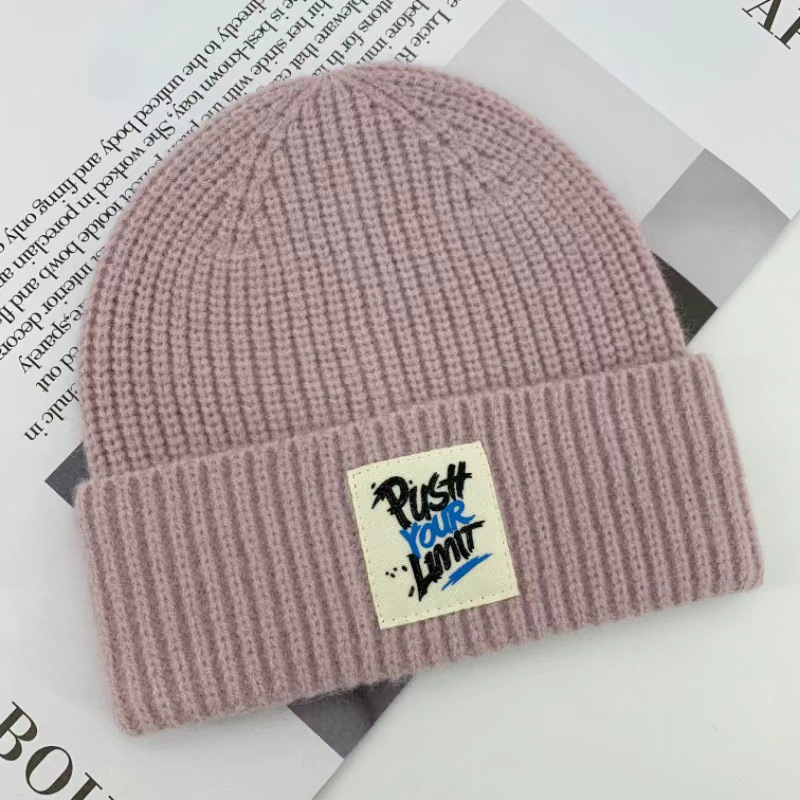
Custom hat patches are decorative or branding patches designed specifically for attachment to caps, beanies, visors, and other headwear. Unlike standard patches that may be designed for jackets or bags, hat patches are typically smaller, more durable, and optimized for the curved surface of a hat front.
Hat patches can be made using various methods: embroidered, woven, printed, PVC, leather, or chenille. They are attached using different backing options including sew-on, iron-on, Velcro (hook-and-loop), or adhesive backing. The most common placement is on the front center panel of a baseball cap, but side placements, back straps, and beanie fronts are also popular.
Custom hat patches are widely used by sports teams, corporate brands, outdoor companies, streetwear labels, events, and clubs to add logo visibility, team spirit, or a unique fashion statement to headwear.
Key Features of Custom Hat Patches
Custom hat patches offer several features that make them ideal for headwear applications:
Compact Size – Typically 2–4 inches in width or height, sized perfectly for hat fronts without overwhelming the garment.
Curve-Friendly – Designed to conform to the curved surface of a cap's front panel. Flexible materials (embroidered, woven, printed) work best.
Durable Construction – Made to withstand outdoor wear, sweat, sunlight, and repeated handling.
Multiple Attachment Methods – Choose from sew-on (most durable), iron-on (DIY friendly), Velcro (interchangeable), or adhesive (instant).
Wide Style Range – Available in embroidered, woven, printed, PVC, leather, chenille, and sequin.
Custom Shapes & Sizes – Any shape or size can be created to match your logo or design.
Weather Resistant Options – PVC and printed patches offer water resistance for outdoor hats.
Most Popular Custom Hat Patches Styles
Different patch styles suit different hat types and design needs. Here are the most popular styles:
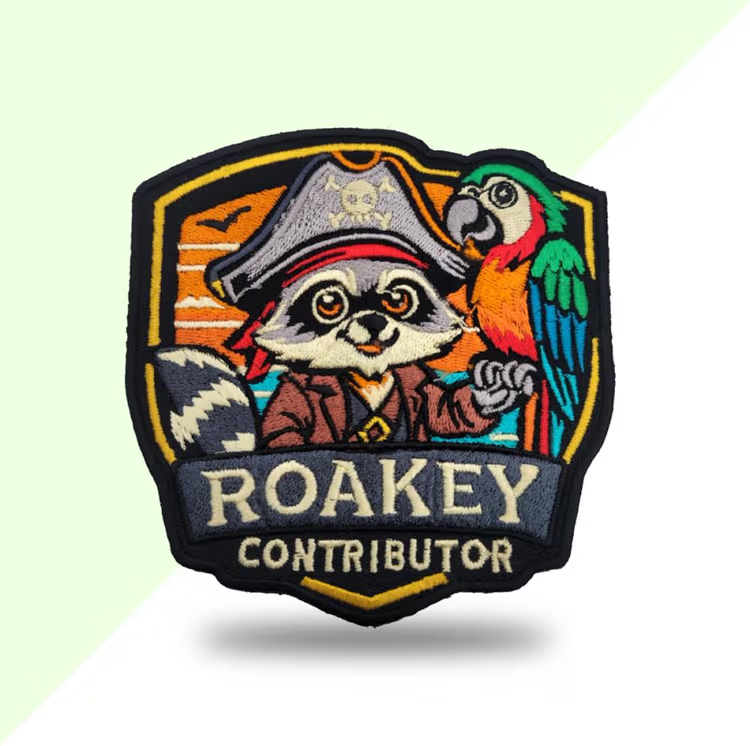
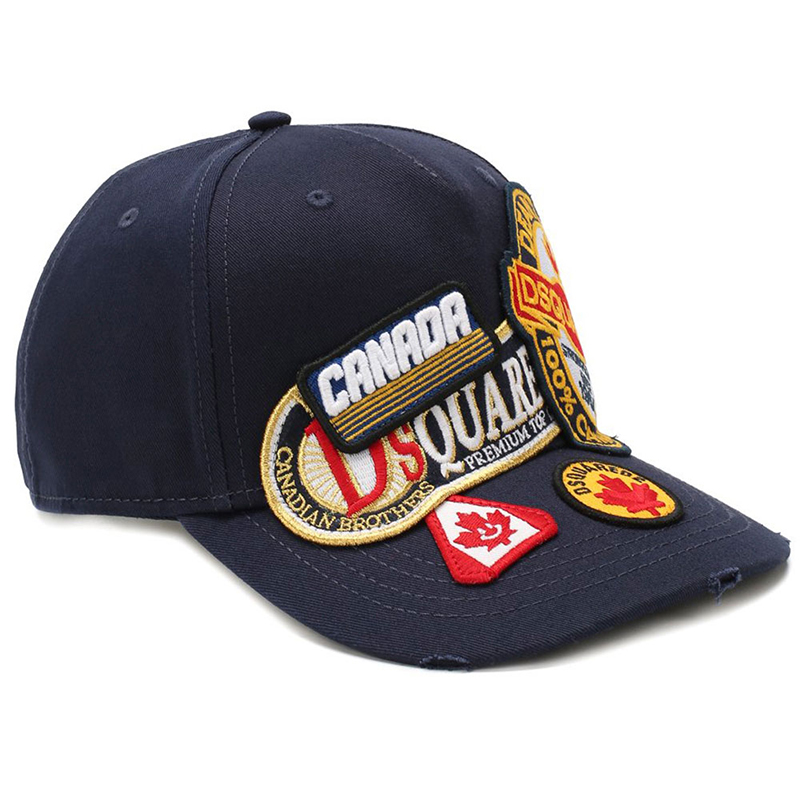
Embroidered Hat Patches – Traditional thread-based patches. Classic, durable, and professional. Best for logos with bold colors and simple details. Most popular for sports and corporate hats.
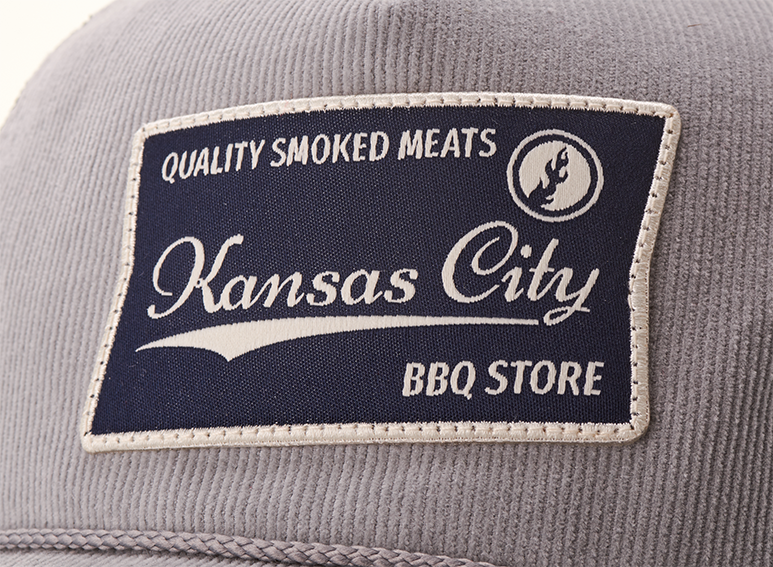
Woven Hat Patches – Thin, high-detail patches using fine threads. Excellent for small text and intricate logos. Lies very flat on curved hat surfaces.
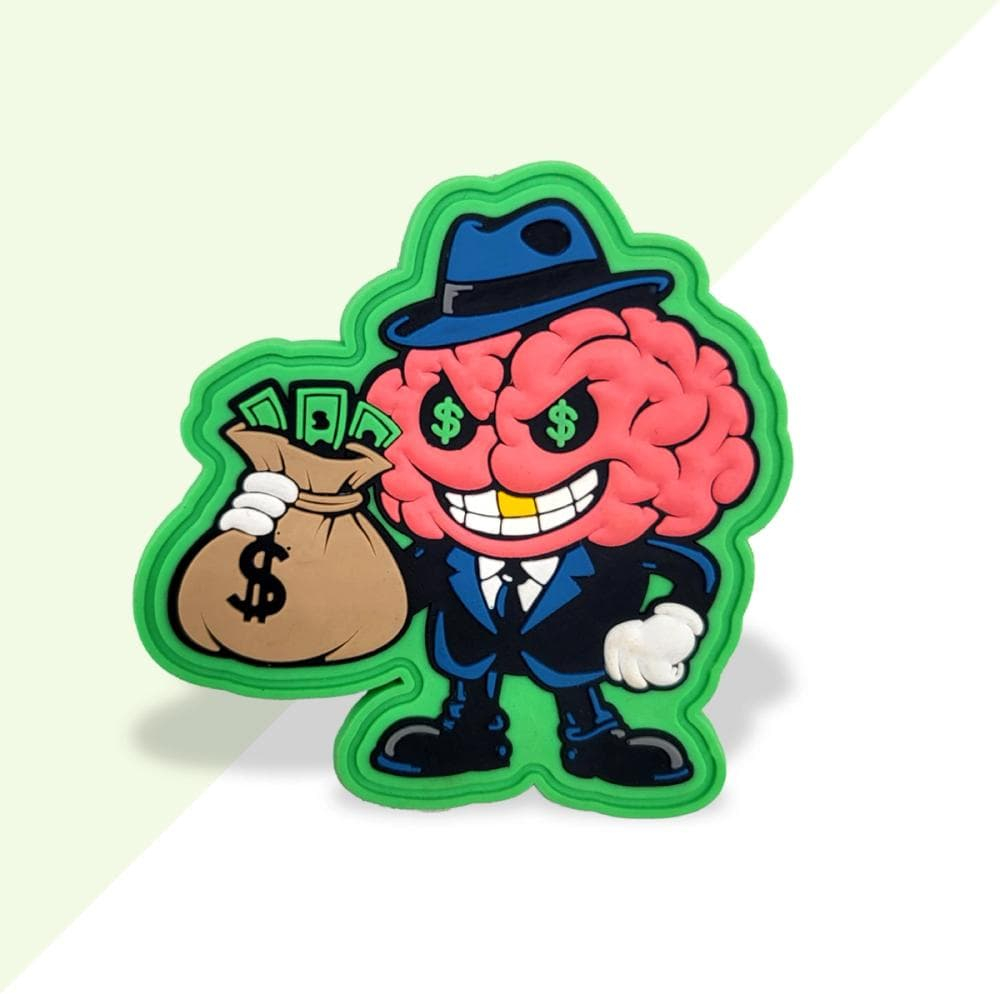
PVC Hat Patches – Soft, rubbery, waterproof patches with 3D raised details. Very durable and weather-resistant. Popular for outdoor and tactical hats.
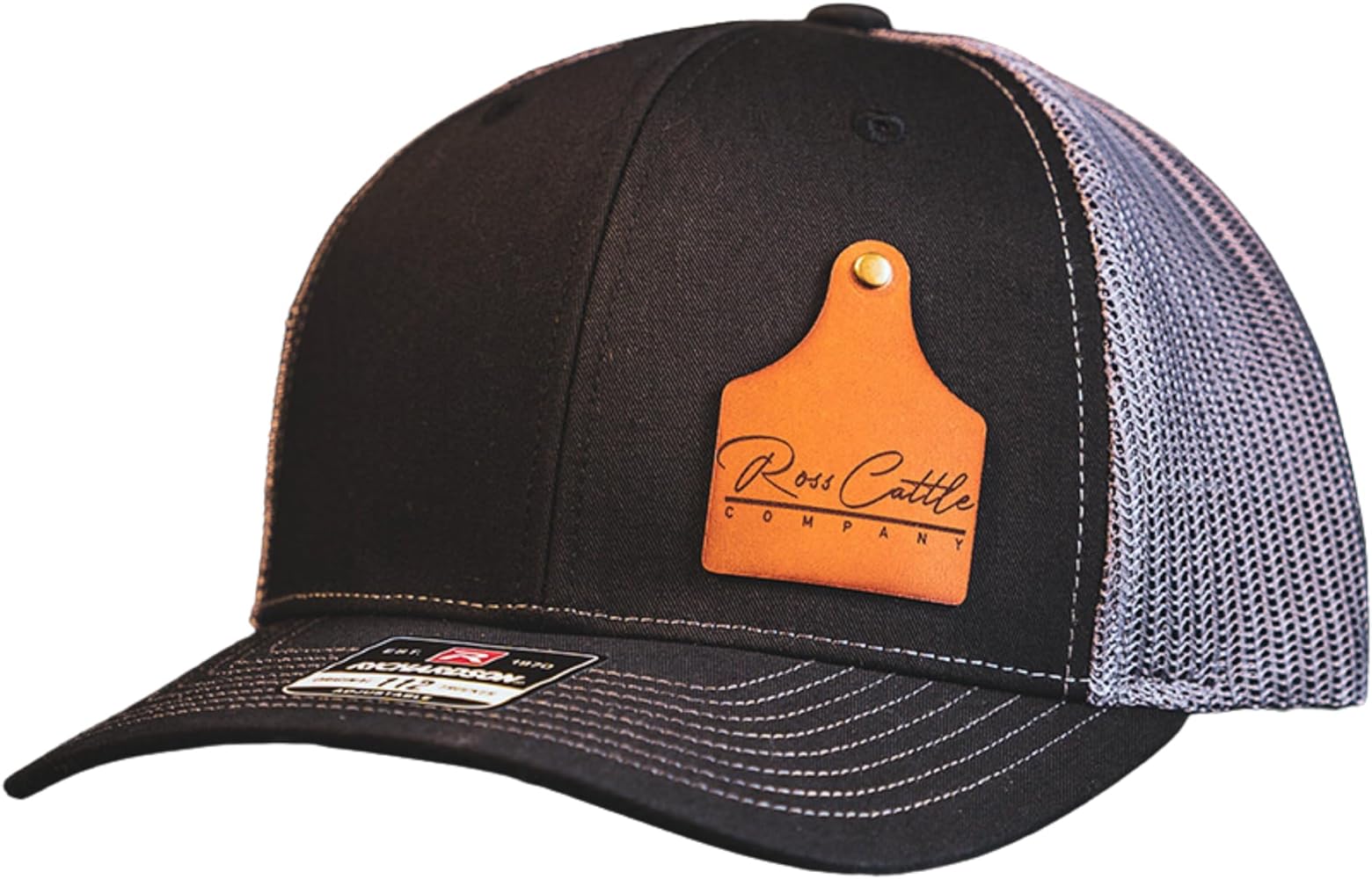
Leather Hat Patches – Genuine or bonded leather with debossed or laser-engraved logos. Rugged, premium look. Popular for trucker hats and heritage brands.
Chenille Hat Patches – Soft, fuzzy, varsity-style patches. Great for retro, sports, and college-style hats. Usually larger and bolder.
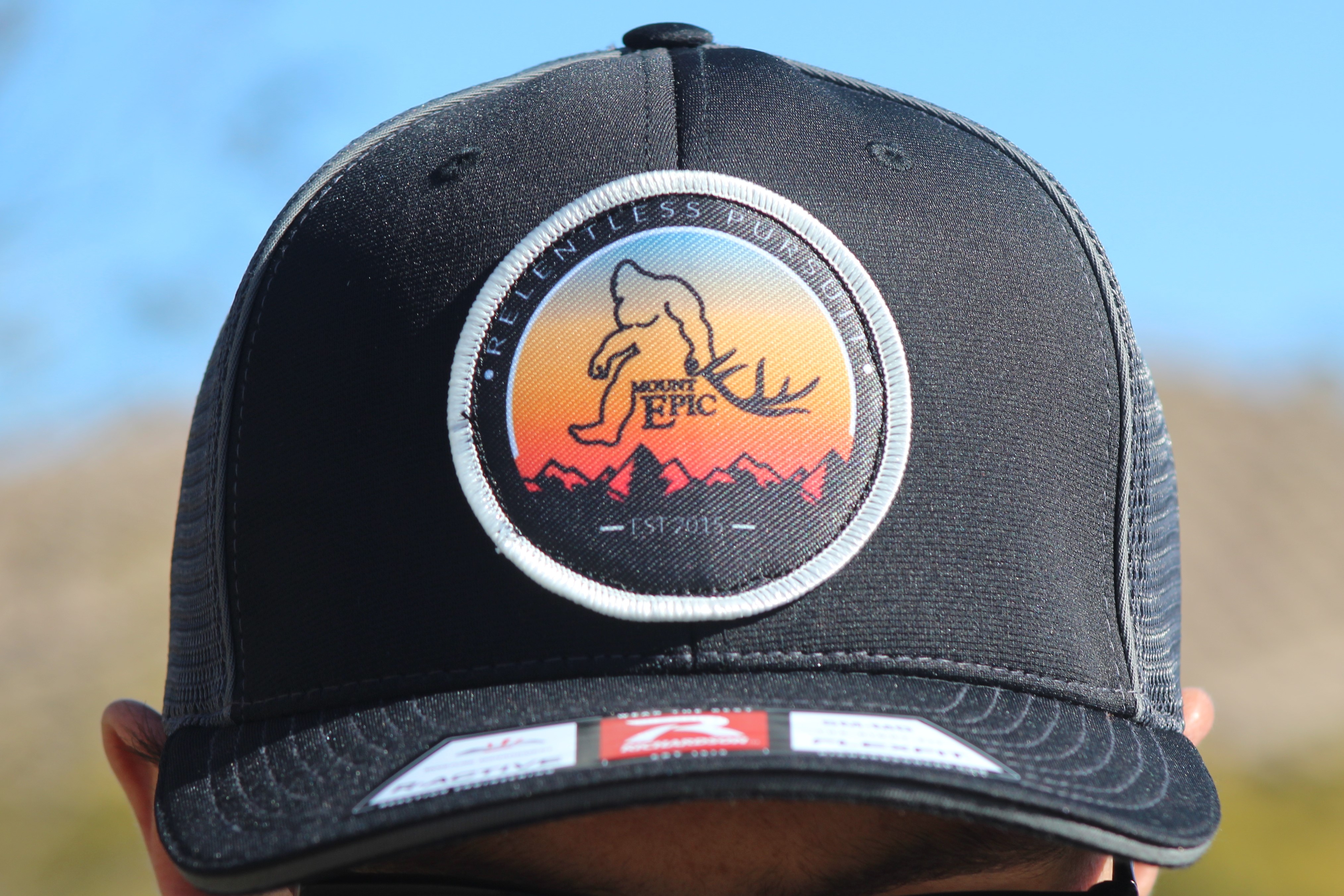
Printed Hat Patches – Full-color patches with unlimited colors and gradients. Perfect for complex artwork, photographs, or detailed illustrations.
Glow-in-the-Dark or Reflective Hat Patches – Special effect patches for safety or nighttime visibility. Popular for running caps, cycling hats, and outdoor gear.
Which Hat Types Work Best with Patches
Not all hats are equally suited for patches. Here is a breakdown of compatibility:
| Hat Type | Patch Compatibility | Best Patch Styles | Notes |
|---|---|---|---|
| Baseball Caps (Structured) | Excellent | Embroidered, woven, printed, leather | Front center panel is ideal. Structured front holds patches well. |
| Baseball Caps (Unstructured) | Good | Woven, printed (lightweight) | Unstructured caps are softer. Heavy patches may cause sagging. |
| Trucker Hats | Excellent | Embroidered, leather, chenille, PVC | Foam front accepts most patches. Leather looks very popular. |
| Beanies | Good to Excellent | Woven, printed, embroidered (small) | Stretchy fabric works best with flexible, lightweight patches. |
| Dad Hats (Cotton) | Good | Woven, printed, small embroidered | Soft cotton works best with thin, flexible patches. |
| Visors | Good | Embroidered, woven | Curved surface works best with smaller patches (2–3 inches). |
| Flat Bill Caps | Excellent | Any style | Flat surface accepts any patch type, including rigid PVC or leather. |
| Bucket Hats | Fair to Good | Woven, printed | Soft, curved surface prefers lightweight, flexible patches. |
| Performance / Running Caps | Good | Printed, reflective, PVC | Look for moisture-resistant and lightweight options. |
General Rule: Structured hats (foam front, firm panels) can handle heavier patches like PVC, leather, or thick embroidery. Unstructured or soft hats work best with lightweight woven or printed patches.
How to Design Custom Hat Patches That Get Noticed
Designing for hat patches requires specific considerations due to the small, curved nature of the canvas.
Design Guidelines:
Keep it simple – Hat patches are small (typically 2–4 inches). Complex designs with tiny details will be hard to read.
Minimum text height: 3–4mm for embroidered, 2–3mm for woven or printed. Smaller text becomes illegible.
Use bold, chunky shapes – Thick lines and solid areas read better from a distance.
Consider the curve – Designs that span across the entire hat front will curve. Avoid critical details near the edges where curvature is highest.
Think circular or horizontal – Most hat patches are round, oval, shield-shaped, or horizontal rectangles (3–4 inches wide, 1.5–2 inches tall).
Use vector files – AI, PDF, CDR, or SVG formats are essential for all patch manufacturing methods.
Limit colors for embroidery – 3–6 thread colors is ideal. Printed and PVC patches have no color limits.
Add a border – A contrasting border around the design helps the patch stand out against the hat fabric.
Border Options to Consider:
Merrowed Border – A tight overlocked thread edge. Traditional and very popular for embroidered hat patches.
Laser-Cut / Heat-Cut Border – A sealed, clean edge. Common for woven, printed, and PVC patches.
Stitched Border – A simple satin stitch around the edge. Adds a crafted look.
No Border – The design goes to the edge. Best for printed or woven patches on soft hats.
For most hat patches, a merrowed border (embroidered) or laser-cut border (woven/printed) is recommended.
How Custom Hat Patches Are Made
The manufacturing process for hat patches depends on the patch type. Here is the typical workflow for embroidered hat patches (the most common):
Digitizing – Your design is converted into a digital embroidery file that tells the machine where to place each stitch.
Material Selection – Thread colors are matched to your design. Backing fabric (twill, felt, or polyester) is selected.
Embroidery – A multi-head embroidery machine stitches the design onto the backing fabric. Multiple patches are embroidered in a large sheet.
Heat Press (Optional) – The embroidered sheet is heat-pressed to flatten the stitches and remove wrinkles.
Border Application – A merrowed border machine wraps thread around the edge of each patch (or a laser cutter cuts them out).
Backing Attachment – The chosen backing (sew-on, iron-on, Velcro, or adhesive) is applied.
Quality Inspection – Each patch is checked for loose threads, border defects, and color accuracy.
Packaging – Finished patches are packaged flat to prevent bending or curling.
For printed/woven patches: The process involves printing or weaving the design onto fabric sheets, then cutting and backing application.
For PVC patches: Liquid PVC is injected into a metal mold, cured, then backed with Velcro or adhesive.
Price of Custom Hat Patches
The price of custom hat patches varies based on several factors.
Comparison with Standard Patches: Hat patches are generally similar in price to standard patches of the same size and type. However, smaller hat patches (2–3 inches) are cheaper than larger jacket patches (4–5 inches).
Key Price Factors:
Patch type – Embroidered is most economical. Woven and printed are mid-range. PVC, leather, and chenille are higher.
Size – Larger patches cost more due to more material and machine time.
Quantity – Unit price drops as quantity increases. Small batches (50–100 pieces) have higher per-piece costs. Medium quantities (250–1,000) offer the best value.
Number of colors – For embroidered patches, more thread colors increase cost. For printed or PVC, colors have minimal impact.
Border type – Merrowed borders add a small cost compared to heat-cut borders.
Backing type – Sew-on is cheapest. Iron-on, Velcro, or adhesive add a small per-piece premium.
Shape complexity – Custom die-cut shapes cost more than standard circles or ovals.
A General Price Indication: For a typical 3-inch round custom embroidered hat patch with 4 colors and merrowed border, at medium quantities (250–500 pieces), the price per patch is roughly equivalent to a coffee drink. For a simple 2-color embroidered patch, prices are lower. For PVC or leather patches, expect to pay 30–50% more.
How to Get an Accurate Quote: Send the following to any reputable patch manufacturer:
Your design file (vector format: AI, PDF, CDR)
Desired dimensions (e.g., 3 inches round, 4x2 inches oval)
Target quantity (e.g., 200 pieces, 500 pieces)
Patch type (embroidered, woven, printed, PVC, leather)
Number of colors and Pantone codes (if applicable)
Border preference (merrowed or laser-cut)
Backing type (sew-on, iron-on, Velcro, or adhesive)
How to Customize Hat Patches for Your Brand or Event
Custom hat patches are a powerful tool for branding, team identity, and event promotion. Here is how to tailor them for your specific needs:
For Brands:
Place your company logo on caps for employees, trade shows, or retail merchandise.
Choose high-quality materials (leather, woven, or embroidered) to reflect brand values.
Consider seasonal or limited-edition patches to drive collector interest.
Use consistent colors matching your brand Pantone standards.
For Sports Teams:
Feature team logos, mascots, or championship years on caps.
Embroidered patches offer durability for game-day wear and washing.
Chenille patches add a classic varsity feel for school or college teams.
Consider small "est. 2024" or "champions" text patches for special editions.
For Events & Promotions:
Create commemorative patches for festivals, marathons, conferences, or reunions.
Printed patches allow full-color event artwork, dates, and locations.
Glow-in-the-dark or reflective patches add novelty for nighttime events.
Order smaller quantities (100–250) for event giveaways without overstocking.
For Streetwear & Fashion:
Design bold, artistic patches that reflect your aesthetic.
Leather and chenille patches are very popular in streetwear.
Offer interchangeable patches (Velcro backing) for customizable hats.
Release limited drops to create scarcity and demand.
For Outdoor & Tactical:
Use PVC or printed patches for weather resistance.
Velcro backing allows patches to be swapped between different hats and gear.
Reflective patches improve safety for low-light conditions.
Keep designs simple and readable from a distance.
Steps to Customize:
Define your hat type and placement (front, side, back strap).
Choose your patch style based on durability and aesthetic needs.
Prepare vector artwork with bold, simple elements.
Select backing (sew-on for permanent, Velcro for interchangeable, iron-on for DIY).
Order a sample to test on your actual hat model.
Approve and place bulk order.
Attach patches to hats (or ship patches separately for customer attachment).
Backing Options for Hat Patches
The backing you choose determines how the patch attaches to the hat. Each option has different strengths.
| Backing Type | Best For | Pros | Cons |
|---|---|---|---|
| Sew-On | Permanent attachment, structured hats, professional results | Most durable. Lies flat. Professional finish. Can be removed but not easily. | Requires sewing skills or a tailor. Time-consuming for large quantities. |
| Iron-On (Heat Seal) | DIY attachment, small batches, at-home application | Easy to apply with a household iron. No sewing. Good for cotton hats. | Less durable than sew-on. Can peel over time with washing or heat. Not for PVC or leather. |
| Velcro (Hook & Loop) | Interchangeable patches, tactical hats, collectors | Swap patches anytime. No tools needed. Reusable. Very popular. | Requires loop panel on the hat. Adds thickness. Can collect lint. |
| Adhesive (Peel & Stick) | Temporary attachment, promotional giveaways, samples | Instant attachment. No heat or sewing. Good for low-wear situations. | Least durable. May fall off in heat or moisture. Not for permanent use. |
| Magnetic | Delicate hats, display purposes | No damage to hat fabric. Easy to remove. | Weak hold. Not for active wear. Magnets can shift. |
Recommended Backing by Hat Type:
Baseball caps (structured) – Sew-on or iron-on for permanent; Velcro for interchangeable
Trucker hats – Sew-on or iron-on (mesh back requires careful ironing)
Beanies – Sew-on (iron-on may damage stretchy fabric)
Dad hats (soft cotton) – Sew-on or iron-on
Performance / running caps – Sew-on or Velcro (moisture-resistant)
Tactical caps – Velcro (standard for tactical gear)
Pro Tip:
For most custom hat patch projects, sew-on is recommended for durability and a professional finish. If you plan to sell hats with patches, consider having the patches pre-sewn by the hat manufacturer. If you want customers to attach patches themselves, iron-on is the most DIY-friendly option.
Packaging Options for Custom Hat Patches
Proper packaging protects patches during shipping and storage, and can enhance retail presentation.
Individual Poly Bags – Each patch in a clear plastic bag. Prevents scratching and dust. Standard for bulk orders.
Backing Cards – Patches attached to custom-printed cards with a clear sleeve. Ideal for retail display or event giveaways.
Bulk Cartons – For large orders, patches packed flat in cartons with tissue paper layers between.
Header Cards – Patches on cards with a hanging hole for peg hooks. Great for hat shops and merchandise tables.
Display Trays – Foam trays with individual slots for each patch. For premium retail or trade show displays.