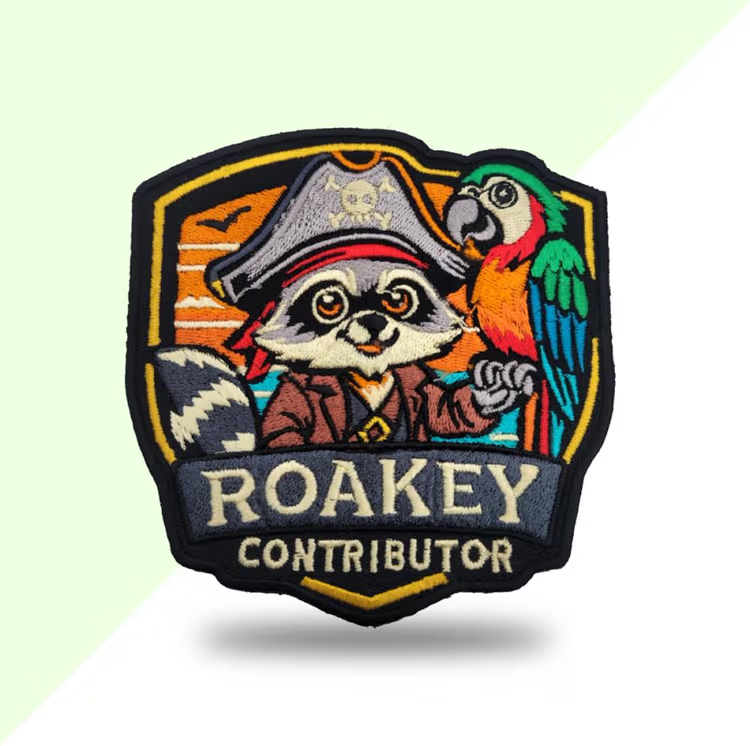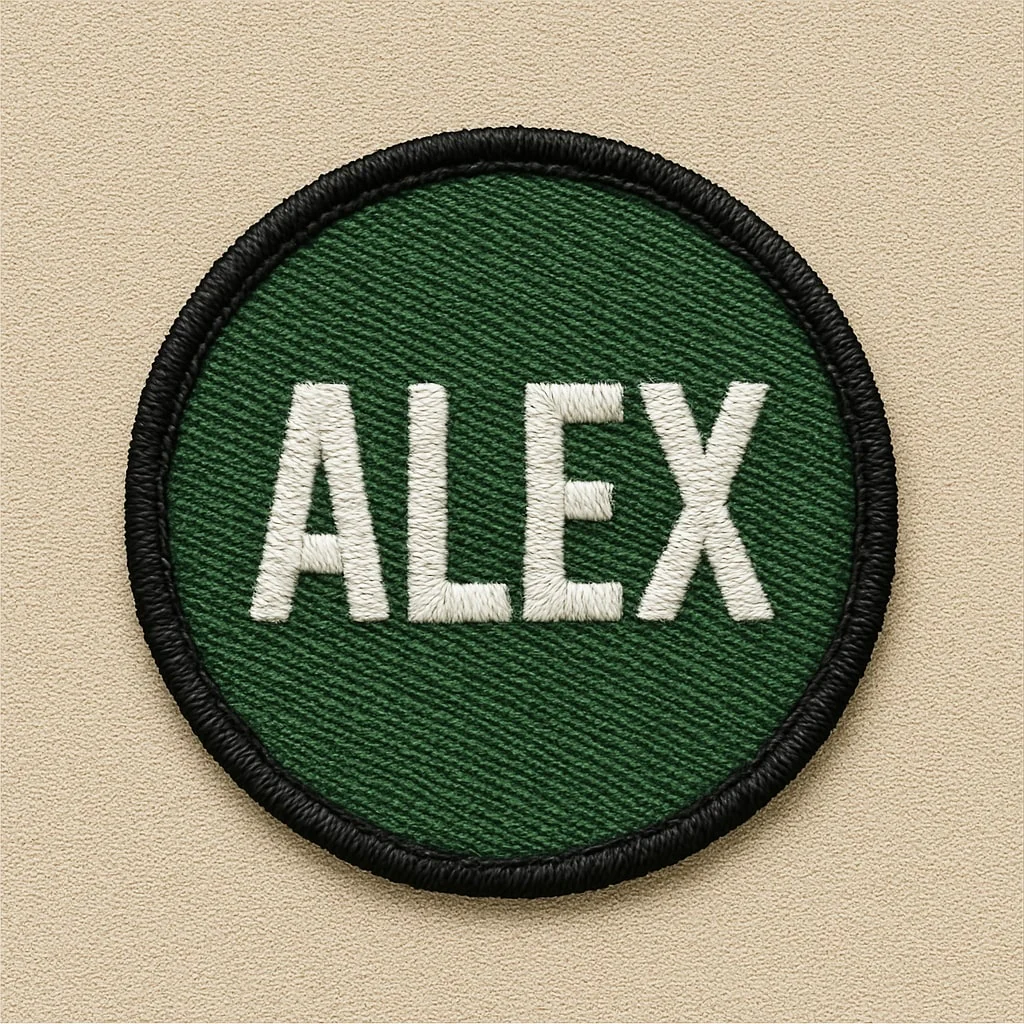
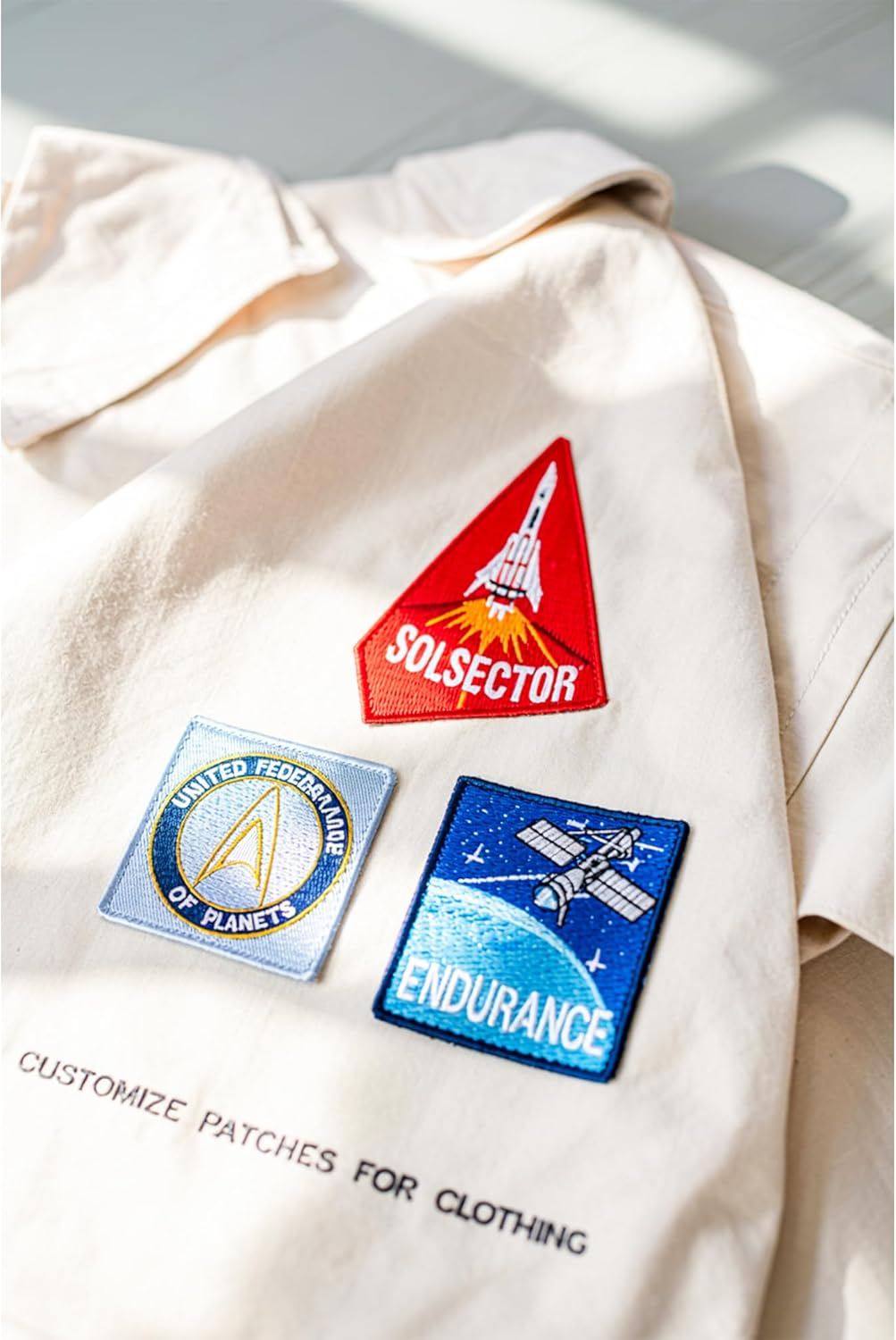
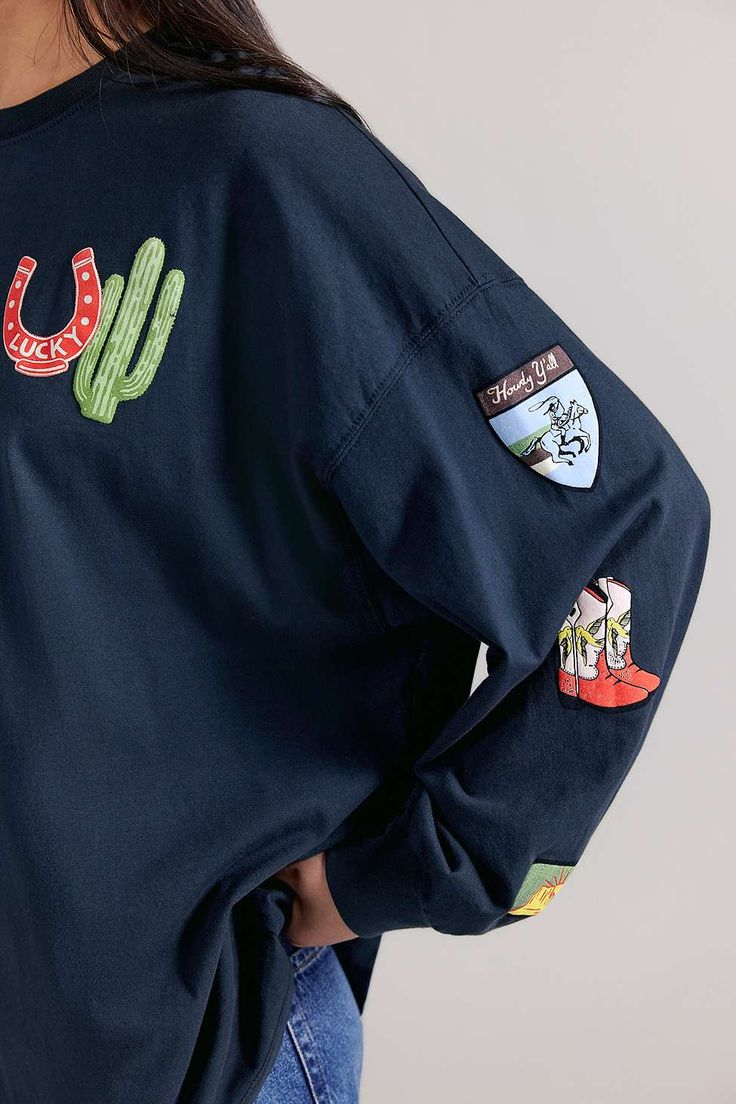

What Are Custom Clothing Patches?
Custom clothing patches are decorative or functional patches designed to be attached to jeans, jackets, shirts, uniforms, and other garments. Unlike standard patches that may be designed specifically for hats or bags, clothing patches are optimized for fabric surfaces that move, stretch, and are washed regularly.
Clothing patches can be made using various methods: embroidered, woven, printed, PVC, leather, or chenille. They are attached using different backing options including sew-on (most durable), iron-on (DIY friendly), or Velcro (interchangeable). Common applications include brand logos on uniforms, team emblems on sports jackets, decorative elements on jeans, or covering holes and stains on worn garments.
Custom clothing patches are widely used by brands, sports teams, fashion designers, military units, and individuals for personal expression, repair, or professional identification.
Key Features of Custom Clothing Patches
Custom clothing patches offer several features that make them ideal for garment applications:
Fabric-Friendly – Designed to be柔软 and flexible, moving with the garment without causing stiffness or discomfort.
Washable Options – Many patch types (embroidered, woven) withstand regular machine washing when properly attached.
Multiple Attachment Methods – Choose from sew-on (most durable), iron-on (easy DIY), or Velcro (removable).
Wide Style Range – Available in embroidered, woven, printed, PVC, leather, chenille, and sequin.
Custom Shapes & Sizes – Any shape or size can be created to match your logo, artwork, or repair needs.
Durable Construction – Made to withstand regular wear, movement, and washing.
Repair & Cover-Up Functionality – Can cover holes, stains, or damage, extending the life of beloved garments.
Most Popular Custom Clothing Patches Styles
Different patch styles suit different clothing types and design needs. Here are the most popular styles:
Embroidered Clothing Patches – Traditional thread-based patches. Classic, durable, and professional. Best for logos with bold colors and simple details. Most popular for uniforms, jackets, and team apparel.
Woven Clothing Patches – Thin, high-detail patches using fine threads. Excellent for small text and intricate logos. Lies very flat – ideal for dress shirts and lightweight clothing.
Printed Clothing Patches – Full-color patches with unlimited colors, gradients, and photographic details. Perfect for complex artwork, band logos, or detailed illustrations on casual wear.
Leather Clothing Patches – Genuine or bonded leather with debossed or laser-engraved logos. Rugged, premium look. Popular on denim jackets, jeans back patches, and biker vests.
PVC Clothing Patches – Soft, rubbery, waterproof patches with 3D raised details. Very durable. Popular for outdoor gear, tactical vests, and rainwear.
Chenille Clothing Patches – Soft, fuzzy, varsity-style patches. Great for letterman jackets, sports apparel, and retro fashion.
Sequin Clothing Patches – Sparkling, eye-catching patches. Popular for dance costumes, festival wear, and children's clothing.
Which Clothing Types Work Best with Patches
Not all clothing types are equally suited for patches. Here are four common garment types and how they work with custom clothing patches.
Denim Jackets and Jeans
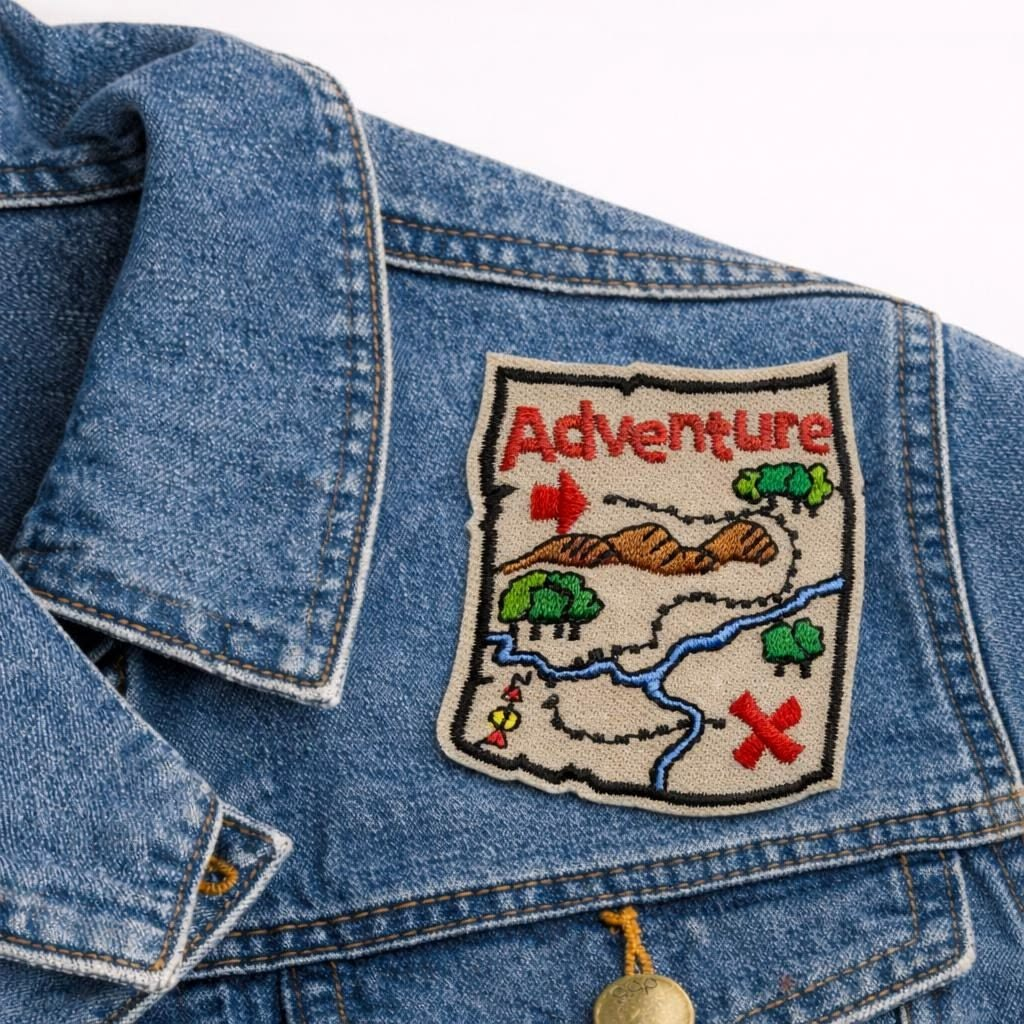
Denim is the most patch-friendly fabric available. It is thick, sturdy, and holds stitches firmly without tearing. Denim jackets can support large back patches (6–10 inches), chest patches, and sleeve patches with ease. Jeans are perfect for knee repairs, back pocket decorations, and thigh patches. Almost any patch style works on denim – embroidered, woven, printed, leather, chenille, and PVC. Sew-on backing is recommended for permanent attachment, though iron-on also works well on denim's flat surface.
Cotton T-Shirts and Hoodies
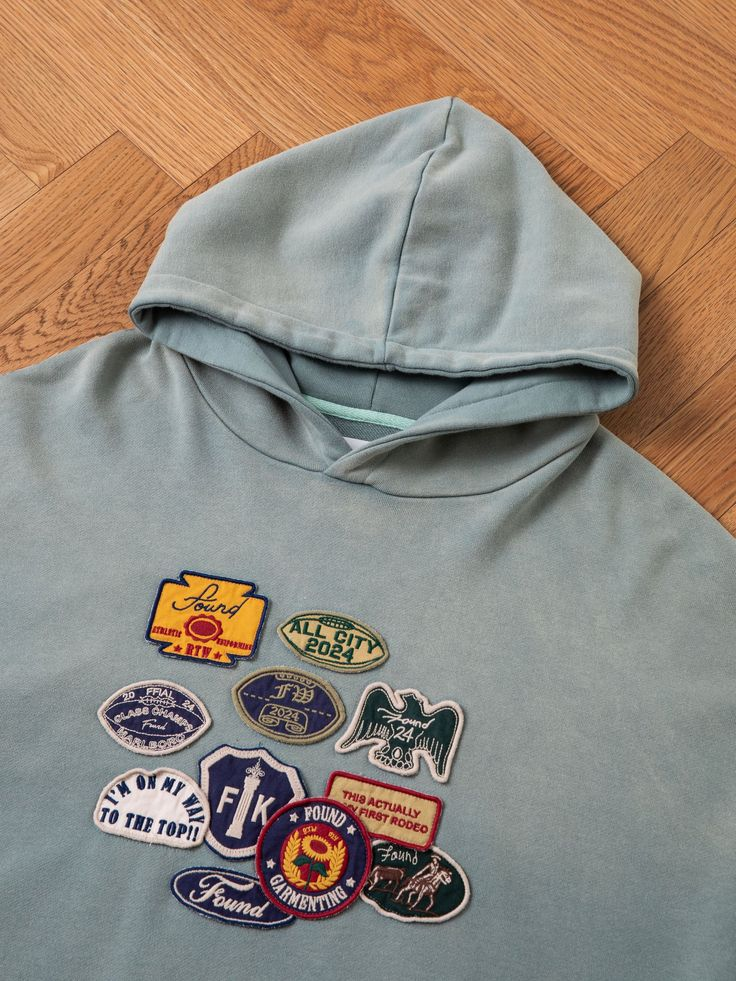
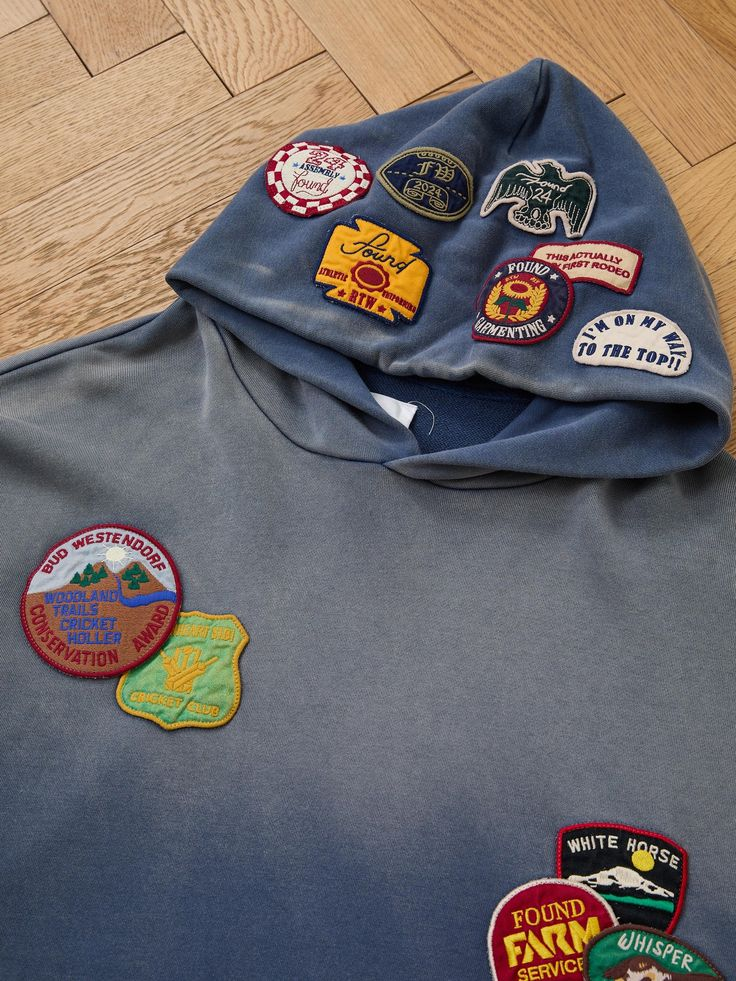
Cotton is soft, breathable, and widely used for casual wear. Hoodies, with their thicker fleece fabric, can handle most patch types including embroidered and chenille. Standard cotton t-shirts are lighter, so they work best with thin, flexible patches such as woven or printed patches. Heavy embroidered patches may cause lightweight t-shirts to sag or pull. Iron-on backing is popular for cotton garments because the fabric can withstand the heat required for application. For hoodies, sew-on is more durable given the thicker fabric and frequent wear.
Workwear Uniforms (Polos, Button-Downs, Work Shirts)
Uniforms require a professional, clean appearance. Woven patches are the top choice because they are thin, lie completely flat, and capture fine details like small text or intricate logos. Embroidered patches also work well but are slightly thicker. Placement is typically on the left chest, sleeve, or back. Sew-on backing is standard for uniforms because it provides a permanent, professional finish that withstands frequent washing. Iron-on is less common for uniforms as it may peel over time with regular industrial laundering.
Leather Jackets and Vests
Leather is a premium material that requires special consideration. Only sew-on patches should be used on leather – iron-on adhesive will not bond properly and the heat can damage the leather surface. Embroidered patches with a sew-on backing are the most popular choice for leather jackets and biker vests, creating a classic rugged look. Leather patches (debossed or laser-engraved) also pair beautifully with leather garments for a matching, premium aesthetic. PVC patches are another good option as they are flexible and weather-resistant. When attaching, use a leather needle and hand-sew or use a sewing machine designed for leather work.
General Rule: Sturdy, woven fabrics like denim and canvas can handle any patch type. Soft cottons work best with lightweight woven or printed patches. Leather requires sew-on backing only. Always test a small area or order a sample before committing to large quantities on a new garment type.
How to Design Custom Clothing Patches That Get Noticed
Designing for clothing patches requires consideration of fabric movement, washing durability, and visibility.
Design Guidelines:
Keep it readable – Clothing patches are often viewed from a distance. Bold, simple designs work best.
Minimum text height: 3–4mm for embroidered, 2–3mm for woven or printed. Smaller text becomes illegible after washing or from a distance.
Use bold, chunky shapes – Thick lines and solid areas are more durable and readable.
Consider placement – A chest patch (small, 2–3 inches) should be simpler than a back patch (large, 6–10 inches) which can have more detail.
Avoid very fine details for embroidery – Tiny details get lost in thread. Save fine details for woven or printed patches.
Use vector files – AI, PDF, CDR, or SVG formats are essential for all patch manufacturing methods.
Limit colors for embroidery – 3–6 thread colors is ideal. Printed and woven patches have no color limits.
Add a border – A contrasting border helps the patch stand out against the garment fabric and prevents fraying.
Border Options to Consider:
Merrowed Border – A tight overlocked thread edge. Traditional and very popular for embroidered patches.
Laser-Cut / Heat-Cut Border – A sealed, clean edge. Common for woven, printed, and PVC patches.
Stitched Border – A simple satin stitch around the edge. Adds a crafted, handmade look.
No Border – The design goes to the edge. Best for printed or woven patches on soft fabrics.
For most clothing patches, a merrowed border (embroidered) or laser-cut border (woven/printed) is recommended for durability and appearance.
How Custom Clothing Patches Are Made
The manufacturing process for clothing patches depends on the patch type. Here is the typical workflow for embroidered patches (the most common):
Digitizing – Your design is converted into a digital embroidery file that tells the machine where to place each stitch.
Material Selection – Thread colors are matched to your design. Backing fabric (twill, felt, or polyester) is selected.
Embroidery – A multi-head embroidery machine stitches the design onto the backing fabric. Multiple patches are embroidered in a large sheet.
Heat Press (Optional) – The embroidered sheet is heat-pressed to flatten the stitches and remove wrinkles.
Border Application – A merrowed border machine wraps thread around the edge of each patch (or a laser cutter cuts them out).
Backing Attachment – The chosen backing (sew-on, iron-on, or Velcro) is applied.
Quality Inspection – Each patch is checked for loose threads, border defects, and color accuracy.
Packaging – Finished patches are packaged flat to prevent bending or curling.
For woven/printed patches: The design is woven or printed onto fabric sheets, then cut and backed.
For PVC patches: Liquid PVC is injected into a metal mold, cured, then backed.
For leather patches: Leather is cut, debossed or laser-engraved, then backed.
How to Customize Clothing Patches for Different Purposes (Branding, Repair, Fashion)
Custom clothing patches serve three main purposes: branding, repair, and fashion. Here is how to tailor them for each use:
For Branding (Corporate, Teams, Organizations)
Goal: Promote brand identity, create uniform consistency, look professional.
Best Patch Types: Embroidered (classic, durable), woven (detailed logos), printed (full-color complex logos).
Placement: Chest (left or right), sleeve, back (large logos), collar.
Backing Recommendation: Sew-on for permanent uniforms, iron-on for easy application by employees.
Design Tips: Use exact brand colors (Pantone matching). Keep logos clean and recognizable at 2–3 inches.
Example Uses: Company uniforms, sports team jerseys, club jackets, scout uniforms.
For Repair (Covering Holes, Stains, Damage)
Goal: Extend garment life, cover imperfections, add character.
Best Patch Types: Embroidered (durable), leather (rugged look), printed (decorative), woven (thin for delicate fabrics).
Placement: Knees (jeans), elbows (jackets, shirts), back pockets, anywhere with holes or stains.
Backing Recommendation: Sew-on (most secure) or iron-on (quick fix).
Design Tips: Choose shapes that work with the damage location (circles, rectangles, custom shapes). Bold designs work best for covering larger areas.
Example Uses: Patched jeans knees, elbow patches on tweed jackets, covering logo removal, hiding bleach stains.
For Fashion & Personal Expression
Goal: Express personality, create unique garments, follow trends.
Best Patch Types: All types – embroidered, woven, printed, leather, chenille, sequin, glow-in-the-dark.
Placement: Anywhere – back, chest, sleeves, pockets, along seams, clustered arrangements.
Backing Recommendation: Iron-on (easy to apply at home) or sew-on (for permanent placement on high-wear items).
Design Tips: Mix and match different patch styles. Create "patch jackets" with multiple patches. Use quotes, symbols, band logos, or original artwork.
Example Uses: Denim jackets with band patches, festival vests, personalized backpacks, DIY fashion projects.
Steps to Customize for Any Purpose:
Identify your primary goal (branding, repair, or fashion).
Choose patch type based on durability, detail, and aesthetic needs.
Prepare vector artwork with bold, simple elements.
Select size appropriate for placement location.
Choose backing (sew-on for durability, iron-on for DIY).
Order a sample to test on your actual garment.
Approve and place bulk order.
Attach patches (or sell separately for customer attachment).
Backing Options for Clothing Patches
The backing you choose determines how the patch attaches to the garment. Each option has different strengths.
| Backing Type | Best For | Pros | Cons |
|---|---|---|---|
| Sew-On | Permanent attachment, high-wear garments, professional results | Most durable. Lies flat. Professional finish. Machine washable. Withstands years of use. | Requires sewing skills or a tailor. Time-consuming for large quantities. |
| Iron-On (Heat Seal) | DIY attachment, small batches, at-home application | Easy to apply with a household iron. No sewing. Good for cotton and polyester blends. | Less durable than sew-on. Can peel over time with washing. Not for leather, nylon, or high-pile fabrics. |
| Velcro (Hook & Loop) | Interchangeable patches, tactical gear, collectors | Swap patches anytime. No tools needed. Reusable. | Requires loop panel on garment. Adds thickness. Can collect lint in wash. |
| Adhesive (Peel & Stick) | Temporary attachment, samples, low-wear situations | Instant attachment. No heat or sewing. | Least durable. May fall off in heat or moisture. Not for regular washing. |
| Magnetic | Delicate fabrics, display purposes | No damage to fabric. Easy to remove. | Weak hold. Not for active wear. Magnets can shift or fall off. |
Recommended Backing by Clothing Type:
Denim / Jeans / Jackets – Sew-on (most durable) or iron-on (convenient)
Cotton T-Shirts / Hoodies – Sew-on or iron-on
Leather / Faux Leather – Sew-on only (iron-on does not adhere to leather)
Uniforms / Workwear – Sew-on (professional, permanent)
Outdoor / Tactical Gear – Velcro (interchangeable standard)
Delicate Fabrics (silk, rayon) – Sew-on with light thread (avoid iron-on heat)
Children's Clothing – Sew-on (safest, no heat risk)
Pro Tip for Iron-On Application:
To maximize iron-on durability:
Pre-wash the garment (no fabric softener).
Iron the garment area first to remove wrinkles.
Place patch, cover with a thin cloth (or parchment paper).
Iron firmly for 30–45 seconds with no steam, using medium-high heat.
Let cool completely before wearing or washing.
For best results, sew around the edge after ironing.
Price of Custom Clothing Patches
The price of custom clothing patches varies based on several factors.
Comparison with Standard Patches: Clothing patches are generally similar in price to standard patches of the same size and type. Backing choice (sew-on vs. iron-on) affects cost.
Key Price Factors:
Patch type – Embroidered is most economical. Woven and printed are mid-range. PVC, leather, and chenille are higher.
Size – Larger patches cost more due to more material and machine time.
Quantity – Unit price drops as quantity increases. Small batches (50–100 pieces) have higher per-piece costs. Medium quantities (250–1,000) offer the best value.
Number of colors – For embroidered patches, more thread colors increase cost. For printed or woven, colors have minimal impact.
Border type – Merrowed borders add a small cost compared to heat-cut borders.
Backing type – Sew-on is cheapest. Iron-on adds a small per-piece premium. Velcro adds a moderate premium.
Shape complexity – Custom die-cut shapes cost more than standard circles or ovals.
A General Price Indication: For a typical 3-inch round custom embroidered clothing patch with 4 colors and merrowed border, at medium quantities (250–500 pieces), the price per patch is roughly equivalent to a coffee drink. For iron-on backing, add a small per-piece cost. For a simple 2-color embroidered patch, prices are lower. For PVC or leather patches, expect to pay 30–50% more.
How to Get an Accurate Quote: Send the following to any reputable patch manufacturer:
Your design file (vector format: AI, PDF, CDR)
Desired dimensions (e.g., 3 inches round, 4 inches wide)
Target quantity (e.g., 200 pieces, 500 pieces)
Patch type (embroidered, woven, printed, PVC, leather)
Number of colors and Pantone codes (if applicable)
Border preference (merrowed or laser-cut)
Backing type (sew-on, iron-on, or Velcro)
How to Customize Clothing Patches for Your Project
Ready to create your own clothing patches? Follow these steps:
Identify Your Purpose – Branding, repair, or fashion? This guides all other decisions.
Choose Your Patch Type – Embroidered (classic), woven (detailed), printed (full-color), PVC (waterproof), leather (rugged), chenille (varsity), or sequin (sparkle).
Prepare Your Artwork – Simplify your design based on the patch type. Use vector files (AI, PDF, CDR, SVG). Avoid fine details for embroidery.
Determine Size & Shape – Consider placement location. Chest patches: 2–3 inches. Back patches: 4–10 inches. Sleeve patches: 2–4 inches tall.
Select Colors – Provide Pantone codes for accurate color matching.
Choose Border – Merrowed (traditional) or laser-cut (clean/modern).
Select Backing – Sew-on (most durable, professional), iron-on (DIY friendly), or Velcro (interchangeable).
Request Quotes – Send your artwork and specifications to 2–3 patch manufacturers.
Order a Sample – Always order a physical sample to test on your actual garment. Check attachment, durability, and appearance.
Approve & Place Bulk Order – Once the sample meets your expectations, approve it and place your order. Typical production: 7–15 business days for embroidered, 10–20 for others.
Attach Patches – Either attach them yourself (sewing or ironing) or sell the patches separately for customer attachment.
Packaging Options for Custom Clothing Patches
Proper packaging protects patches during shipping and storage, and can enhance retail presentation.
Individual Poly Bags – Each patch in a clear plastic bag. Prevents scratching and dust. Standard for bulk orders.
Backing Cards – Patches attached to custom-printed cards with a clear sleeve. Ideal for retail display, craft stores, or online orders.
Bulk Cartons – For large orders, patches packed flat in cartons with tissue paper layers between.
Header Cards – Patches on cards with a hanging hole for peg hooks. Great for fabric stores, craft shops, and merchandise tables.
Display Trays – Foam trays with individual slots for each patch. For premium retail or trade show displays.
Kraft Paper Envelopes – Eco-friendly option for smaller quantities. Patches placed in paper envelopes with a cardboard stiffener.