
What Are Custom Military Patches?
Custom military patches are identification or decorative emblems worn on military uniforms, tactical vests, helmets, backpacks, and other gear. They serve multiple purposes: displaying unit insignia, rank, nationality (flag patches), special qualifications, or personal morale messages.
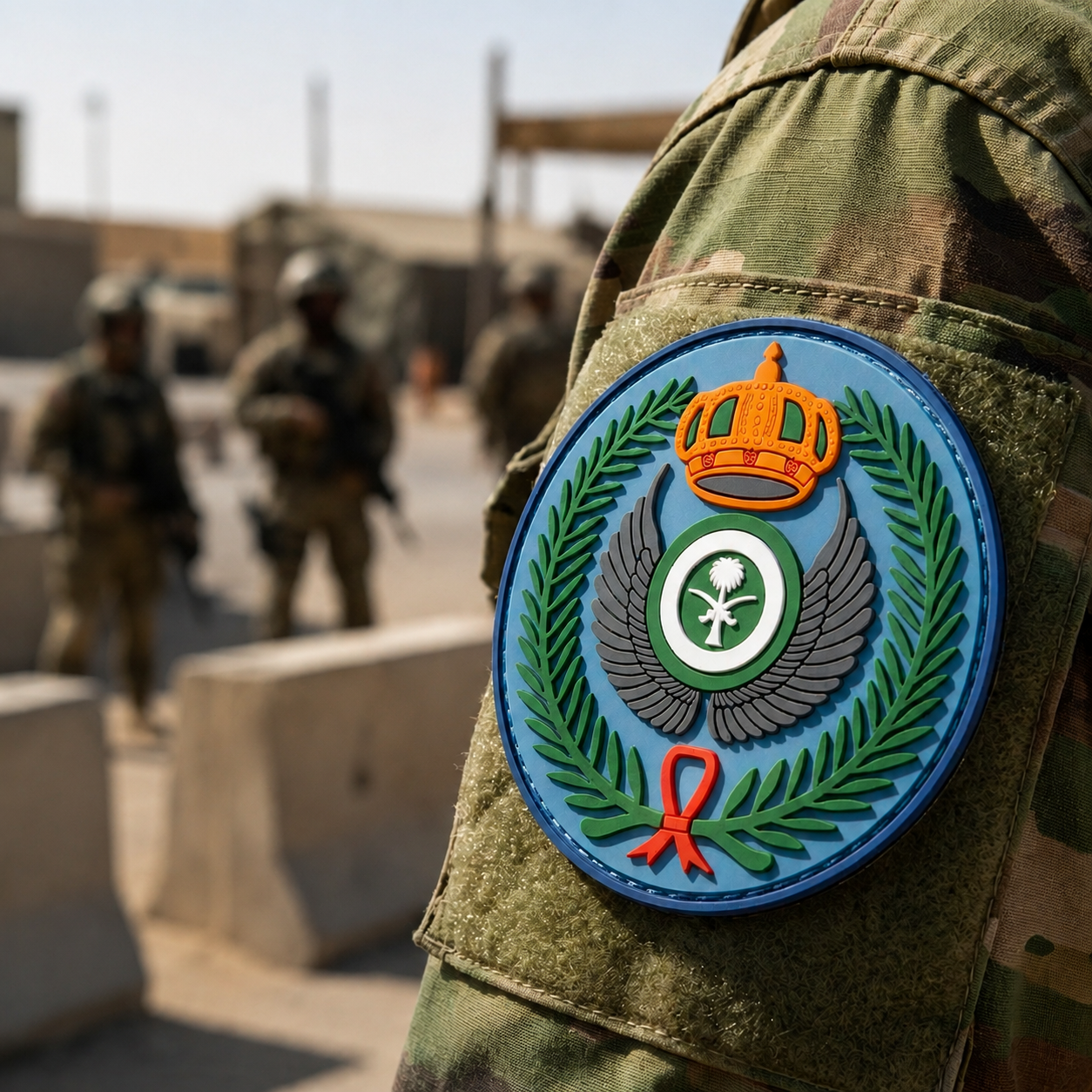
Unlike standard patches, military patches are built to withstand harsh conditions – extreme weather, abrasion, repeated washing, and exposure to sunlight and chemicals. They are typically backed with Velcro (hook-and-loop) for easy attachment to the loop panels found on modern tactical gear, though sew-on versions exist for dress uniforms.
Military patches fall into two broad categories: official patches (unit insignia, rank, tabs, qualification badges) which must follow strict military regulations, and morale patches (unofficial, often humorous or personal) which offer more creative freedom. Both types are popular among active duty personnel, veterans, collectors, and tactical enthusiasts.
Key Features of Custom Military Patches
Custom military patches are designed with durability and functionality as top priorities. Here are their key features:
Extreme Durability – Built to withstand abrasion, weather, washing, and UV exposure. Embroidered patches use high-strength thread; PVC patches are virtually indestructible.
Velcro Backing (Standard) – Most military patches feature hook backing, compatible with the loop panels standard on tactical vests, uniforms, backpacks, and helmets.
IR Reflective Option – Special infrared-reflective materials can be added to patches, making them visible under night vision goggles (NVGs) while appearing normal in daylight. Critical for friendly force identification in low-light operations.
Regulation Compliance Options – Colors, sizes, and designs can be matched to official military regulations (e.g., subdued colors for camouflage uniforms, specific dimensions for unit insignia).
Subdued Color Options – For tactical use, patches are often produced in muted colors (olive drab, coyote brown, black) to blend with camouflage patterns like MultiCam, Woodland, or Desert.
Multiple Construction Methods – Available in embroidered (traditional), PVC (modern, waterproof, 3D), or woven (high detail, thin).
Interchangeable – Velcro backing allows soldiers to swap patches between different uniforms and gear setups quickly.
Morale Patch Friendly – The same durable construction supports unofficial, creative morale patches for unit bonding and personal expression.
Most Popular Custom Military Patch Styles
Military patches come in several distinct styles, each serving a different purpose.
Unit Insignia Patches
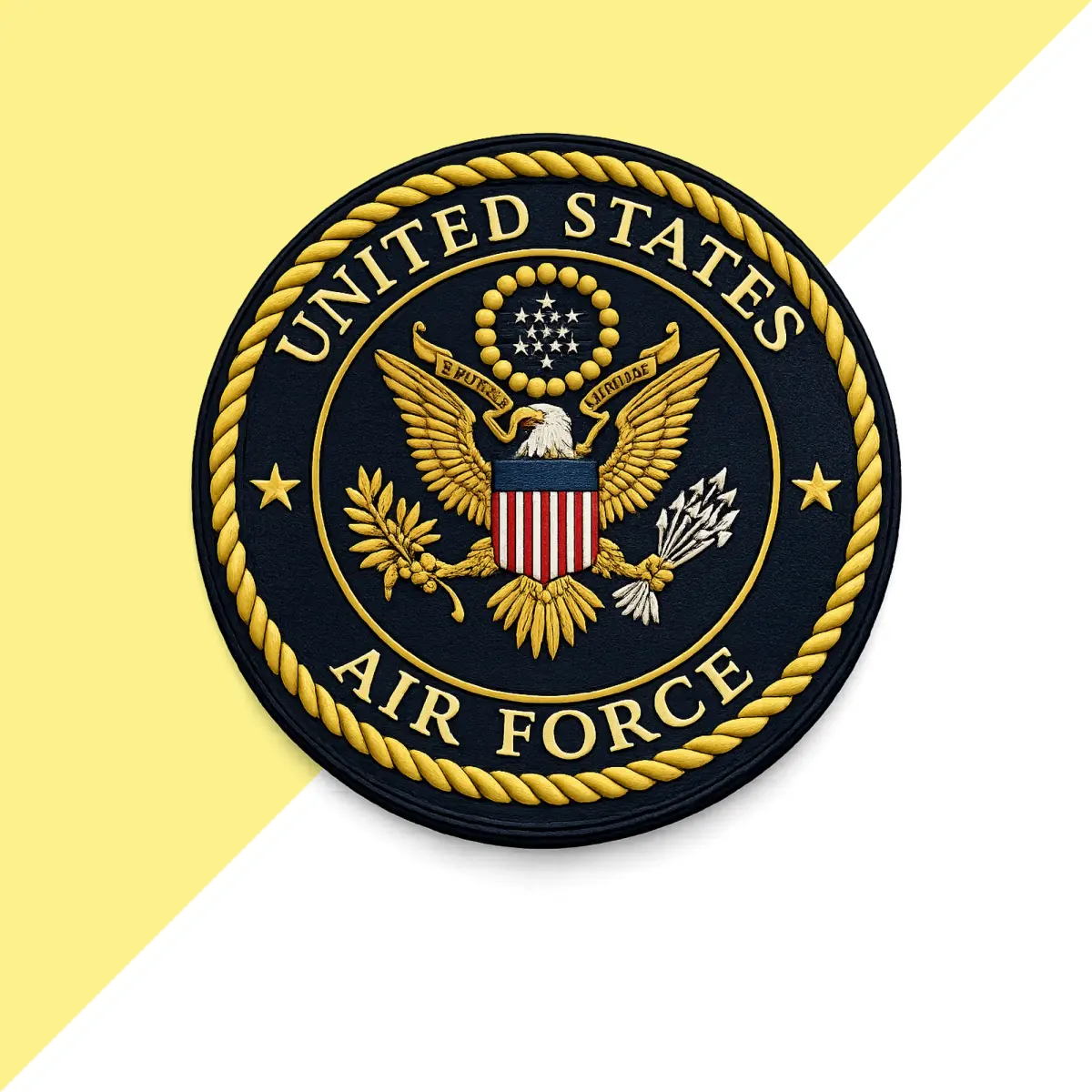
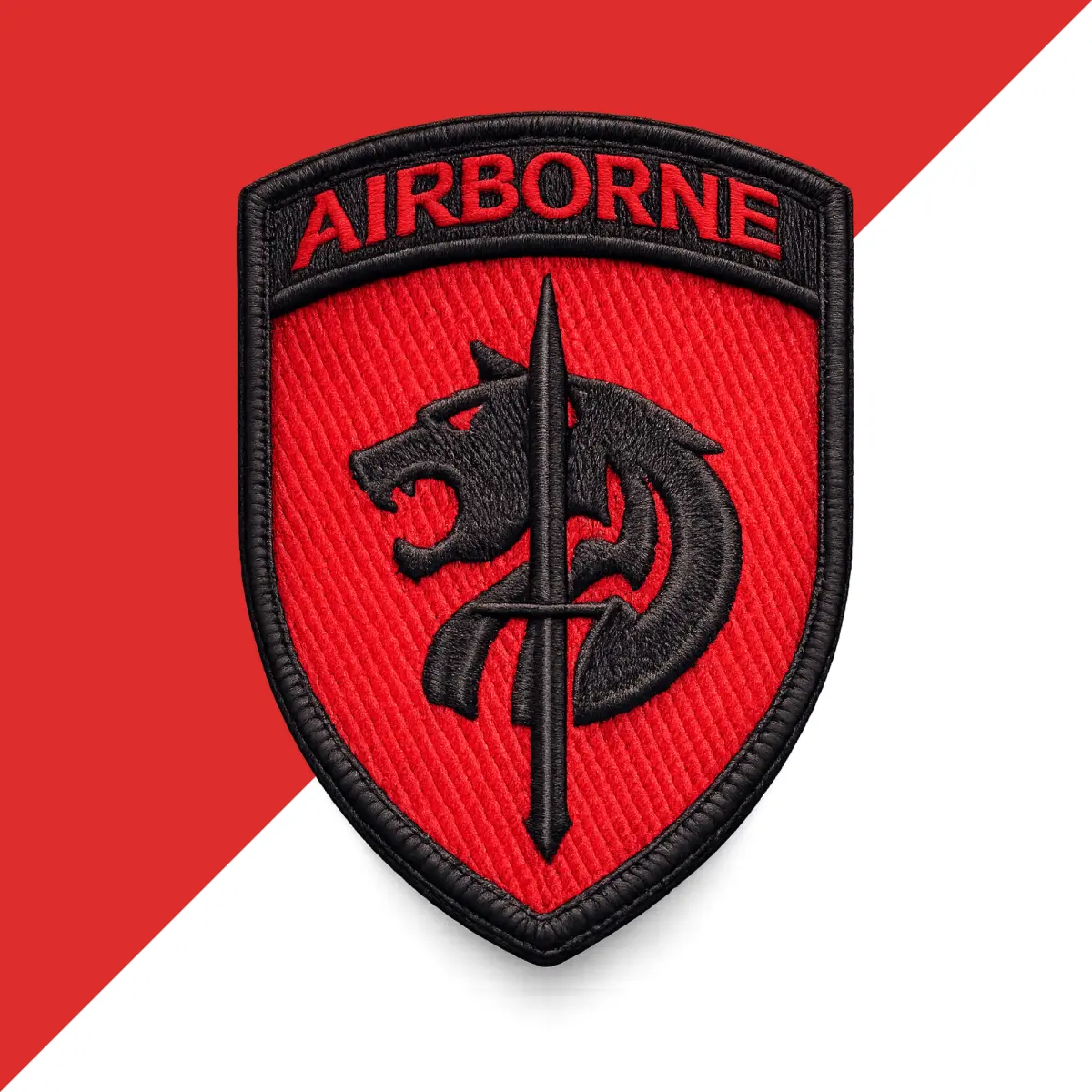
These are official patches identifying a soldier's unit – division, brigade, battalion, or company. Examples include the 82nd Airborne, 101st Airborne, 1st Cavalry Division, or Special Forces patches. These must follow strict regulation regarding shape, color, and symbolism.
Rank Patches
Rank patches indicate a service member's grade (e.g., Sergeant, Lieutenant, Captain). They are typically small, simple, and placed on the chest, collar, or sleeve. Subdued versions are used on combat uniforms.
Flag Patches
The most universal military patch. US flag patches (full color or subdued) are worn on the right shoulder, often with stars facing forward (reverse flag). Other national flags are also common for multinational operations or ally identification.
Morale Patches
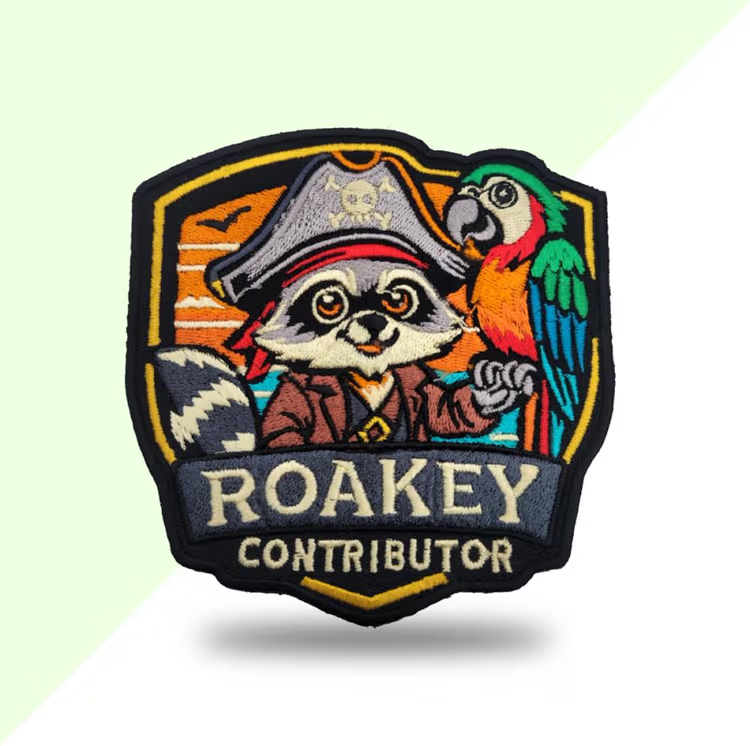
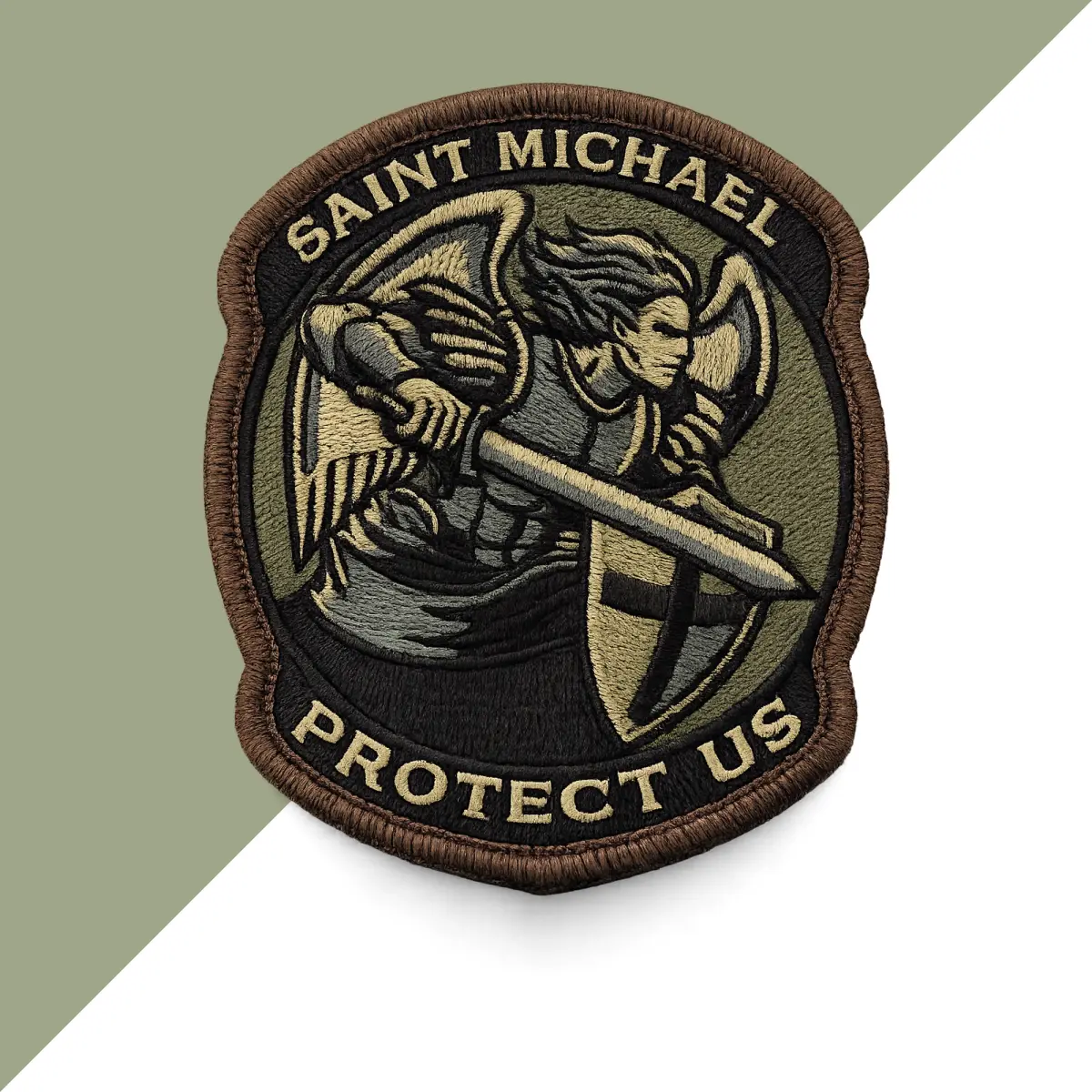
Unofficial patches that express personality, humor, unit pride, or inside jokes. Popular examples include "Death from Above," "If You Can Read This, I'm Not In My Tank," or unit mascots. Morale patches have no regulation restrictions and are a major part of military culture.
Tab Patches
Small, arched patches worn above unit insignia indicating special qualifications: "Ranger," "Special Forces," "Airborne," "Sapper," "Mountain," etc. These carry significant prestige.
Qualification and Skill Badges
Patches or woven tabs indicating specialized training – parachutist, air assault, diver, sniper, pathfinder, etc. Often worn on the chest or sleeve.
IR (Infrared) Reflective Patches
Designed for night operations. These patches reflect infrared light, making the wearer visible to friendly forces under night vision goggles while remaining dark to the naked eye. Critical for friend-or-foe identification in low-light environments.
Service Stripes and Deployment Patches
Indicate years of service, overseas deployments, or specific campaigns (e.g., Iraq, Afghanistan, Operation Inherent Resolve).
Which Gear and Uniforms Work Best with Military Patches
Military patches are attached to a variety of gear and uniforms. Here are the most common platforms.
Tactical Vests and Plate Carriers
Modern vests have extensive Velcro loop panels on the chest, back, shoulders, and cummerbund. This is where morale patches, unit IDs, and flag patches are most commonly displayed. The large surface area allows for bigger patches (4–6 inches).
Combat Uniforms (ACU, OCP, MultiCam, Woodland)
Uniform tops have Velcro patches on the chest (left and right), shoulders, and sometimes sleeves. Rank patches go on the chest or collar; unit patches go on the left shoulder; flag patches go on the right shoulder. Subdued colors (olive, coyote, black) are required for combat uniforms.
Backpacks and Assault Packs
Tactical backpacks (e.g., issued assault packs, Mystery Ranch, Eberlestock) feature Velcro loop panels on the outside for identification patches, morale patches, or flag patches. This allows easy recognition of gear ownership.
Helmets (ACH, ECH, FAST, Ops-Core)
Helmet covers often have small Velcro panels on the front, sides, and rear. Small unit patches, rank patches, or IR reflective patches are attached here. Night vision identification is a primary function for helmet patches.
Flight Jackets and Aircrew Gear
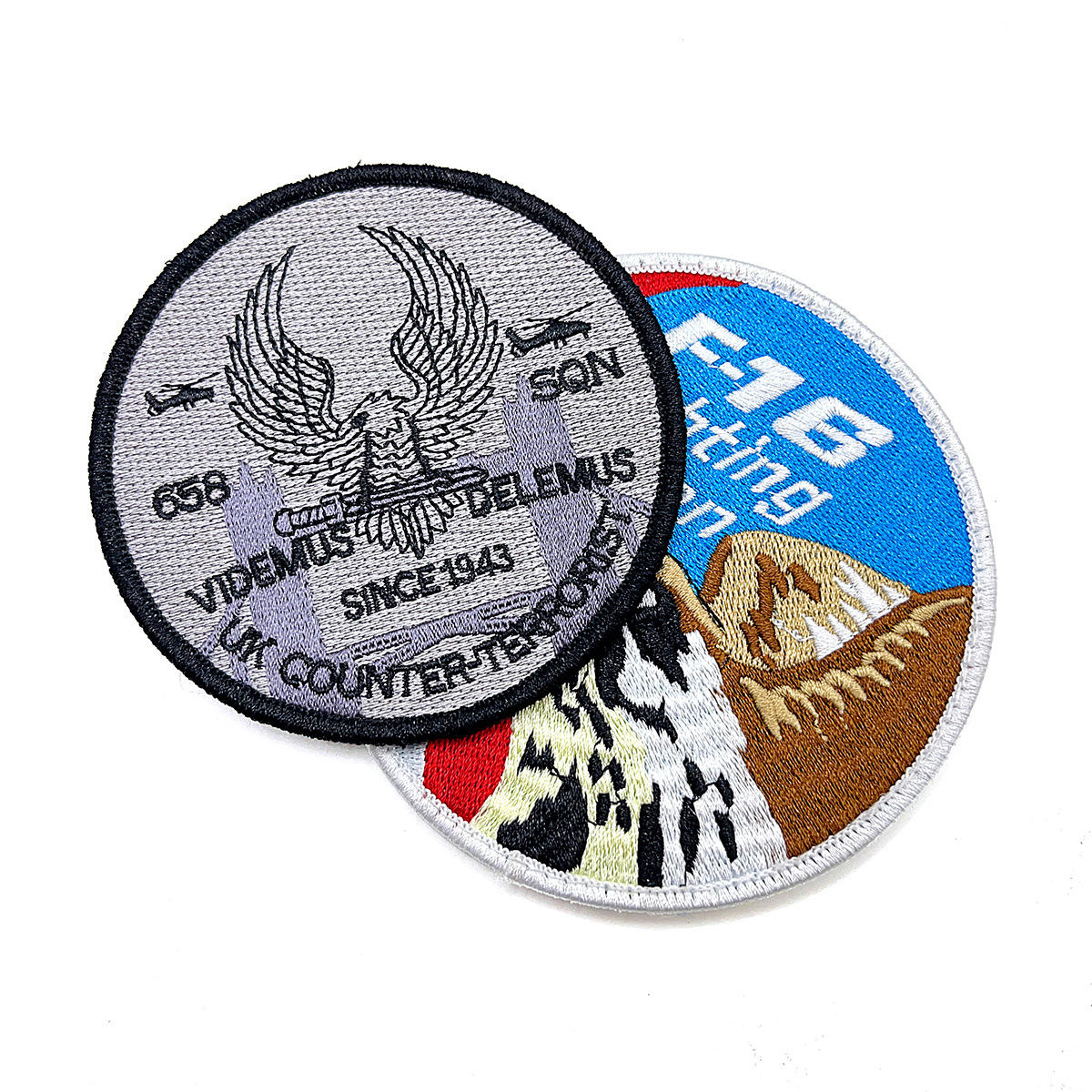
Aviators wear patches on flight jackets, flight suits, and helmet bags. These are often traditional embroidered patches with full color, showing squadron insignia, call signs, and mission symbols.
Dress Uniforms (Class A, Service Uniforms)
Dress uniforms use sew-on patches (no Velcro). Unit patches, rank, qualification badges, and service stripes are sewn directly onto the fabric. These require precise placement and regulation-compliant colors.
How to Design Custom Military Patches That Get Noticed
Designing military patches requires balancing creativity with practical and regulatory considerations. Follow these guidelines.
Design Guidelines for Official Patches:
Follow regulations – Official unit patches must adhere to size, shape, color, and symbolism rules specific to each branch (Army, Navy, Air Force, Marines). Subdued colors are required for combat uniforms.
Use approved colors – Standard subdued colors: olive drab, coyote brown, black, tan, and ranger green. Full-color patches for dress uniforms use traditional branch colors.
Keep text legible – Minimum text height: 3–4mm for embroidered, 2–3mm for woven or PVC.
Use simple, bold shapes – Thick lines and solid areas read better and are more durable.
Design Guidelines for Morale Patches:
More creative freedom – Humor, pop culture references, unit inside jokes, and bold graphics are welcome.
Keep it readable – Morale patches are often smaller (2–4 inches). Text should be large enough to read from a few feet away.
Avoid overly fine details – Thin lines and tiny text may not embroider or mold clearly.
Use vector files – AI, PDF, CDR, or SVG formats are essential for all manufacturing methods.
IR Reflective Design Considerations:
IR material can be added to specific design elements (e.g., a border, text, or symbol) or the entire patch.
IR patches appear normal under daylight but glow under night vision.
Popular for friend-or-foe identification – a bright IR square or symbol on the helmet or shoulder.
Color and Contrast:
Subdued patches (low contrast) blend with camouflage. Best for tactical use.
Full-color patches (high contrast) stand out. Best for dress uniforms, flight jackets, and morale patches.
Consider the background color of the uniform or gear. A patch that blends too much may be hard to see.
Border Options:
Merrowed Border – The standard for embroidered military patches. A tight overlocked thread edge. Durable and traditional.
Laser-Cut / Heat-Cut Border – Common for PVC and woven patches. Clean, modern, no thread.
No Border – For patches that will be sewn directly onto fabric (dress uniforms).
Prohibited Elements (for official use):
No profanity or offensive imagery (morale patches have more freedom, but unit command may restrict).
No unauthorized symbols (e.g., Special Forces crests require permission).
No incorrect flag orientations (US flag on right shoulder should be reverse/backward).
How Custom Military Patches Are Made
Military patches are produced using three main manufacturing methods. Each has advantages for different applications.
Embroidered Military Patches (Traditional)
The most common method for official unit patches, rank, and qualification badges.
Digitizing – The design is converted into an embroidery file.
Thread selection – Colors are matched to regulation requirements (subdued or full-color).
Embroidery – A multi-head machine stitches the design onto twill backing.
Heat pressing – Flattens the patch and removes wrinkles.
Cutting and bordering – Patches are die-cut and merrowed borders are applied.
Velcro attachment – Hook backing is heat-sealed to the reverse side.
Quality inspection – Each patch is checked for thread breaks, border defects, and color accuracy.
PVC Military Patches (Modern)
Extremely durable, waterproof, and 3D. Very popular for morale patches and tactical gear.
Mold creation – A metal mold is made from the vector design.
Color mixing – Liquid PVC is colored to match Pantone specifications.
Injection molding – Liquid PVC is injected into the mold and cured.
Demolding and trimming – The patch is removed, and excess material is trimmed.
Velcro attachment – Hook backing is glued to the smooth PVC back.
Quality inspection – Checked for bubbles, color accuracy, and molding defects.
Woven Military Patches (High Detail)
Best for patches with small text or intricate details (e.g., tab patches, qualification badges).
Loom setup – Fine polyester threads are loaded onto specialized looms.
Weaving – The design is woven directly into the fabric.
Cutting – Patches are laser-cut to shape.
Velcro or sew-on backing – Applied as needed.
Quality inspection – Checked for weaving errors and clarity.
Comparison Table:
| Method | Best For | Durability | Detail Level | Cost | IR Capable |
|---|---|---|---|---|---|
| Embroidered | Unit patches, rank, official | High | Medium | Low-Moderate | Yes (with IR thread) |
| PVC | Morale patches, tactical gear, weather exposure | Very High | Medium (bold shapes) | Moderate-High | Yes (IR additive) |
| Woven | Tab patches, small text, qualification badges | Medium-High | Very High | Moderate | Limited |
How to Customize Military Patches for Different Units and Purposes
Military patches serve many different functions. Here is how to tailor them for specific needs.
For Active Duty Units (Official Patches)
Requirements: Must follow branch regulations (AR 670-1 for Army, etc.). Size, shape, colors, and placement are specified.
Best methods: Embroidered (traditional) or woven (for detailed insignia).
Colors: Subdued for combat uniforms (OCP, MultiCam, Woodland). Full-color for dress uniforms.
Backing: Velcro for tactical uniforms, sew-on for dress uniforms.
Common patches: Unit insignia (shoulder sleeve), rank (chest/collar), flag (right shoulder), qualification tabs (above unit patch).
For Morale Patches (Unofficial, Unit Spirit)
Requirements: No official restrictions, but unit commanders may have guidelines. Avoid profanity or offensive imagery if intended for general wear.
Best methods: PVC (durable, 3D, modern) or embroidered (traditional).
Colors: Any. Full-color is most common, but subdued morale patches exist.
Backing: Velcro for attachment to tactical vests, backpacks, and helmet covers.
Common themes: Unit mascots, inside jokes, dark humor, pop culture references, motivational phrases, "death from above" style slogans.
For Commemorative and Retirement Patches
Purpose: Honor service members leaving the unit or retiring from service.
Best methods: Embroidered (traditional) or PVC (modern).
Colors: Full-color with gold or silver accents for a premium look.
Backing: Velcro or sew-on, often with a presentation card.
Common elements: Dates of service, unit insignia, "RIP" or "Retired" text, soldier's name.
For Tactical Identification (Friend or Foe)
Purpose: Identify friendly forces under night vision or in low-light conditions.
Best methods: Embroidered with IR thread, or PVC with IR additives.
Colors: Subdued (coyote, olive, black) for day visibility; IR reflection for night.
Backing: Velcro for attachment to helmets, vest shoulders, and back panels.
Common designs: Small squares, chevrons, unit symbols, or country flags that reflect IR.
For Training and Simulation (OPFOR, Exercise Patches)
Purpose: Identify opposing forces (OPFOR), exercise participants, or training cadre.
Best methods: Embroidered or printed (low cost for large quantities).
Colors: Distinctive bright colors (red, blue, yellow) or simulated camouflage.
Backing: Velcro or sew-on.
Common elements: "OPFOR," "Umpire," "Safety," exercise name and year.
For Collectors and Veterans
Purpose: Display unit history, commemorate service, or build collections.
Best methods: Embroidered (traditional) or woven (high detail for older unit insignia).
Colors: Full-color, historically accurate.
Backing: Velcro or sew-on; many collectors prefer sew-on for display boards.
Common patches: Vietnam-era unit patches, WWII division patches, modern unit variations, reunion patches.
Backing Options for Military Patches
The backing determines how the patch attaches to gear and uniforms. Military patches use two primary backings.
Velcro Hook Backing (Standard for Tactical Gear)
This is the overwhelming standard for modern military patches. The patch has the "hook" (scratchy) side, which attaches to the "loop" (soft) panels found on tactical vests, uniforms, backpacks, helmets, and pouches.
Pros: Interchangeable, quick to attach/remove, no sewing required, reusable.
Cons: Adds slight thickness, can collect lint over time, loop panel must be present on the gear.
Best for: All tactical uniforms, plate carriers, backpacks, helmets, and morale patches.
Sew-On Backing (Standard for Dress Uniforms)
For dress uniforms (Class A, Service Uniforms, Mess Dress), patches are sewn directly onto the fabric. No Velcro is used.
Pros: Permanent, professional, lies flat, traditional.
Cons: Requires sewing, cannot be swapped easily.
Best for: Dress uniforms, flight jackets (traditional), historical displays, and some collectors' items.
IR Compatibility Note:
Both Velcro-backed and sew-on patches can be manufactured with IR reflective properties. The IR material is added to the thread (embroidered) or mixed into the PVC/ink during production.
Velcro Color Options:
Black Velcro – Standard for most tactical patches. Blends with dark gear.
Coyote Brown Velcro – Matches MultiCam, OCP, and desert uniforms.
Olive Drab Velcro – Matches Woodland and green uniforms.
Tan Velcro – For desert-specific gear.
White Velcro – For winter/cold weather patches (rare).
Pro Tip: Always match the Velcro color to the background uniform or gear color for a cleaner, more professional appearance.
Price of Custom Military Patches
The price of custom military patches depends on the construction method, size, quantity, and special features like IR reflectivity.
Comparison of Methods: Embroidered patches are the most economical for larger quantities (250+ pieces). PVC patches cost more due to mold fees but offer superior durability and weather resistance. Woven patches are mid-range and best for high detail.
Key Price Factors:
Construction method – Embroidered (lowest), woven (moderate), PVC (highest due to mold).
Size – Larger patches cost more.
Quantity – Unit price drops significantly from 100 to 500 pieces, then gradually.
Number of colors – For embroidered, more colors increase cost. For PVC and woven, colors have minimal impact.
IR reflective material – Adds a per-piece premium.
Velcro backing – Adds a small per-piece cost compared to sew-on.
Mold cost (PVC) – One-time fee, typically moderate to high depending on complexity.
A General Price Indication: For a typical 3-inch embroidered military patch with 4 colors, merrowed border, and Velcro backing, at medium quantities (250–500 pieces), the price per patch is roughly equivalent to a fast-food meal. Adding IR reflectivity adds a small per-piece premium. PVC patches cost 30–60% more due to the mold fee, but the per-piece price drops significantly at higher quantities (500+).
How to Get an Accurate Quote: Send the following to a reputable military patch manufacturer:
Your design file (vector: AI, PDF, CDR)
Desired dimensions (e.g., 3 inches round, 4x2 inches)
Target quantity (e.g., 300 pieces)
Construction method (embroidered, PVC, or woven)
Number of colors and Pantone codes
IR reflective? (yes/no, and which elements)
Border type (merrowed or laser-cut)
Backing type (Velcro or sew-on, with Velcro color preference)
How to Customize Custom Military Patches for Your Project
Ready to create your own military patches? Follow these steps:
Identify the Purpose – Official unit patch, morale patch, commemorative, or tactical ID? This determines regulations, materials, and backing.
Check Regulations (for official patches) – Consult your unit or branch regulations for size, shape, color, and placement requirements.
Prepare Your Artwork – Use vector files (AI, PDF, CDR, SVG). Keep designs bold and simple. For morale patches, creativity is encouraged.
Decide on IR Reflective – Will the patch need to be visible under night vision? If yes, specify which elements should reflect.
Choose Construction Method – Embroidered (traditional, cost-effective), PVC (durable, 3D, weatherproof), or woven (high detail, thin).
Select Colors – Provide Pantone codes. Subdued (olive, coyote, black) for tactical use; full-color for dress/morale.
Choose Border – Merrowed (standard for embroidered) or laser-cut (for PVC/woven).
Select Backing – Velcro (standard for tactical gear) or sew-on (for dress uniforms). Specify Velcro color (black, coyote, olive, etc.).
Request Quotes – Send artwork and specifications to 2–3 military patch manufacturers.
Order a Sample – Always order a physical sample to test on actual gear. Check color accuracy, IR reflection (if specified), and Velcro adhesion.
Approve & Place Bulk Order – Typical production: 10–20 business days depending on method and quantity.
Packaging Options for Custom Military Patches
Proper packaging protects patches during shipping and storage.
Individual Poly Bags – Each patch in a clear bag. Prevents Velcro from sticking to other patches. Standard for bulk orders.
Velcro Display Boards – For collectors or unit issue, patches can be shipped on Velcro-compatible display boards.
Backing Cards – Patches attached to custom cards with clear sleeve. Ideal for retail or presentation.
Bulk Cartons – For large orders, patches packed flat with tissue paper layers between. Ensure Velcro sides face the same direction.
Kraft Paper Envelopes – Eco-friendly for smaller quantities.